
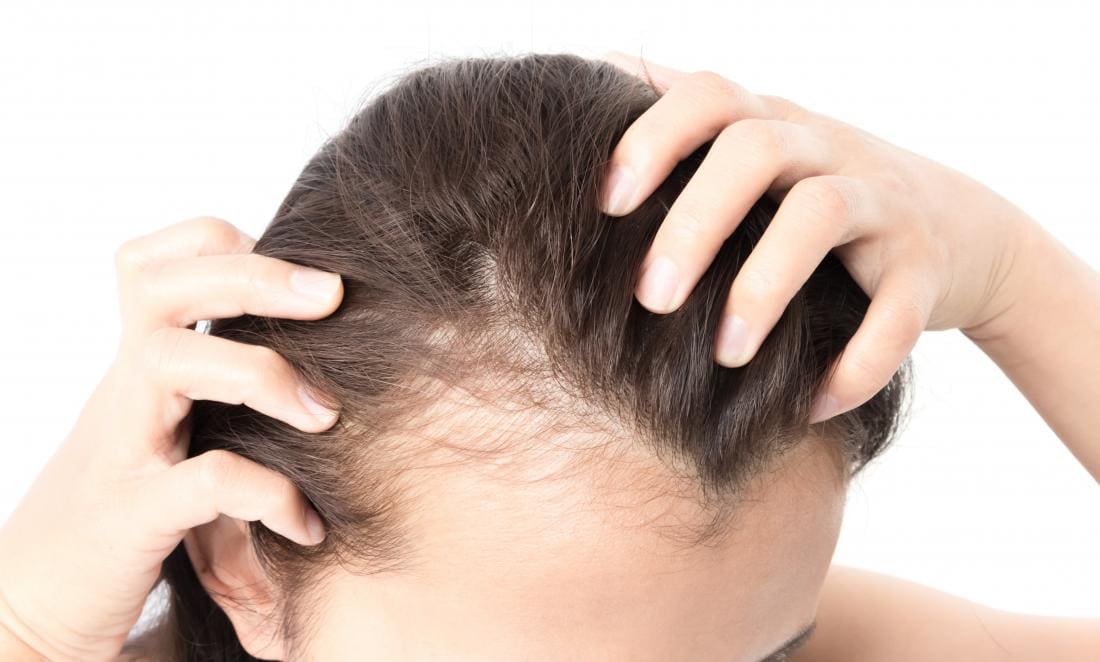
Are you one of the many men who has experienced hair loss? If so, you’re not alone. Hair loss can be a common concern for men, affecting their confidence and self-esteem. But did you know that hair loss can also be an indicator of overall men’s health? In this article, we’ll explore the connection between hair loss and men’s health, providing you with valuable insights and guidance on navigating this issue. From understanding the possible causes of hair loss to exploring potential treatments and lifestyle changes, we’ve got you covered. Let’s embark on this journey of exploring hair loss and its implications for men’s health together.
Understanding Hair Loss
Hair loss is a common and natural process that many men experience at some point in their lives. It can be caused by a variety of factors and can have a significant impact on men’s health, both physically and emotionally. By understanding the causes and types of hair loss, as well as its effects on self-esteem, social anxiety, and mental health, men can better navigate this challenging issue and seek appropriate solutions.
Causes of Hair Loss
Hair loss can occur due to a variety of factors, including genetics, hormonal changes, age, medications, and underlying medical conditions. The most common cause of hair loss in men is male pattern baldness, which is a hereditary condition that affects the hair follicles on the scalp. Other causes can include stress, nutritional deficiencies, certain medications, and medical treatments like chemotherapy.
Types of Hair Loss
Hair loss can manifest itself in different ways, and understanding the various types can help men identify their specific condition and seek appropriate treatment options. Some common types of hair loss include male pattern baldness, alopecia areata (patchy hair loss), telogen effluvium (temporary shedding), and traction alopecia (due to hairstyling practices). Each type of hair loss has its own underlying causes and may require different approaches for treatment.
Impact on Men’s Health
Hair loss can have a significant impact on men’s health, both physically and emotionally. The physical effects of hair loss include the loss of self-confidence, social anxiety, and feelings of depression. Men may become more self-conscious about their appearance and struggle with feelings of inadequacy or loss of attractiveness. It can also affect relationships and intimacy, as hair loss may impact self-esteem and confidence in these areas.
Physical and Emotional Effects of Hair Loss
Low Self-esteem
Hair loss can significantly impact men’s self-esteem and body image. For many men, their hair is closely tied to their sense of identity and attractiveness. Seeing signs of thinning or baldness can lead to feelings of shame, embarrassment, and a decrease in self-confidence. Men may avoid social situations, particularly those that involve close interactions or activities where the hair loss is more noticeable, leading to a decreased quality of life.
Social Anxiety
Hair loss can also contribute to social anxiety. Men may feel self-conscious in social settings, constantly worrying about how others perceive them due to their hair loss. This anxiety can lead to avoiding social situations altogether, which can have a negative impact on relationships and mental well-being.
Depression
The emotional toll of hair loss can often lead to depression. Men may experience feelings of sadness, hopelessness, and a loss of interest in activities they once enjoyed. The impact on self-esteem and body image can be profound, making it difficult to maintain a positive outlook on life. Seeking support from friends, family, or professionals can be crucial in managing and overcoming these feelings of depression.
The Connection between Hair Loss and Men’s Health
Physical Health Issues
While hair loss is primarily viewed as a cosmetic concern, it can sometimes be a sign of underlying medical conditions. Certain types of hair loss, such as alopecia areata, can be associated with autoimmune disorders. Additionally, nutritional deficiencies or hormonal imbalances can contribute to hair loss. It is important for men experiencing hair loss to consult with healthcare professionals to rule out any underlying health issues that may be contributing to their hair loss.
Psychological Implications
Hair loss can have profound psychological implications on men’s mental health. Studies have shown that individuals experiencing hair loss, particularly at a young age, may be more susceptible to mental health conditions such as anxiety and depression. It is essential to address these psychological implications and seek appropriate support to maintain emotional well-being.
Relationships and Intimacy
Hair loss can also have an impact on relationships and intimacy. The decline in self-esteem and body image may lead to a decrease in overall confidence, affecting one’s ability to engage in intimate or romantic relationships. It is important for individuals experiencing hair loss to communicate openly with their partners and seek support to maintain healthy relationships.
Seeking Professional Help
Consulting a Dermatologist
If you are experiencing hair loss, it is advisable to consult a dermatologist for a thorough evaluation. A dermatologist specializes in diagnosing and treating conditions related to the skin and hair. They can help determine the underlying cause of your hair loss and recommend appropriate treatment options.
Visiting a Trichologist
Trichologists are hair and scalp specialists who can provide valuable insights into the causes of hair loss and offer individualized treatment plans. They can perform hair and scalp examinations, analyze underlying factors such as diet and lifestyle, and recommend suitable treatments or lifestyle changes.
Therapy and Counseling
Seeking therapy or counseling can be beneficial for individuals struggling with the emotional impact of hair loss. A mental health professional can provide support, offer coping strategies, and assist in reframing perspectives related to body image and self-esteem. Therapeutic interventions can also help individuals address any underlying anxiety or depression associated with hair loss.
Medical Treatments for Hair Loss
Medications for Hair Regrowth
Several medications have been approved by regulatory authorities for the treatment of hair loss, such as finasteride and minoxidil. Finasteride works by blocking the hormone dihydrotestosterone (DHT), which contributes to hair loss, while minoxidil promotes hair regrowth and slows down the progression of hair loss. These medications may be prescribed by a healthcare professional and should be used under their supervision.
Hair Transplant Surgery
Hair transplant surgery is a surgical procedure that involves removing healthy hair follicles from one part of the scalp and transplanting them to areas of thinning or baldness. This procedure can provide long-lasting results and a natural-looking hairline. It is important to consult with a qualified surgeon to determine if you are a suitable candidate for hair transplant surgery.
Laser Therapy
Low-level laser therapy (LLLT) is a non-invasive treatment option for hair loss. It involves using laser devices or combs to stimulate hair growth and improve the health of hair follicles. LLLT can be used alone or in conjunction with other treatment methods. It is important to consult with a healthcare professional to determine the most appropriate laser therapy device or treatment plan for your specific needs.
Natural Remedies and Lifestyle Changes
Diet and Nutrition
Maintaining a healthy diet rich in essential nutrients can contribute to overall hair health. Consuming foods high in vitamins, minerals, and antioxidants can support hair growth and scalp health. Some nutrient-rich foods for hair health include lean proteins, fruits and vegetables, whole grains, and healthy fats. Additionally, staying well-hydrated and limiting the consumption of processed foods and sugary beverages can promote optimal hair health.
Hair Care Routine
Implementing a proper hair care routine can help minimize further hair loss and promote a healthy scalp. Using mild shampoos and conditioners, avoiding excessive heat styling and harsh chemicals, and gently brushing or combing the hair can all contribute to maintaining healthy hair. It is important to consult with a dermatologist or trichologist to determine the most suitable hair care routine for your specific needs.
Stress Management
Stress can contribute to hair loss, so implementing stress management techniques can be beneficial. Engaging in regular physical exercise, practicing relaxation techniques such as meditation or deep breathing, and seeking support from loved ones or professionals can help reduce stress levels. Additionally, participating in activities that bring joy and relaxation, such as hobbies or time spent in nature, can contribute to overall well-being and hair health.
Support Groups and Online Communities
Sharing Experiences and Advice
Joining support groups or online communities for individuals experiencing hair loss can provide a sense of community and solidarity. These forums offer opportunities to share personal experiences, seek advice, and learn about various treatment options. Hearing from others who have navigated similar challenges can be empowering and provide valuable insights into managing hair loss.
Finding Emotional Support
Seeking emotional support from loved ones, friends, or healthcare professionals is essential when navigating the emotional impact of hair loss. Opening up about your feelings and concerns can help alleviate some of the emotional burden and provide an outlet for support and understanding. Friends and family can offer empathy and encouragement, while mental health professionals can provide additional guidance and coping strategies.
Building Confidence
Building confidence is an important aspect of navigating hair loss. Engaging in activities that boost self-esteem, such as pursuing hobbies, staying socially active, and setting achievable goals, can contribute to a positive self-image. Additionally, working on self-acceptance and reframing perspectives about beauty and masculinity can help build confidence and embrace hair loss as a part of one’s unique identity.
Alternative Solutions and Camouflaging Techniques
Hairpieces and Wigs
Hairpieces and wigs are popular options for individuals seeking immediate and temporary solutions for hair loss. These can help restore a natural-looking appearance and provide a boost in self-confidence. There are various types of hairpieces and wigs available, ranging from synthetic to human hair, and it is important to choose a quality product that matches your desired look.
Scalp Micropigmentation
Scalp micropigmentation is a non-surgical cosmetic procedure that involves tattooing small pigment dots on the scalp to mimic the appearance of hair follicles. This technique creates the illusion of a shaved or closely cropped hairstyle, providing individuals with the appearance of a fuller head of hair. Scalp micropigmentation can be a suitable option for those who prefer a low-maintenance and long-lasting solution.
Cosmetic Concealers
Cosmetic concealers, such as hair building fibers and sprays, can be used to temporarily conceal areas of thinning or baldness. These products attach themselves to existing hair strands, creating the illusion of thicker and fuller hair. They are easy to use and can provide a quick solution for individuals looking to enhance their appearance.
Acceptance and Self-esteem
Embracing Baldness
Embracing baldness is a personal choice that can empower individuals to feel confident and comfortable with their appearance. It involves accepting hair loss as a natural part of the aging process and embracing the unique characteristics that make each person distinct. Embracing baldness can be a transformative journey towards self-acceptance and self-esteem.
Boosting Self-confidence
Boosting self-confidence can be a gradual process that involves adopting a positive mindset and engaging in confidence-building activities. Setting goals and achieving them, celebrating personal achievements, and surrounding oneself with supportive individuals can contribute to increased self-esteem. Additionally, practicing self-care and self-compassion can help cultivate a positive self-image and boost overall confidence.
Reframing Perspectives
Reframing perspectives involves changing the way one views hair loss and its impact on their life. Instead of focusing solely on the physical appearance, individuals can shift their perspectives towards embracing their unique qualities, talents, and achievements. Reframing perspectives can help individuals realize that hair loss does not define their worth or limit their potential.
Holistic Approach to Men’s Health
Taking Care of Overall Well-being
Taking a holistic approach to men’s health involves addressing physical, mental, and emotional well-being. This includes practicing regular exercise, maintaining a balanced diet, getting enough sleep, and avoiding harmful habits like smoking or excessive alcohol consumption. Taking care of overall well-being can contribute to optimal health and may positively impact hair growth and overall hair health.
Emphasizing Mental Health
Mental health is an essential component of men’s overall well-being. Prioritizing mental health involves seeking professional help when needed, practicing self-care, and engaging in activities that promote mental well-being. Managing stress, addressing feelings of anxiety or depression, and practicing healthy coping mechanisms can contribute to overall mental health and hair health.
Adopting Healthy Habits
Adopting healthy habits is crucial for maintaining optimal health and managing hair loss. This includes maintaining a nutritious diet, exercising regularly, getting sufficient sleep, and managing stress levels. Additionally, avoiding excessive heat styling and harsh hair treatments can promote hair health and minimize further damage. By adopting healthy habits, individuals can support their overall well-being and potentially slow down or prevent further hair loss.
Navigating hair loss can be a challenging journey, but with the right understanding, support, and resources, men can take proactive steps in managing and embracing their unique hair situation. By seeking professional help, exploring treatment options, adopting healthy habits, and prioritizing overall well-being, men can navigate hair loss while maintaining their physical and emotional health. Remember, hair loss does not define a person’s worth or hinder their ability to lead a fulfilling life. Embrace your unique journey and remember that your well-being is most important.