
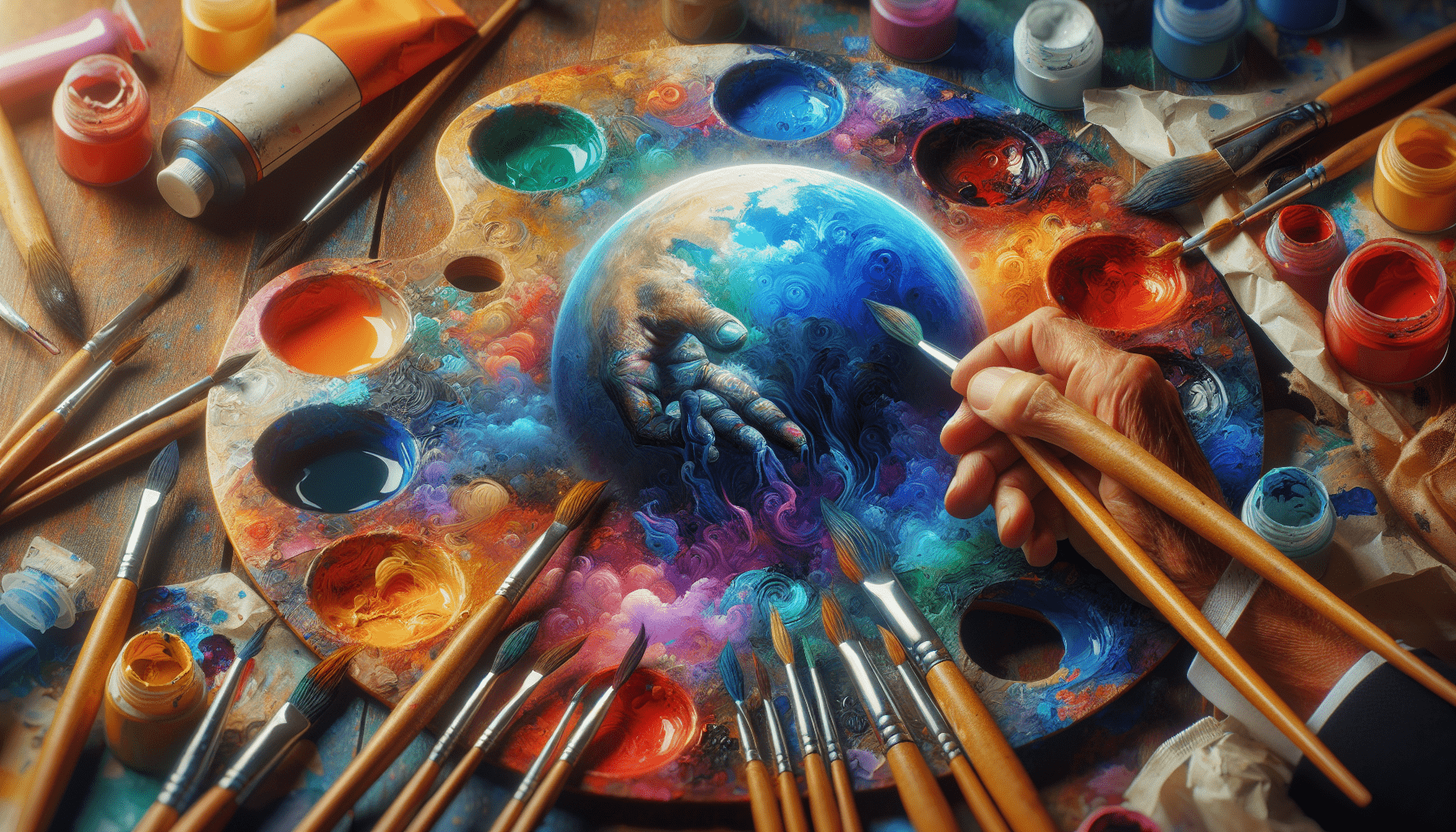
Are you ready to discover the endless benefits of creative expression during your retirement? As you enter this new phase of life, engaging in creative activities can bring immense joy, fulfillment, and a sense of purpose. Whether it’s painting, writing, playing an instrument, or even dancing, expressing yourself creatively allows you to explore new talents, connect with others, and unlock a world of self-discovery. Get ready to embrace the incredible advantages that creative expression can bring to your retirement years.
Improved Mental Health
Retirement can sometimes be a transition that brings about mixed emotions. While it offers newfound freedom and leisure time, it can also lead to feelings of stress and anxiety as individuals navigate this new chapter in their lives. Engaging in creative expression, such as painting, writing, or playing music, can be a powerful tool for reducing these negative emotions and promoting improved mental health.
One of the key benefits of creative expression is its ability to reduce stress and anxiety. When you immerse yourself in a creative activity, such as knitting or gardening, it allows you to focus your mind on the present moment, detaching from the worries and pressures of daily life. This state of flow can promote relaxation, calmness, and a sense of peace, helping to alleviate the stressors associated with retirement.
Engaging in creative activities can also enhance your mood and overall emotional well-being. When you express yourself creatively, whether through painting, sculpting, or writing poetry, it acts as an emotional outlet, allowing you to channel and process your feelings in a healthy way. By giving voice to your emotions and releasing them through artistic means, you may find that your overall mood improves, and you feel a greater sense of emotional balance and fulfillment.
Furthermore, creative expression can boost your self-confidence and self-esteem. When you engage in a creative activity, you are not only tapping into your inner artist but also showcasing your unique talents and abilities. As you see your creations come to life and receive positive feedback from others, it can enhance your sense of self-worth and belief in your skills. This newfound confidence can have a ripple effect, impacting other areas of your life and boosting your overall self-esteem.
Cognitive Stimulation
As we age, it becomes increasingly important to prioritize activities that maintain and enhance our cognitive abilities. Creative expression provides an excellent avenue for stimulating the brain, promoting improved memory, concentration, and critical thinking skills.
Engaging in creative pursuits helps to maintain brain health by keeping our minds active and engaged. Whether you’re learning a new instrument, taking up photography, or trying your hand at pottery, these activities require attention, focus, and problem-solving skills. By continuously challenging your brain through creative endeavors, you can help to ward off cognitive decline and keep your mind sharp and agile.
Creative expression also improves memory and concentration. When you immerse yourself in a creative task, such as learning a new language or practicing calligraphy, it forces your brain to encode and retrieve information, strengthening neural connections and enhancing memory retention. Similarly, the sustained focus required during creative activities can improve concentration and attention span, helping to combat issues such as forgetfulness and distractibility.
Furthermore, engaging in creative expression enhances problem-solving and critical thinking skills. When you encounter obstacles or challenges during creative projects, it necessitates thinking outside the box and finding innovative solutions. This process of creative problem-solving exercises your brain’s ability to analyze, strategize, and make connections, contributing to improved cognitive flexibility and adaptability.
Enhanced Emotional Outlet
Retirement can bring about a range of emotions, from excitement and anticipation to feelings of loss or uncertainty. Creative expression offers an invaluable emotional outlet, allowing you to express and process these emotions in a healthy and constructive manner.
Engaging in creative activities provides a means for the expression of emotions and feelings that may be difficult to articulate verbally. Whether through painting, writing, or dancing, creative expression enables you to communicate your innermost thoughts and emotions in a tangible and relatable form. This can be particularly beneficial for those struggling with communicating their emotions or for individuals who find it challenging to express their feelings through traditional means.
Moreover, creative expression serves as a cathartic release and allows for emotional healing. Engaging in creative activities can provide a safe space to let go of negative emotions, pent-up stress, or even grief. By giving yourself permission to explore and express these emotions, you can experience a sense of relief, release, and closure, fostering emotional healing and resilience.
Additionally, creative expression offers an opportunity for self-reflection and personal growth. When you engage in creative activities, you often tap into your innermost thoughts, desires, and experiences. This introspective process allows for self-exploration and deepening self-awareness, potentially leading to personal insights, growth, and newfound perspectives on life. Through artistic expression, you may discover hidden talents, uncover new passions, or gain a better understanding of yourself and your emotions.
Physical Benefits
Creative expression is not limited to mental and emotional benefits; it also offers physical advantages that can contribute to overall well-being and vitality.
Engaging in artistic activities can improve manual dexterity and coordination. Whether you’re painting with a brush, sculpting with clay, or playing a musical instrument, these activities require precise movements and fine motor control. Regular practice can strengthen your hand-eye coordination, improve motor skills, and even enhance your ability to perform daily tasks with accuracy and ease.
Furthermore, creative expression often involves physical activity. Dancing, gardening, or even engaging in physical theater can provide an excellent way to incorporate movement into your daily routine. These activities not only provide cardiovascular exercise but also encourage flexibility, coordination, and balance. By engaging in creative physical activities, you can promote better overall physical health, increase energy levels, and enhance your sense of vitality.
Social Interaction
Retirement can sometimes lead to a sense of isolation or a lack of social interactions. Engaging in creative expression offers a wonderful opportunity for fostering new friendships, building connections, and strengthening existing relationships.
Joining art classes, writing groups, or community theater productions can open the doors to new friendships and connections. These shared artistic experiences provide a natural setting for like-minded individuals to come together, bond over common interests, and support each other on their creative journeys. The camaraderie and sense of belonging that comes from being part of a creative community can help combat feelings of loneliness and isolation that may arise in retirement.
Participating in group activities and workshops also provides opportunities for collaboration and cooperation. When you work on creative projects with others, whether it’s a group painting or a joint storytelling endeavor, it fosters a sense of teamwork and shared accomplishment. These interactions can strengthen existing relationships between friends, family members, or even couples, as they engage in collaborative creative processes, learn from one another, and create lasting memories together.
Sense of Purpose
Retirement often brings about questions of purpose and meaning. Engaging in creative expression can provide a fulfilling and purposeful activity that gives a sense of direction and accomplishment.
By pursuing your passion and interests through creative activities, you can tap into a deep well of personal fulfillment. Whether it’s writing your memoir, pursuing your love for photography, or engaging in community art projects, these endeavors offer an opportunity to dedicate time and energy to something that brings you joy and satisfaction. Having a creative outlet can contribute to a sense of purpose and structure in retirement, providing a meaningful endeavor to focus on and look forward to.
Engaging in creative expression can also provide a feeling of productivity and accomplishment. Seeing your artistic creations come to life, receiving positive feedback, or even sharing your work with others can evoke a sense of pride and fulfillment. The process of setting goals, working towards them, and witnessing tangible results can foster a deep sense of personal achievement and contribute to overall well-being.
Reduced Risk of Age-Related Conditions
Engaging in creative expression throughout retirement can have significant positive effects on cognitive health and alleviate the risk of age-related conditions.
Participating in creative activities has been linked to a lower risk of cognitive decline and dementia. When you engage in activities that challenge the brain, such as painting, playing a musical instrument, or learning a new skill, it promotes the creation and strengthening of neural connections. This cognitive stimulation contributes to the maintenance of healthy brain function, reducing the risk of cognitive impairment and potentially delaying the onset of conditions such as dementia.
Moreover, creative expression can alleviate symptoms of depression and loneliness commonly experienced in older age. When you immerse yourself in a creative project, it provides a sense of purpose, joy, and engagement, helping to combat feelings of sadness and isolation. By expressing your emotions through art, you may experience an improvement in mood, enhanced emotional well-being, and a decrease in symptoms of depression.
Furthermore, creative expression stimulates neuroplasticity, which is the brain’s ability to adapt and change. Engaging in creative activities challenges the brain to form new neural connections, promoting brain health and resilience as you age. This stimulation of neuroplasticity supports healthy brain aging, enabling you to maintain cognitive function, mental flexibility, and adaptability.
Increased Well-being
Engaging in creative expression ultimately leads to an enhanced sense of well-being and improved quality of life in retirement.
Participating in creative activities can contribute to enhanced overall life satisfaction. By pursuing artistic endeavors that bring you joy and fulfillment, you create opportunities for personal growth, self-expression, and self-discovery. Immersing yourself in creative pursuits allows you to cultivate a sense of purpose and passion, leading to a greater sense of satisfaction and fulfillment in life.
Moreover, creative expression can foster a greater sense of happiness and overall emotional well-being. When you engage in activities that allow you to tap into your creativity and express yourself authentically, it can bring about a sense of joy, contentment, and inner peace. The act of creation, whether it’s painting a vibrant landscape or composing a heartfelt melody, has an intrinsically positive and uplifting effect on mood and overall emotional state.
Additionally, engaging in creative expression can have a positive impact on various aspects of your life. As you explore new artistic interests and hobbies, you may find that it brings about personal growth and broadens your horizons. You may discover hidden talents, develop new skills, or even uncover a newfound passion that brings a renewed sense of purpose and excitement to your retirement years. This increased engagement and enjoyment in life can have a profound effect on your overall well-being and happiness.
Alternative Communication Method
For individuals with speech or language difficulties, creative expression can serve as an alternative form of communication, providing a means to express thoughts, ideas, and emotions beyond words.
Engaging in artistic pursuits enables individuals to express themselves in a non-verbal manner. Whether it’s through painting, photography, or dance, creative expression allows for the communication of complex thoughts, feelings, and experiences that may be challenging to articulate verbally. This alternative communication method gives individuals the opportunity to share their perspectives and stories in a unique and meaningful way.
Moreover, creative communication can be particularly beneficial for individuals with speech or language difficulties, such as those with aphasia or autism. Engaging in art therapy or participating in creative workshops provides avenues for these individuals to express themselves without the barriers of traditional language. Through art, music, or movement, they can communicate their thoughts, emotions, and lived experiences, fostering a sense of connection, understanding, and empowerment.
Furthermore, supporting non-verbal forms of expression through creative activities promotes inclusivity and diversity in communication. By recognizing and embracing different modes of self-expression, we create a more inclusive society that values the unique perspectives and contributions of individuals who may experience difficulties with verbal communication.
Personal Enjoyment and Fun
Last but certainly not least, engaging in creative expression brings about personal enjoyment and fun, making retirement a period of exploration, new hobbies, and rediscovered creativity for personal pleasure.
Engaging in activities that bring you joy has a profound impact on overall well-being and life satisfaction. When you make time for creative pursuits that you find enjoyable, whether it’s painting, gardening, or playing an instrument, it brings a sense of pleasure, playfulness, and pure fun. These moments of enjoyment contribute to a sense of balance and fulfillment in life.
Furthermore, retirement offers an ideal opportunity for exploring new hobbies and artistic pursuits. With the gift of time and leisure, you can embrace activities that have always intrigued you, but perhaps you never had the chance to pursue. Whether it’s taking up photography, learning how to sculpt, or attending writing workshops, retirement allows for the exploration of new creative avenues and the discovery of hidden talents and passions.
Engaging in creative expression can also rekindle a love for artistic endeavors that may have been neglected in the busyness of life. Retirement can be a time to rediscover the creative outlets that brought you joy in the past, whether it’s dusting off your paintbrushes or picking up the guitar again. Returning to these creative practices can reignite a sense of passion, rejuvenating your spirit and bringing fulfillment through rediscovered creativity.
In conclusion, creative expression in retirement offers a multitude of benefits that encompass mental, emotional, physical, and social well-being. Whether you’re painting, writing, dancing, or exploring any other form of creative expression, you open the doors to enhanced mental health, cognitive stimulation, emotional outlet, physical benefits, social interaction, a sense of purpose, reduced risk of age-related conditions, increased well-being, alternative communication, and personal enjoyment. Embrace the multitude of joys and benefits that creative expression can bring to your retirement years, and let your imagination soar as you unlock new possibilities and cultivate a fulfilling and meaningful journey ahead.