
Welcome to a guide on the best ways to manage chronic conditions for overall wellness. Living with a chronic illness can be challenging, but with the right strategies and support, you can enhance your quality of life and find relief from symptoms. In this article, we will explore various approaches such as medication management, lifestyle changes, self-care practices, and more to help you effectively manage your condition and improve your well-being. Let’s work together to optimize your health and wellness journey!
Have you been struggling with managing chronic conditions for wellness?
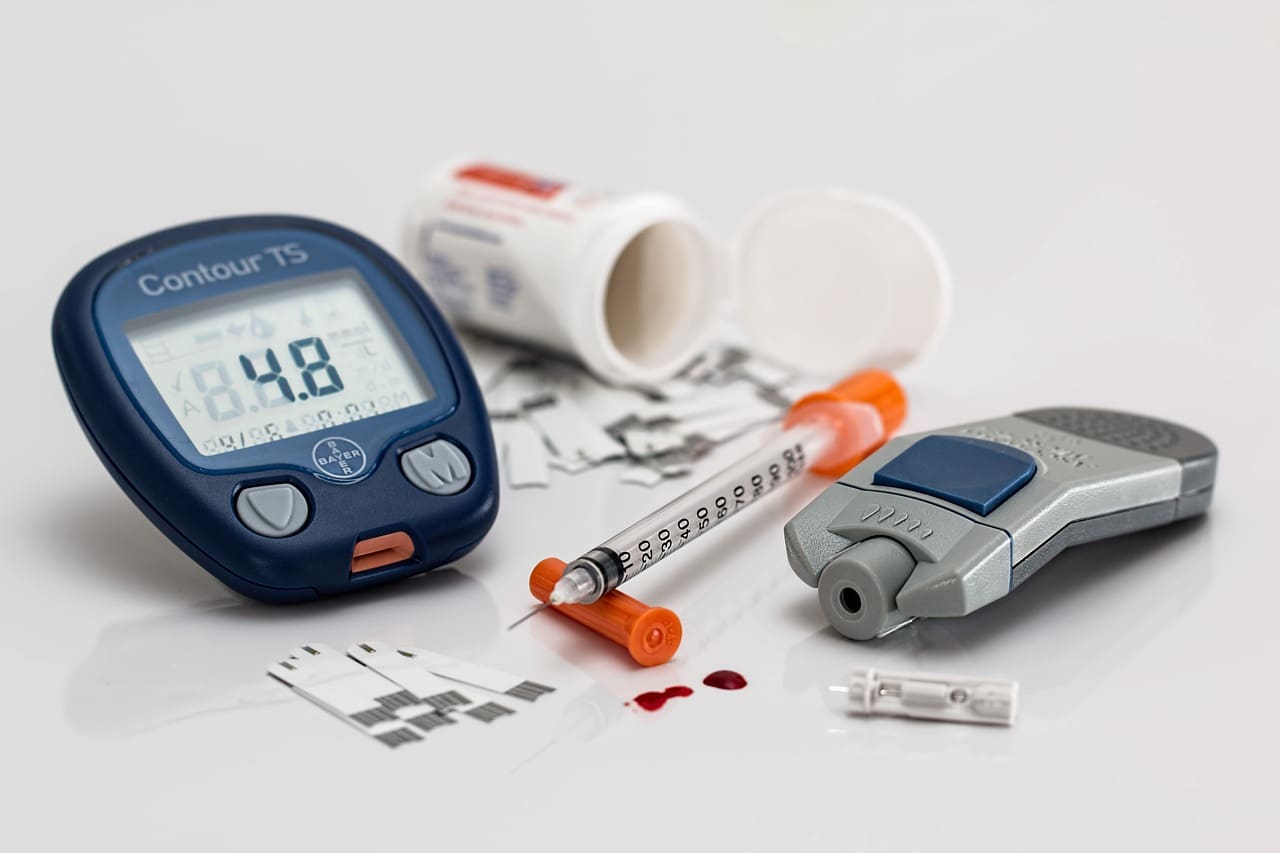
Welcome to a comprehensive guide on the best ways to manage chronic conditions for overall wellness!
Dealing with chronic conditions can be frustrating and challenging, but there are various strategies you can implement to ensure you are taking care of your health and well-being effectively. In this article, we will explore different approaches and techniques that can help you manage your chronic conditions successfully. Let’s dive in!
Understanding Chronic Conditions
Let’s start by defining what chronic conditions are and how they can impact your daily life.
Chronic conditions are long-lasting health issues that can significantly affect your quality of life. These conditions require ongoing management and treatment to prevent complications and maintain your overall well-being. Common chronic conditions include diabetes, asthma, arthritis, and heart disease. Understanding the nature of these conditions is crucial in developing an effective management plan.
Developing a Personalized Management Plan
The key to managing chronic conditions successfully is creating a personalized management plan that suits your individual needs.
Your management plan should take into account your specific condition, lifestyle, preferences, and goals. It should include strategies for medication management, lifestyle modifications, regular monitoring, and working closely with healthcare professionals. By tailoring your plan to your unique circumstances, you can achieve better outcomes and improve your quality of life.
Medication Management
Proper medication management is essential for effectively managing chronic conditions and preventing complications.
It is crucial to take your medications as prescribed by your healthcare provider and to adhere to the recommended dosage and schedule. Make sure to communicate any side effects or concerns with your healthcare team to ensure that your medications are working optimally. Keeping track of your medications, refills, and appointments can help you stay organized and on top of your treatment plan.
Lifestyle Modifications

Adopting healthy lifestyle habits can significantly improve your overall wellness and help manage chronic conditions effectively.
Eating a nutritious diet, engaging in regular physical activity, getting an adequate amount of sleep, and managing stress are all important factors in maintaining your health. By making positive lifestyle changes, you can reduce the risk of complications associated with chronic conditions and improve your quality of life. Small changes can make a big difference in your well-being.
Regular Monitoring
Regular monitoring of your condition is crucial for tracking progress, identifying potential issues, and making necessary adjustments to your management plan.
This includes monitoring your symptoms, vital signs, blood sugar levels, or any other relevant indicators of your condition. Keeping a journal or using apps to track your progress can help you and your healthcare team make informed decisions about your treatment. Regular check-ups and screenings are also essential for staying on top of your health.
Working with Healthcare Professionals
Collaborating with a team of healthcare professionals is key to effectively managing chronic conditions and achieving optimal outcomes.
Your healthcare team may include primary care physicians, specialists, nurses, dietitians, physical therapists, and other providers who can offer support and guidance in managing your condition. Establishing open communication, asking questions, and seeking clarification can help you better understand your condition and treatment options.
Implementing Self-Care Practices
Self-care practices play a vital role in managing chronic conditions and promoting overall wellness.
Practicing self-care involves taking time to prioritize your physical, emotional, and mental well-being. This can include engaging in activities you enjoy, setting boundaries, practicing relaxation techniques, and seeking social support. By incorporating self-care into your routine, you can reduce stress, improve your mood, and enhance your quality of life.
Exploring Complementary Therapies
Complementary therapies can complement traditional medical treatments and offer additional benefits for managing chronic conditions.
These therapies may include acupuncture, massage therapy, yoga, meditation, and nutritional supplements. While not intended to replace conventional treatments, complementary therapies can support your overall well-being and help alleviate symptoms associated with chronic conditions. Consult with your healthcare provider before trying any new therapies to ensure they are safe and appropriate for you.
Building a Strong Support System
Having a strong support system can make a significant difference in managing chronic conditions and maintaining your wellness.
Friends, family members, support groups, and online communities can provide emotional support, practical assistance, and valuable resources to help you cope with the challenges of living with a chronic condition. Connecting with others who understand your experiences can help you feel less isolated and more empowered to navigate your health journey.
Celebrating Small Wins
Celebrating small wins along your health journey can boost your motivation, confidence, and resilience in managing chronic conditions.
Recognize and celebrate the progress you make, no matter how small it may seem. Whether it’s sticking to your medication schedule, achieving a health goal, or overcoming a challenge, acknowledging your accomplishments can help you stay motivated and committed to your wellness goals. Remember, every step forward is a step in the right direction.
Incorporating Mindfulness Practices
Mindfulness practices, such as meditation, deep breathing, and mindfulness-based stress reduction, can help you manage stress, anxiety, and pain associated with chronic conditions.
By cultivating awareness of the present moment and practicing mindfulness techniques, you can reduce negative emotions, improve your mental clarity, and enhance your overall well-being. Mindfulness can also help you develop coping strategies and resilience in the face of challenges related to your condition.
Staying Informed and Empowered
Educating yourself about your condition, treatment options, and self-care practices is empowering and essential for effectively managing chronic conditions.
Stay informed by asking questions, doing research, attending educational workshops, and seeking guidance from reputable sources. By becoming knowledgeable about your health, you can actively participate in your care, make informed decisions, and advocate for your well-being. Knowledge is power when it comes to managing chronic conditions.
Taking Time for Rest and Recovery
Prioritizing rest and recovery is essential for managing chronic conditions and supporting your overall wellness.
Listen to your body, and give yourself permission to rest when needed. Engaging in relaxation techniques, practicing good sleep hygiene, and setting healthy boundaries can help you recharge and rejuvenate your mind, body, and spirit. Remember that rest is not a luxury but a necessity for maintaining your health and well-being.
Seeking Professional Guidance When Needed
When managing chronic conditions becomes overwhelming or challenging, it’s important to seek professional guidance and support.
Therapists, counselors, social workers, and other mental health professionals can offer valuable support in coping with the emotional and psychological aspects of living with a chronic condition. Don’t hesitate to reach out for help when needed, as seeking professional guidance is a sign of strength and self-care.
Embracing a Positive Mindset
Cultivating a positive mindset can make a significant difference in how you approach managing chronic conditions and facing the ups and downs of your health journey.
Practice gratitude, optimism, resilience, and self-compassion to navigate the challenges with a hopeful and resilient attitude. Your mindset can influence your perceptions, emotions, and actions, ultimately shaping your experience of living with a chronic condition. Remember that you are capable, resilient, and deserving of wellness.
Conclusion
In conclusion, managing chronic conditions for wellness is a multifaceted and ongoing process that requires dedication, patience, and persistence.
By implementing the best ways to manage chronic conditions outlined in this guide, you can take control of your health, improve your quality of life, and promote overall wellness. Remember to prioritize self-care, seek support when needed, and celebrate your progress along the way. You have the power to manage your chronic conditions effectively and live a fulfilling and vibrant life. Stay committed to your well-being, and embrace the journey with hope, resilience, and self-compassion. You’ve got this!