

Did you know that healthcare policy plays a significant role in shaping the lives of the homeless population and their overall health? In this article, we will explore the intricate relationship between healthcare policy and homelessness, and how certain policies can either exacerbate or alleviate the health challenges faced by those without stable housing. From access to healthcare services to the availability of affordable housing options, understanding the impact of healthcare policy is crucial in addressing and ultimately reducing homelessness and improving the health outcomes of this vulnerable population.
Background on Homelessness and Health
Overview of homelessness
Homelessness is a complex social issue that affects individuals and communities worldwide. It is characterized by the lack of stable, safe, and adequate housing, which exposes individuals to numerous risks and challenges. While the extent of homelessness varies across regions, it is a problem that has significant implications for health and well-being.
Health issues faced by homeless individuals
Homeless individuals often experience a wide range of health issues due to their living conditions and the challenges they face. They are more likely to suffer from chronic illnesses, mental health disorders, substance abuse, and infectious diseases compared to the general population. Additionally, living on the streets or in temporary shelters exposes them to harsh weather conditions, violence, and limited access to basic amenities, further complicating their health conditions.
Importance of Healthcare Policy
Access to healthcare
Access to healthcare is a fundamental right that everyone should be able to enjoy, regardless of their socioeconomic status. Healthcare policy plays a crucial role in ensuring that homeless individuals have access to essential medical services and are not denied care due to their housing status.
Addressing social determinants of health
Healthcare policy can also address the social determinants of health that contribute to homelessness, such as poverty, lack of affordable housing, and unemployment. By addressing these underlying factors, healthcare policy can create lasting solutions that improve both the health of individuals experiencing homelessness and the overall well-being of communities.

Current Healthcare Policy
Overview of current healthcare policy
Current healthcare policy varies across different regions and countries. Some nations have universal healthcare systems that aim to provide comprehensive care to all residents, including homeless individuals. However, many countries still face significant gaps in healthcare coverage for this vulnerable population, leading to disparities in access and quality of care.
Implications for homelessness and health
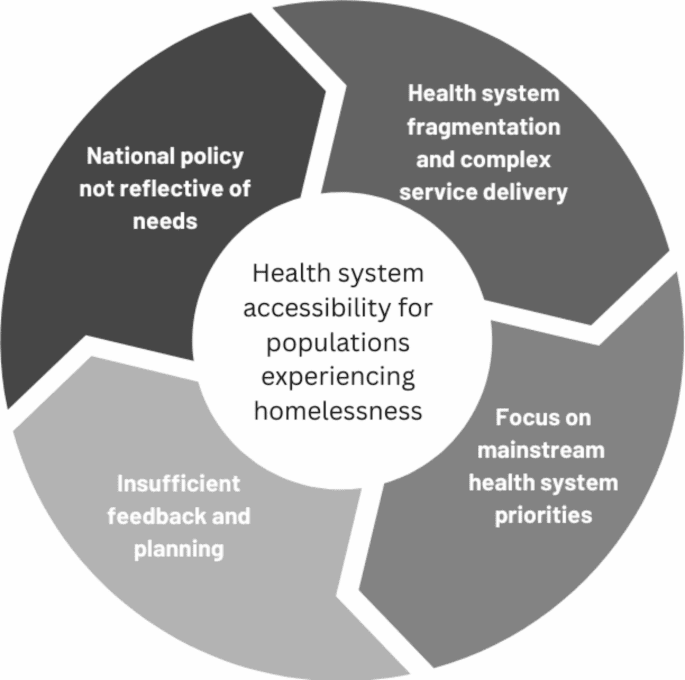
The implications of current healthcare policy on homelessness and health are far-reaching. Limited access to healthcare services and the absence of targeted interventions for homeless individuals contribute to increased healthcare disparities and poorer health outcomes. These challenges not only affect the well-being of homeless individuals but also strain healthcare systems and lead to higher healthcare costs in the long run.
Barriers to Healthcare for Homeless Individuals
Lack of insurance
One of the major barriers to healthcare for homeless individuals is the lack of insurance coverage. Without insurance, many homeless individuals are unable to afford necessary medical treatments, preventive care, or medications. This can result in delayed or inadequate healthcare, exacerbating their health conditions and increasing the likelihood of costly emergency room visits.
Stigma and discrimination
Homeless individuals often face stigma and discrimination from healthcare providers, which further prevents them from seeking and receiving appropriate care. Negative attitudes and assumptions about homelessness can create barriers to accessing healthcare services, leading to missed opportunities for timely interventions and support for their health needs.
Limited access to healthcare facilities
Homeless individuals may struggle to access healthcare facilities due to various reasons, such as limited transportation options, geographical barriers, or lack of awareness about available services. The absence of healthcare facilities specifically tailored to the needs of homeless individuals further exacerbates these barriers, making it difficult for them to navigate the healthcare system and access the care they require.

Healthcare Policy Interventions
Expanding Medicaid
Expanding Medicaid can have a significant impact on improving healthcare access for homeless individuals. Medicaid expansion would provide coverage to low-income adults, including many homeless individuals who currently fall into the coverage gap. Enhanced access to healthcare services would enable early intervention, better management of chronic conditions, and improved overall health outcomes for this vulnerable population.
Increasing funding for community health centers
Increasing funding for community health centers can also enhance healthcare access for homeless individuals. Community health centers often serve as a critical source of comprehensive, affordable healthcare services, which can address the unique needs of homeless populations. Additional funding would enable these centers to expand their capacity, provide specialized services, and establish outreach programs to reach and engage homeless individuals.
Mobile healthcare units for homeless populations
Mobile healthcare units can bridge the gap in healthcare access for homeless individuals by bringing medical services directly to them. These units can offer a range of services, including primary care, mental health support, substance abuse counseling, and preventive care. By delivering culturally sensitive care in locations accessible to homeless populations, mobile healthcare units can improve their healthcare outcomes and contribute to the reduction of health disparities.
Collaboration between Healthcare and Homelessness Sectors
Partnerships between healthcare providers and homeless shelters
Partnerships between healthcare providers and homeless shelters can enhance healthcare access and improve health outcomes for homeless individuals. By establishing on-site healthcare services or co-locating healthcare providers within shelters, homeless individuals can receive immediate and comprehensive care when they need it most. These partnerships can also facilitate the coordination of services and promote continuity of care, ensuring that homeless individuals receive ongoing support beyond the shelter environment.
Integrated care models
Integrated care models that address both the healthcare and social needs of homeless individuals can yield significant positive outcomes. These models involve collaboration between healthcare providers, social service agencies, housing providers, and community organizations to provide holistic care and support. By addressing the multifaceted needs of homeless individuals, integrated care models can lead to more effective and sustainable solutions in preventing and reducing homelessness while improving health outcomes.
Case Studies
Successful healthcare initiatives for homeless populations
Across the globe, there have been successful healthcare initiatives targeted towards homeless populations. For example, the Housing First approach, implemented in countries like Finland and Canada, provides homeless individuals with immediate access to stable housing and wraparound support services, including healthcare. This comprehensive approach has demonstrated substantial improvements in health outcomes and housing stability, highlighting the importance of addressing housing as a determinant of health.
Challenges faced in implementing healthcare policies
Implementing healthcare policies for homeless populations is not without its challenges. Limited funding, bureaucratic hurdles, and resistance to change can impede the implementation and sustainability of effective interventions. Additionally, the complex needs of homeless individuals require a coordinated and multi-faceted approach that involves collaboration between various sectors, which can be challenging to achieve.
Impact on Health Outcomes
Improvements in access to healthcare
Effective healthcare policies targeted at homeless populations can lead to significant improvements in access to healthcare services. By removing the financial barriers and addressing the specific needs of this population, homeless individuals can access preventive care, receive timely treatment, and actively engage in their own healthcare management. This can result in improved health outcomes, reduced hospitalizations, and increased overall well-being.
Reduction in health disparities
Healthcare policies tailored to homeless populations can play a vital role in reducing health disparities. By ensuring equitable access to healthcare and addressing the underlying social determinants of health, such policies can help bridge the gap between homeless individuals and the general population. This can lead to more equitable health outcomes, reducing the disproportionate burden of poor health experienced by homeless individuals.

Economic Considerations
Cost-effectiveness of healthcare policy interventions
Healthcare policy interventions targeted at homeless populations can also be cost-effective in the long run. By providing preventive care, managing chronic conditions, and addressing mental health and substance abuse issues, these interventions can reduce the overall cost burden on healthcare systems. Early interventions and appropriate care can prevent costly emergency room visits and hospitalizations, leading to significant cost savings in the healthcare sector.
Savings in emergency care and hospitalizations
By improving access to timely and appropriate healthcare, healthcare policies for homeless populations can reduce the reliance on expensive emergency care and hospitalizations. Homeless individuals often turn to emergency rooms for their primary healthcare needs, which is costly and contributes to overcrowding. By implementing policies that enhance primary care and preventive services, healthcare resources can be utilized more efficiently, resulting in financial savings for both the healthcare system and society.
Policy Recommendations
Holistic approach to healthcare policy
A holistic approach to healthcare policy is necessary to address the complex needs of homeless individuals. This approach should consider not only healthcare access but also housing, employment, education, and other social determinants of health. By integrating healthcare policies with interventions that target the root causes of homelessness, sustainable solutions can be achieved, leading to improved health outcomes and greater overall well-being.
Addressing housing as a determinant of health
Healthcare policy must recognize and address housing as a fundamental determinant of health for homeless populations. Adequate, safe, and affordable housing is a key factor in preventing and alleviating homelessness. By investing in affordable housing initiatives, implementing rent control measures, and ensuring a range of housing options, healthcare policy can effectively address the housing needs of homeless individuals and improve their health outcomes.
In conclusion, healthcare policy plays a critical role in addressing the health needs of homeless individuals. By improving access to healthcare, addressing social determinants of health, and implementing targeted interventions, healthcare policy can make a significant positive impact on the health and well-being of homeless populations. Collaborative efforts, holistic approaches, and addressing housing as a determinant of health are crucial steps towards achieving lasting solutions and reducing health disparities among homeless individuals.
