
Welcome to the fascinating world of healthcare policy and its impact on social determinants of health! In this article, you will explore how healthcare policies can play a crucial role in addressing the social factors that influence our health outcomes. From access to quality care to the promotion of healthy lifestyles, these policies have the power to improve the overall well-being of individuals and communities. Join us as we delve into the intricate connections between healthcare policy and social determinants of health, and discover how they work together to create a healthier and more equitable society. Have you ever wondered how healthcare policy influences the social determinants of health? Understanding the connection between the two is crucial for creating a healthier society. In this article, we will explore the impact of healthcare policy on social determinants of health and how it shapes the well-being of individuals and communities. Let’s dive in!
The Basics of Healthcare Policy
Healthcare policy refers to a set of rules, regulations, laws, and guidelines that govern the delivery of healthcare services. These policies are designed to ensure access to affordable, high-quality healthcare for all individuals. The goal of healthcare policy is to improve the overall health outcomes of the population and reduce health disparities.
Healthcare policy is influenced by a variety of factors, including political ideologies, economic considerations, public opinion, and advancements in medical technology. It is often shaped by government agencies, healthcare providers, insurance companies, advocacy groups, and other stakeholders in the healthcare industry.
In the United States, healthcare policy is a complex and contentious issue. There are ongoing debates about the best way to provide healthcare to all Americans, with different political parties advocating for different approaches. Despite these challenges, healthcare policy plays a critical role in shaping the social determinants of health.
Key Elements of Healthcare Policy
Healthcare policy encompasses a wide range of issues, including access to care, quality of care, cost of care, and patient rights. Some key elements of healthcare policy include:
-
Health Insurance: Health insurance coverage is a fundamental aspect of healthcare policy. It determines who has access to healthcare services and how much they will have to pay for care. Without insurance, individuals may forgo necessary medical treatment due to cost concerns, leading to worse health outcomes.
-
Healthcare Delivery: Healthcare policy also governs how healthcare services are delivered and by whom. This includes regulations on healthcare providers, hospitals, clinics, and other healthcare facilities. The goal is to ensure that patients receive safe, effective, and coordinated care.
-
Healthcare Financing: Healthcare policy addresses how healthcare services are financed, including government programs like Medicare and Medicaid, employer-sponsored health insurance plans, and individual insurance coverage. The goal is to make healthcare affordable and accessible to all individuals, regardless of their income level.
-
Healthcare Quality: Healthcare policy aims to improve the quality of healthcare services by setting standards for safety, effectiveness, and patient experience. This includes measures to reduce medical errors, prevent unnecessary hospital readmissions, and promote evidence-based practices.

How Healthcare Policy Impacts Social Determinants of Health
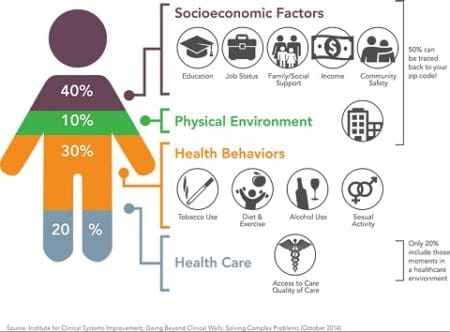
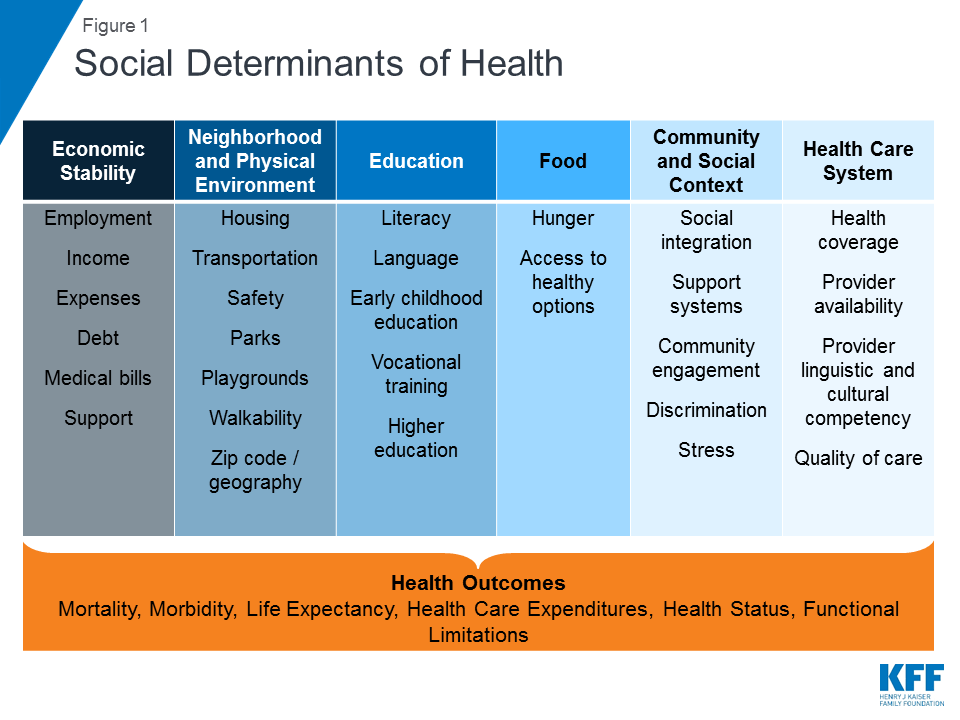
The social determinants of health are the social, economic, and environmental factors that influence individual and population health outcomes. These determinants include factors like income, education, housing, employment, and access to healthcare services. Healthcare policy plays a critical role in shaping these social determinants and ultimately impacting the overall health of communities.
-
Access to Care: Healthcare policy determines who has access to healthcare services and under what conditions. Individuals without health insurance or with limited insurance coverage may face barriers to accessing care, leading to delayed diagnosis, untreated conditions, and poorer health outcomes. By expanding access to affordable healthcare services, healthcare policy can improve the health of individuals and communities.
-
Cost of Care: Healthcare policy also influences the cost of healthcare services and medications. High healthcare costs can be a significant barrier to care, especially for low-income individuals and families. Healthcare policy initiatives, such as subsidies for insurance premiums and prescription drugs, can help make healthcare more affordable and reduce disparities in health outcomes.
-
Quality of Care: Healthcare policy shapes the quality of healthcare services by establishing standards for patient safety, clinical effectiveness, and patient-centered care. By promoting evidence-based practices and quality improvement initiatives, healthcare policy can help ensure that patients receive high-quality care that meets their needs and preferences.
-
Preventive Care: Healthcare policy also emphasizes preventive care and early intervention to improve health outcomes and reduce the burden of chronic diseases. Policies like immunization programs, cancer screenings, and nutrition education can help individuals stay healthy and prevent the onset of serious health conditions.

The Role of Government in Healthcare Policy
The government plays a central role in shaping healthcare policy and addressing social determinants of health. At the federal, state, and local levels, government agencies develop and implement policies that regulate the healthcare industry, protect patient rights, and promote public health. Some key functions of government in healthcare policy include:
-
Regulation: Governments regulate healthcare providers, insurance companies, pharmaceutical companies, and other stakeholders in the healthcare industry to ensure that patients receive safe, effective, and high-quality care. Regulations cover a wide range of issues, including licensing, accreditation, quality reporting, and fraud prevention.
-
Funding: Governments fund healthcare programs and services through a variety of mechanisms, including taxes, fees, and grants. Government-funded programs like Medicare, Medicaid, and the Children’s Health Insurance Program (CHIP) provide access to healthcare services for vulnerable populations who may not have insurance coverage.
-
Public Health: Governments have a mandate to protect and promote public health by addressing social determinants of health, preventing disease outbreaks, and promoting healthy behaviors. Public health initiatives like smoking cessation programs, obesity prevention campaigns, and substance abuse treatment are essential components of healthcare policy.
-
Health Equity: Governments play a crucial role in advancing health equity by addressing disparities in health outcomes and improving access to care for underserved populations. Policies that promote health equity include initiatives to reduce racial and ethnic disparities, expand healthcare coverage for low-income individuals, and increase access to mental health services.

The Impact of Healthcare Policy on Vulnerable Populations
Vulnerable populations, including low-income individuals, racial and ethnic minorities, LGBTQ individuals, and individuals with disabilities, are disproportionately affected by social determinants of health. Healthcare policy plays an important role in addressing the unique needs of these populations and reducing health disparities.
-
Low-Income Individuals: Low-income individuals are more likely to face barriers to accessing healthcare services, such as lack of insurance coverage, limited transportation, and language barriers. Healthcare policy initiatives like Medicaid expansion, safety-net clinics, and community health centers help ensure that low-income individuals receive the care they need to stay healthy.
-
Racial and Ethnic Minorities: Racial and ethnic minorities experience higher rates of chronic diseases, lower life expectancy, and poorer health outcomes compared to the general population. Healthcare policy efforts to address health disparities among racial and ethnic minorities include cultural competency training for healthcare providers, patient navigation services, and community health outreach programs.
-
LGBTQ Individuals: LGBTQ individuals face unique health challenges, including higher rates of mental health disorders, substance abuse, and HIV/AIDS. Healthcare policy initiatives to improve the health of LGBTQ individuals include nondiscrimination laws, inclusive healthcare services, and LGBTQ health research programs.
-
Individuals with Disabilities: Individuals with disabilities often experience barriers to accessing healthcare services, such as lack of accessible facilities, limited provider training, and communication challenges. Healthcare policy efforts to address the healthcare needs of individuals with disabilities include disability rights laws, Medicaid home and community-based services, and assistive technology programs.
Strategies for Improving Healthcare Policy and Social Determinants of Health
Improving healthcare policy and addressing social determinants of health require a multi-faceted approach that involves government agencies, healthcare providers, community organizations, advocacy groups, and individuals. Some key strategies for promoting health equity and improving health outcomes include:
-
Advocacy: Advocacy efforts play a crucial role in shaping healthcare policy and addressing social determinants of health. Individuals and organizations can advocate for policies that reduce health disparities, increase access to care, and promote health equity for all populations.
-
Collaboration: Collaboration among stakeholders in the healthcare industry is essential for developing effective healthcare policies and programs. By working together, government agencies, healthcare providers, insurers, community organizations, and advocacy groups can leverage their expertise and resources to improve health outcomes.
-
Education: Education is a powerful tool for empowering individuals to take control of their health and make informed decisions about healthcare services. Healthcare policy initiatives that promote health literacy, patient engagement, and self-management can help individuals navigate the healthcare system and achieve better health outcomes.
-
Research: Research plays a critical role in informing healthcare policy decisions and evaluating the impact of policies on health outcomes. By conducting studies on social determinants of health, health disparities, and healthcare interventions, researchers can generate evidence to guide policy development and implementation.
Conclusion
In conclusion, healthcare policy plays a significant role in shaping the social determinants of health and ultimately impacting the well-being of individuals and communities. By addressing issues like access to care, cost of care, quality of care, and health equity, healthcare policy can help create a healthier and more equitable society.
As we continue to navigate the complexities of healthcare policy and social determinants of health, it is essential to prioritize health equity, promote preventive care, and address the unique needs of vulnerable populations. By working together to advocate for policies that improve access to care, reduce health disparities, and promote public health, we can create a healthcare system that meets the needs of all individuals and fosters a culture of health and well-being.