
Did you know that the health of your pelvic area is crucial for your overall well-being as a woman? From menstrual cycles to childbirth, the pelvic region plays a vital role in various aspects of a woman’s life. In this article, we will explore the importance of pelvic health for women and how taking care of this area can positively impact your physical and emotional health. So, let’s dive into why pelvic health should be a priority for every woman.
Understanding the Pelvic Region
The pelvic region is a crucial part of a woman’s anatomy and plays a significant role in her overall health and well-being. Understanding the anatomy and functions of this region is essential for maintaining proper pelvic health.
Anatomy of the Pelvic Region
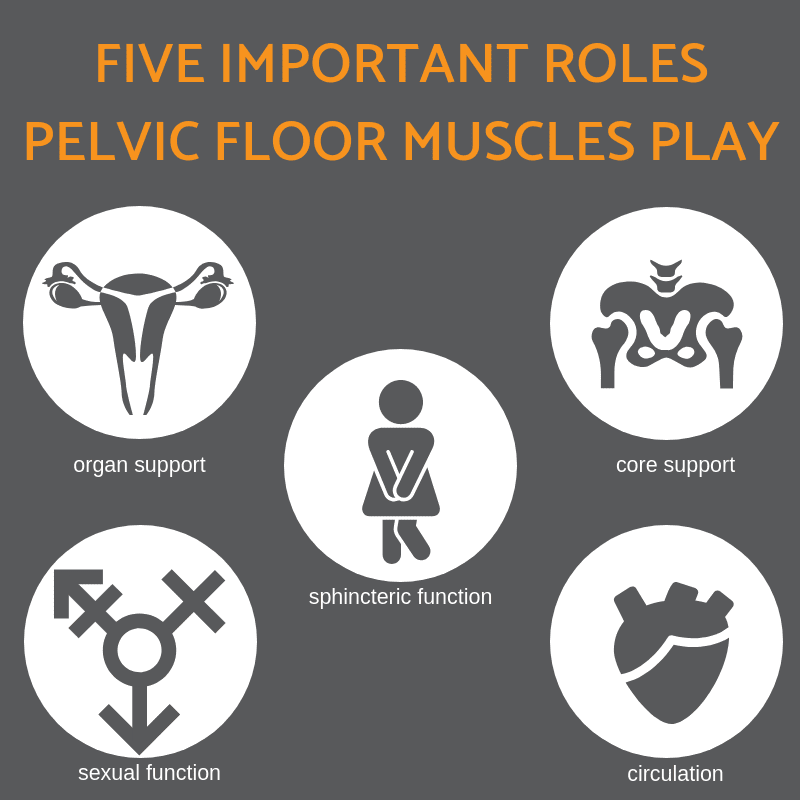
The pelvic region refers to the area between the hips and encompasses various organs, muscles, and bones. It includes the uterus, ovaries, fallopian tubes, bladder, rectum, as well as the pelvic floor muscles and the pelvic bones. These structures work together to support the reproductive system, urinary system, and digestive system.
Functions of the Pelvic Region
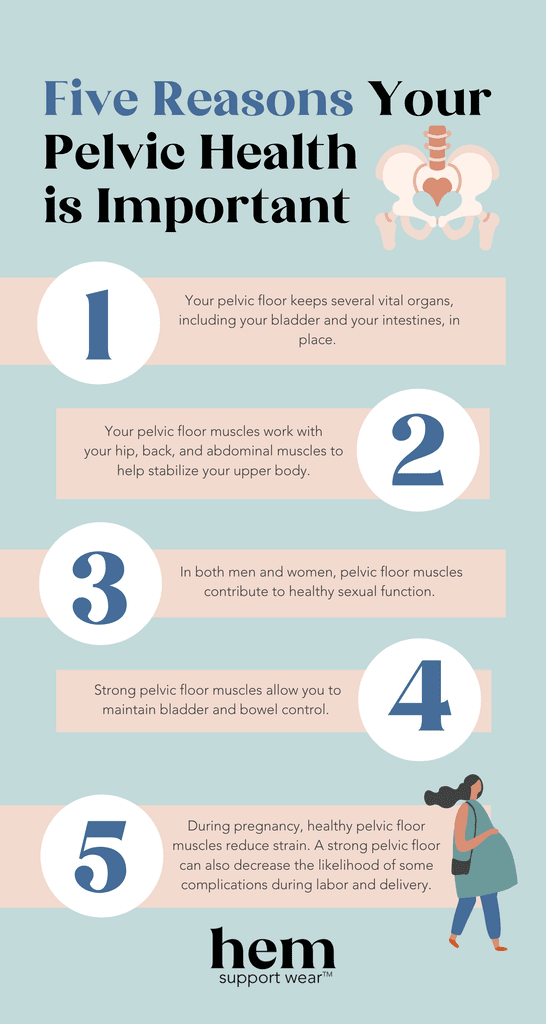
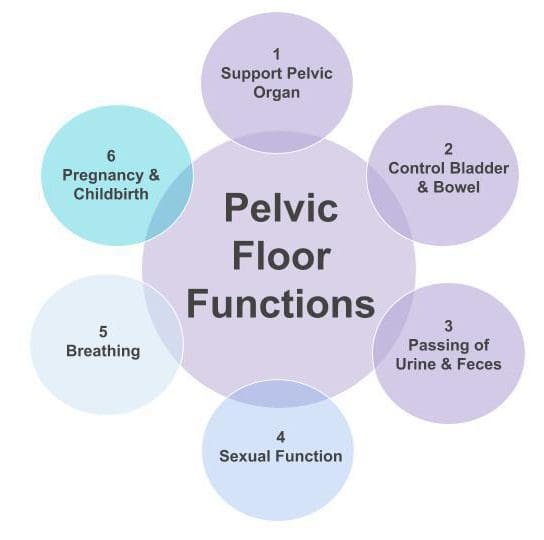
The pelvic region serves several important functions that are vital for a woman’s physical and emotional well-being. It supports the reproductive organs, allowing for conception and pregnancy. It also plays a role in bowel and bladder control, as well as sexual function. Moreover, the pelvic region helps maintain stability and posture, allowing for proper movement and balance.
Common Pelvic Health Issues
Many women experience pelvic health issues at some point in their lives. Understanding these common issues is essential for timely intervention and treatment.
Urinary Incontinence
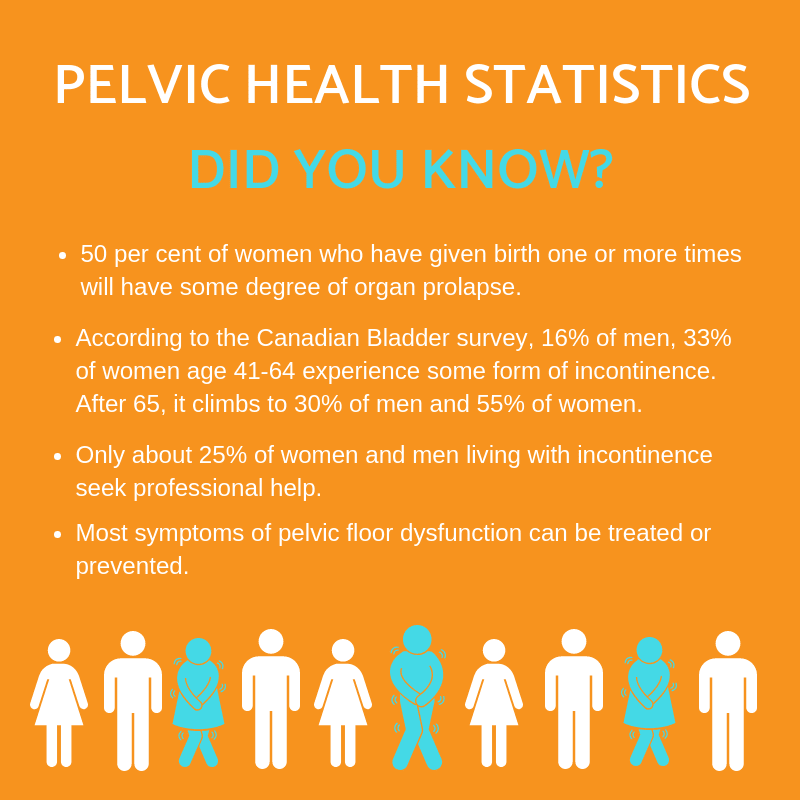
Urinary incontinence is a common pelvic health issue that involves the loss of bladder control. It can manifest as involuntary leakage of urine, especially when coughing, laughing, or sneezing. This condition can be embarrassing and significantly impact a woman’s quality of life.
Pelvic Organ Prolapse
Pelvic organ prolapse occurs when the pelvic organs, such as the uterus or bladder, descend into the vaginal canal due to weakened pelvic muscles and ligaments. This can cause discomfort, pressure, and in severe cases, the organs may protrude outside the body.
Pelvic Pain
Pelvic pain is a broad term that encompasses various discomforts or pain in the pelvic region. It can range from mild and intermittent to severe and chronic. Pelvic pain may be caused by conditions such as endometriosis, pelvic inflammatory disease, or interstitial cystitis, and can significantly impact a woman’s daily life.
Sexual Dysfunction
Sexual dysfunction refers to difficulties or discomfort experienced during sexual activity or intercourse. It can include conditions such as low libido, pain during intercourse (dyspareunia), or difficulty reaching orgasm. Sexual dysfunction can have a profound impact on a woman’s intimate relationships and overall well-being.
Factors that Affect Pelvic Health
Several factors can affect the health of the pelvic region. Understanding these factors can help in preventing the occurrence of pelvic health issues and promoting overall well-being.
Pregnancy and Childbirth
Pregnancy and childbirth can put significant stress on the pelvic floor muscles and ligaments. The weight of the growing uterus and the process of giving birth can weaken these muscles, leading to pelvic floor disorders such as urinary incontinence and pelvic organ prolapse.
Obesity
Excess weight can place added pressure on the pelvic region, leading to a higher risk of pelvic floor disorders. Obesity is associated with a higher incidence of urinary incontinence, as well as an increased risk of developing pelvic pain and sexual dysfunction.
Menopause
During menopause, a woman’s estrogen levels decrease, which can lead to vaginal dryness, thinning of the vaginal walls (vaginal atrophy), and weakened pelvic muscles. These changes can contribute to urinary incontinence, pelvic organ prolapse, and sexual dysfunction.
Chronic Constipation
Chronic constipation can cause excessive straining during bowel movements, which can put strain on the pelvic floor muscles. Over time, this can weaken the muscles and contribute to pelvic floor disorders.
Heavy Lifting
Engaging in repetitive heavy lifting or activities that strain the pelvic muscles can increase the risk of pelvic organ prolapse and other pelvic floor disorders. It is important to practice proper lifting techniques and avoid excessive strain on the pelvic region.
The Importance of Pelvic Health
Maintaining pelvic health is vital for a woman’s overall well-being and quality of life. It encompasses various aspects, from physical health to sexual satisfaction and emotional well-being.
Maintaining Quality of Life
A healthy pelvic region is essential for maintaining normal bowel and bladder function, allowing for freedom of movement and daily activities without discomfort or pain. By taking care of the pelvic region, women can enjoy an improved quality of life and engage in activities without the fear or discomfort of pelvic health issues.
Preventing Health Complications
Neglecting pelvic health can lead to various complications, including urinary tract infections, bladder and bowel control problems, and the development of pelvic floor disorders. By actively taking preventive measures and seeking timely medical intervention, these complications can be minimized or even prevented.
Improving Sexual Function and Satisfaction
A healthy pelvic region plays a crucial role in sexual function and satisfaction. By maintaining pelvic health, women can experience improved lubrication, muscle tone, and overall sexual well-being. This can enhance intimacy and strengthen relationships.
Enhancing Overall Well-being
Pelvic health is closely connected to a woman’s overall well-being. By taking care of the pelvic region, she can feel more confident, comfortable, and in tune with her body. Proper pelvic health contributes to overall physical and emotional wellness.
Preventive Measures for Pelvic Health
Taking proactive steps towards maintaining pelvic health can significantly reduce the risk of pelvic health issues. These preventive measures are simple yet effective strategies that any woman can incorporate into her daily routine.
Kegel Exercises
Kegel exercises, named after Dr. Arnold Kegel, are pelvic floor muscle exercises that help strengthen the muscles supporting the pelvic organs. Regularly practicing Kegel exercises can help prevent urinary incontinence, pelvic organ prolapse, and other pelvic floor disorders.
Maintaining a Healthy Weight
Maintaining a healthy weight through a balanced diet and regular exercise can reduce the risk of pelvic health issues associated with obesity. By keeping excess weight off the pelvic region, women can alleviate strain on the pelvic floor muscles and lower the likelihood of developing complications.
Adequate Hydration
Drinking an adequate amount of water is essential for overall health, including pelvic health. Proper hydration promotes regular bowel movements, reducing the risk of constipation and strain on the pelvic muscles.
Balanced Diet
A balanced diet that includes a variety of nutrients is important for overall health and can contribute to pelvic health. Consuming fiber-rich foods such as fruits, vegetables, and whole grains can promote regular bowel movements and prevent constipation.
Regular Physical Activity
Engaging in regular physical activity is essential for maintaining overall health, including pelvic health. Exercises such as walking, swimming, and yoga can enhance blood circulation, promote muscle strength, and support the pelvic region.
Seeking Professional Help
Regular check-ups with a healthcare provider specializing in women’s health is crucial for maintaining pelvic health. These professionals can provide guidance, diagnose potential issues, and offer appropriate treatment options.
Importance of Regular Check-ups
Regular check-ups allow healthcare providers to monitor pelvic health, detect any abnormalities or early signs of pelvic health issues, and provide effective preventive care. Routine examinations and screenings help identify and address any concerns before they progress.
Choosing the Right Healthcare Provider
When seeking professional help for pelvic health issues, it is important to choose the right healthcare provider. Consulting a gynecologist, urogynecologist, or pelvic floor physical therapist who specializes in women’s health can ensure accurate diagnosis and appropriate treatment options.
When to Seek Medical Advice
It is crucial to seek medical advice if experiencing any concerning symptoms related to pelvic health. Symptoms such as urinary incontinence, chronic pelvic pain, or sexual dysfunction should not be ignored, as they may be indicative of underlying pelvic health issues that require treatment.
Pelvic Health and Mental Well-being
Pelvic health issues can have a significant emotional impact on women. Addressing mental well-being alongside pelvic health is essential for overall wellness.
The Emotional Impact of Pelvic Health Issues
Pelvic health issues can cause feelings of embarrassment, shame, frustration, and a negative body image. They can also lead to anxiety, depression, and a decreased overall quality of life. Recognizing and addressing the emotional impact is crucial for holistic healing.
Supportive Resources and Community
Supportive resources and communities can provide women with a safe space to share their experiences, seek advice, and find emotional support. Online forums, support groups, and educational websites dedicated to pelvic health can offer valuable information and connect women with others going through similar experiences.
Embracing Self-care Practices
Engaging in self-care practices can promote mental well-being and aid in the healing process. Practicing relaxation techniques, nurturing positive body image, and seeking professional therapy or counseling can help women cope with the emotional challenges associated with pelvic health issues.
Breaking the Taboo
Openly discussing pelvic health is essential to breaking the taboo and reducing the stigma and shame surrounding these topics.
Promoting Open Conversations about Pelvic Health
Encouraging open conversations about pelvic health enables women to share their experiences, seek advice, and educate others. Normalizing these conversations can help women feel empowered and supported in their journey towards pelvic health.
Educating Women and Girls
Education plays a vital role in promoting pelvic health. Providing comprehensive and age-appropriate information about pelvic health to women and girls can help prevent the occurrence of pelvic health issues and promote early detection and treatment.
Reducing Stigma and Shame
Society often attaches stigma and shame to issues related to the pelvic region. By fostering a supportive and inclusive environment, we can reduce the stigma associated with pelvic health issues, allowing women to seek help without fear or judgment.
Conclusion
Understanding and prioritizing pelvic health is essential for women’s overall well-being. By taking preventive measures, seeking timely medical advice, and embracing open conversations, women can maintain optimal pelvic health, improve their quality of life, and break the taboo surrounding pelvic health. Remember, your pelvic health matters – take care of yourself and seek help when needed.