
Welcome to an article that highlights the crucial role that regular gynecological exams play in maintaining your overall health and well-being. These exams are not just about reproductive health; they also serve as important preventive measures for detecting any potential issues early on. By prioritizing regular visits to your gynecologist, you are taking a proactive step towards safeguarding your health and ensuring that you receive the necessary care and support for any gynecological concerns. So, let’s dive into why these exams are so vital and how they can benefit you in the long run.
Have You Scheduled Your Regular Gynecological Exam?
Hey there! Have you thought about when was the last time you had a gynecological exam? Regular visits to your gynecologist are crucial for maintaining your reproductive health and overall well-being. In this article, we will delve into the importance of regular gynecological exams and why they should be a priority in your healthcare routine. So, let’s get started!
Why Are Regular Gynecological Exams Important?
Regular gynecological exams are essential for detecting any potential health issues early on, which can lead to better treatment outcomes and improved prognosis. These exams also provide an opportunity for you to discuss any concerns or symptoms you may be experiencing with your healthcare provider. By attending these exams, you are taking proactive steps towards maintaining your reproductive health and overall well-being.
What Happens During a Gynecological Exam?
During a gynecological exam, your healthcare provider will perform a series of tests and procedures to assess your reproductive health. This may include a pelvic exam, Pap smear, breast exam, and other screenings based on your age and medical history. The pelvic exam involves your healthcare provider examining your reproductive organs for any abnormalities, while a Pap smear is performed to screen for cervical cancer. Breast exams are also crucial for detecting any signs of breast cancer early on.

How Often Should You Have a Gynecological Exam?
The frequency of gynecological exams may vary depending on your age, medical history, and risk factors. In general, it is recommended to have an annual gynecological exam starting in your late teens or early twenties. However, your healthcare provider may recommend more frequent exams if you have a history of certain medical conditions or are at an increased risk for certain health issues.
What Are the Benefits of Regular Gynecological Exams?
There are numerous benefits to having regular gynecological exams. Some of these benefits include:
- Early detection of health issues: Regular exams can help detect any potential health issues early on, allowing for prompt treatment and improved prognosis.
- Preventive care: Gynecological exams provide an opportunity for preventive care, such as cancer screenings and vaccinations, which can help reduce your risk of developing certain health conditions.
- Education and counseling: These exams also offer an opportunity for you to discuss any concerns or questions you may have about your reproductive health with your healthcare provider. They can provide valuable information and resources to help you make informed decisions about your health.
- Monitoring your overall health: Gynecological exams also allow your healthcare provider to monitor your overall health and well-being over time. They can track any changes in your health and provide guidance on how to maintain a healthy lifestyle.

What Should You Expect During a Gynecological Exam?
If you’re feeling nervous or unsure about what to expect during a gynecological exam, don’t worry! Your healthcare provider will explain each step of the exam to you and answer any questions you may have. Here are some things you can expect during a typical gynecological exam:
- Medical history review: Your healthcare provider will review your medical history, including any current medications, allergies, and past surgeries or medical conditions.
- Physical exam: A physical exam, including a pelvic exam, breast exam, and other screenings, will be performed to assess your reproductive health.
- Screening tests: Your healthcare provider may recommend various screening tests, such as a Pap smear, HPV test, or mammogram, based on your age, medical history, and risk factors.
- Discussion: You will have the opportunity to discuss any concerns or symptoms you may be experiencing with your healthcare provider. They can provide guidance on how to address these issues and recommend any necessary follow-up care.
How Can You Prepare for a Gynecological Exam?
To prepare for your gynecological exam, here are a few tips to keep in mind:
- Schedule your appointment: Make sure to schedule your exam at a time that is convenient for you and fits into your schedule.
- Bring a list of questions: Write down any questions or concerns you may have about your reproductive health to discuss with your healthcare provider during the exam.
- Wear comfortable clothing: You may be asked to change into a gown for the exam, so wear comfortable clothing that is easy to remove.
- Avoid douching: It is recommended to avoid douching, using vaginal creams, or having sexual intercourse for at least 24 hours before your exam, as these activities can interfere with test results.
- Relax: Remember that your healthcare provider is there to help you and ensure you are comfortable during the exam. If you have any concerns or questions, don’t hesitate to speak up.
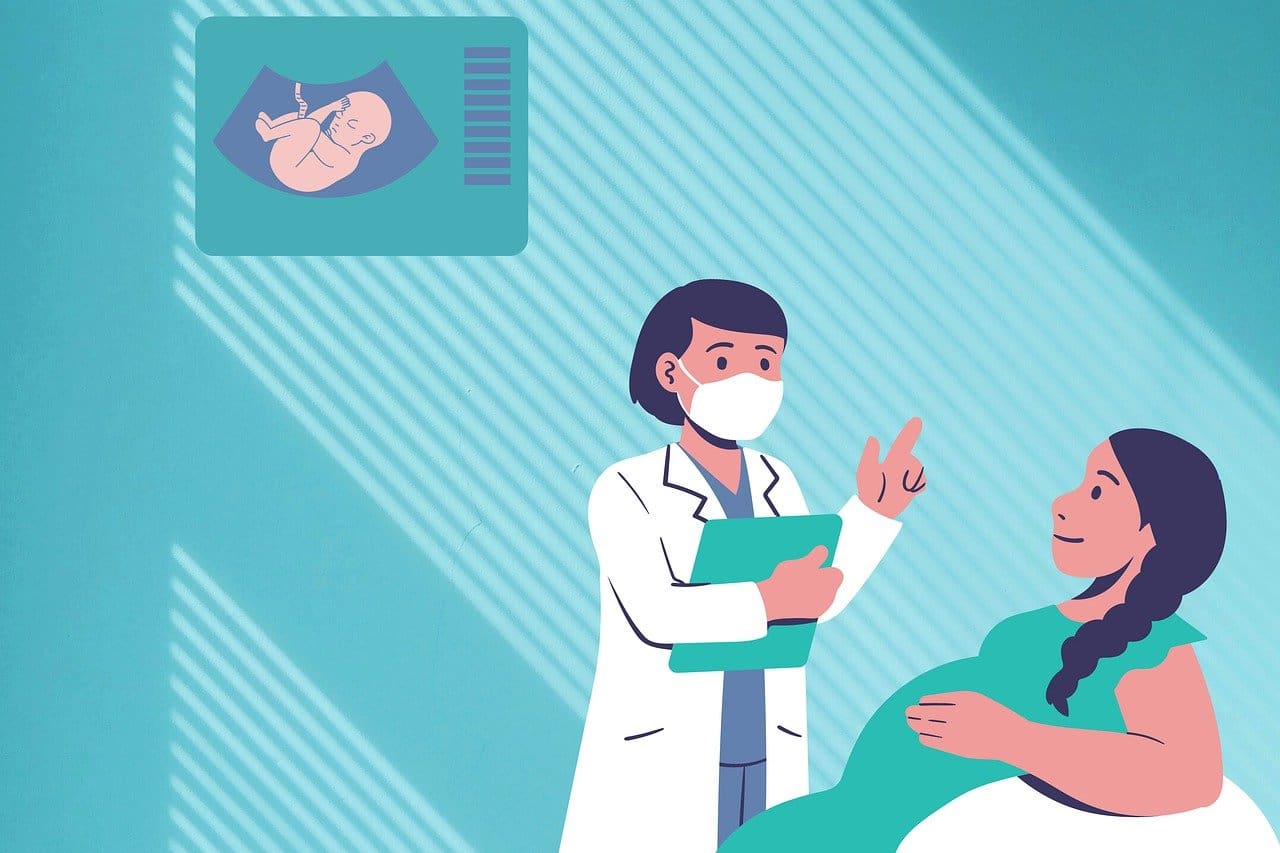
What Are Common Tests and Screenings Done During a Gynecological Exam?
During a gynecological exam, your healthcare provider may perform a variety of tests and screenings based on your age, medical history, and risk factors. Some common tests and screenings done during a gynecological exam include:
Pap Smear
A Pap smear is a test used to screen for cervical cancer. During the test, your healthcare provider will collect cells from your cervix to be examined under a microscope for any abnormalities. It is recommended that women start getting Pap smears at age 21 and continue every 3-5 years, depending on their age and risk factors.
HPV Test
An HPV test is often done in conjunction with a Pap smear to screen for the human papillomavirus (HPV), which is a common sexually transmitted infection that can lead to cervical cancer. If you are at an increased risk for HPV, your healthcare provider may recommend an HPV test during your gynecological exam.
Breast Exam
A breast exam is performed to check for any abnormalities in your breast tissue, such as lumps or changes in texture. Your healthcare provider will perform a visual and physical examination of your breasts to ensure there are no signs of breast cancer. It is also important to perform regular self-breast exams at home and report any changes to your healthcare provider.
Pelvic Exam
During a pelvic exam, your healthcare provider will examine your reproductive organs, including your vagina, cervix, uterus, and ovaries, for any abnormalities. This exam allows your healthcare provider to assess the health of your reproductive organs and detect any signs of infection, inflammation, or other issues that may require further evaluation.
STD Testing
Your healthcare provider may recommend STD testing during your gynecological exam, especially if you are at an increased risk for sexually transmitted infections. Testing for STDs such as chlamydia, gonorrhea, syphilis, and HIV can help detect any infections early on and prevent them from spreading or causing further health issues.
What Happens If Your Healthcare Provider Finds an Abnormality During Your Exam?
If your healthcare provider discovers an abnormality during your gynecological exam, it is important not to panic. Many abnormal findings are benign and can be easily treated or monitored. Your healthcare provider will discuss the next steps with you, which may include further testing, treatment, or monitoring depending on the nature of the abnormality.
It is essential to follow your healthcare provider’s recommendations and attend any follow-up appointments to ensure proper management of the abnormality. Remember that early detection and treatment can lead to better outcomes and improved prognosis for many health issues.
Resources for Finding a Gynecologist
If you do not currently have a gynecologist or are looking for a new healthcare provider, there are resources available to help you find a qualified gynecologist in your area. Here are some options to consider:
- Ask for recommendations: Friends, family members, or other healthcare providers may be able to recommend a gynecologist they trust and have had a positive experience with.
- Check with your insurance provider: Your insurance provider may have a list of gynecologists in their network that are covered by your insurance plan. This can help you find a healthcare provider that is affordable and convenient for you.
- Use online search tools: Websites such as Healthgrades, Zocdoc, or the American College of Obstetricians and Gynecologists (ACOG) can help you find gynecologists in your area and read reviews from other patients.
Finding a gynecologist that you feel comfortable with and trust is essential for maintaining your reproductive health and overall well-being. Don’t hesitate to reach out to healthcare providers in your area to schedule an appointment and start taking proactive steps towards caring for your reproductive health.
Final Thoughts
Regular gynecological exams are a crucial part of maintaining your reproductive health and overall well-being. By attending these exams, you are taking proactive steps towards early detection of health issues, preventive care, and monitoring your overall health over time. Remember to schedule your annual gynecological exam, discuss any concerns or symptoms with your healthcare provider, and follow their recommendations for screenings and follow-up care.
Your health matters, so make your gynecological health a priority in your healthcare routine. If you have any questions or concerns about your reproductive health, don’t hesitate to reach out to a healthcare provider for guidance and support. Remember, you are in control of your health and well-being, so take charge of it today by scheduling your regular gynecological exam. Stay healthy and informed, you’ve got this!