
Welcome to “The Ultimate Guide to Preventing Incontinence in Women”! In this article, you will discover practical tips and strategies to help you maintain bladder control and reduce the risk of incontinence. From strengthening your pelvic floor muscles to maintaining a healthy weight, we’ve got you covered with everything you need to know to stay dry and comfortable. So sit back, relax, and let us guide you towards better bladder health. Have you ever experienced the inconvenience and embarrassment of urinary incontinence? It’s a common issue that many women face, but the good news is that there are steps you can take to prevent and manage it. In this ultimate guide, we’ll explore everything you need to know about preventing incontinence in women.
Understanding Incontinence
Incontinence is a condition characterized by the loss of bladder control, leading to involuntary urine leakage. It can range from occasional minor leaks to severe, uncontrollable episodes. In women, incontinence is often caused by weak pelvic floor muscles, hormonal changes, or neurological disorders. Understanding the underlying causes of incontinence is the first step in effectively preventing and managing it.
Types of Incontinence
There are different types of incontinence that women may experience, each with its own causes and symptoms. The most common types of incontinence include:
-
Stress Incontinence: This type of incontinence occurs when pressure is exerted on the bladder, such as when coughing, sneezing, or exercising. It is often due to weakened pelvic floor muscles.
-
Urge Incontinence: Also known as overactive bladder, urge incontinence is characterized by a sudden, intense need to urinate followed by involuntary leakage. It is often caused by muscle or nerve damage.
-
Overflow Incontinence: This occurs when the bladder is unable to empty completely, leading to frequent or constant dribbling of urine. It can be caused by an obstruction or weak bladder muscles.
-
Mixed Incontinence: A combination of stress and urge incontinence, mixed incontinence presents with symptoms of both types.
Talking about the different types of incontinence can help you identify the specific symptoms you may be experiencing. By understanding the type of incontinence you have, you can take targeted steps to prevent and manage leaks effectively.
Preventing Incontinence
While incontinence can be challenging to deal with, there are several strategies you can implement to prevent leaks and improve bladder control. Here are some tips to help you prevent incontinence and maintain a healthy bladder:
-
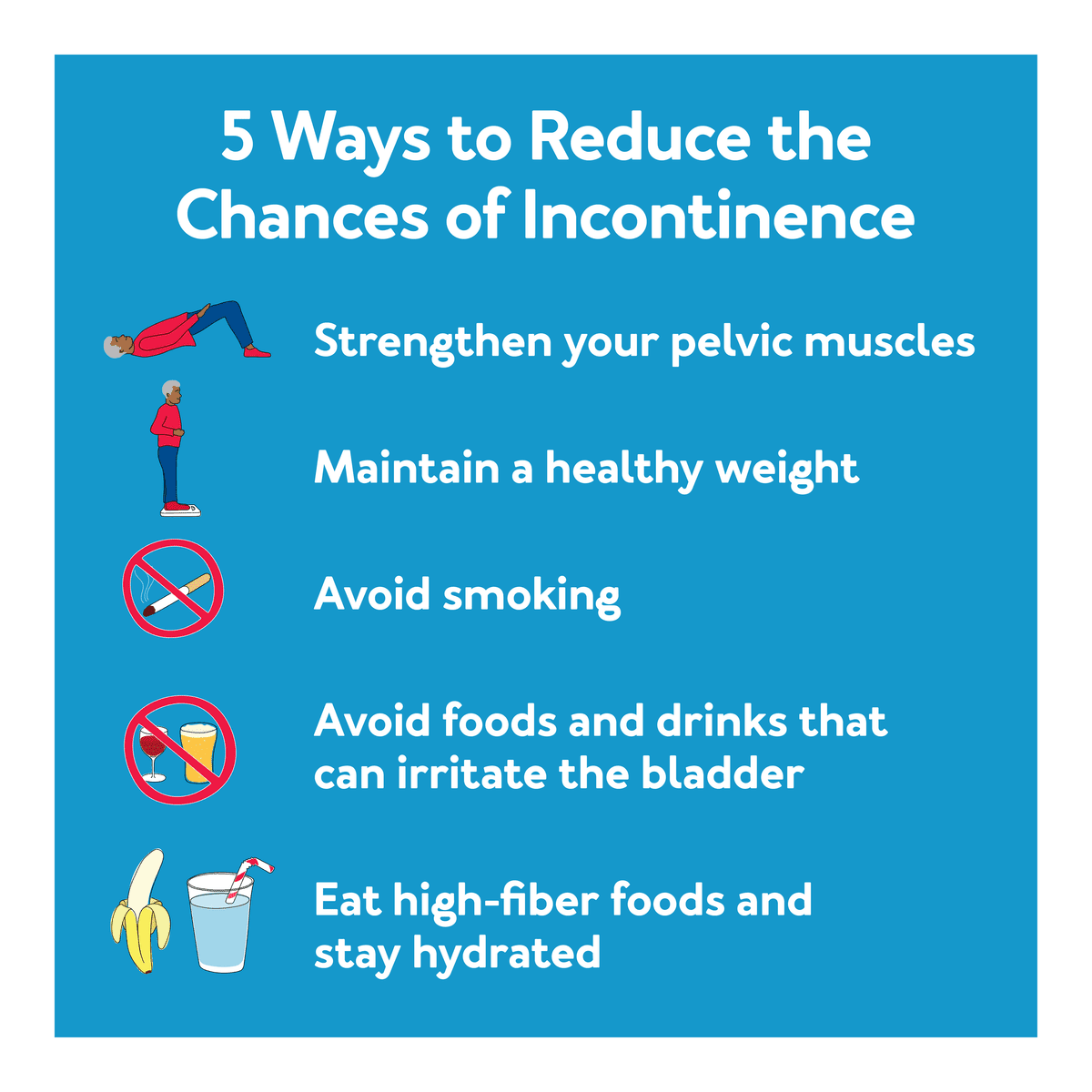
Kegel Exercises: Strengthening your pelvic floor muscles through Kegel exercises can help improve bladder control and prevent leaks. To perform Kegels, simply contract and hold the muscles used to stop the flow of urine for a few seconds, then relax and repeat.
-
Maintain a Healthy Weight: Excess weight can put pressure on your bladder and pelvic floor muscles, contributing to incontinence. Maintaining a healthy weight through a balanced diet and regular exercise can help prevent leaks.
-
Stay Hydrated: While it may seem counterintuitive, staying hydrated is essential for maintaining bladder health. Dehydration can irritate the bladder and worsen incontinence symptoms. Aim to drink plenty of water throughout the day.
-
Avoid Bladder Irritants: Certain foods and beverages, such as caffeine, alcohol, spicy foods, and artificial sweeteners, can irritate the bladder and trigger leaks. Avoiding these bladder irritants can help prevent incontinence episodes.
-
Practice Bladder Training: Bladder training involves gradually increasing the time between bathroom visits to improve bladder control. Start by scheduling regular bathroom breaks and gradually extending the time between visits.
-
Quit Smoking: Smoking can weaken the pelvic floor muscles and worsen incontinence symptoms. If you smoke, quitting can help improve bladder control and prevent leaks.
By incorporating these preventive measures into your daily routine, you can strengthen your pelvic floor muscles, maintain a healthy bladder, and reduce the risk of incontinence episodes.

Managing Incontinence
If you’re already experiencing incontinence, there are several management strategies that can help you cope with leaks and improve your quality of life. From lifestyle changes to medical interventions, there are options available to help you manage incontinence effectively. Here are some ways to manage incontinence:
-
Absorbent Products: Using absorbent products, such as pads, liners, or adult diapers, can help manage leaks and protect your clothing from stains. There are a variety of absorbent products available that cater to different levels of incontinence.
-
Bladder Control Techniques: Practicing bladder control techniques, such as pelvic floor exercises, timed voiding, and double voiding, can help improve bladder control and reduce leaks. These techniques can be effective in managing urge and stress incontinence.
-
Medications: In some cases, medications may be prescribed to help manage incontinence symptoms. These medications can help relax the bladder muscles, reduce urge sensations, or increase bladder capacity.
-
Behavioral Therapy: Behavioral therapy, such as biofeedback or bladder training, can help retrain your bladder and improve control over urination. Working with a healthcare provider or physical therapist can help you develop a personalized treatment plan.
-
Surgery: In severe cases of incontinence that do not respond to conservative treatments, surgery may be recommended. Surgical procedures, such as sling placement or bladder neck suspension, can help improve bladder control and reduce leaks.
-
Pelvic Floor Therapy: Pelvic floor therapy, also known as pelvic floor rehabilitation, involves working with a physical therapist to strengthen and retrain the pelvic floor muscles. Through exercises, biofeedback, and other techniques, pelvic floor therapy can help improve bladder control and reduce incontinence episodes.
Managing incontinence is a multifaceted approach that may involve a combination of lifestyle changes, medical interventions, and supportive strategies. By exploring different management options and working with healthcare professionals, you can take control of your bladder health and improve your quality of life.
Seeking Professional Help
If you’re struggling with incontinence and finding it difficult to manage on your own, it’s essential to seek professional help. A healthcare provider, such as a urologist, gynecologist, or physical therapist, can help diagnose the underlying causes of your incontinence and recommend appropriate treatment options. Don’t hesitate to reach out for support and guidance in managing your bladder health.
Seeking professional help is a crucial step in effectively managing incontinence and improving your quality of life. By working with healthcare providers who specialize in bladder health, you can receive personalized care and tailored treatment options to address your specific needs.
Conclusion
Incontinence is a common condition that many women face, but it doesn’t have to control your life. By understanding the causes of incontinence, implementing preventive measures, and exploring management strategies, you can take control of your bladder health and reduce leaks. Remember, you’re not alone in this journey, and there is help available to support you every step of the way. Don’t hesitate to reach out for assistance and take proactive steps towards better bladder control. You deserve to live your life confidently and comfortably, free from the inconvenience of incontinence.