
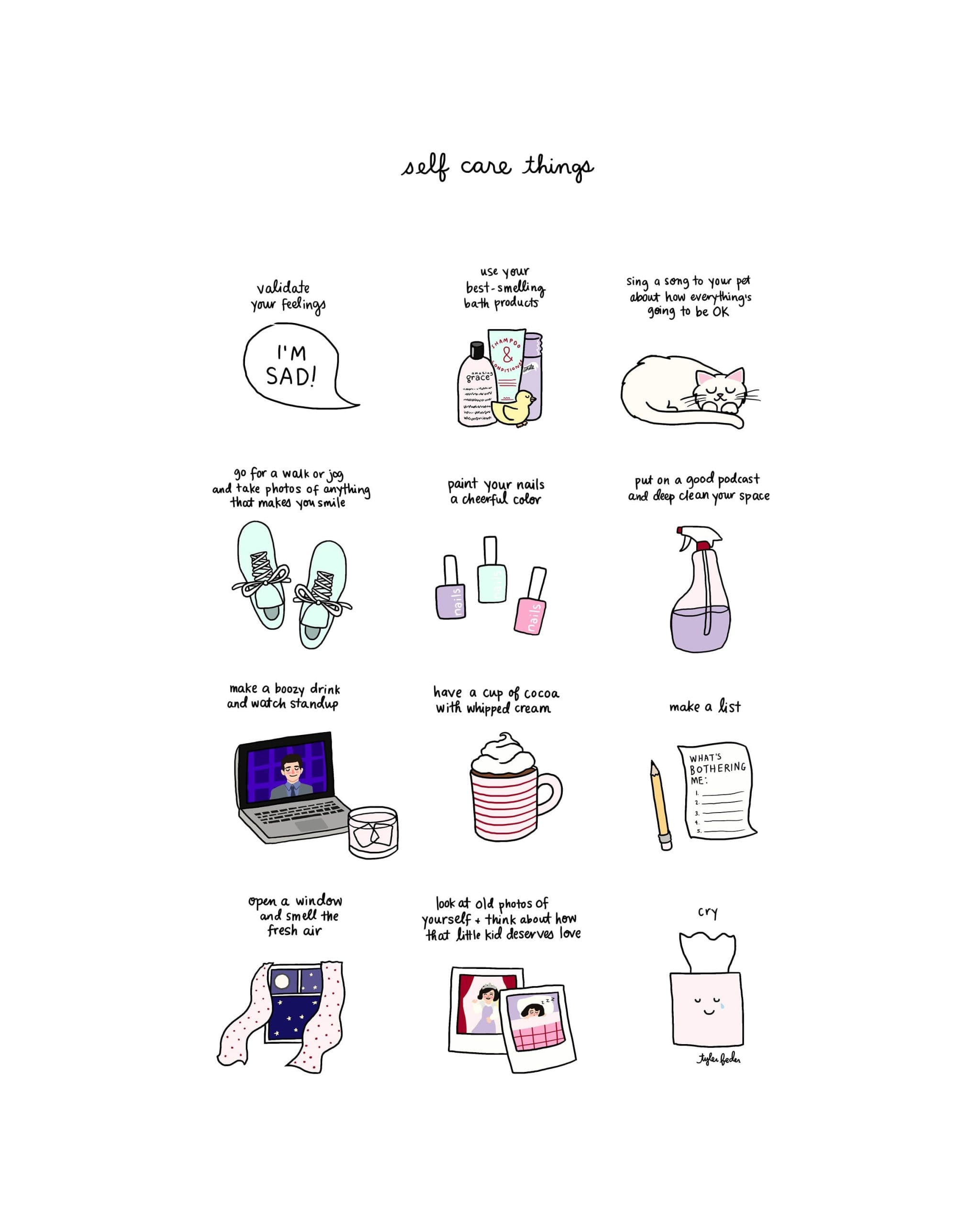
Welcome to an article that will explore the significance of setting boundaries for your mental health. By establishing clear boundaries in your relationships, work, and personal life, you are taking proactive steps to protect your emotional well-being and overall mental health. Setting boundaries allows you to create a healthy balance, prioritize self-care, and cultivate positive and fulfilling connections with others. Let’s dive into why setting boundaries is essential for your mental health and how you can start implementing them in your life today. Have you ever found yourself feeling overwhelmed, stressed, or anxious because you have a hard time saying no to others? It may be time to consider setting boundaries for your mental health. Boundaries play a crucial role in maintaining your mental well-being and overall happiness. Let’s explore the importance of setting boundaries and how it can benefit your mental health.
What Are Boundaries and Why Are They Important?
Setting boundaries is essentially defining limits and guidelines for how you allow others to treat you, how much you share with others, and what you are willing to accept or tolerate. Boundaries help create a sense of safety, respect, and autonomy in relationships. They are crucial for establishing healthy and functional connections with others, maintaining self-respect, and protecting your emotional well-being.
Boundaries come in different forms, such as physical boundaries, emotional boundaries, and time boundaries. Physical boundaries involve personal space and physical touch, emotional boundaries involve sharing feelings and emotions, and time boundaries include how you manage your time and availability for others.
Boundaries help protect your mental health and well-being
Without boundaries, you may feel overwhelmed, anxious, or stressed by the demands and expectations of others. Setting boundaries allows you to prioritize your needs, values, and emotions, which in turn can reduce feelings of resentment, guilt, and burnout. Boundaries help you create a sense of balance and harmony in your relationships and daily life, leading to better mental health and overall happiness.
How to Set Healthy Boundaries
Setting boundaries can be challenging, especially if you are used to putting others’ needs before your own. However, learning to set healthy boundaries is a crucial step in taking care of your mental health and well-being. Here are some tips on how to set healthy boundaries:
Identify Your Limits and Needs
Start by reflecting on your values, needs, and limits. What are the things that are important to you? What are your non-negotiables? Understanding your boundaries will help you communicate them clearly to others and make it easier to enforce them.
Communicate Your Boundaries Assertively
Once you have identified your boundaries, communicate them clearly and assertively to others. Be direct, honest, and respectful when expressing your needs and limits. Use “I” statements to own your feelings and avoid blaming others. Remember that setting boundaries is about taking care of yourself, not controlling or changing others.
Practice Self-Compassion
Setting boundaries may feel uncomfortable or challenging, especially if you are not used to prioritizing your needs. Practice self-compassion and remind yourself that it is okay to say no and put yourself first. Be kind and gentle with yourself as you navigate setting boundaries and enforcing them.
Be Consistent and Firm
Consistency is key when it comes to setting boundaries. Be firm and consistent in enforcing your limits and saying no when necessary. Avoid bending your boundaries to please others or avoid conflict. Remember that setting boundaries is about respecting yourself and your well-being.

Boundaries in Different Areas of Your Life
Setting boundaries is essential in all areas of your life, including relationships, work, and social interactions. Here are some examples of how boundaries can benefit your mental health in different aspects of your life:
Boundaries in Relationships
In relationships, boundaries help define healthy dynamics, establish mutual respect, and prevent codependency. Setting boundaries with family, friends, or romantic partners can improve communication, reduce conflict, and strengthen the connection. Boundaries also help protect you from toxic or abusive relationships and maintain your emotional well-being.
Boundaries at Work
Setting boundaries at work is crucial for maintaining a healthy work-life balance, preventing burnout, and fostering productivity. Clearly defining your availability, workload, and expectations with colleagues and supervisors can help you manage stress and avoid taking on more than you can handle. Boundaries at work also help protect your mental health and prevent work-related issues from spilling over into your personal life.
Boundaries in Social Interactions
In social interactions, boundaries help protect your energy, prioritize your needs, and maintain your social well-being. Setting boundaries with friends, acquaintances, or social groups can help you avoid overcommitting, feeling drained, or engaging in activities that do not align with your values. Boundaries in social interactions also allow you to prioritize relationships that bring positivity and fulfillment into your life.
Signs That Your Boundaries Are Being Violated
It is important to recognize when your boundaries are being violated or disregarded by others. Being aware of the signs can help you take action to protect yourself and enforce your limits. Here are some common signs that your boundaries are being crossed:
Feeling Resentful or Angry
If you find yourself feeling resentful, angry, or frustrated after interactions with others, it may be a sign that your boundaries are being violated. Pay attention to your emotions and signals that indicate when your limits are being disregarded.
Ignoring Your Needs
When you consistently overlook your needs, values, and well-being to accommodate others, your boundaries may be compromised. Ignoring your self-care and prioritizing others’ needs can lead to burnout, exhaustion, and emotional strain.
Feeling Drained or Depleted
If you feel drained, depleted, or emotionally exhausted after spending time with certain individuals or engaging in certain activities, it may be a sign that your boundaries are being violated. Pay attention to how you feel physically and emotionally to determine when boundaries need to be enforced.
Lack of Self-Respect
When you compromise your self-respect, autonomy, or values to please others or avoid conflict, your boundaries are likely being violated. Setting boundaries is about respecting yourself and prioritizing your well-being, even if it means disappointing or upsetting others.

How to Enforce Your Boundaries
Enforcing your boundaries is essential for protecting your mental health, well-being, and self-respect. It is important to communicate your boundaries clearly, assertively, and consistently to ensure that they are respected by others. Here are some strategies on how to enforce your boundaries effectively:
Use Assertive Communication
Assertiveness is key when it comes to enforcing your boundaries. Use clear, direct, and respectful communication to express your needs and limits to others. Practice saying no without guilt or hesitation and avoid apologizing for setting boundaries.
Set Consequences
Establish consequences for when your boundaries are violated or disregarded by others. Clearly communicate the repercussions of crossing your limits and be prepared to follow through with them if necessary. Setting consequences helps reinforce your boundaries and demonstrates that you are serious about enforcing them.
Seek Support
Seek support from friends, family, or a therapist when enforcing your boundaries. Surround yourself with individuals who respect and encourage your boundaries, and seek guidance on how to navigate challenging situations or relationships. Having a support system can help you feel empowered and validated in setting and enforcing your boundaries.
Practice Self-Care
Prioritize self-care and self-compassion as you enforce your boundaries. Take time to rest, recharge, and nurture yourself to maintain your emotional well-being and resilience. Engage in activities that bring you joy, relaxation, and inner peace to replenish your energy and motivation.
Benefits of Setting Boundaries for Your Mental Health
Setting boundaries offers numerous benefits for your mental health, well-being, and overall happiness. Here are some of the advantages of establishing and enforcing healthy boundaries in your life:
Improved Self-Esteem
Setting boundaries helps build self-respect, self-esteem, and self-worth. By prioritizing your needs, values, and emotions, you demonstrate that you value yourself and deserve to be treated with respect. Establishing boundaries reinforces your sense of worth and fosters a positive self-image.
Reduced Stress and Anxiety
Boundaries help reduce stress, anxiety, and overwhelm by allowing you to prioritize your well-being and manage your energy effectively. By setting limits on what you can handle, what you are willing to accept, and how much you can give, you create a sense of balance and harmony in your life. Reduced stress and anxiety allow you to focus on what truly matters and enjoy a greater sense of peace and tranquility.
Healthy Relationships
Setting boundaries fosters healthy, fulfilling, and respectful relationships with others. By clearly defining your needs, limits, and expectations, you create a foundation for open communication, mutual respect, and trust. Healthy boundaries help prevent misunderstandings, conflicts, and resentment in relationships, leading to deeper connections and emotional intimacy.
Increased Self-Awareness
Establishing boundaries requires self-awareness, introspection, and reflection on your values, needs, and limits. By identifying and communicating your boundaries, you gain a deeper understanding of yourself, your emotions, and your priorities. Setting boundaries allows you to prioritize self-care, personal growth, and authenticity in all areas of your life.

Conclusion
Setting boundaries is essential for protecting your mental health, well-being, and self-respect. Boundaries help define healthy dynamics in relationships, prevent burnout in work, and maintain balance in social interactions. By setting and enforcing healthy boundaries, you prioritize your needs, values, and emotions, leading to improved self-esteem, reduced stress, and healthier relationships. Remember that setting boundaries is an act of self-care and self-love, and you deserve to prioritize your well-being above all else. Take the time to reflect on your boundaries, identify your limits, and communicate them assertively to create a life that aligns with your values and brings you joy and fulfillment.