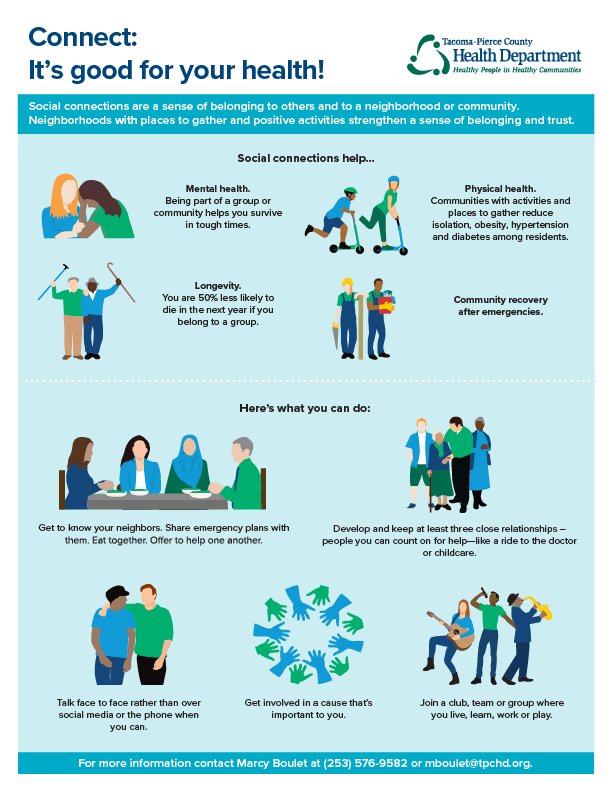
In today’s fast-paced and digital world, social connection plays a crucial role in maintaining our overall well-being. In fact, studies have shown that having strong social connections can have a significant impact on our preventive health. From reducing the risk of chronic diseases to boosting our immune system, human connection has the power to enhance our physical and mental health. Whether it’s spending quality time with loved ones, joining community groups, or simply engaging in meaningful conversations, fostering social connections is an essential part of living a healthy and fulfilling life. So, let’s explore the importance of social connection for preventive health and discover how we can nurture these connections in our daily lives.
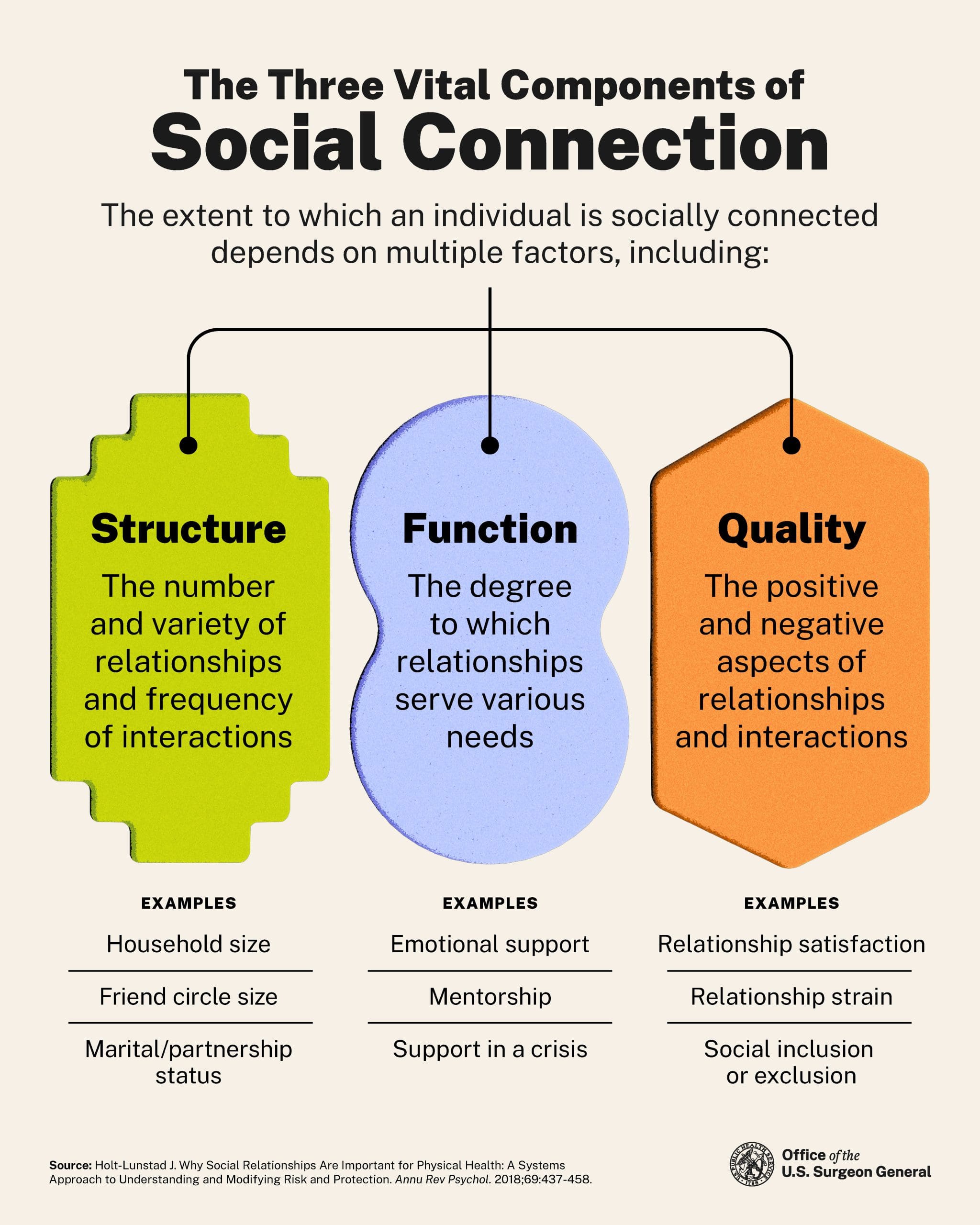
Improves Mental Health and Wellbeing
Reduces risk of depression and anxiety
Establishing and maintaining social connections plays a crucial role in improving mental health and wellbeing. When you have a strong support system, you are less likely to experience feelings of loneliness or isolation, which are significant risk factors for depression and anxiety. Regular social interactions provide a sense of belonging and create opportunities for emotional support, making it easier to cope with life’s challenges.
Provides emotional support and stress reduction
Connecting with others on a regular basis can provide you with the emotional support you need during times of stress or hardship. When you have friends, family, or a community to lean on, you can share your worries and concerns, allowing for emotional release and problem-solving. This support system reduces stress levels and promotes a sense of calm and wellbeing.
Increases self-esteem and confidence
Social connections are vital for building self-esteem and confidence. When you surround yourself with positive and supportive individuals, it boosts your self-worth and encourages you to believe in your abilities. Additionally, engaging in social activities and receiving validation and affirmation from others can make you feel more confident in yourself and your choices.
Supports Healthy Lifestyle Choices
Encourages regular physical activity
Social connections can motivate and encourage you to adopt a regular exercise routine. Friends or family members who share a similar interest in physical activity can become workout partners, making the experience more enjoyable and providing accountability. Through group activities, such as sports or fitness classes, you can also meet new people and expand your social network while engaging in physical activity.
Promotes healthy eating habits
Eating is often a social activity, whether it’s sharing a meal with family or friends or dining out at a restaurant. When you have a supportive social network, it becomes easier to make healthier eating choices. Friends or partners who prioritize nutritious meals can influence your food choices and make it more enjoyable to follow a balanced diet.
Discourages risky behaviors such as smoking and excessive alcohol consumption
Social connections can help discourage risky behaviors, such as smoking and excessive alcohol consumption. Surrounding yourself with individuals who prioritize their health can create a positive influence and decrease the likelihood of engaging in harmful habits. Additionally, having a support system can offer alternatives and healthier coping mechanisms when faced with stress or difficult situations.
Boosts Immune System
Enhances immune response to infectious diseases
Social connections have been found to enhance immune response to infectious diseases. Studies have shown that individuals with strong social ties tend to have a more robust immune system, making them more resilient to infections. The emotional support and sense of belonging that comes from social connections contribute to improved overall health, including a better immune response.
Reduces risk of chronic inflammation
Chronic inflammation is linked to various health conditions, including heart disease, diabetes, and certain types of cancer. Engaging in regular social interactions can help reduce chronic inflammation in the body. The emotional support and stress reduction provided by social connections play a role in preventing the development of chronic inflammation, thus reducing the risk of associated diseases.
Improves wound healing
Believe it or not, social connections can even impact wound healing. Research suggests that individuals with stronger social ties tend to experience faster and more efficient wound healing. The emotional support and reduced stress levels that come from social connections contribute to improved immune function, thereby accelerating the healing process.
Increases Longevity
Reduces risk of premature death
Having meaningful social connections can significantly increase your chances of living a longer and healthier life. Studies have consistently shown that individuals with strong social ties have a reduced risk of premature death. The support, companionship, and sense of purpose that social connections provide contribute to overall wellbeing and promote longevity.
Enhances quality of life in older adults
As individuals age, social connections become even more important for maintaining a high quality of life. Older adults who have a robust social network often report a higher level of life satisfaction and happiness. Social interactions help ward off feelings of loneliness and isolation, keeping older adults mentally and emotionally stimulated, and enhancing their overall quality of life.
Provides social support during times of illness or disability
Illness or disability can be particularly isolating and challenging to navigate. However, having strong social connections can provide unparalleled support during these difficult times. Friends, family, or even support groups can offer emotional support, practical assistance, and companionship, making the journey through illness or disability more manageable and less lonely.
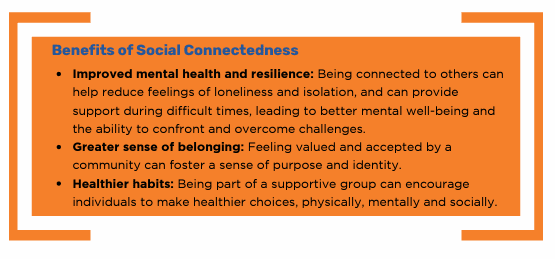
Enhances Cognitive Function
Improves memory and cognitive abilities
Regular social interactions have been linked to improvements in memory and cognitive abilities. Engaging in conversations and participating in mentally stimulating activities with others can keep your brain active and enhance cognitive function. Social connections provide opportunities for learning, problem-solving, and memory recall, all of which contribute to improved cognitive abilities.
Reduces risk of dementia and cognitive decline
Maintaining strong social connections can help reduce the risk of developing dementia and experiencing cognitive decline later in life. Social interactions engage the brain, stimulating neural pathways and helping to preserve cognitive function. The mental stimulation and emotional support received through social connections can play a protective role against cognitive decline.
Stimulates brain activity through social interactions
Interacting with others stimulates brain activity and enhances cognitive function. Engaging in conversations, sharing ideas, and even participating in group activities or games can activate various areas of the brain, promoting neural connectivity and strengthening cognitive abilities. Social connections provide a constant source of mental stimulation, keeping your brain active and healthy.
Promotes Healthy Heart
Reduces risk of cardiovascular diseases
Social connections have been found to reduce the risk of cardiovascular diseases, including heart attacks, strokes, and heart failure. When you have positive social interactions, it helps lower stress levels, which is crucial for maintaining a healthy heart. Additionally, social support can encourage you to adopt heart-healthy lifestyle choices, such as regular exercise and a balanced diet.
Lowers blood pressure and heart rate
Maintaining strong social connections can help lower blood pressure and heart rate. Engaging in social activities and receiving emotional support releases hormones that promote relaxation and reduce stress, resulting in a decrease in blood pressure and heart rate. These physiological changes have a positive impact on heart health and contribute to overall cardiovascular wellbeing.
Improves heart health through social support
Social connections provide emotional support, which in turn can improve heart health. When you have a support system that you can rely on and share your concerns with, it alleviates emotional stress, reducing the strain on the heart. Social support can also provide you with the motivation and accountability needed to make heart-healthy choices, ultimately benefiting your cardiovascular health.
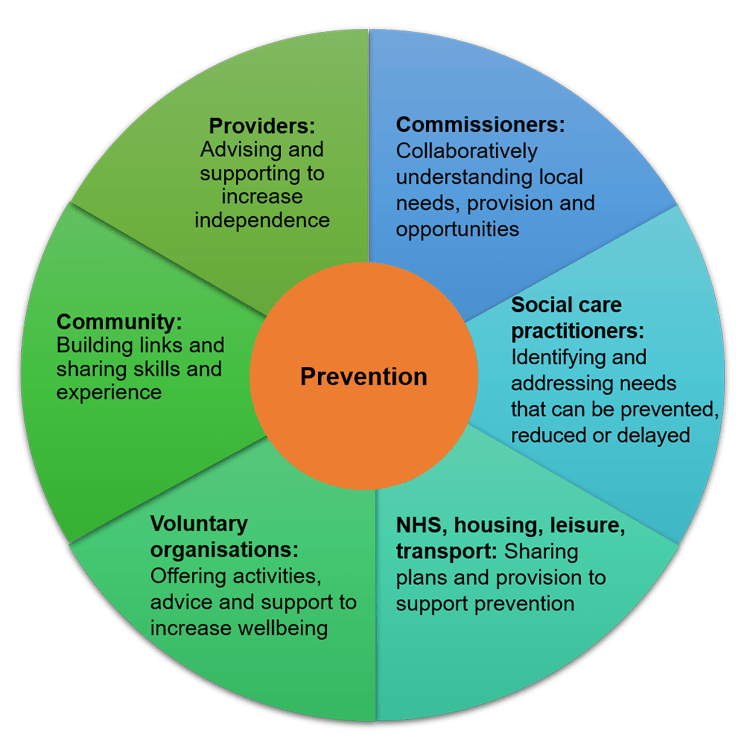
Improves Sleep Quality
Promotes regular sleep patterns
Having strong social connections can promote regular sleep patterns. Engaging in social activities and being part of a supportive community can establish a sense of routine and structure in your life. This can positively impact your sleep, allowing you to establish consistent sleep patterns that promote overall sleep quality.
Reduces insomnia and sleep disturbances
Social connections can help reduce insomnia and sleep disturbances. When you have a support system in place, it provides an outlet for emotional expression and stress reduction. By addressing underlying worries or concerns through social interactions, you can alleviate anxiety and improve sleep quality, reducing the frequency of insomnia and sleep disturbances.
Provides a sense of security and relaxation
Feeling a sense of security and relaxation is essential for a good night’s sleep. Social connections provide emotional support and a sense of belonging, creating an environment of comfort and relaxation. This feeling of security and connection can contribute to improved sleep quality and overall wellbeing.
Reduces Pain Perception
Provides distraction from pain
Having strong social connections can provide a distraction from pain. Engaging in social activities and interactions can divert your attention away from the physical sensations of pain, reducing its perceived intensity. The emotional support received through social connections can also help you cope with pain more effectively and provide emotional comfort during challenging times.
Triggers release of endorphins for pain relief
Social connections can trigger the release of endorphins, which are natural pain-relieving chemicals produced by the body. Engaging in positive social interactions and experiencing emotional support can stimulate the release of endorphins, providing natural pain relief. These endorphins not only alleviate pain but also promote a sense of wellbeing and improved mood.
Offers emotional support during painful conditions
When dealing with painful conditions, having a strong support system can make a significant difference. Social connections provide emotional support during difficult times, offering empathy, understanding, and companionship. This emotional support can alleviate emotional distress related to pain and provide a sense of comfort and assistance throughout the healing process.
Enhances Emotional Resilience
Helps cope with stress and adversity
Social connections play a crucial role in helping individuals cope with stress and adversity. Having a support system in place provides an outlet for sharing concerns, receiving guidance, and finding emotional comfort during challenging times. Emotional resilience is strengthened through social connections, allowing individuals to bounce back from difficulties and maintain a positive outlook.
Provides a sense of belonging and purpose
Feeling a sense of belonging and purpose is essential for emotional resilience. Social connections provide a community where you can feel accepted, understood, and valued. Engaging in social activities and forming meaningful relationships contribute to a sense of purpose and belonging, enhancing emotional resilience and overall wellbeing.
Fosters psychological strength and flexibility
Strong social connections foster psychological strength and flexibility. By engaging in social interactions, you are exposed to different perspectives and experiences, broadening your understanding of the world. This exposure promotes psychological growth and adaptability, allowing you to navigate challenges with greater ease and resilience.
Supports Early Detection and Prevention
Encourages regular health check-ups
Social connections can play a valuable role in encouraging individuals to prioritize their health and seek regular check-ups. When you have a supportive network, friends or family members may remind you of the importance of preventive health measures and motivate you to schedule regular appointments. Social connections promote health awareness and encourage proactive healthcare practices.
Increases awareness of preventive measures
Being part of a social network exposes you to a wealth of knowledge and information. Through conversations and shared experiences, you become more aware of preventive measures that can reduce the risk of diseases. From vaccination recommendations to lifestyle changes, social connections help spread awareness and empower individuals to take preventive action.
Promotes health screenings for early detection of diseases
Regular social interactions can prompt discussions about health screenings and early detection of diseases. Friends or family members who have undergone screenings may share their experiences and encourage you to do the same. This exchange of information and support within social connections can lead to earlier detection and timely intervention, improving health outcomes.
In conclusion, social connections are vital for various aspects of health and wellbeing. From improving mental health to enhancing cognitive function, promoting a healthy heart, and even increasing longevity, the benefits of social connections are profound. Nurturing and investing in these connections can provide a strong foundation for preventive health measures and overall wellbeing. So, reach out, connect, and cultivate meaningful relationships – your health will thank you!