
Are you looking for a way to achieve total fitness? Look no further! In this article, we have compiled a list of the top 10 full-body exercises that will help you sculpt your body and improve your overall fitness. From burpees to squats and everything in between, these exercises target multiple muscle groups, giving you a comprehensive workout that will leave you feeling strong and energized. Get ready to sweat and challenge yourself as we take you through the most effective exercises for total fitness.
Squat
How to perform a squat
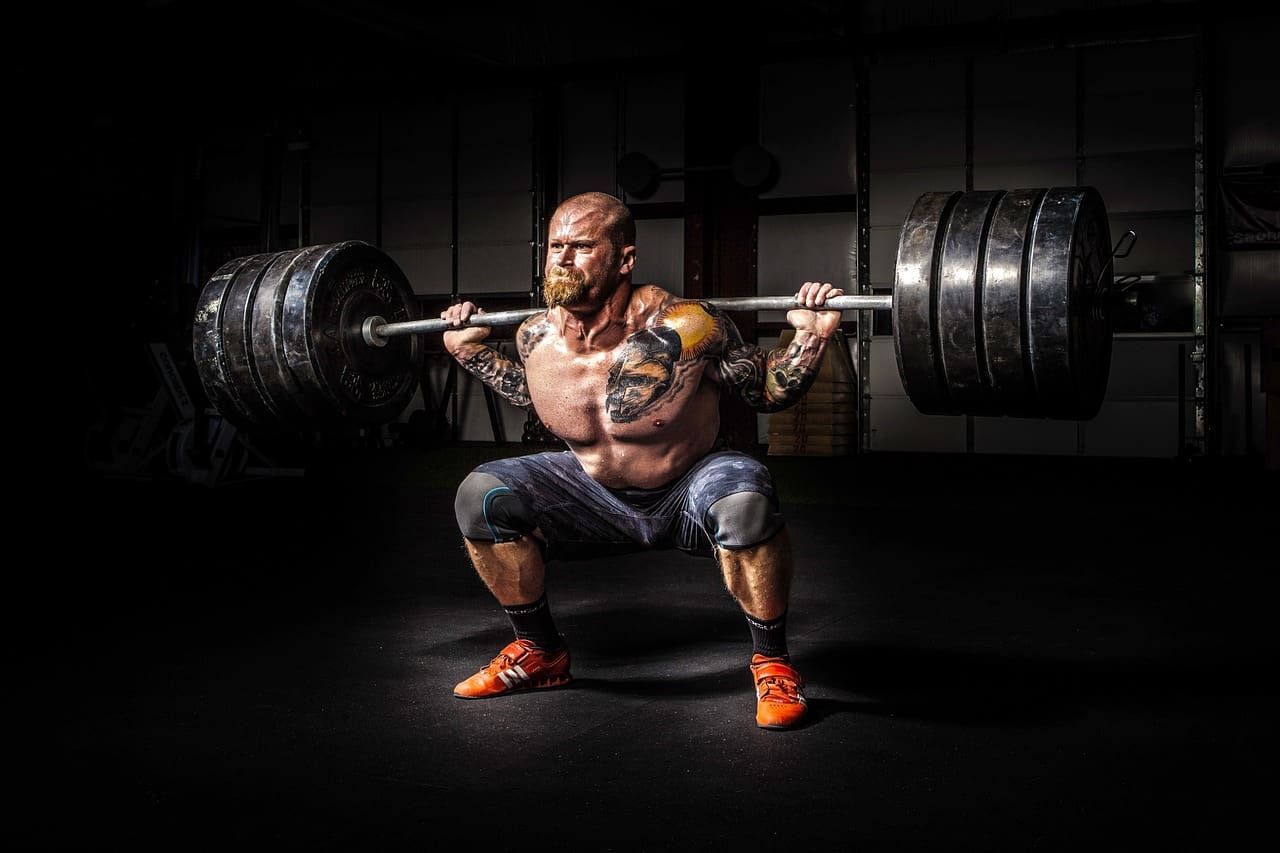
To perform a squat, start by standing with your feet shoulder-width apart. Engage your core and keep your back straight throughout the entire movement. Begin by bending your knees and lowering your body down as if you are sitting back into an imaginary chair. Go as low as you can while maintaining proper form, ideally until your thighs are parallel to the floor. Finally, push through your heels and stand back up to the starting position to complete one repetition.
Benefits of squats
Squats are considered one of the best exercises for a full-body workout. They primarily target the muscles in your lower body, including your quadriceps, hamstrings, and glutes. However, squats also engage your core, back, and upper body muscles, making it a fantastic compound movement. Additionally, squats improve balance, mobility, and flexibility. They can also strengthen your bones, enhance athletic performance, and help burn calories for weight loss.
Variations of squats
There are several variations of squats that can be incorporated into your workout routine to add variety and target different muscle groups. Some popular variations include:
-
Sumo Squats: Instead of keeping your feet shoulder-width apart, widen your stance with your toes pointing slightly outwards. This variation places more emphasis on the inner thighs and glutes.
-
Pistol Squats: This advanced variation requires balance and strength. Lift one leg off the ground and squat down on the supporting leg. It targets your quadriceps, hamstrings, and core.
-
Jump Squats: This explosive variation adds a plyometric element to the exercise. As you come up from the squat, jump off the ground and land softly before going into another squat. It increases power and calorie burn.
Deadlift
How to perform a deadlift
To perform a deadlift, stand with your feet hip-width apart and slightly bend your knees. Keep your back straight and engage your core. Bend at your hips while maintaining a straight back and grasp the barbell with an overhand grip. Keep your arms extended and shoulder-width apart. Take a deep breath and then drive through your heels, extend your hips, and stand up. Bring the barbell close to your body and squeeze your glutes at the top of the movement. Slowly lower the barbell back down to the starting position while maintaining control.
Benefits of deadlifts
Deadlifts are a compound exercise that targets multiple muscle groups, making them incredibly efficient for building overall strength and muscle mass. They primarily target the muscles in your posterior chain, including your glutes, hamstrings, and lower back. Additionally, deadlifts engage your core, grip, and upper body muscles. Performing deadlifts regularly can improve your posture, increase your grip strength, and enhance your overall athleticism. They also contribute to burning calories and promoting fat loss.
Variations of deadlifts
Deadlifts can be modified and varied to suit different fitness levels and goals. Some popular variations include:
-
Sumo Deadlifts: Instead of using a shoulder-width stance, take a wider stance with your feet angled outwards. This variation shifts the focus to the inner thighs and glutes.
-
Romanian Deadlifts: With the Romanian deadlift, you keep a slight bend in your knees and focus on hip hinge movement patterns. This variation emphasizes the hamstrings and glutes while minimizing stress on the lower back.
-
Single-Leg Deadlifts: This variation targets each leg individually, improving balance and stability. Hinge at the hips while lifting one leg straight behind you. Keep your back straight and lower the weights as you reach down towards the ground.
Push-ups
How to perform push-ups
Start by positioning yourself facing the ground with your hands slightly wider than shoulder-width apart. Straighten your arms and extend your legs, keeping your toes on the ground. Engage your core and maintain a straight line from your head to your heels. Lower yourself down by bending your elbows, keeping them close to your body. Go as low as you can while maintaining control and then push back up to the starting position by extending your arms. That completes one repetition.
Benefits of push-ups
Push-ups are an excellent exercise for developing upper body strength and stability. They primarily target your chest, shoulders, and triceps while engaging your core and back muscles as stabilizers. Push-ups also improve posture, increase overall upper body definition, and enhance overall functional fitness. They require no equipment and can be performed anywhere, making them a convenient choice for a full-body workout. Additionally, push-ups can be modified to suit different fitness levels.
Variations of push-ups
Push-ups can be modified and progressed to challenge different muscle groups and skill levels. Some popular variations include:
-
Wide Grip Push-ups: Place your hands wider apart than in a traditional push-up, targeting your chest muscles more. This variation can be challenging but is effective for building upper body strength.
-
Diamond Push-ups: Position your hands close together with your thumbs and forefingers touching, forming a diamond shape. This variation places more emphasis on your triceps.
-
Incline/Decline Push-ups: Elevate your feet on an elevated surface, such as a bench, to perform decline push-ups. This targets your upper chest and shoulders. Conversely, placing your hands on an elevated surface with your feet on the ground performs incline push-ups, targeting the lower chest muscles.
Pull-ups
How to perform pull-ups
Start by grabbing a pull-up bar with an overhand grip, slightly wider than shoulder-width apart. Engage your core and keep your shoulders down and back. Pull yourself up towards the bar by bending your elbows, while keeping your chest lifted and your shoulders engaged. Aim to get your chin above the bar and then slowly lower yourself back down to the starting position.
Benefits of pull-ups
Pull-ups are considered one of the most challenging upper body exercises but offer numerous benefits for your back, arms, and shoulders. They primarily target the muscles in your upper body, including your lats, biceps, and rhomboids. Pull-ups improve overall upper body strength, posture, and grip strength. Additionally, they engage your core as a stabilizer, promoting overall functional fitness. As a compound movement, pull-ups also contribute to burning calories and building lean muscle mass.
Variations of pull-ups
Here are a few variations of pull-ups that you can incorporate into your routine:
-
Chin-ups: Similar to pull-ups, but with an underhand supine grip, targeting the biceps and emphasizing the muscles in the front of the upper body.
-
Assisted Pull-ups: If you’re new to pull-ups or need assistance, you can use a resistance band or an assisted pull-up machine to support some of your body weight. This variation allows you to gradually build strength.
-
Wide Grip Pull-ups: Instead of gripping the bar shoulder-width apart, widen your grip to target your back muscles differently.

Plank
How to perform a plank
To perform a plank, start by positioning yourself face down on the floor. Place your forearms on the ground with your elbows directly under your shoulders. Extend your legs behind you and rise up onto your toes. Keep your body in a straight line from your head to your heels, engaging your core muscles. Hold this position for a specified amount of time while maintaining proper form.
Benefits of planks
Planks are an excellent exercise for developing core strength and stability. They engage multiple muscle groups simultaneously, including your abs, back, shoulders, and glutes. By strengthening these muscles, planks can improve your overall posture and balance. They also enhance spinal stability, reduce the risk of back pain, and improve athletic performance. Planks can be easily modified to suit different fitness levels and can be performed without any equipment.
Variations of planks
There are various plank variations that can target different muscle groups and add variety to your workout routine. Here are a few popular options:
-
Side Plank: Instead of facing down, position yourself sideways with one forearm on the ground and your body in a straight line. The side plank targets the obliques and improves lateral stability.
-
Plank with Shoulder Taps: In the traditional plank position, lift one hand off the ground and tap the opposite shoulder. This variation adds an element of shoulder stability.
-
Plank Jacks: From the traditional plank position, jump your legs wide apart and then back together, similar to a jumping jack exercise. This variation increases the cardiovascular challenge while still targeting the core.
Lunges
How to perform lunges
To perform a lunge, start by standing tall with your feet hip-width apart. Take a step forward with your right foot, keeping your upper body upright and your core engaged. Bend both knees and lower your body until your right thigh is parallel to the ground, ensuring your right knee is positioned directly above your right ankle. Push through your right heel, engage your glutes, and return to the starting position. Repeat the movement on the opposite side.
Benefits of lunges
Lunges are a functional lower body exercise that primarily target the quadriceps, hamstrings, and glutes. They also engage your core for stability and balance. Lunges can increase leg strength, improve muscle imbalances between the left and right sides, and enhance hip flexibility. They also help to improve overall lower body mobility and can be beneficial for activities such as running, jumping, and squatting. Lunges can be performed with or without weights, making them suitable for various fitness levels.
Variations of lunges
Lunges can be modified and varied to target different muscle groups and add intensity to your workout. Here are a few variations to consider:
-
Walking Lunges: Instead of returning to the starting position after each lunge, take a step forward with the opposite leg to perform a continuous walking lunge. This variation increases the cardiovascular challenge.
-
Reverse Lunges: Instead of stepping forward, take a step backward into a lunge. This variation places more emphasis on the hamstrings and glutes.
-
Dumbbell Lunges: Hold dumbbells in each hand to add resistance and increase the challenge. This variation encourages muscle growth and strength development.

Burpees
How to perform burpees
To perform a burpee, start by standing with your feet shoulder-width apart. Lower into a squat position, placing your hands on the ground in front of you. Kick your feet back to a push-up position, perform a push-up, and then quickly bring your feet back towards your hands. Jump explosively into the air, raising your arms overhead. Land softly and go immediately into the next repetition.
Benefits of burpees
Burpees are a full-body, high-intensity exercise that targets multiple muscle groups simultaneously. They engage your chest, shoulders, arms, abs, glutes, and legs, making them an efficient way to burn calories and build muscle. Burpees increase cardiovascular fitness, agility, and overall strength. They are also a great exercise option for time-saving workouts, as they require no equipment and can be performed anywhere.
Variations of burpees
Here are a few variations of burpees that can be incorporated into your workout routine:
-
Burpee Box Jumps: After jumping up from the push-up position, instead of performing a regular jump, jump onto an elevated surface, such as a box or step. This variation adds a plyometric element and increases the challenge.
-
Broad Jump Burpees: After jumping up from the push-up position, instead of performing a vertical jump, perform a broad jump forward, landing softly and immediately transitioning into the next repetition.
-
Medicine Ball Burpees: Hold a medicine ball in your hands while performing the burpee. This variation adds an additional challenge to your upper body and core.
Mountain Climbers
How to perform mountain climbers
Start in a push-up position with your arms extended, hands shoulder-width apart, and your body in a straight line. Bring one knee towards your chest while keeping your other leg extended. Quickly switch legs, bringing the extended leg towards your chest and extending the other leg. Continue to alternate legs in a running motion while keeping your core engaged and your back flat.
Benefits of mountain climbers
Mountain climbers are a dynamic full-body exercise that targets multiple muscle groups simultaneously. They primarily engage your core, shoulders, and arms while also involving your lower body muscles. Mountain climbers increase cardiovascular endurance, improve coordination and agility, and build upper body and core strength. They are an effective exercise for burning calories and developing overall functional fitness.
Variations of mountain climbers
Here are a few variations of mountain climbers that you can try to add variety to your workout routine:
-
Cross-Body Mountain Climbers: As you bring your knees towards your chest, instead of keeping them straight, twist your torso and try to touch your opposite elbow with your knee. This variation adds an oblique and rotational element to the exercise.
-
Side-to-Side Mountain Climbers: Instead of bringing your knees towards your chest in a singular line, bring them towards the sides of your body, alternating between left and right. This variation challenges your core stability and works your oblique muscles.
-
Spiderman Mountain Climbers: As you bring your knee towards your chest, try to bring it as close to your elbow as possible, emphasizing the oblique muscles and hip mobility.
Russian Twists
How to perform Russian twists
Start seated on the ground with your knees bent and your feet lifted a few inches off the ground. Lean back slightly and engage your core muscles. Hold a weight, such as a dumbbell or medicine ball, in both hands. Twist your torso to one side, bringing the weight towards the ground beside your hip. Keep your back straight and your core engaged throughout the movement. Return to the center and then twist to the other side, repeating the motion.
Benefits of Russian twists
Russian twists are an effective exercise for targeting the core muscles, particularly the obliques. They also engage the muscles in your back, hips, and shoulders as stabilizers. Russian twists improve rotational strength, enhance core stability and balance, and promote better posture. This exercise can also increase the flexibility and mobility of your spine. By incorporating Russian twists into your routine, you can develop a stronger and more defined core.
Variations of Russian twists
Here are a few variations of Russian twists that you can incorporate into your fitness regimen:
-
Weighted Russian Twists: Hold a weight, such as a dumbbell or medicine ball, in your hands while performing the twist. This variation adds resistance and increases the challenge for your core muscles.
-
V-Up Russian Twists: Begin in a V-Up position with your legs extended, back straight, and arms parallel to the ground. As you twist your torso, bring the weight towards the ground beside your hip, alternating between left and right. This variation engages your entire core and intensifies the exercise.
-
Seated Russian Twists: Instead of lifting your legs off the ground, keep your feet planted on the floor throughout the movement. This variation can help beginners or those with lower back issues build strength and stability before progressing to more challenging variations.
Bench Press
How to perform a bench press
Start by lying flat on a bench with your feet flat on the ground. Grip the barbell slightly wider than shoulder-width apart, with your palms facing away from your face. Lower the barbell to your chest by bending your elbows while keeping your wrists straight. Allow the barbell to touch your chest briefly, and then drive it back up by pressing through your palms. Fully extend your elbows to complete one repetition.
Benefits of bench press
The bench press is a classic exercise that primarily targets the muscles in your chest, shoulders, and triceps. It is an effective compound movement for building upper body strength and muscle mass. Bench pressing also engages your core muscles, stabilizers, and upper back. By incorporating bench press into your workout routine, you can enhance your upper body strength, improve muscular endurance, and gain functional fitness. It is a versatile exercise that can be performed using different equipment, such as dumbbells or barbells, to suit individual preferences and goals.
Variations of bench press
Here are a few variations of the bench press that you can try to add variety and target different muscle groups:
-
Dumbbell Bench Press: Instead of using a barbell, use dumbbells and perform the bench press. This variation helps to improve muscle imbalances between the left and right sides and further engages stabilizer muscles.
-
Incline Bench Press: Adjust the bench to an inclined position (usually between 30 to 45 degrees) to target the upper chest muscles more. Incline bench press is a great way to add variety to your chest workout routine.
-
Close Grip Bench Press: Place your hands closer together on the barbell, focusing on the triceps muscles. This variation can be beneficial for individuals looking to develop stronger triceps and improve pressing strength.
In conclusion, incorporating these top ten full-body exercises into your fitness routine can help you achieve total fitness. From squats and deadlifts for lower body strength to push-ups and pull-ups for upper body strength, these exercises target multiple muscle groups and provide numerous benefits. Planks, lunges, burpees, mountain climbers, Russian twists, and bench press further enhance overall strength, stability, balance, and endurance. With various variations for each exercise, you can tailor your workouts to suit your fitness level and personal goals. Remember, consistency is key, so make sure to practice proper form and gradually increase the intensity over time. With dedication and perseverance, you’ll be well on your way to achieving total fitness and reaping the rewards of these fantastic full-body exercises.