

Imagine a world where everyone is surrounded by friends, family, and a strong support network. A world where connections are not just valued, but celebrated. Well, it turns out that this world may not just be a utopian dream, but a proven path to a longer and happier life. Recent research has revealed the incredible importance of social connections for longevity – the key to living a fulfilling and purposeful existence. So, whether you’re an extrovert or an introvert, it’s time to embrace the power of social bonds and unlock the secrets to a longer, healthier, and more vibrant life.

Emotional Support
Reduced risk of mental health issues
Having a strong social support network is essential for maintaining good mental health. Research has shown that individuals who have close relationships and a network of friends and family members are at a reduced risk of developing mental health issues, such as depression and anxiety. When you have people you can turn to for emotional support, you are better equipped to cope with the challenges life throws at you.
Improved coping mechanisms
Social connections play a crucial role in helping you develop effective coping mechanisms. When faced with a difficult situation or a stressful event, having someone to lean on and talk to can provide immense comfort. They can offer guidance, advice, and different perspectives that can help you navigate through challenges more easily. By relying on the emotional support of your social connections, you can develop healthier and more adaptive ways of coping with stress.
Enhanced emotional well-being
The presence of strong social connections has been shown to significantly enhance emotional well-being. When you surround yourself with people you love and trust, you experience a greater sense of happiness, contentment, and overall satisfaction with life. Your social connections act as a source of joy, comfort, and companionship, helping to reduce feelings of loneliness and isolation. By nurturing and maintaining these relationships, you can greatly improve your emotional well-being and overall quality of life.
Physical Health
Lower blood pressure
Having strong social connections has a positive impact on your physical health, including a lower risk of high blood pressure. Regular interaction with your social network stimulates the release of oxytocin, a hormone known to improve cardiovascular health. Furthermore, engaging in activities with others such as exercising or playing sports can also promote blood pressure regulation. By maintaining strong social connections, you can contribute to a healthier cardiovascular system and reduce the risk of developing hypertension.
Boosted immune system
Studies have shown that social connections can have a direct impact on your immune system. Loneliness and social isolation are associated with weaker immune responses, making individuals more susceptible to infections and illnesses. On the other hand, having a close-knit social network has been linked to increased immune system function. Strong social connections provide emotional support and reduce stress, both of which contribute to a stronger immune system. By fostering relationships and staying socially connected, you can bolster your immune system and protect your health.
Reduced risk of chronic diseases
Maintaining social connections can have a significant impact on the risk of developing chronic diseases. Numerous studies have shown a strong association between social isolation and an increased risk of conditions such as heart disease, stroke, and diabetes. By contrast, individuals with strong social networks have been found to have a reduced risk of developing chronic diseases. This can be attributed to various factors, including the positive influence of social connections on healthy behaviors, stress reduction, and overall well-being. By prioritizing your relationships and staying socially engaged, you can decrease your risk of chronic diseases and enjoy better long-term health.
Sense of Belonging
Increased life satisfaction
Being part of a supportive social network helps to foster a deep sense of belonging, which in turn contributes to increased life satisfaction. Humans have an innate need to feel connected to others and to experience a sense of belonging. When you are surrounded by people who understand and accept you, you experience a greater sense of fulfillment and happiness in life. This sense of belonging gives your life meaning and purpose, making you more content with your accomplishments and more optimistic about the future.
Improved self-esteem
Having a network of social connections can greatly impact your self-esteem. A support system that reinforces your worth and encourages your success can bolster your self-esteem and self-confidence. Social interactions provide opportunities for validation and encouragement, helping you to recognize your own strengths and abilities. Through positive interactions and affirmations from your social connections, you can develop a stronger sense of self-worth and a more positive self-perception.
Strengthened social identity
Your social connections play a vital role in shaping your social identity. They provide a platform for self-expression, allowing you to establish and maintain your place within a larger community. Being part of a social group or community gives you a sense of identity and belonging, as well as a deeper understanding of your own values and beliefs. By engaging with others and participating in social activities, you can solidify your social identity and contribute to a greater sense of purpose and belonging.
Delayed Cognitive Decline
Stimulated brain activity
Social connections stimulate brain activity, which can help delay cognitive decline. Engaging in conversations, sharing ideas, and participating in social activities all require mental stimulation. This constant mental engagement helps to keep your brain active and healthy, preventing cognitive decline that often comes with aging. By maintaining strong social connections and actively participating in social engagements, you can stimulate your brain and contribute to long-term cognitive well-being.
Lowered risk of dementia
Research suggests that strong social connections can reduce the risk of developing dementia. Engaging in social activities and having a network of friends provides cognitive stimulation, which helps to build cognitive reserve. Cognitive reserve refers to the brain’s ability to withstand the degenerative effects of diseases like dementia. By staying socially active and regularly interacting with others, you can enhance your cognitive reserve and decrease the likelihood of developing dementia later in life.
Improved cognitive function
Not only do social connections help delay cognitive decline, but they can also improve cognitive function. Regular social interaction stimulates various cognitive abilities, including memory, attention, and problem-solving skills. When you engage in meaningful conversations, exchange ideas, and learn from others, you challenge your brain and support its ongoing development. By maintaining strong social connections and actively participating in social engagements, you can improve your cognitive abilities and maintain mental sharpness.

Healthy Behaviors
Encouraged physical activity
Maintaining social connections can positively influence your physical activity levels. When you have friends or family members who engage in regular exercise, you are more likely to join them and adopt similar healthy habits. Social connections can provide the motivation and accountability needed to maintain an active lifestyle. By participating in physical activities with others, you not only improve your physical health but also strengthen your social bonds.
Promoted healthier eating habits
Social connections can have a significant impact on your eating habits and promote healthier choices. Eating meals with others often encourages a more balanced diet, as shared mealtimes provide an opportunity to enjoy nutritious foods together. Additionally, friends and family members can offer valuable support and encouragement to make healthier choices. By cultivating strong social connections, you can create an environment that supports healthy eating habits and long-term well-being.
Reduced likelihood of smoking or substance abuse
Strong social connections have been linked to a reduced likelihood of engaging in unhealthy behaviors such as smoking or substance abuse. Having a supportive network of individuals who discourage and discourage these habits can help you avoid or overcome addictive behaviors. Social connections provide accountability, guidance, and encouragement to make healthier choices and avoid harmful substances. By surrounding yourself with individuals who prioritize their well-being, you can reduce the risk of engaging in detrimental behaviors and promote a healthier lifestyle.
Stress Reduction
Enhanced stress resilience
Having a network of social connections can significantly enhance your ability to cope with stress. When faced with a challenging situation, having someone to talk to and lean on can provide emotional support and guidance. Social connections offer a safe place to express your feelings, share your concerns, and receive comfort and reassurance. This emotional support enhances your stress resilience and equips you with effective coping strategies to navigate difficult times.
Lowered levels of stress hormones
Research has shown that social connections can lead to lower levels of stress hormones, such as cortisol. Regular social interactions and meaningful relationships have a calming effect on the body and can counteract the negative effects of stress. By reducing the production of stress hormones, social connections contribute to better overall well-being and a reduced risk of stress-related illnesses.
Improved overall well-being
A strong social support network is a powerful tool for improving overall well-being. Regular social interactions and emotional support from friends and family members play a crucial role in promoting mental and emotional health. By feeling connected, supported, and understood, you can experience greater happiness, life satisfaction, and overall well-being. Nurturing your social connections and investing time in your relationships can greatly enhance your quality of life and contribute to a more balanced and fulfilling existence.
Longevity Through Social Support
Increased life expectancy
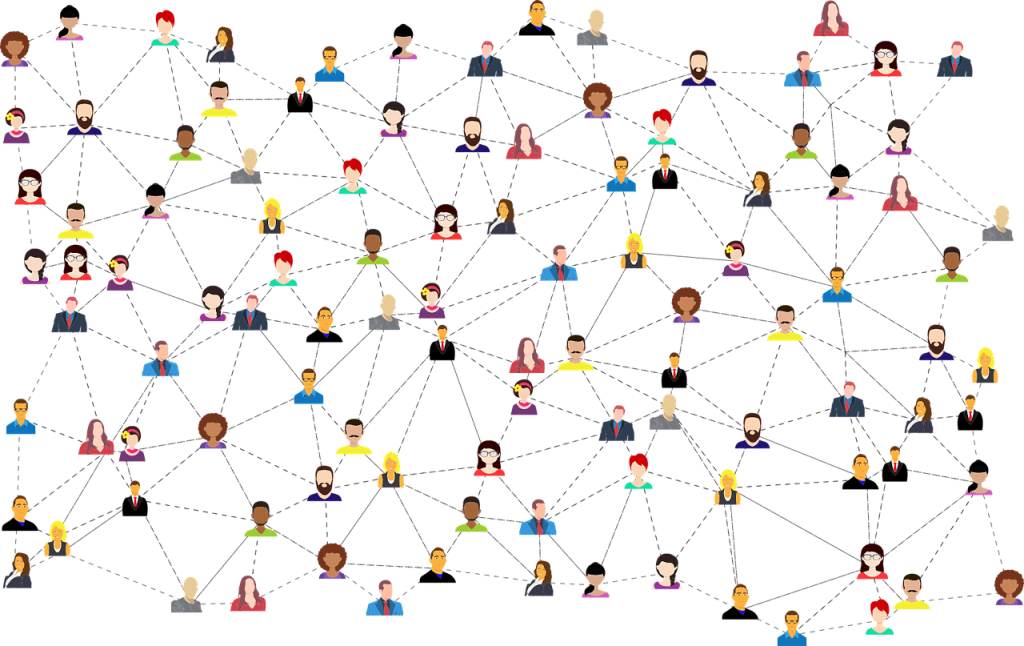
Maintaining strong social connections can have a direct impact on your life expectancy. Numerous studies have highlighted the link between social support and longevity. By having a network of friends and family members who provide emotional support and companionship, you experience a greater sense of security and well-being. This increased support has been associated with a longer and healthier life, with individuals who are socially connected experiencing reduced mortality rates.
Improved survival rates in challenging situations
During difficult times, having strong social connections can be a determining factor in survival. Whether it is battling a serious illness or getting through a personal crisis, the support and care provided by loved ones can significantly impact your chances of overcoming adversity. Social connections offer emotional support, practical assistance, and a sense of belonging that can make all the difference in challenging situations. By cultivating and nurturing your social connections, you can increase your chances of survival and thrive even in the face of adversity.
Enhanced recovery rates from illnesses
Research has shown that social connections can contribute to improved recovery rates from illnesses. The emotional and practical support provided by friends and family members during times of illness can positively impact your healing process. The presence of social connections reduces feelings of isolation and provides a source of comfort and encouragement. By having a strong support system, you can enhance your recovery process and improve your overall health outcomes.
Mental Stimulation
Engaged in meaningful conversations
Social connections provide opportunities for engaging in meaningful conversations, which stimulate mental activity. Meaningful conversations encourage the exchange of ideas, perspectives, and knowledge, leading to cognitive stimulation and intellectual growth. By engaging in deep, thought-provoking discussions with your social connections, you expand your mental horizons and continue to learn and grow throughout your life.
Exposure to diverse perspectives
Interacting with a diverse range of social connections exposes you to different perspectives and worldviews. This exposure to diversity fosters intellectual growth and helps broaden your understanding of the world. Listening to different opinions and engaging in respectful debates challenges your own beliefs and encourages critical thinking. By embracing the diversity within your social connections, you can expand your knowledge and develop a more open-minded perspective.
Strengthened cognitive abilities
Regular social interactions and engagement help strengthen cognitive abilities such as memory, attention, and problem-solving skills. Maintaining social connections requires active listening, memory recall, and quick thinking during conversations, all of which facilitate cognitive development. By staying socially active and participating in mentally stimulating activities with your connections, you can sharpen your cognitive abilities and promote long-term brain health.
Improved Social Skills
Enhanced communication abilities
Social connections provide a platform for developing and enhancing communication abilities. Regular interactions with friends and family members improve your ability to express yourself clearly, listen attentively, and navigate social situations effectively. By practicing communication skills within your social network, you become more confident and proficient in interpersonal interactions. These enhanced communication abilities can positively impact various areas of your life, including personal relationships, professional settings, and community engagement.
Practice empathy and understanding
Regularly engaging with social connections allows you to practice and develop empathy and understanding. By actively listening to the experiences and perspectives of others, you gain insight into their emotions and thoughts. This understanding fosters empathy, allowing you to connect with others on a deeper level and build more meaningful relationships. Developing empathy not only benefits your social connections but also contributes to a more compassionate and interconnected society.
Developed conflict resolution skills
Interacting within a social network inevitably involves navigating conflicts and disagreements. These challenges provide an opportunity to develop conflict resolution skills. Social connections enable you to practice effective communication, negotiation, and compromise. Building these skills helps you handle conflicts constructively and fosters healthier and more harmonious relationships. By actively engaging in conflict resolution within your social connections, you become adept at managing conflicts in other areas of your life as well.
Overall Quality of Life
Increased happiness and life satisfaction
The presence of strong social connections has a direct impact on your happiness and overall life satisfaction. Engaging with friends, family, and other social connections brings joy, laughter, and emotional support into your life. These positive experiences contribute to greater happiness and contentment. By investing time and effort in nurturing your relationships, you can enhance your overall quality of life and experience a deeper sense of happiness and fulfillment.
Improved overall mental and physical health
Maintaining strong social connections has a profound effect on both your mental and physical health. The emotional support provided by your social network reduces the risk of mental health issues and improves your ability to cope with stress. Additionally, the positive influence of social connections on healthy behaviors contributes to better physical well-being and a reduced risk of chronic diseases. By prioritizing your social connections, you can enjoy improved mental and physical health, leading to a better overall quality of life.
Engaged in meaningful and fulfilling relationships
Building and maintaining meaningful relationships is a fundamental aspect of a fulfilling life. Social connections provide a sense of belonging and contribute to an overall sense of purpose and fulfillment. By investing time and effort in fostering strong connections with friends, family, and other individuals, you can experience a greater depth of relationships and enjoy a more meaningful existence. These connections enrich your life, create lasting memories, and provide a support system for challenging times. By prioritizing your social connections, you can cultivate a life filled with love, joy, and fulfillment.
In conclusion, social connections play a vital role in various aspects of our lives. Whether it is our emotional well-being, physical health, cognitive function, healthy behaviors, stress reduction, sense of belonging, or overall quality of life, social connections have a significant impact. By valuing and investing in our relationships, we can experience improved mental and physical health, enhanced well-being, and a greater sense of happiness and fulfillment. So, cherish your social connections, cultivate meaningful relationships, and enjoy the countless benefits that come with being socially connected.