
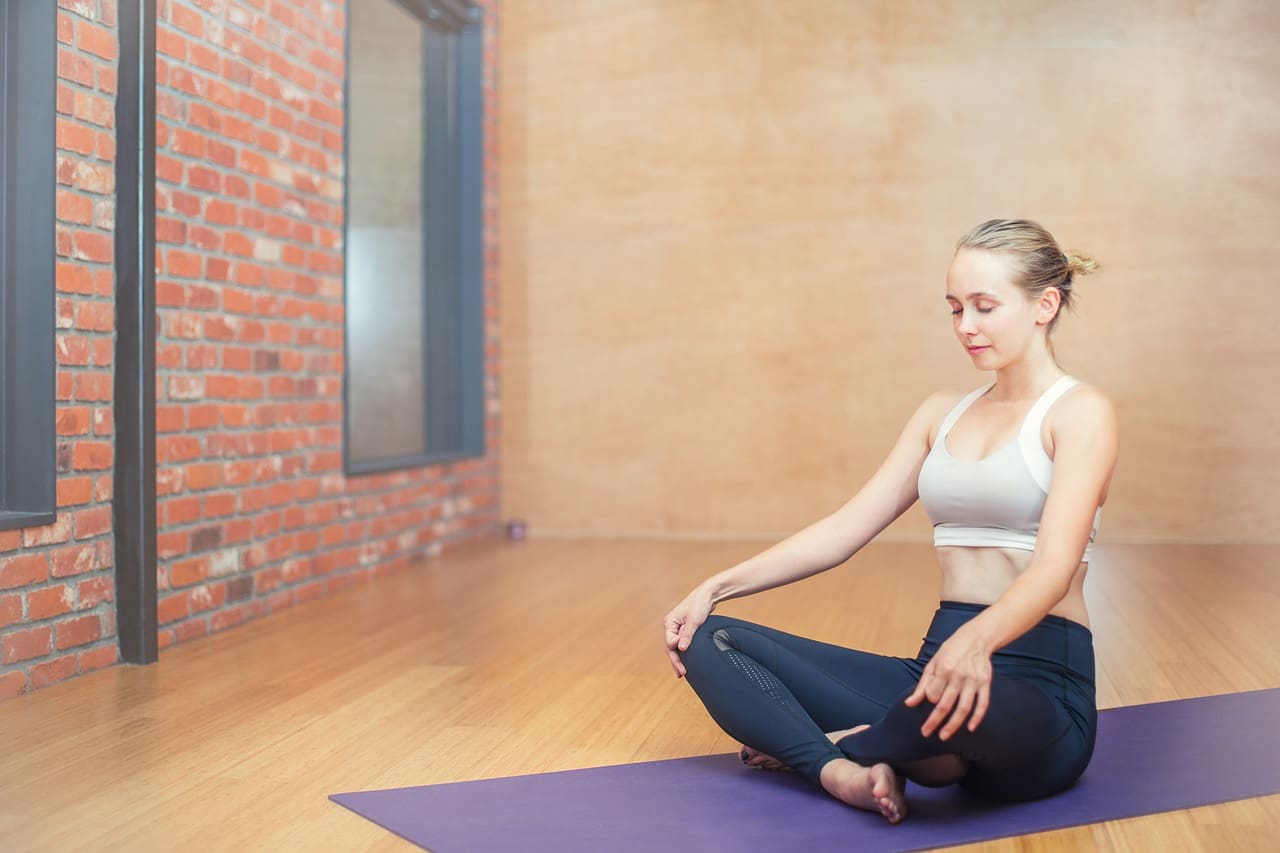
Have you ever wondered how yoga can help improve your flexibility and strength? In this article, we will take you through a beginner’s guide to yoga, focusing specifically on how it can benefit your body’s flexibility and strength. Whether you have never tried yoga before or are looking to deepen your practice, this guide will provide you with valuable insights and tips to get started. Get ready to embark on a journey of self-discovery and physical transformation as we explore the wonders of yoga for both your body and mind.
Benefits of Yoga
Yoga offers a wide range of benefits, making it a popular practice for people of all ages and fitness levels. One of the most noticeable benefits of yoga is increased flexibility. Regular yoga practice helps to loosen tight muscles and improve overall flexibility. As you progress in your practice, you will find that you are able to move more freely and with greater ease.
In addition to increased flexibility, yoga also helps to improve strength. Many yoga poses require you to engage and stabilize your muscles, resulting in increased strength and muscle tone. With consistent practice, you will notice yourself becoming stronger and more capable in your everyday activities.
Another benefit of yoga is enhanced posture. Poor posture is a common problem in today’s sedentary lifestyle, leading to back pain and other issues. Yoga helps to strengthen the muscles that support the spine, resulting in improved posture. By practicing yoga regularly, you can train your body to maintain a healthy and aligned posture throughout the day.
One of the most well-known benefits of yoga is its ability to provide stress relief. The practice of yoga incorporates breathing exercises, meditation, and relaxation techniques, all of which help to calm the mind and reduce stress. By focusing on the present moment and letting go of external worries, yoga can help you find a sense of peace and tranquility in your daily life.
Choosing the Right Yoga Style
With so many different styles of yoga to choose from, it can be overwhelming to know which one is right for you. Here are a few popular styles to consider:
Hatha Yoga
Hatha yoga is a gentle style that focuses on the basic yoga poses and breath control. It is a great choice for beginners, as it allows you to build strength and flexibility at a slower pace. Hatha yoga classes often incorporate meditation and relaxation techniques, making it a well-rounded practice for both the body and mind.
Vinyasa Yoga
Vinyasa yoga is a more dynamic and flowing style of yoga. It is characterized by a series of continuous movements that are synchronized with the breath. Vinyasa classes are often fast-paced and challenging, making them a great choice for those looking to build strength and stamina.
Ashtanga Yoga
Ashtanga yoga is a physically demanding style that follows a specific sequence of poses. It is a highly structured practice that focuses on synchronizing breath with movement. Ashtanga classes are typically vigorous and challenging, making them suitable for those who are looking for a more intense workout.
Bikram Yoga
Bikram yoga, also known as hot yoga, is practiced in a heated room. The heat helps to warm up the muscles and allows for deeper stretching. Bikram classes follow a set sequence of 26 poses, making it a predictable and consistent practice.
Iyengar Yoga
Iyengar yoga is a precise and alignment-focused style of yoga. Props such as blocks, straps, and bolsters are often used to assist in achieving proper alignment. Iyengar classes are known for their attention to detail and focus on correct form.
When choosing a yoga style, it is important to consider your fitness level, goals, and preferences. Trying out different styles and teachers can help you find the right fit for you.
Essential Yoga Equipment
While yoga can be practiced with minimal equipment, there are a few key items that can enhance your practice:
Yoga Mat
A yoga mat provides cushioning and grip, making it easier to hold poses and prevent slipping. Look for a mat that is thick enough to provide support, but not too thick that it becomes unstable. Consider the material, size, and texture of the mat to find one that suits your needs.
Yoga Blocks
Yoga blocks are useful for providing support and stability in poses. They can be used to bring the floor closer to you, making poses more accessible. Blocks come in different sizes and densities, allowing you to customize the support based on your flexibility and strength.
Yoga Strap
A yoga strap is a versatile tool that can help with stretching and improving flexibility. It can be used to extend your reach in poses, especially if you have limited mobility. The strap can also be used to deepen certain stretches and improve alignment.
Yoga Bolster
A yoga bolster is a supportive cushion that can be used to enhance relaxation and provide extra support in certain poses. It can be used to elevate the hips in seated poses or provide support in backbends. A bolster is a great addition to your yoga toolkit for gentle and restorative practices.
Having the right equipment can make your yoga practice more comfortable and enjoyable. Invest in high-quality items that will last and support you throughout your yoga journey.
Basic Yoga Poses
As a beginner, it is helpful to start with a few basic yoga poses to build a foundation for your practice. Here are five poses to get you started:
Mountain Pose
Mountain pose is a foundational pose that helps to improve posture and strengthen the legs. Stand tall with your feet hip-width apart, grounding through all four corners of your feet. Engage your thigh muscles and lengthen your spine. Relax your shoulders and extend your arms down by your sides. Breathe deeply and hold the pose for several breaths.
Downward-facing Dog
Downward-facing dog is a full-body stretch that strengthens the arms, shoulders, and legs. Begin on your hands and knees, with your hands slightly wider than shoulder-width apart. Spread your fingers and tuck your toes under. Lift your hips up and back, pressing your heels toward the ground. Lengthen your spine and relax your head and neck. Hold the pose for several breaths, focusing on creating space in your body.
Warrior Pose
Warrior pose helps to build strength and stability in the legs, while also improving balance. Start in a lunge position, with your right foot forward and your left foot back. Bend your right knee and keep it aligned with your ankle. Ground through your back foot and extend your arms out to the sides, parallel to the floor. Look forward and hold the pose for several breaths. Repeat on the other side.
Tree Pose
Tree pose is a balancing pose that strengthens the legs and improves focus and concentration. Start standing tall with your feet together. Shift your weight onto your left foot and lift your right foot off the ground. Place the sole of your right foot against your inner left thigh or calf. Press your palms together in front of your chest and find a steady gaze. Breathe deeply and hold the pose for several breaths. Repeat on the other side.
Child’s Pose
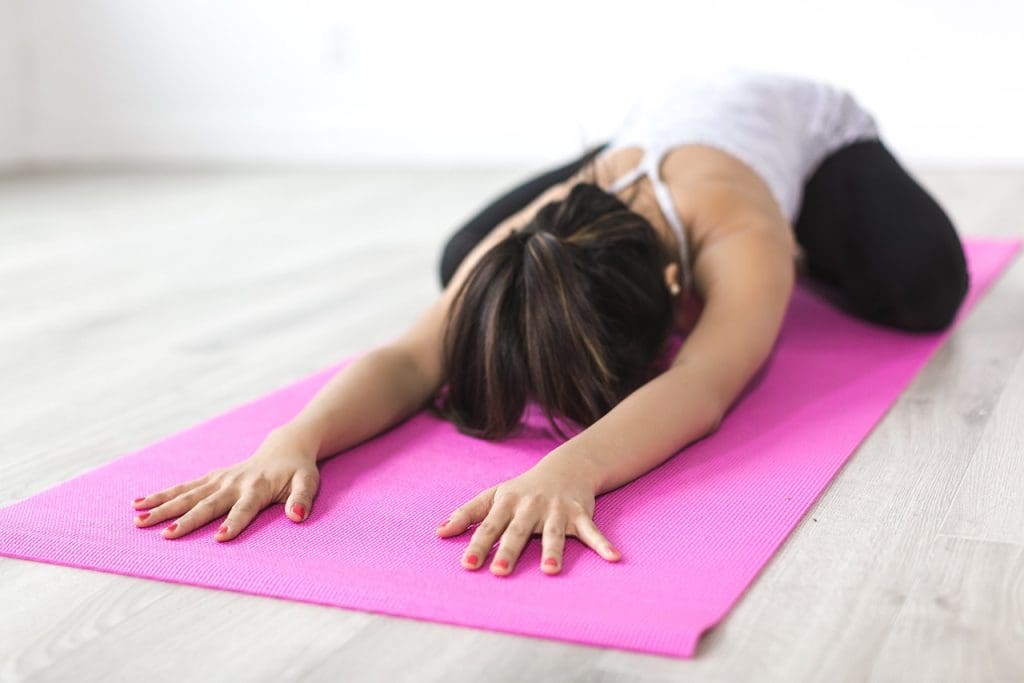
Child’s pose is a restful pose that helps to release tension in the back and shoulders. Start on your hands and knees, bringing your big toes together and spreading your knees apart. Sit back on your heels and fold forward, bringing your forehead to the ground. Extend your arms out in front of you or rest them alongside your body. Breathe deeply and hold the pose for several breaths, focusing on relaxation.
These basic yoga poses provide a strong foundation for your practice. Start with these poses and gradually incorporate more challenging poses as you progress.
Yoga Breathing Techniques
Breathing is an essential part of yoga practice. By focusing on your breath, you can calm the mind and deepen your connection to your body. Here are four common yoga breathing techniques:
Deep Breathing
Deep breathing, also known as diaphragmatic breathing, involves breathing deeply into the belly. It helps to calm the nervous system and reduce stress. Start by sitting or lying down in a comfortable position. Take a slow, deep breath in through your nose, allowing your belly to expand. Exhale slowly through your nose, letting your belly relax. Repeat this deep breathing pattern for several minutes, focusing on the sensation of your breath.
Alternate Nostril Breathing
Alternate nostril breathing is a balancing and calming breath practice. Sit comfortably and bring your right hand up to your face. Use your thumb to close your right nostril and inhale deeply through your left nostril. Close your left nostril with your ring finger and exhale through your right nostril. Inhale through the right nostril, close it with your thumb, and exhale through the left nostril. Continue this pattern, alternating nostrils with each breath. This practice helps to balance the right and left sides of the brain and can be especially helpful for reducing anxiety.
Ujjayi Breath
Ujjayi breath, also known as victorious breath or ocean breath, is a deep and audible breath that helps to generate heat in the body. Start by sitting or standing in a comfortable position. Inhale deeply through your nose, slightly constricting the back of your throat to create a soft hissing sound. Exhale slowly through your nose, maintaining the same level of constriction in your throat. Repeat this deep, audible breathing pattern throughout your practice, allowing the sound to guide your breath.
Kapalabhati Breath
Kapalabhati breath, also known as skull-shining breath, is an energizing breath practice that helps to cleanse the body. Sit comfortably with a straight spine. Take a deep inhalation through your nose, then exhale quickly and forcefully through your nose, drawing your belly in. The emphasis is on the exhalation, as the inhalation will happen naturally. Continue this quick and forceful exhalation pattern, allowing the inhalation to be passive. Start with a few rounds and gradually increase the speed and intensity. This breath practice is invigorating and should be avoided if you have high blood pressure or other cardiovascular conditions.
By incorporating these breathing techniques into your yoga practice, you can deepen your experience and cultivate a sense of inner calm and focus.
Warm-up and Cool-down Exercises
Before diving into your yoga practice, it is important to warm up your muscles and prepare your body for movement. Here are four warm-up exercises to include in your routine:
Neck Rolls
Gently roll your neck from side to side, letting your ear come towards your shoulder. Roll your head in a circular motion, moving from one side to the other. Be gentle and mindful of any tension or discomfort in your neck.
Shoulder Circles
Roll your shoulders forward and backward, focusing on loosening and releasing tension in your shoulder joints. Be mindful of any discomfort and modify the movement as needed.
Side Stretches
Stand with your feet hip-width apart and extend your arms overhead. Lean to one side, reaching through your fingertips and feeling a stretch along the side of your body. Hold the stretch for a few breaths, then switch sides. This exercise helps to open up the sides of the body and release tension.
Seated Forward Fold
Sit on the edge of a folded blanket with your legs extended in front of you. Inhale and lengthen your spine, then exhale and fold forward, reaching towards your feet. Relax your head and neck, and focus on lengthening your spine with each inhalation. Hold the pose for a few breaths, then slowly release.
After your yoga practice, it is equally important to cool down and allow your body to relax. Here are four cool-down exercises to include:
Neck Rolls
Repeat the gentle neck rolls to release any tension that may have accumulated during your practice.
Shoulder Circles
Continue to roll your shoulders forward and backward, this time focusing on maintaining a relaxed and open posture.
Side Stretches
Repeat the standing side stretches, this time focusing on maintaining a slow and controlled movement.
Seated Forward Fold
Sit in a comfortable position and take a few deep breaths to reconnect with your body and gradually transition back into your everyday activities.
By including warm-up and cool-down exercises in your yoga practice, you can prevent injuries, improve flexibility, and promote overall relaxation and well-being.
Building Flexibility with Yoga
Flexibility is a key component of a well-rounded yoga practice. Here are three ways to build flexibility through yoga:
Stretching Exercises
Yoga is known for its ability to increase flexibility through passive stretching. Poses like seated forward fold, standing forward bend, and wide-legged forward bend help to stretch the hamstrings, calves, and lower back. By holding these poses for an extended period of time and focusing on breathing deeply, you can gradually increase your flexibility.
Yoga Flows for Flexibility
Yoga flows, also known as vinyasa sequences, can help to improve flexibility by moving through a series of poses in a fluid and continuous manner. Sun salutations, for example, incorporate a variety of forward bends, backbends, and twists, helping to stretch and lengthen the muscles in the entire body. By flowing through these sequences with mindful movements and deep breaths, you can improve your overall flexibility.
Using Props for Deeper Stretches
Props such as yoga blocks, straps, and bolsters can be used to deepen stretches and enhance flexibility. For example, a block can be placed under the pelvis in seated forward fold to make the pose more accessible and allow for a deeper stretch. A strap can be used to extend the reach in poses like seated forward fold, allowing you to gradually increase flexibility over time. By using props strategically and mindfully, you can safely explore your limits and progress in your flexibility journey.
Remember that flexibility takes time and consistency to develop. Be patient with yourself and focus on your personal progress rather than comparing yourself to others. With regular practice, you will notice improvements in your flexibility and overall range of motion.
Developing Strength through Yoga
In addition to flexibility, yoga also helps to build strength. Here are four ways to develop strength through your yoga practice:
Sun Salutations
Sun salutations, also known as Surya Namaskar, are a series of poses that flow together in a sequence. They help to build strength and stamina by engaging multiple muscle groups in the body. Sun salutations typically include poses like plank, chaturanga, and upward-facing dog, which target the arms, core, and upper body. By practicing sun salutations regularly, you can develop overall strength and endurance.
Core Strengthening Poses
Yoga includes a variety of poses that target the core muscles, which help to stabilize the spine and improve overall body strength. Poses like boat pose, plank pose, and side plank help to engage the abdominal muscles, obliques, and lower back. By including these poses in your practice, you can develop a strong and stable core.
Arm Balances
Arm balances are challenging poses that require upper body strength and core stability. Poses like crow pose, side crow, and forearm stand help to build strength in the arms, shoulders, and core. With consistent practice and proper alignment, you can gradually work towards mastering these advanced poses.
Inversions
Inversions, such as headstand, handstand, and shoulder stand, help to build strength in the upper body and improve balance. These poses require a strong foundation and core engagement to maintain proper alignment. By practicing inversions with the guidance of a qualified teacher, you can develop strength, stability, and a new perspective.
When developing strength through yoga, it is important to listen to your body and work at your own pace. Start with poses that challenge you but are still accessible, and gradually progress to more advanced poses as you build strength and confidence. By incorporating strength-building exercises into your practice, you can enhance your physical abilities and feel more empowered in your body.
Tips for a Successful Yoga Practice
To get the most out of your yoga practice, here are four tips to keep in mind:
Start with Beginner-Friendly Classes
If you are new to yoga or returning after a long break, it is important to start with beginner-friendly classes. These classes are designed to introduce you to the basic poses and alignment principles, gradually building your strength and flexibility. Look for classes labeled as “beginner,” “gentle,” or “foundations” to ensure a safe and supportive learning environment.
Listen to Your Body
Yoga is a practice of self-awareness and self-care. Listen to your body and honor its limits. Avoid pushing yourself into painful or uncomfortable positions. Instead, focus on finding a balance between effort and ease in each pose. If a pose doesn’t feel right for your body, modify or skip it altogether. Your practice should leave you feeling energized and refreshed, not drained or in pain.
Be Consistent
Consistency is key when it comes to reaping the benefits of yoga. Aim to practice yoga regularly, even if it’s just for a few minutes each day. Set aside dedicated time for your practice and make it a priority. Whether you choose to practice in a studio, at home, or while traveling, consistency will help you build strength, flexibility, and mental focus over time.
Practice Proper Alignment
Proper alignment is essential for a safe and effective yoga practice. Pay attention to the alignment cues given by your teacher and focus on engaging the correct muscles in each pose. By practicing with proper alignment, you can prevent injuries and get the most out of each pose. If you are unsure about alignment, don’t hesitate to ask for guidance or seek the help of a knowledgeable instructor.
By following these tips, you can create a successful and fulfilling yoga practice that supports your physical and mental well-being.
Conclusion
Yoga is a wonderful practice for improving flexibility and strength. By incorporating yoga into your routine, you can reap a multitude of benefits, including increased flexibility, improved strength, enhanced posture, and stress relief. Whether you are a beginner or an experienced practitioner, there are many styles of yoga to choose from, including Hatha, Vinyasa, Ashtanga, Bikram, and Iyengar. With commitment and practice, you can achieve great results and experience the transformative power of yoga in your life. So roll out your mat, take a deep breath, and let the journey begin. Namaste.