
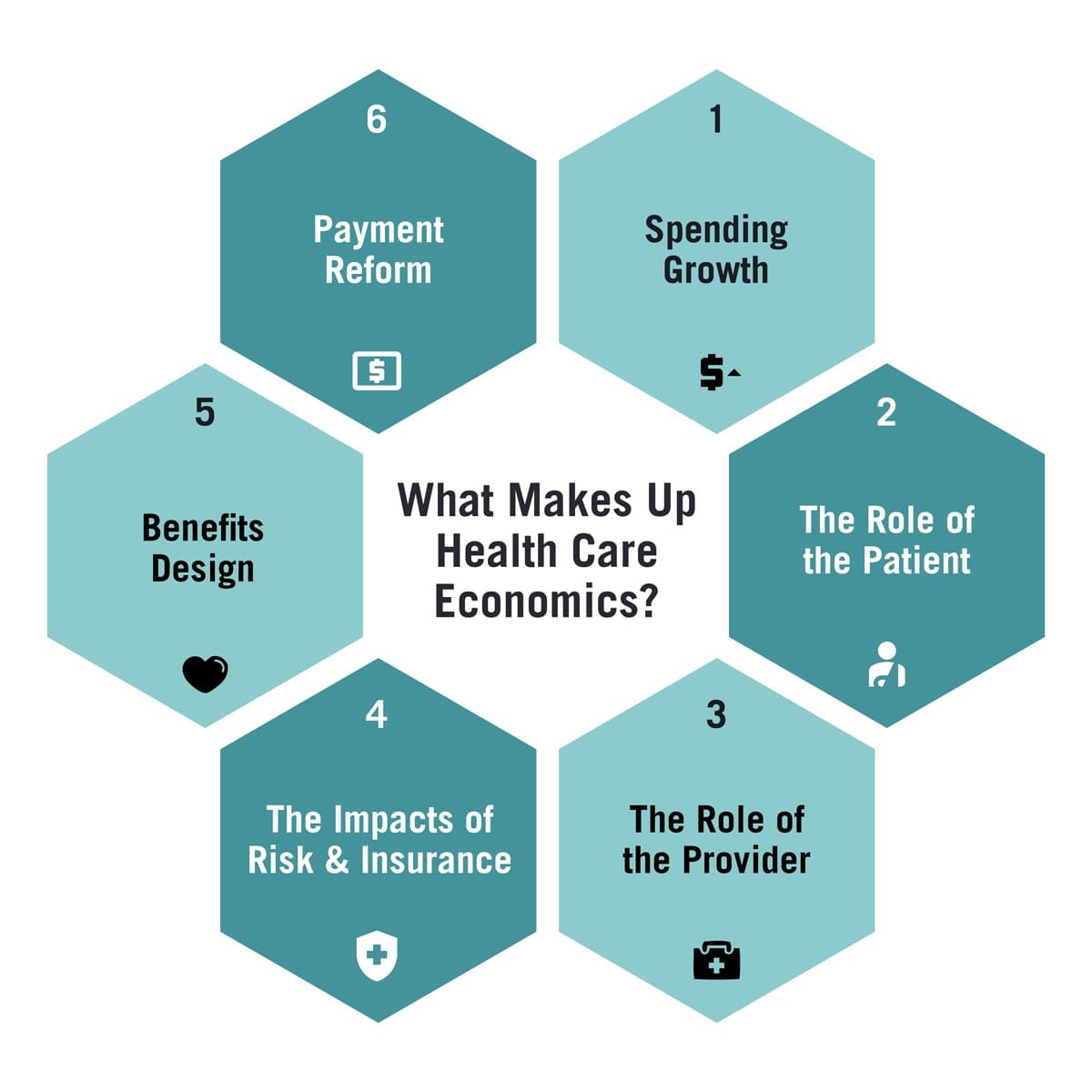
Welcome to an enlightening exploration of the impact of economic policy on healthcare. In this article, you will discover how economic policies can shape the accessibility, quality, and affordability of healthcare services in various countries. By understanding the intricate relationship between economic decisions and healthcare outcomes, you will gain valuable insights into the importance of policy design in promoting optimal health outcomes for all individuals. So, grab a cup of tea and prepare to delve into the fascinating world of healthcare economics! Have you ever thought about how economic policy can impact the healthcare system? Let’s explore the relationship between economic policy decisions and healthcare outcomes in this informative article.

Understanding Economic Policy
When it comes to healthcare, economic policy plays a crucial role in shaping the landscape of services available to you as a patient. Economic policy refers to the government’s actions that influence the economy’s growth and stability. These policies can include taxation, government spending, and regulations that impact healthcare providers and patients alike.
Understanding the basics of economic policy can help you grasp the broader picture of how decisions made at the government level can have a direct impact on your healthcare experience. By exploring this topic, you can become a more informed advocate for policies that support better healthcare outcomes for all.
Impact of Taxation on Healthcare Costs
Taxation is a key component of economic policy that can directly affect healthcare costs for individuals and families. When governments levy taxes on certain products, such as tobacco or sugary beverages, they aim to discourage consumption and promote public health. These so-called “sin taxes” can have a dual purpose of not only generating revenue for the government but also reducing the burden of preventable diseases on the healthcare system.
On the other hand, income taxes and payroll taxes can impact the affordability of healthcare for individuals and families. Lower-income households may struggle to afford insurance premiums or out-of-pocket expenses, leading to disparities in access to care. Understanding how taxation policies can influence healthcare costs is essential for advocating for equitable healthcare solutions that benefit all members of society.
Example of Sin Taxes
Sin taxes are a popular tool used by governments to address public health concerns. For instance, in 2020, the United States introduced an additional tax on electronic cigarettes to deter underage vaping and reduce the prevalence of vaping-related lung illnesses. By taxing these products, the government aims to protect public health while generating revenue to fund healthcare initiatives.
Impact of Income Taxes on Healthcare Accessibility
Income taxes can also play a significant role in determining the affordability of healthcare for different income groups. Lower-income individuals may be eligible for government subsidies or Medicaid coverage to help offset the costs of healthcare services. On the other hand, higher-income households may face higher tax rates, reducing their disposable income for healthcare expenses.

Government Spending on Healthcare Programs
Government spending on healthcare programs is another key aspect of economic policy that can shape the quality and availability of healthcare services. Public healthcare programs, such as Medicare and Medicaid, provide essential coverage to millions of Americans who may not otherwise afford medical care. By allocating funds to these programs, the government can improve access to healthcare for vulnerable populations and reduce disparities in health outcomes.
Understanding how government spending impacts healthcare programs can help you advocate for policies that prioritize public health and well-being. By staying informed about budget allocations and funding priorities, you can make your voice heard on issues that affect you and your community.
Importance of Medicare and Medicaid
Medicare and Medicaid are two of the largest government healthcare programs in the United States, providing coverage to millions of seniors, low-income individuals, and people with disabilities. These programs play a critical role in ensuring that vulnerable populations have access to essential healthcare services, such as hospital stays, prescription drugs, and preventive care.
Impact of Budget Cuts on Health Programs
Budget cuts to healthcare programs can have far-reaching consequences for individuals and communities that rely on these services. Reductions in funding can lead to decreased access to care, longer wait times for appointments, and compromised quality of services. By understanding the impact of budget cuts on healthcare programs, you can advocate for policies that protect essential healthcare services for all.
Regulatory Policies Affecting Healthcare Providers
Regulatory policies enacted by governments can have a profound impact on healthcare providers, shaping the way they deliver care and interact with patients. From licensing requirements to billing regulations, these policies can influence the cost, quality, and accessibility of healthcare services. Understanding how regulatory policies affect healthcare providers can help you navigate the healthcare system more effectively and advocate for policies that prioritize patient well-being.
Impact of Licensing Regulations
Licensing regulations govern the qualifications and standards that healthcare providers must meet to practice medicine legally. These regulations aim to ensure that providers have the necessary skills and training to deliver safe and effective care to patients. By upholding licensing requirements, governments can protect the public from unqualified practitioners and maintain high standards of care across healthcare settings.
Billing Regulations and Insurance Requirements
Billing regulations and insurance requirements dictate how healthcare providers bill for their services and interact with insurance companies. These regulations can impact the affordability of care for patients, as well as the reimbursement rates that providers receive for their services. By understanding how billing regulations and insurance requirements affect healthcare costs, you can make informed decisions about your healthcare options and advocate for policies that promote transparency and affordability.

The Role of Economic Policy in Healthcare Reform
Healthcare reform is a complex and ongoing process that aims to improve the quality, accessibility, and affordability of healthcare services for all individuals. Economic policy plays a central role in shaping the direction of healthcare reform efforts, influencing the allocation of resources, funding priorities, and regulatory frameworks for the healthcare system.
By understanding the role of economic policy in healthcare reform, you can become an informed advocate for policies that address the root causes of healthcare disparities and promote positive health outcomes for all members of society. Whether you’re interested in cost containment, quality improvement, or expanding access to care, economic policy decisions can have a lasting impact on the healthcare system as a whole.
The Need for Comprehensive Healthcare Reform
Comprehensive healthcare reform is essential for addressing the systemic challenges that undermine the quality and accessibility of healthcare services. By tackling issues such as rising costs, provider shortages, and inequitable access to care, policymakers can create a more sustainable and inclusive healthcare system. Understanding the importance of comprehensive healthcare reform can empower you to advocate for policies that prioritize preventive care, evidence-based practices, and patient-centered solutions.
Innovative Approaches to Healthcare Delivery
Innovative approaches to healthcare delivery, such as telemedicine, mobile health clinics, and community-based care models, can help expand access to care and improve health outcomes for underserved populations. By leveraging technology and community resources, healthcare providers can reach patients where they are and deliver high-quality care in a timely and cost-effective manner. Understanding the potential of innovative healthcare delivery models can inspire you to support policies that promote access, equity, and efficiency in the healthcare system.
Conclusion
In conclusion, economic policy plays a critical role in shaping the healthcare landscape, influencing everything from costs to access to quality of care. By understanding the impact of economic policy decisions on healthcare outcomes, you can become a more informed advocate for policies that prioritize public health, equity, and well-being. Whether you’re interested in taxation, government spending, regulatory policies, or healthcare reform, economic policy decisions have tangible effects on your healthcare experience as a patient. Stay informed, get involved, and make your voice heard on issues that matter to you and your community. Together, we can work towards a healthcare system that promotes health and well-being for all.