
Did you know that there is a fascinating connection between the health of your gut and your overall well-being as a woman? It turns out that the state of your gut can have a significant impact on various aspects of your health, including your immune system, mental health, and even your hormonal balance. In this article, we will explore this intriguing link and uncover some simple yet effective ways to improve your gut health, leading to a happier and healthier you. So, let’s dive into the world of gut health and discover how nurturing your gut can transform your well-being.
Understanding Gut Health
The gut microbiome
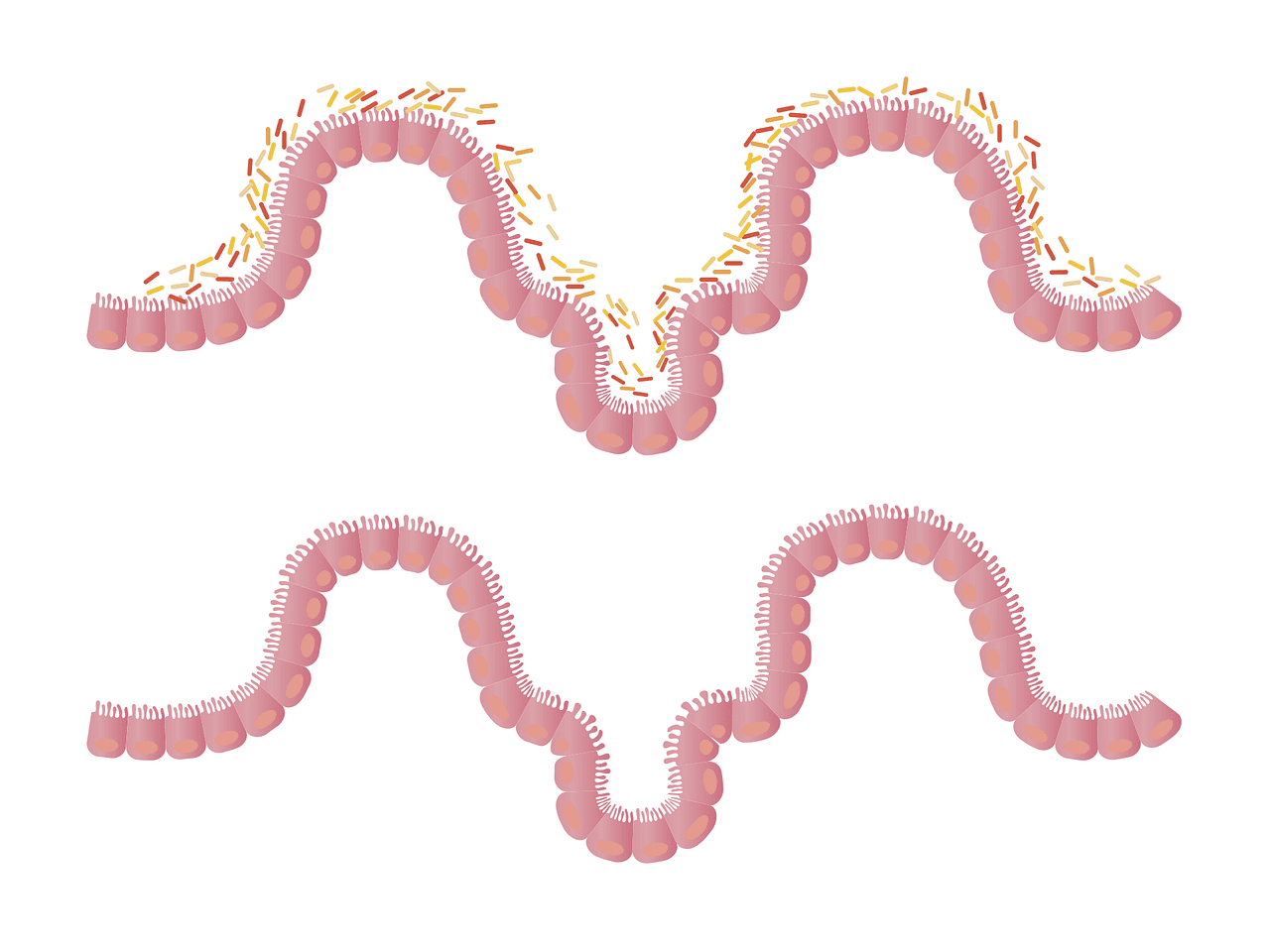
Gut health is closely tied to the health and balance of the gut microbiome. The gut microbiome refers to the trillions of bacteria, fungi, and other microorganisms that reside in our digestive tract. These microorganisms play a vital role in digestion, nutrient absorption, immune function, and overall well-being. A diverse and balanced gut microbiome is essential for optimal health.
Importance of gut health for overall well-being
Maintaining a healthy gut is crucial for overall well-being, and this is no different for women. The gut affects various aspects of our health, including hormonal balance, reproductive health, mental well-being, and overall immune function. When the gut microbiome is imbalanced or compromised, it can lead to a range of health issues and impact overall well-being.
The Connection Between Gut Health and Women’s Well-being
Hormonal balance and gut health
Hormonal balance is essential for women’s well-being, and the gut plays a significant role in maintaining this balance. The gut microbiome helps metabolize hormones, such as estrogen, and contributes to their proper elimination from the body. When the gut is imbalanced, hormonal imbalances can occur, leading to symptoms like irregular periods, mood swings, and other reproductive health issues.
Impact of gut health on reproductive health
The health of the gut microbiome can directly impact reproductive health in women. When the gut is in a healthy state, it aids in the absorption of vital nutrients needed for reproductive function. On the other hand, an imbalanced gut can lead to nutrient deficiencies and inflammation, which can affect fertility, menstrual regularity, and overall reproductive health.
Gut health and mental well-being in women
Studies have shown a strong link between gut health and mental well-being in women. The gut microbiome produces neurotransmitters, such as serotonin, which is often referred to as the “feel-good” hormone. When the gut is imbalanced, it can lead to disruptions in neurotransmitter production, potentially contributing to mood disorders, anxiety, and depression.
Common Gut Health Issues Among Women
Irritable bowel syndrome (IBS)
IBS is a common gut health issue that affects many women. It is characterized by symptoms such as abdominal pain, bloating, constipation, and diarrhea. While the exact cause of IBS is unknown, it is believed to be influenced by factors like stress, diet, and gut microbiome imbalances. Managing IBS often involves lifestyle changes, dietary modifications, and sometimes medication.
Inflammatory bowel disease (IBD)
Inflammatory bowel disease, which includes conditions like Crohn’s disease and ulcerative colitis, can significantly impact a woman’s gut health. These conditions involve chronic inflammation of the digestive tract, leading to symptoms like abdominal pain, diarrhea, and weight loss. Treatment for IBD may include medications, dietary changes, and in severe cases, surgery.
Gut imbalances and yeast infections
Imbalances in the gut microbiome can also contribute to yeast infections, such as vaginal yeast infections. The overgrowth of certain microorganisms can disrupt the delicate balance in the vaginal flora, leading to symptoms like itching, inflammation, and abnormal discharge. Maintaining a healthy gut microbiome through a balanced diet and probiotic supplementation can help prevent and manage yeast infections.
The Role of Diet in Maintaining Gut Health
Fiber-rich foods and gut health
A diet rich in fiber is essential for gut health. Fiber is not only important for digestion but also acts as fuel for beneficial gut bacteria. It helps promote regular bowel movements, prevents constipation, and supports the growth of a diverse and healthy gut microbiome. Including a variety of fruits, vegetables, whole grains, and legumes in your diet can help ensure an adequate intake of fiber.
Probiotics and fermented foods
Probiotics are beneficial bacteria that can help restore and maintain a healthy gut microbiome. They can be found in fermented foods such as yogurt, kefir, sauerkraut, and kimchi. Adding probiotic-rich foods to your diet can help promote a healthy balance of gut bacteria and support overall gut health.
The impact of sugar and processed foods on gut health
A diet high in sugar and processed foods can negatively impact gut health. These foods can disrupt the balance of gut bacteria, leading to inflammation and an increased risk of gut-related issues. It is important to limit the intake of sugary snacks, sodas, refined grains, and processed foods to maintain a healthy gut.
Lifestyle Factors and Gut Health in Women
Stress, cortisol, and gut health
Chronic stress can have a significant impact on gut health in women. When we experience stress, our bodies release cortisol, a stress hormone that, when elevated for long periods, can disrupt the balance of gut bacteria. Managing stress through relaxation techniques, mindfulness practices, and regular physical activity can help support a healthy gut.
Exercise and gut health
Regular exercise is not only beneficial for overall health but also for gut health. Exercise helps stimulate digestion and supports healthy bowel movements. It can also help reduce inflammation and promote a diverse gut microbiome. Incorporating moderate-intensity exercise, such as brisk walking, yoga, or cycling, into your routine can contribute to a healthy gut.
The importance of sleep for gut health
A good night’s sleep is essential for maintaining gut health. Poor sleep habits and sleep disturbances can negatively impact the gut microbiome, leading to imbalances and increased inflammation. Aim for at least 7-8 hours of quality sleep every night to support a healthy gut.
The Influence of Hormonal Changes on Gut Health
Menstrual cycle and gut health
Hormonal changes that occur during the menstrual cycle can influence gut health in women. Many women experience digestive symptoms, such as bloating and constipation, during certain phases of their cycle. The fluctuation of hormones, particularly estrogen and progesterone, can affect gut motility and digestion. Ensuring a healthy gut microbiome through a balanced diet and lifestyle habits can help manage these symptoms.
Pregnancy, menopause, and gut health
Pregnancy and menopause are two significant life stages that can impact women’s gut health. During pregnancy, hormonal changes can affect digestion and nutrient absorption. Maintaining a healthy gut through proper diet and probiotic supplementation can help support digestive health during pregnancy. Similarly, menopause can lead to changes in gut microbiota composition, and following a gut-healthy diet can help manage symptoms and support overall well-being.
How to Support Gut Health in Women
Consulting with a healthcare professional
If you have concerns about your gut health, it is essential to consult with a healthcare professional. They can assess your symptoms, perform necessary tests, and provide guidance on managing gut health issues specific to women. Their expertise can help determine the appropriate course of action for your individual needs.
Maintaining a balanced diet
A balanced diet is crucial for supporting gut health in women. Ensure you consume a variety of fruits, vegetables, whole grains, lean proteins, and healthy fats. Focus on incorporating fiber-rich foods, probiotic-rich foods, and avoiding excess sugar and processed foods. A well-rounded diet supports a diverse and healthy gut microbiome.
Regular physical activity
Regular physical activity is beneficial for gut health in women. Engaging in moderate-intensity exercise for at least 30 minutes a day can help stimulate digestion, promote bowel regularity, and support a healthy gut microbiome. Find activities that you enjoy, whether it’s walking, dancing, swimming, or practicing yoga.
Stress management and self-care
Managing stress and practicing self-care are essential for maintaining gut health. Incorporate stress management techniques into your routine, such as meditation, deep breathing exercises, or engaging in hobbies that bring you joy. Prioritize self-care activities that nourish your mind, body, and spirit, as they can help reduce stress and promote a healthy gut.
The Role of Probiotics in Women’s Gut Health
Benefits of probiotics for women
Probiotics provide numerous benefits for women’s gut health. They help restore and maintain a healthy gut microbiome by promoting the growth of beneficial bacteria. Probiotics can aid in digestion, support immune function, prevent and manage vaginal infections, and even improve mood and mental well-being.
Choosing the right probiotic supplement
When selecting a probiotic supplement, it is important to choose one that is specifically formulated for women. Look for supplements that contain a variety of strains, including Lactobacillus and Bifidobacterium, and are targeted for the female reproductive and urinary tracts. It is advisable to consult with a healthcare professional to determine the most suitable probiotic supplement for your needs.
Navigating Gut Health Challenges During Different Life Stages
Puberty and gut health
Puberty is a time of significant hormonal changes that can impact gut health in girls. Hormonal fluctuations during this time can lead to digestive issues such as bloating, constipation, and diarrhea. Encouraging a healthy diet, consisting of fiber-rich foods and probiotic-rich sources, can help support gut health during puberty.
Gut health during reproductive years
Maintaining a healthy gut during reproductive years is crucial for women’s overall health and fertility. Eating a balanced diet, managing stress, and avoiding harmful habits like smoking and excessive alcohol consumption can support gut health during this important life stage. Regular check-ups with a healthcare professional can help identify and address any gut health concerns promptly.
Gut health during menopause
Menopause brings significant hormonal changes that can impact gut health. Changes in estrogen levels can affect gut motility, digestion, and nutrient absorption. Incorporating foods rich in fiber, antioxidants, and probiotics can help support gut health during menopause. Additionally, managing symptoms such as hot flashes and mood swings through lifestyle changes and hormonal therapy can contribute to overall gut well-being.
Research and Advancements in Gut Health
Ongoing studies and discoveries
Researchers are continuously studying gut health and its impact on women’s well-being. Ongoing studies focus on understanding the interactions between the gut microbiome, hormones, and various health conditions specific to women. Through these studies, scientists aim to uncover new insights and potential therapies for gut-related issues.
Emerging treatments and interventions
As our understanding of gut health expands, new treatments and interventions are emerging. These include personalized probiotic formulations, fecal microbiota transplantation, and targeted therapies for gut-related disorders. While these advancements are still in progress, they offer hope for improved management of gut health issues in women.
In conclusion, gut health plays a vital role in women’s overall well-being. Understanding the connection between gut health and various aspects of women’s health, such as reproductive health and mental well-being, is essential. By implementing strategies to maintain a healthy gut, such as a balanced diet, regular exercise, stress management, and appropriate probiotic supplementation, women can support their gut health and improve their overall quality of life. Remember to consult with a healthcare professional for personalized advice and guidance on maintaining optimal gut health throughout different life stages.