
Imagine a life where you are fully present in every moment, experiencing a sense of calm and clarity, and living in harmony with yourself and the world around you. This is the power of mindfulness and holistic living. By practicing mindful awareness and embracing a holistic approach to life, you can unlock a multitude of benefits for your mental, emotional, and physical well-being. In this article, we will explore the transformative effects of mindfulness and holistic living, and discover how incorporating these practices into your daily routine can lead to a more fulfilling and balanced life. So sit back, relax, and prepare to embark on a journey of self-discovery and personal growth.
What is Mindfulness?
Definition of mindfulness
Mindfulness is a state of being fully present and engaged in the present moment, with acceptance and non-judgment. It involves consciously directing your attention to the present moment and accepting it without any resistance or judgment. The practice of mindfulness encourages individuals to observe their thoughts, emotions, and sensations without reacting or getting caught up in them. It is about cultivating a sense of awareness, clarity, and compassion towards oneself and others.
Benefits of mindfulness practice
Engaging in regular mindfulness practice can have numerous benefits for your overall well-being. One of the key benefits is the reduction of stress and anxiety. When you practice mindfulness, you are able to observe your thoughts and emotions without getting overwhelmed by them, leading to a greater sense of calm and relaxation. Additionally, mindfulness can improve focus and concentration, as it teaches you to direct your attention intentionally and avoid distractions. It also enhances self-awareness and emotional intelligence, allowing you to better understand and manage your emotions.
Difference between mindfulness and meditation
While mindfulness and meditation are often used interchangeably, they have distinct differences. Mindfulness is a state of being fully present in the moment, while meditation is a formal practice that cultivates mindfulness. Meditation involves setting aside dedicated time to focus on your breath, body sensations, or specific objects of attention. It is a way to train your mind to be more mindful in everyday life. Mindfulness, on the other hand, is about bringing that sense of present-moment awareness into your daily activities and interactions.
Principles of Holistic Living
Understanding holistic living
Holistic living is an approach to life that considers the whole person – mind, body, and spirit – and emphasizes the interconnectedness of all aspects of life. It recognizes that to achieve optimal well-being, one must address not only physical health but also mental, emotional, and spiritual well-being. Holistic living encourages individuals to take a comprehensive approach to their lifestyle choices, considering how different areas of life, such as diet, exercise, and relationships, impact overall well-being.
The mind-body connection
The mind-body connection is a fundamental principle of holistic living. It recognizes that the mind and body are closely interconnected, and that the health of one affects the other. When you experience stress or negative emotions, your body responds with physical symptoms such as tense muscles or increased heart rate. Similarly, when you prioritize physical health through regular exercise and a balanced diet, it has a positive impact on your mental well-being. Understanding and nurturing the mind-body connection is essential for holistic living.
Incorporating balance in life
Balance is a key principle of holistic living. It involves finding equilibrium in all areas of life – work, relationships, self-care, and leisure. Balancing these different aspects allows for a more fulfilling and harmonious life. It means taking time for self-care and relaxation, as well as maintaining healthy boundaries in relationships and pursuing activities that bring joy and fulfillment. By incorporating balance into your life, you can cultivate overall well-being and prevent burnout.
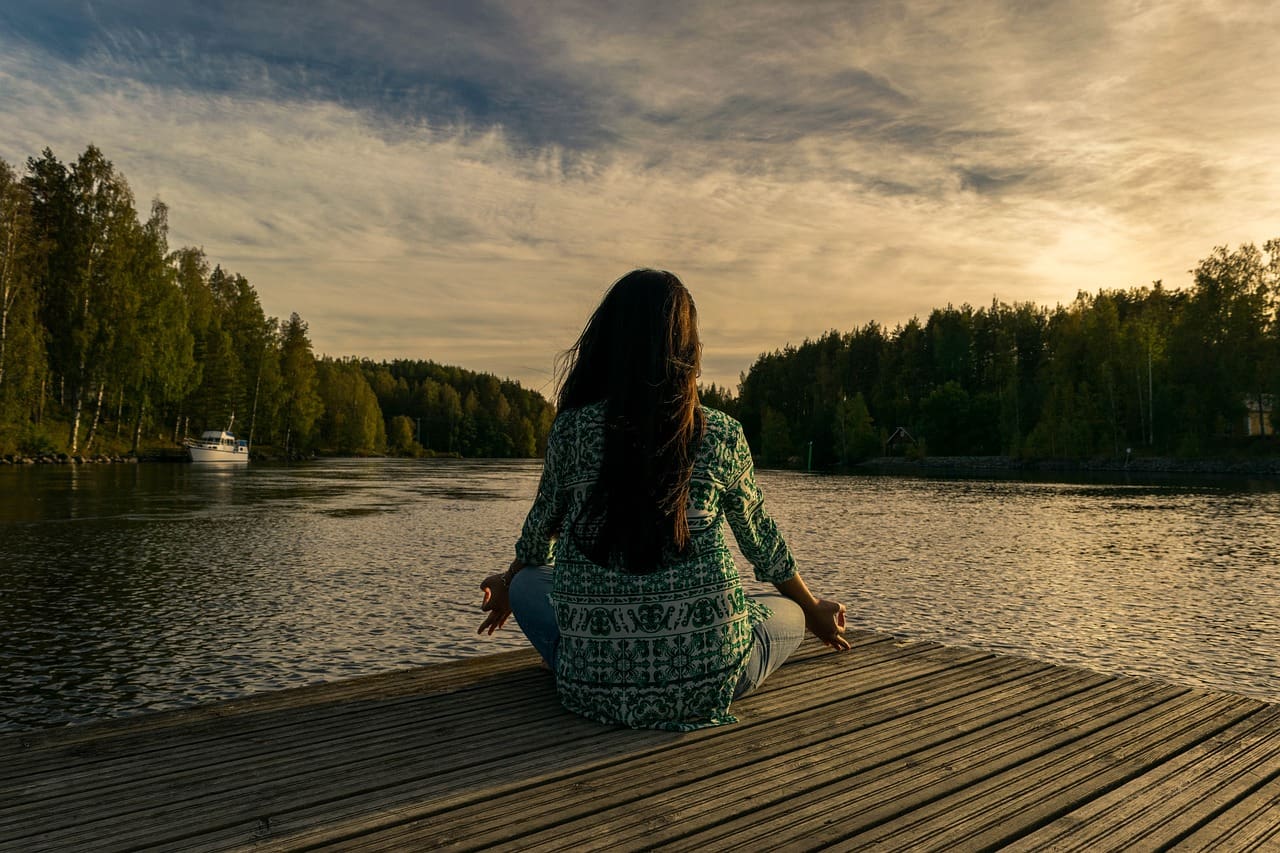
The Power of Mindfulness
Reducing stress and anxiety
One of the most well-known benefits of mindfulness practice is its ability to reduce stress and anxiety. By cultivating present-moment awareness and non-judgmental acceptance, individuals can break free from the cycle of negative thoughts and worries that often lead to stress and anxiety. When you practice mindfulness, you learn to observe your thoughts and emotions without getting caught up in them, creating a sense of calm and inner peace.
Improved focus and concentration
In our fast-paced and distracted world, it can be challenging to maintain focus and concentration. However, mindfulness practice can help improve these cognitive abilities. Through consistent practice, you learn to direct your attention intentionally and avoid getting easily distracted by external stimuli. This enhanced focus and concentration can improve productivity and performance in various areas of life, including work, study, and personal hobbies.
Enhanced self-awareness and emotional intelligence
Mindfulness practice also cultivates self-awareness and emotional intelligence. By observing your thoughts, emotions, and bodily sensations, you develop a deeper understanding of yourself. You become more attuned to your needs, desires, and triggers, and can better navigate challenging situations. This heightened self-awareness also extends to others, enabling you to empathize and understand their perspectives more effectively. By developing emotional intelligence through mindfulness, you can foster healthier relationships and navigate conflicts more skillfully.
Holistic Living for Physical Health
Importance of healthy eating
Healthy eating is a cornerstone of holistic living. It involves nourishing your body with wholesome, nutrient-dense foods that support optimal physical health. By focusing on whole foods such as fruits, vegetables, whole grains, and lean proteins, you provide your body with the essential vitamins, minerals, and antioxidants it needs to function optimally. Healthy eating also involves listening to your body’s hunger and fullness cues and developing a positive relationship with food.
Regular exercise and movement
Physical activity is another crucial aspect of holistic living. Regular exercise not only helps maintain a healthy weight and improve cardiovascular health but also has numerous mental and emotional benefits. Engaging in activities that you enjoy, whether it’s walking, cycling, dancing, or practicing yoga, boosts endorphin levels and reduces stress. It also improves mood, cognitive function, and overall well-being. Finding ways to incorporate movement into your daily routine supports holistic living.
Using natural remedies and alternative therapies
In addition to conventional approaches, holistic living embraces natural remedies and alternative therapies. It recognizes the power of plants and natural substances in promoting health and healing. For example, herbal remedies and essential oils can be used to alleviate common ailments like headaches or insomnia. Acupuncture and acupressure are alternative therapies that balance the body’s energy systems. By exploring these natural options, you can complement conventional treatments and promote holistic well-being.

Holistic Living for Mental Health
Managing stress and burnout
Mental health is a crucial component of holistic living, and managing stress and preventing burnout is paramount. Incorporating stress management techniques such as mindfulness, meditation, deep breathing exercises, and time for relaxation can help reduce the negative effects of stress. It is also important to establish healthy boundaries, prioritize self-care, and seek support when needed. By actively managing stress and burnout, you can safeguard your mental well-being and maintain a balanced and fulfilling life.
Promoting positive thinking
Positive thinking is another essential aspect of holistic living for mental health. It involves cultivating a mindset that focuses on the positive aspects of life and reframing negative thoughts into more constructive and empowering ones. Engaging in gratitude practices, affirmations, and visualization techniques can help shift your perspective and promote a positive mindset. By nourishing positive thinking, you can improve overall well-being and resilience in the face of challenges.
Fostering healthy relationships
Healthy relationships are vital for holistic living and mental health. Nurturing positive connections with family, friends, and colleagues contributes to a sense of belonging, support, and emotional well-being. It involves open communication, active listening, empathy, and the willingness to resolve conflicts in a constructive manner. Fostering healthy relationships also means setting boundaries, prioritizing self-care, and surrounding yourself with people who uplift and inspire you.
Mindfulness and Holistic Healing
Mindfulness-based therapies
Mindfulness-based therapies combine the benefits of mindfulness practice with therapeutic techniques to support healing and well-being. These therapies, such as Mindfulness-Based Stress Reduction (MBSR) and Mindfulness-Based Cognitive Therapy (MBCT), have been shown to be effective in reducing symptoms of anxiety, depression, and chronic pain. They integrate mindfulness into traditional therapeutic approaches and provide individuals with tools and strategies to navigate challenges and cultivate resilience.
Holistic approaches to healing
Holistic approaches to healing recognize that the mind, body, and spirit are interconnected and influence each other’s well-being. These approaches consider multiple factors that may contribute to illness or imbalance, such as lifestyle, emotional state, and social support. They prioritize prevention, self-care, and empowering individuals to take an active role in their healing journey. Holistic healing may involve a combination of conventional medicine, complementary therapies, and lifestyle changes to support overall well-being.
Integrating mindfulness in traditional medicine
The integration of mindfulness in traditional medicine is gaining recognition as a way to enhance patient care and outcomes. Mindfulness practices can be integrated into healthcare settings such as hospitals, clinics, and rehabilitation centers to support patients’ physical and emotional well-being. Mindfulness-based interventions have been shown to reduce pain, improve quality of life, and enhance patient satisfaction. By incorporating mindfulness into traditional medicine, healthcare providers can offer a comprehensive and holistic approach to healing.

Bringing Mindfulness into Daily Life
Practicing mindfulness in everyday activities
Bringing mindfulness into daily life means applying the principles of present-moment awareness and non-judgment to your everyday activities. It involves being fully engaged and attentive in simple tasks such as eating, walking, or washing dishes. By slowing down and savoring each moment, you can cultivate a deeper sense of gratitude, joy, and connection with the present moment. Mindful awareness can be practiced in any activity, reminding you to fully experience life’s ordinary moments.
Creating a mindful environment
Creating a mindful environment can support your mindfulness practice and overall well-being. It involves decluttering and organizing your physical space, creating a calming and nourishing atmosphere. You can incorporate elements such as natural light, plants, and calming scents to promote a sense of tranquility. Minimizing distractions from technology and cultivating a quiet and peaceful space can also enhance your ability to cultivate mindfulness and focus on the present moment.
Mindful communication and relationships
Mindful communication is an essential aspect of mindfulness in daily life. It involves being fully present and attentive when interacting with others. Mindful communication means listening with an open mind, speaking consciously and considerately, and cultivating empathy and understanding. By practicing mindful communication, you can foster deeper connections, resolve conflicts more effectively, and contribute to more harmonious and fulfilling relationships.
Holistic Living Practices
Yoga and meditation
Yoga and meditation are integral practices in holistic living, promoting physical, mental, and spiritual well-being. Yoga combines physical postures, controlled breathing, and meditation to cultivate strength, flexibility, and mindfulness. It helps release tension, improve body awareness, and enhance overall vitality. Meditation, on the other hand, is a practice of focusing the mind and cultivating mindfulness and inner stillness. Regular yoga and meditation practices can support holistic living and promote a sense of balance and harmony.
Acupuncture and acupressure
Acupuncture and acupressure are alternative therapies that have been used for centuries to promote holistic well-being. They are based on the principles of Traditional Chinese Medicine (TCM) and involve stimulating specific points on the body to balance the flow of energy, or Qi. Acupuncture uses thin needles, while acupressure applies pressure to these points. Both therapies can help alleviate pain, reduce stress, balance emotions, and support overall health. Incorporating acupuncture or acupressure into your holistic living practices can enhance your well-being.
Aromatherapy and essential oils
Aromatherapy is a holistic practice that utilizes the therapeutic properties of essential oils to support physical, emotional, and mental well-being. Essential oils are extracted from plants and have distinct scents that can positively impact mood and emotions. They can be used in various ways, such as diffusing them in the air, adding a few drops to a bath, or using them in massage oils. Different essential oils have different properties, such as lavender for relaxation or peppermint for energizing. Exploring aromatherapy and incorporating essential oils into your holistic living practices can enhance your overall well-being.
Overcoming Challenges in Holistic Living
Finding time for self-care
One of the challenges in holistic living is finding time for self-care amidst busy schedules and responsibilities. However, prioritizing self-care is crucial for maintaining balance and well-being. It involves setting boundaries, saying no when needed, and carving out dedicated time for activities that recharge and nourish you. Whether it’s taking a relaxing bath, going for a walk in nature, or practicing yoga or meditation, finding moments for self-care is essential for holistic living.
Dealing with skeptics and criticism
When embracing holistic living, you may encounter skeptics or face criticism from those who are unfamiliar with or do not understand the principles and practices. It is important to remember that everyone has their own beliefs and opinions. Instead of engaging in arguments or trying to convince others, focus on your own journey and the positive impact of holistic living in your life. Surround yourself with like-minded individuals or seek support from online communities or local groups to find encouragement and understanding.
Creating a support system
Creating a support system is crucial for overcoming challenges and sustaining holistic living practices. Surrounding yourself with supportive and like-minded individuals can provide encouragement, guidance, and accountability. It can be beneficial to join local groups, workshops, or online communities where you can connect with others on a similar journey. Sharing experiences, learning from others, and having a support system can help you stay motivated, navigate challenges, and celebrate successes on your path to holistic living.
The Role of Mindfulness and Holistic Living in Society
Impact on personal well-being
The practice of mindfulness and adoption of holistic living principles have a profound impact on personal well-being. By cultivating mindfulness, individuals develop skills to manage stress, enhance mental clarity, and promote emotional well-being. Holistic living encourages individuals to take a comprehensive approach to their overall health, resulting in improved physical vitality, mental resilience, and spiritual fulfillment. The benefits of mindfulness and holistic living are not limited to just individuals but also ripple out to positively influence families, communities, and society as a whole.
Contributing to a sustainable environment
Holistic living emphasizes the interconnectedness of all living beings and recognizes the importance of preserving and nurturing the environment. Mindfulness and holistic living practices promote sustainability by encouraging individuals to make conscious choices that reduce their ecological footprint. By adopting environmentally-friendly habits such as reducing waste, conserving energy, and supporting local and organic products, individuals contribute to a more sustainable and environmentally-conscious society.
Promoting social justice and equality
Mindfulness and holistic living also have the potential to promote social justice and equality. By cultivating self-awareness and compassion, individuals become more attuned to social issues and injustices. Holistic living principles encourage individuals to foster inclusivity, respect diversity, and advocate for equality in all aspects of life. Mindfulness can support individuals in recognizing their own biases, cultivating empathy, and taking action to create positive societal change. By integrating mindfulness and holistic living into their daily lives, individuals contribute to the greater aim of building a more just and equitable society.
In conclusion, the power of mindfulness and holistic living is immense when it comes to promoting overall well-being and leading a meaningful life. Mindfulness helps individuals reduce stress, improve focus, and enhance self-awareness and emotional intelligence. Holistic living considers the interconnectedness of mind, body, and spirit, and emphasizes the importance of balance in all aspects of life. By embracing practices such as healthy eating, exercise, and natural remedies, individuals can support physical and mental health. Overcoming challenges and integrating mindfulness in daily life further enhances holistic living. Furthermore, mindfulness and holistic healing approaches complement traditional medicine and foster overall well-being. By embracing these principles and practices, individuals can cultivate personal well-being, contribute to a sustainable environment, and promote social justice and equality. The power of mindfulness and holistic living is a transformative force that has the potential to positively impact individuals and society as a whole.