
Welcome to an insightful exploration of the importance of boundaries in self-care for mental health. Setting clear boundaries in your relationships, work, and daily life can play a crucial role in maintaining a healthy and balanced state of mind. By establishing limits and learning to prioritize your own needs, you can better protect your emotional well-being and improve your overall mental health. Let’s delve deeper into how boundaries can help you practice self-care and achieve greater peace of mind.
The Role Of Boundaries In Self-care For Mental Health
Have you ever felt overwhelmed, stressed, or emotionally drained, and wondered how you could take better care of yourself? Setting boundaries is a key aspect of self-care that is often overlooked but can have a profound impact on your mental health. In this article, we will explore the role of boundaries in self-care for mental health and provide you with practical tips on how to establish and maintain healthy boundaries in your life.
Understanding Boundaries
Boundaries are like invisible lines that you draw around yourself to protect your physical, emotional, and mental well-being. They define what is acceptable and unacceptable in your relationships, interactions, and behaviors. Setting boundaries is not about being selfish or avoiding others; it is about ensuring that your needs are met and your limits are respected.
Setting boundaries involves being clear about what you are comfortable with and communicating those limits to others. Boundaries can be physical, emotional, or mental, and they are essential for maintaining a healthy sense of self, fostering self-respect, and promoting overall well-being.
Why Are Boundaries Important?
Boundaries play a crucial role in self-care for mental health because they help you establish a sense of control, autonomy, and self-worth. When you set and maintain healthy boundaries, you are able to protect yourself from being taken advantage of, manipulated, or abused by others. Boundaries also allow you to prioritize your needs, set realistic expectations, and maintain a healthy balance in your relationships and daily life.
Without boundaries, you may find yourself feeling overwhelmed, stressed, or resentful because you are constantly giving to others without taking the time to care for yourself. By setting clear and consistent boundaries, you can create a safe and supportive environment that promotes emotional well-being, reduces stress, and enhances your overall quality of life.
Types of Boundaries
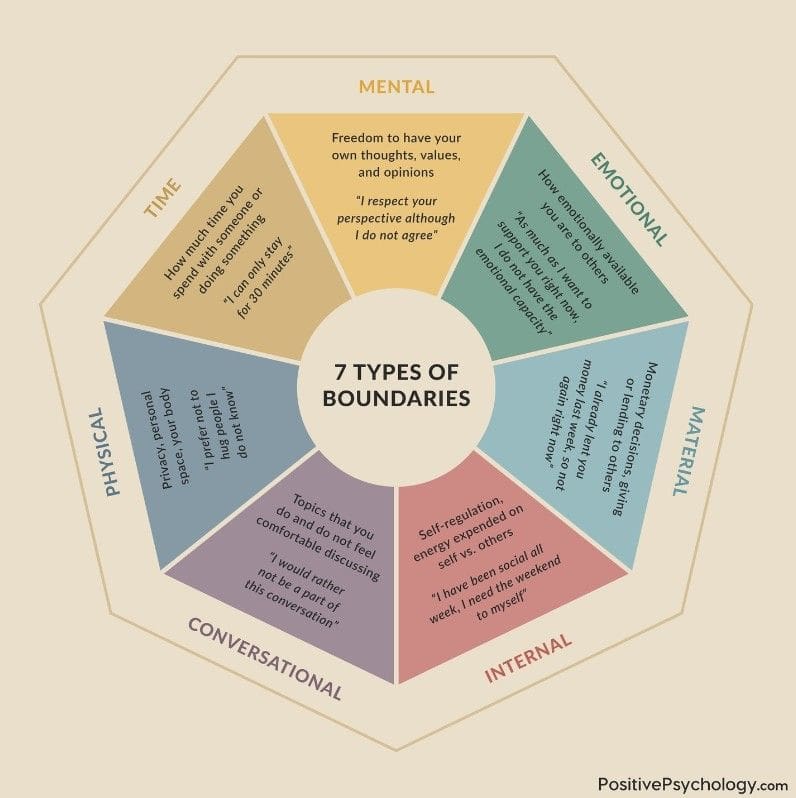
There are several types of boundaries that you can establish to protect your mental health and well-being. It is important to recognize the different types of boundaries and how they can be applied in various areas of your life. Here are some common types of boundaries:
| Type of Boundary | Description |
|---|---|
| Physical Boundaries | Physical boundaries involve setting limits on how others can touch, invade your personal space, or engage in physical interactions with you. This includes respecting your need for privacy, personal space, and physical comfort. |
| Emotional Boundaries | Emotional boundaries involve safeguarding your emotions, feelings, and inner world from being influenced or manipulated by others. This includes recognizing and expressing your emotions, setting limits on how others can treat you, and avoiding emotional manipulation or abuse. |
| Mental Boundaries | Mental boundaries involve protecting your thoughts, beliefs, and values from being compromised or violated by others. This includes setting limits on the types of information, opinions, or ideas that you allow into your mind, as well as defending your intellectual boundaries and autonomy. |
| Time Boundaries | Time boundaries involve managing your time, energy, and commitments to avoid feeling overwhelmed, burned out, or overstretched. This includes setting priorities, boundaries around work-life balance, and creating space for self-care, rest, and relaxation. |
| Social Boundaries | Social boundaries involve defining your relationships, social circle, and interactions with others to ensure that they are healthy, respectful, and supportive. This includes setting boundaries around who you spend time with, how you engage with social media, and how you navigate social situations and dynamics. |
By understanding the different types of boundaries and recognizing how they apply to your life, you can begin to set clear and effective boundaries that promote your mental health and well-being.
Setting Boundaries
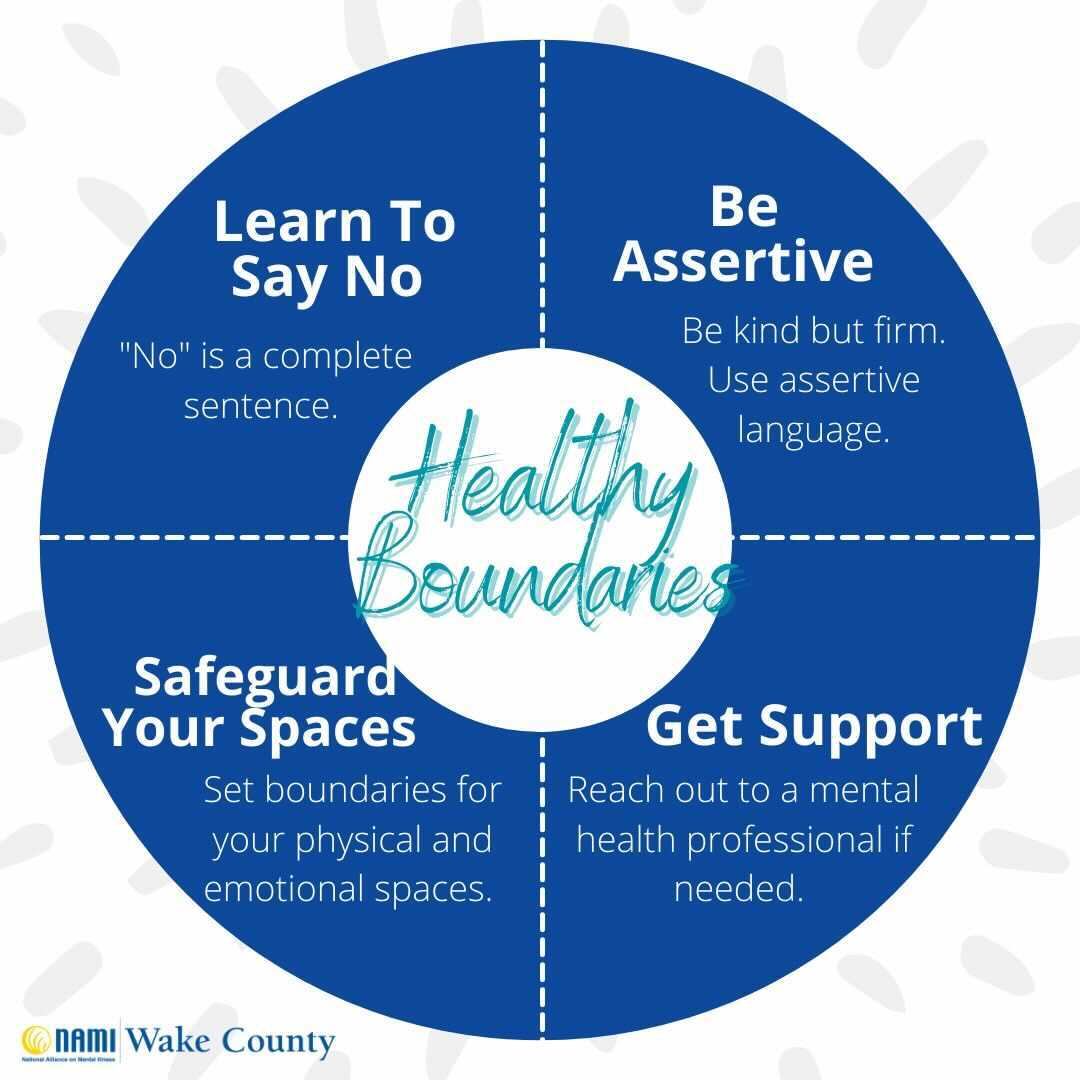
Setting boundaries is an ongoing process that requires self-awareness, assertiveness, and effective communication. It is important to be clear about your needs, limits, and values, and to communicate them assertively and respectfully to others. Here are some steps to help you set healthy boundaries:
1. Identify Your Needs
Take some time to reflect on your emotional, physical, mental, and social needs, and identify what is important to you. Consider what makes you feel comfortable, respected, and valued, and what triggers stress, overwhelm, or discomfort. By understanding your needs, you can set boundaries that honor and support your well-being.
2. Know Your Limits
Recognize your limits, boundaries, and thresholds for various aspects of your life, such as relationships, work, social interactions, and self-care. Be honest with yourself about what you can and cannot tolerate, and where you need to set boundaries to protect yourself and maintain your well-being. Knowing your limits will help you establish clear boundaries that are healthy and sustainable.
3. Communicate Effectively
Communicate your boundaries assertively, respectfully, and directly to others. Be clear and specific about what you are comfortable with and what is not acceptable to you. Use “I” statements to express your needs and feelings, such as “I feel uncomfortable when…” or “I need some time alone to recharge.” Communicating your boundaries effectively will help others understand and respect your limits.
4. Practice Self-care
Prioritize self-care and make time for activities, practices, and routines that support your physical, emotional, and mental well-being. Set aside time for rest, relaxation, hobbies, and activities that bring you joy and fulfillment. Practice self-compassion, self-kindness, and self-acceptance, and prioritize your needs and well-being above all else. By taking care of yourself, you will be better equipped to set and maintain healthy boundaries in your life.
5. Seek Support
Seek support from trusted friends, family members, or professionals if you are struggling to set or maintain boundaries in your relationships or daily life. Share your concerns, fears, and struggles with others who can offer empathy, guidance, and encouragement. Surround yourself with people who respect and support your boundaries and who can help you navigate challenging situations or conflicts with others.
By following these steps and practicing consistent self-awareness, assertiveness, and self-care, you can establish and maintain healthy boundaries that promote your mental health, well-being, and overall quality of life.
Maintaining Boundaries
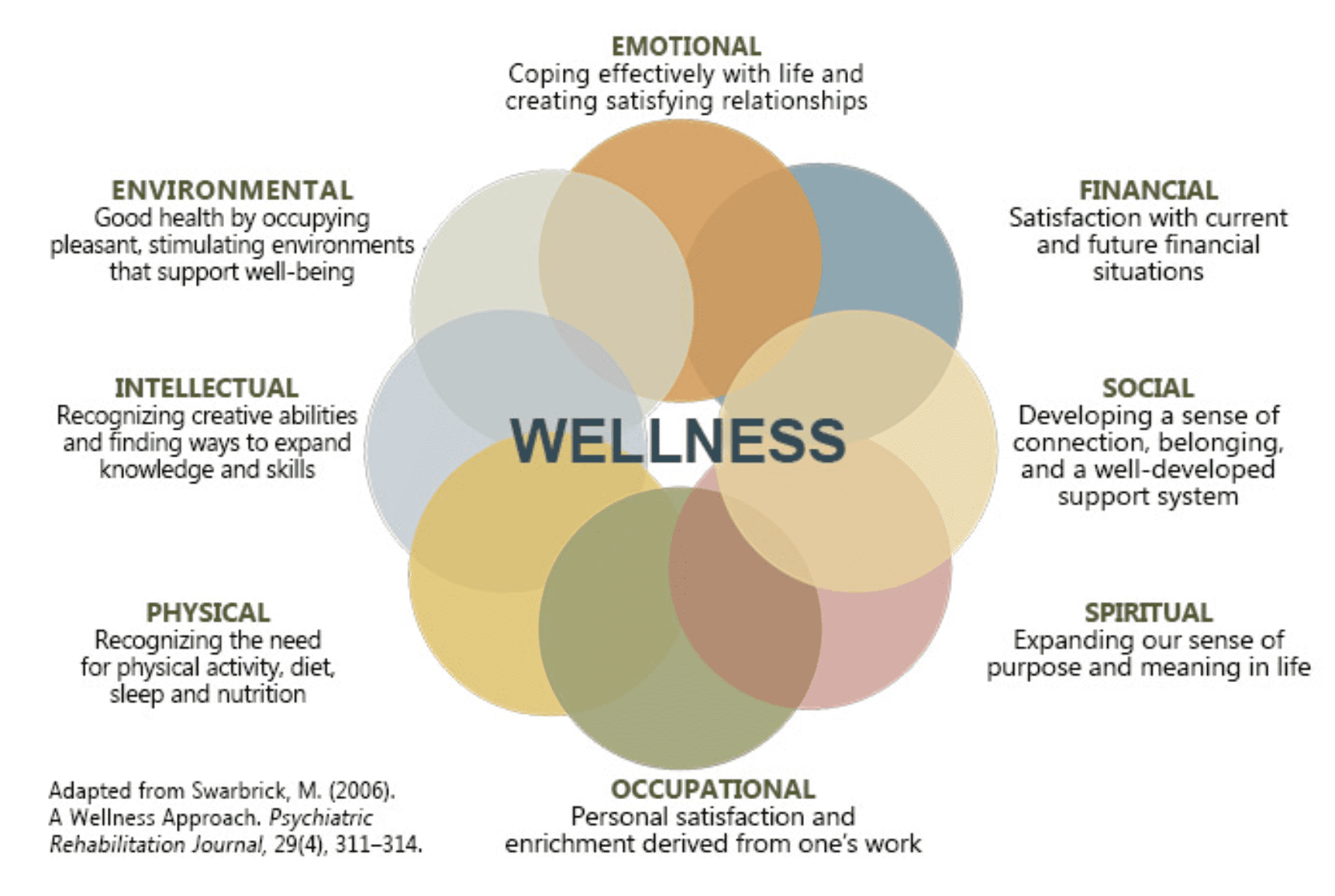
Once you have set boundaries in your life, it is important to maintain them consistently and effectively. Boundaries are not static or fixed; they may need to be adjusted, communicated, or reinforced over time as your needs, circumstances, and relationships change. Here are some tips for maintaining boundaries:
1. Be Consistent
Consistently enforce your boundaries and follow through with consequences if they are violated. Be firm, clear, and assertive in maintaining your limits, and do not waver or compromise your boundaries for the sake of others. By being consistent, you send a clear message that your boundaries are important and non-negotiable.
2. Reaffirm Your Boundaries
Regularly reaffirm your boundaries with yourself and others to ensure that they are respected and upheld. Remind yourself of your needs, limits, and values, and communicate them openly and honestly with others. Check in with yourself regularly to assess how well your boundaries are being maintained, and make adjustments as needed to protect your well-being.
3. Practice Self-awareness
Stay attuned to your feelings, emotions, and reactions to others to help you recognize when your boundaries are being crossed or compromised. Notice any feelings of discomfort, resentment, or stress that may indicate a boundary violation, and take proactive steps to address the situation and protect yourself. Practice self-awareness and mindfulness to stay connected to your needs and limits.
4. Set Consequences
Establish consequences for boundary violations and communicate them clearly to others. Consequences can be natural, logical, or relational, depending on the situation, and should be proportional to the offense. Be prepared to follow through with consequences if your boundaries are not respected, and do not hesitate to assert yourself and protect your well-being.
5. Seek Feedback
Seek feedback from trusted friends, family members, or professionals about your boundaries and how well they are working for you. Ask for honest, constructive feedback about your assertiveness, communication style, and boundary-setting skills, and be open to suggestions for improvement. Use feedback as an opportunity to learn, grow, and refine your boundaries for better effectiveness.
By following these tips and strategies for maintaining boundaries, you can ensure that your limits are respected, your needs are met, and your well-being is protected in all areas of your life.
Benefits of Boundaries
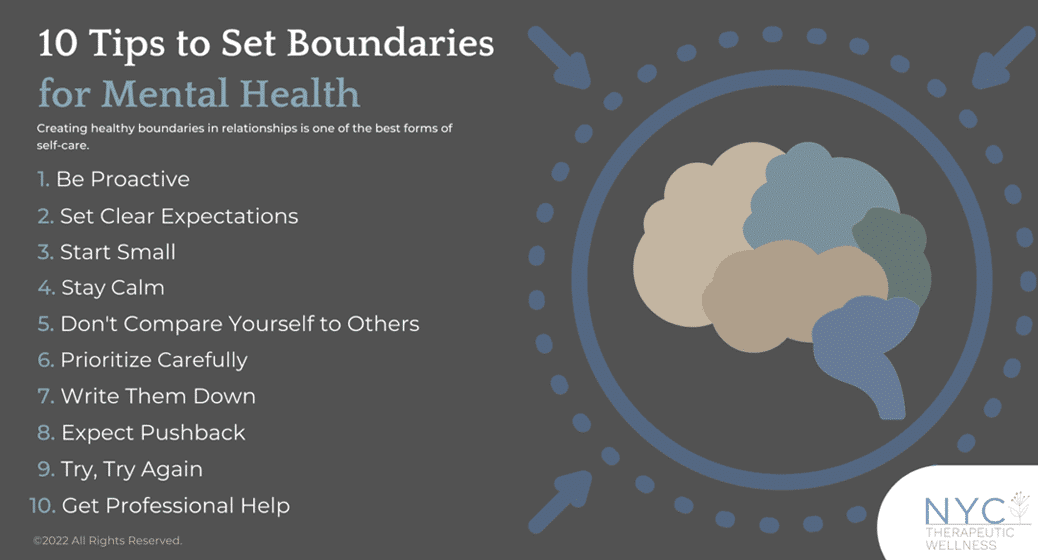
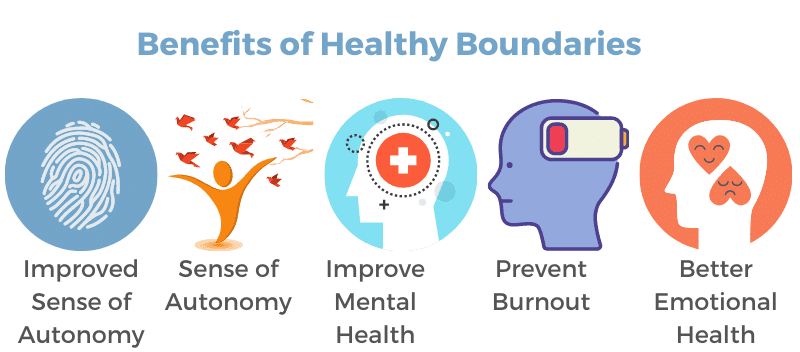
Setting and maintaining boundaries is a powerful form of self-care that can have numerous benefits for your mental health, well-being, and overall quality of life. Here are some key benefits of boundaries:
1. Improved Self-esteem
Setting and maintaining healthy boundaries can boost your self-esteem, self-worth, and self-respect by affirming your needs, values, and limits. When you prioritize your well-being and assert your boundaries, you send a clear message to yourself and others that you deserve respect, consideration, and care. By honoring your boundaries, you affirm your inherent worth and value as a person.
2. Reduced Stress
Establishing clear and consistent boundaries can reduce stress, anxiety, and overwhelm by creating a sense of control, predictability, and safety in your life. When you establish boundaries that protect your time, energy, and emotions, you are able to prevent burnout, exhaustion, and emotional drain. Boundaries can help you manage your commitments, responsibilities, and relationships more effectively, leading to reduced stress and improved coping skills.
3. Enhanced Relationships
Setting boundaries can improve your relationships by fostering respect, trust, and mutual understanding between you and others. When you communicate your needs, limits, and values assertively and respectfully, you create a foundation for healthy and supportive interactions. Boundaries help prevent misunderstandings, conflicts, and resentment in relationships by clarifying expectations, roles, and responsibilities. By setting boundaries, you can cultivate stronger, more fulfilling connections with others.
4. Increased Self-care
Practicing boundaries is a form of self-care that prioritizes your well-being, needs, and happiness above all else. By setting limits on your time, energy, and resources, you create space for self-compassion, rest, relaxation, and personal growth. Boundaries allow you to prioritize self-care practices, hobbies, and activities that nourish and replenish your mind, body, and soul. By practicing self-care through boundaries, you can improve your mental health, emotional well-being, and overall quality of life.
5. Empowerment and Autonomy
Establishing and maintaining boundaries is an empowering act that affirms your autonomy, agency, and self-determination. When you set and enforce boundaries that are important to you, you assert your right to make choices, assert your needs, and protect your well-being. Boundaries create a sense of empowerment, self-confidence, and independence that can help you navigate challenges, conflicts, and changes with resilience and grace. By setting boundaries, you take control of your life and assert your agency as a capable and self-aware individual.
By recognizing the numerous benefits of boundaries and incorporating them into your self-care routine, you can enhance your mental health, well-being, and overall quality of life.
Conclusion
In conclusion, boundaries play a critical role in self-care for mental health by helping you establish a sense of control, autonomy, and self-worth. By setting and maintaining healthy boundaries in your relationships, interactions, and behaviors, you can protect your well-being, prevent burnout, and enhance your overall quality of life. By understanding the types of boundaries, setting boundaries effectively, and maintaining boundaries consistently, you can promote your mental health, self-esteem, and relationships. Remember that boundaries are a powerful tool for self-care that can empower you to prioritize your needs, values, and happiness above all else. By practicing boundaries, you can cultivate self-respect, self-compassion, and self-empowerment that support your mental health, well-being, and overall growth. Start setting boundaries today to take better care of yourself and nurture your mental health for a brighter, healthier future.