Taking care of a loved one’s mental health can often be a challenging and daunting task. Whether it’s a family member, friend, or partner, being a caregiver comes with its own set of hurdles. However, by equipping yourself with the necessary tips and strategies, you can navigate these challenges more effectively. This article provides valuable insights and practical advice on how to provide care for someone with mental health issues, offering guidance and support along the way. With these tips in your arsenal, you can ensure that you’re providing the best possible care while also taking care of yourself.
1. Educate Yourself on Mental Health
Learn about different mental health conditions
To effectively care for someone with a mental health condition, it is important to educate yourself about the specific conditions they may be experiencing. Take the time to learn about the symptoms, causes, and treatment options for conditions such as depression, anxiety disorders, bipolar disorder, and schizophrenia, among others. Understanding the nuances of each condition will not only help you better support the person you are caring for but also enable you to have informed conversations with healthcare professionals.
Understand the symptoms and treatment options
Alongside learning about different mental health conditions, it is crucial to familiarize yourself with the common symptoms associated with each condition. This knowledge will allow you to recognize when the person you are caring for may be experiencing a flare-up or worsening of their symptoms. Additionally, make an effort to understand the available treatment options, including medication, therapy, and alternative treatments. Being educated about these options will help you support the person you are caring for in making informed decisions about their care.
Become familiar with available resources and support groups
There is a wealth of resources available to both caregivers and individuals living with mental health conditions. Take the time to research and become familiar with the local resources, such as mental health clinics, support groups, and helplines. These resources can provide invaluable assistance and guidance for both you and the person you are caring for. Additionally, consider reaching out to national and international organizations focused on mental health to access online resources, educational materials, and professional advice.
2. Prioritize Self-Care
Take care of your physical and emotional well-being
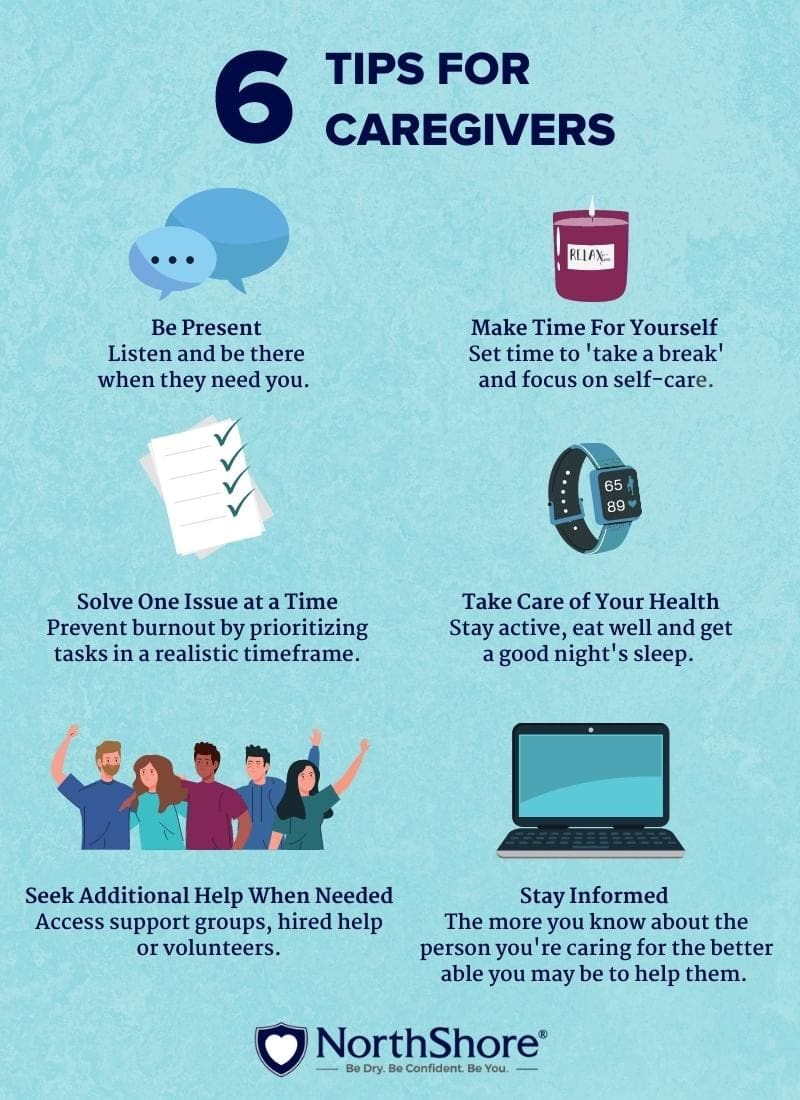
As a caregiver, it is crucial that you prioritize your own well-being. Remember that you cannot effectively care for someone else if you neglect your own physical and emotional health. Make sure to engage in regular exercise, eat nutritious meals, and get enough sleep. Taking care of yourself physically will provide you with the energy and stamina needed to navigate the challenges of caregiving for mental health. Additionally, don’t forget to address your emotional well-being by practicing self-compassion, seeking support from friends or therapists, and engaging in activities that bring you joy.
Set boundaries and avoid burnout
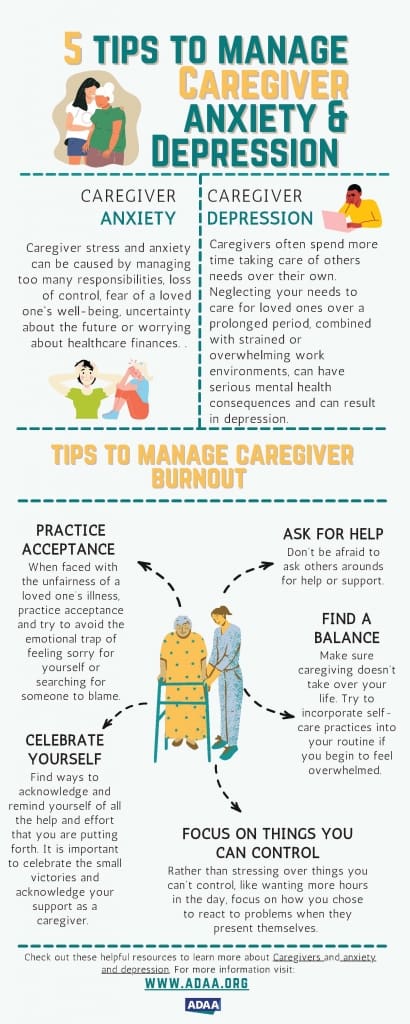
Caring for someone with a mental health condition can be emotionally and physically demanding. To prevent burnout, it is essential to set boundaries and establish a healthy balance between caregiving and other aspects of your life. Communicate your limits and needs to the person you are caring for and to your support network. This may involve setting aside specific times for self-care, pursuing personal interests, or having designated periods of respite. Remember that taking breaks and looking after yourself will ultimately allow you to provide better care for the individual.
Engage in activities that bring you joy and relaxation
In the midst of caregiving responsibilities, it is vital to engage in activities that bring you joy and relaxation. Identify hobbies, pursuits, or simple pleasures that help you unwind and recharge. Whether it’s reading a book, going for a walk in nature, practicing mindfulness, or spending time with loved ones, make sure to prioritize these activities regularly. These moments of enjoyment and relaxation will help reduce stress, boost your mood, and maintain your overall well-being.
3. Communicate Openly with the Person You are Caring For
Create a safe space for open dialogue
Effective communication is the foundation of any successful caregiving relationship. Create a safe and non-judgmental space for open dialogue with the person you are caring for. Encourage them to share their thoughts, fears, and emotions, knowing that their experiences are valid and heard. By fostering open communication, you can build trust and strengthen your relationship, enabling both of you to navigate the challenges of mental health together.
Listen without judgment and validate their emotions
When the person you are caring for expresses their feelings or experiences, it is essential to listen without judgment. Avoid offering advice or trying to fix their problems. Instead, practice active listening and validate their emotions by acknowledging their experiences and empathizing with their struggles. Validate their feelings by saying things like, “I can understand why you would feel that way” or “It must be really difficult for you.” This validation can provide immense comfort and support, helping them feel understood and accepted.
Encourage them to seek professional help if necessary
While you can provide valuable support, it is important to recognize the limits of your caregiving role. Encourage the person you are caring for to seek professional help if necessary. Mental health professionals, such as therapists or psychiatrists, are trained to provide specialized care and treatments that can significantly improve their well-being. Support them in finding suitable healthcare providers, offer to accompany them to appointments if desired, and help them navigate the process of seeking professional help. It is vital to prioritize their long-term mental health and ensure they have access to appropriate care.
4. Seek Professional Help and Support
Consult with mental health professionals for guidance
Caring for someone with a mental health condition can be complex and challenging. Consulting with mental health professionals for guidance and support can be invaluable. Reach out to therapists, psychologists, or psychiatrists who specialize in the specific condition the individual is experiencing. These professionals can provide insight, advice, and strategies to help you navigate the caregiving journey effectively. Additionally, they can equip you with coping mechanisms and stress management techniques designed specifically for caregivers.
Consider therapy or counseling for yourself
As a caregiver, it is crucial to prioritize your own mental health and well-being. Consider seeking therapy or counseling for yourself to process your emotions, manage stress, and gain additional support. Therapy provides a safe space for you to explore your own feelings, fears, and frustrations related to caregiving. A therapist can provide guidance on setting healthy boundaries, managing caregiver burnout, and addressing any underlying mental health concerns you may have. Remember, seeking help for yourself is not selfish but a necessary step toward providing the best care.
Join support groups for caregivers
Connecting with other caregivers who are going through similar experiences can be incredibly valuable. Joining support groups for caregivers provides a sense of community, validation, and knowledge sharing. You can find support groups through local mental health organizations or online platforms. Engaging with fellow caregivers allows you to exchange tips, share stories, and receive emotional support from people who understand the unique challenges you face. These support networks can help alleviate feelings of isolation and ensure you have a strong support system in place.

5. Foster a Supportive Network
Reach out to friends and family for assistance
Caring for someone with a mental health condition can be emotionally and physically draining. Don’t hesitate to reach out to friends and family members for assistance when needed. Building a supportive network around you can help distribute some of the caregiving responsibilities and provide much-needed respite. Friends and family members can help with practical tasks such as running errands, preparing meals, or offering a listening ear. Remember, asking for help is not a sign of weakness but a way to ensure you have the support you need to continue providing care.
Delegate caregiving tasks to avoid feeling overwhelmed
Attempting to shoulder the entire caregiving responsibility on your own can quickly lead to burnout. Delegate caregiving tasks to other family members, friends, or hired professionals to alleviate some of the pressures. Create a list of specific tasks that others can assist with, such as accompanying the person to appointments, managing medications, or providing companionship. By sharing the load, you can better manage your own well-being and ensure that the person you care for receives comprehensive support.
Participate in caregiver-focused organizations and events
Engage with caregiver-focused organizations and events to connect with others facing similar challenges and gain further insight into effective caregiving strategies. These organizations often offer educational resources, workshops, and webinars focused on supporting caregivers. By actively participating in these events, you can expand your knowledge, learn from experienced professionals, and gain a sense of empowerment in your caregiving role. Additionally, these organizations can advocate for caregivers’ rights and raise awareness about the importance of mental health support.
6. Establish a Routine and Structure
Create a predictable schedule
Establishing a routine and structure can bring a sense of stability and predictability to the daily lives of both you and the person you are caring for. Work together to create a schedule that includes regular meal times, exercise, medication reminders, therapy sessions, and leisure activities. Having a consistent routine reduces stress and uncertainty, providing a foundation for effective caregiving. Be open to adjusting the schedule as needed to accommodate changes in the person’s mental health needs or treatment plans.
Set goals and milestones for progress
Setting realistic goals and milestones can help you and the person you are caring for track progress and celebrate achievements. Collaborate with the person to identify specific goals they would like to work towards, whether it is attending social events, improving sleep patterns, or developing coping mechanisms. Break these larger goals into smaller, achievable steps to provide a sense of accomplishment along the way. Celebrating even the smallest victories can provide motivation and encouragement, fostering a positive caregiving environment.
Implement healthy habits and regular self-care activities
Incorporating healthy habits and regular self-care activities into your routine is essential for both you and the person you are caring for. Encourage them to engage in activities that promote mental and physical well-being, such as exercise, practicing mindfulness, or pursuing hobbies. Additionally, prioritize self-care activities for yourself, such as engaging in hobbies, taking breaks, or engaging in activities that bring you joy. By modeling self-care, you demonstrate the importance of maintaining overall wellness and ensure a healthier caregiving experience for both of you.
7. Practice Patience and Understanding
Recognize that progress may be slow and setbacks can occur
Progress in managing mental health conditions can often be slow, and setbacks are common. It is crucial to approach the caregiving journey with patience and understand that healing is not linear. There will be ups and downs along the way, and it is important not to lose hope. Be prepared to adjust your expectations and provide support and understanding during difficult moments. Remember that your role as a caregiver is to be a constant source of support and reassurance, even during setbacks.
Be patient with yourself and the person you are caring for
In addition to being patient with the person you are caring for, it is equally important to be patient with yourself. Caregiving can be emotionally challenging, and it is natural to experience frustration, fatigue, or doubt. Acknowledge and allow yourself to feel these emotions while practicing self-compassion. Remind yourself that you are doing the best you can in a challenging situation. Being patient with yourself sets a positive example for the person you are caring for and ensures a healthier caregiver mindset.
Adjust expectations and focus on small victories
It is crucial to adjust your expectations and focus on celebrating small victories along the caregiving journey. Recognize and appreciate the progress, no matter how small it may seem. Celebrate achievements, no matter how minor, as they indicate movement in the right direction. For example, acknowledge when the person you are caring for takes small steps towards self-care, attends therapy sessions, or engages in positive coping mechanisms. These small victories build confidence and motivation, significantly contributing to their overall well-being.
8. Learn and Utilize Coping Mechanisms
Explore and teach coping techniques that work for the individual
Each individual copes with mental health challenges differently, and it is essential to explore coping techniques that work best for the person you are caring for. Encourage open communication about their preferred coping mechanisms and be receptive to their needs. Some individuals may find solace in exercise, journaling, creative outlets, or practicing relaxation techniques. By understanding and supporting their coping strategies, you can assist them in effectively managing their mental health and reducing stress.
Encourage mindfulness and stress reduction strategies
Mindfulness and stress reduction strategies are valuable tools for both caregivers and those experiencing mental health conditions. Encourage the person you are caring for to explore mindfulness practices such as meditation, deep breathing exercises, or yoga. These techniques help individuals focus on the present moment, reduce anxiety, and promote overall well-being. Additionally, engage in these practices yourself to complement your own self-care routine and manage the stress associated with caregiving.
Help them develop healthy coping mechanisms
As a caregiver, you can play a crucial role in helping the person you care for develop healthy coping mechanisms. Work together to identify and practice healthier alternatives to coping mechanisms that may be harmful, such as substance abuse or isolation. Encourage them to engage in activities that provide a sense of control, comfort, or distraction. This may include exploring new hobbies, connecting with supportive peers, or learning stress management techniques. By actively participating in this process, you contribute to their overall well-being and empower them to take charge of their mental health.
9. Advocate for the Person’s Rights and Needs
Research and understand their legal rights
It is essential to research and understand the legal rights of individuals with mental health conditions. Laws regarding mental health vary by region, so familiarize yourself with local regulations to best advocate for the person you are caring for. Knowing their rights can help you protect their dignity, ensure equal opportunities, and navigate any legal barriers they may encounter. By advocating for their rights, you contribute to creating a more inclusive and supportive environment for individuals with mental health conditions.
Support their decisions and empower them to make choices
Empowering the person you are caring for to make decisions about their own care is crucial for their autonomy and self-esteem. Respect their autonomy and support their choices, even if you may have a different perspective. Engage in open discussions about treatment plans, involve them in decision-making processes, and encourage them to express their preferences. By providing them with the opportunity to exercise agency, you foster a sense of empowerment and enhance their well-being.
Raise awareness about mental health and reduce stigma
One way to advocate for the person you are caring for is by raising awareness about mental health and working towards reducing stigma. Share your caregiving experiences, engage in conversations about mental health, and challenge misconceptions or stereotypes whenever possible. Proactively address stigma within your own social circles and encourage others to do the same. By promoting understanding, empathy, and acceptance, you create a more supportive environment for the person you care for and contribute to a larger movement for mental health advocacy.
10. Celebrate Progress and Achievements
Acknowledge and appreciate small steps forward
Throughout the caregiving journey, it is important to acknowledge and appreciate the small steps forward the person you are caring for makes. Recognize the effort they put into their well-being, such as attending therapy sessions regularly, participating in support groups, or trying new coping strategies. Express your appreciation and remind them of how far they have come. This recognition not only validates their efforts but also serves as motivation to continue progressing and overcoming challenges.
Celebrate milestones and breakthroughs
In addition to celebrating small steps, make it a point to celebrate significant milestones and breakthroughs. These moments of triumph can be pivotal for both the person you are caring for and yourself. Whether it’s completing a treatment program, achieving a personal goal, or participating in a social event, commemorate these achievements together. Celebrate with their consent and find ways to acknowledge their growth, resilience, and hard work. These celebratory moments strengthen the bond between you and the person you are caring for, providing a much-needed boost of positivity.
Show encouragement and praise for their efforts
Continuously showing encouragement and offering praise for the efforts the person you are caring for puts into their well-being can have a profound impact. Express your admiration for their commitment to self-care, improvement, and growth. Acknowledge the challenges they face and provide reassurance that their efforts are valued. Remind them of their inherent strengths and resilience, supporting their ongoing journey towards mental health. By offering continuous encouragement, you create an environment of positivity and support, which can foster lasting motivation and progress.
As a caregiver, navigating the challenges of mental health is no easy task. However, by educating yourself, prioritizing self-care, communicating openly, seeking professional help and support, fostering a supportive network, establishing routine and structure, practicing patience and understanding, learning and utilizing coping mechanisms, advocating for the person’s rights and needs, and celebrating progress and achievements, you can provide the best possible care for the person you are supporting. Remember, your role as a caregiver is crucial and immensely valuable, and by following these tips, you can navigate the journey with compassion, empathy, and resilience.