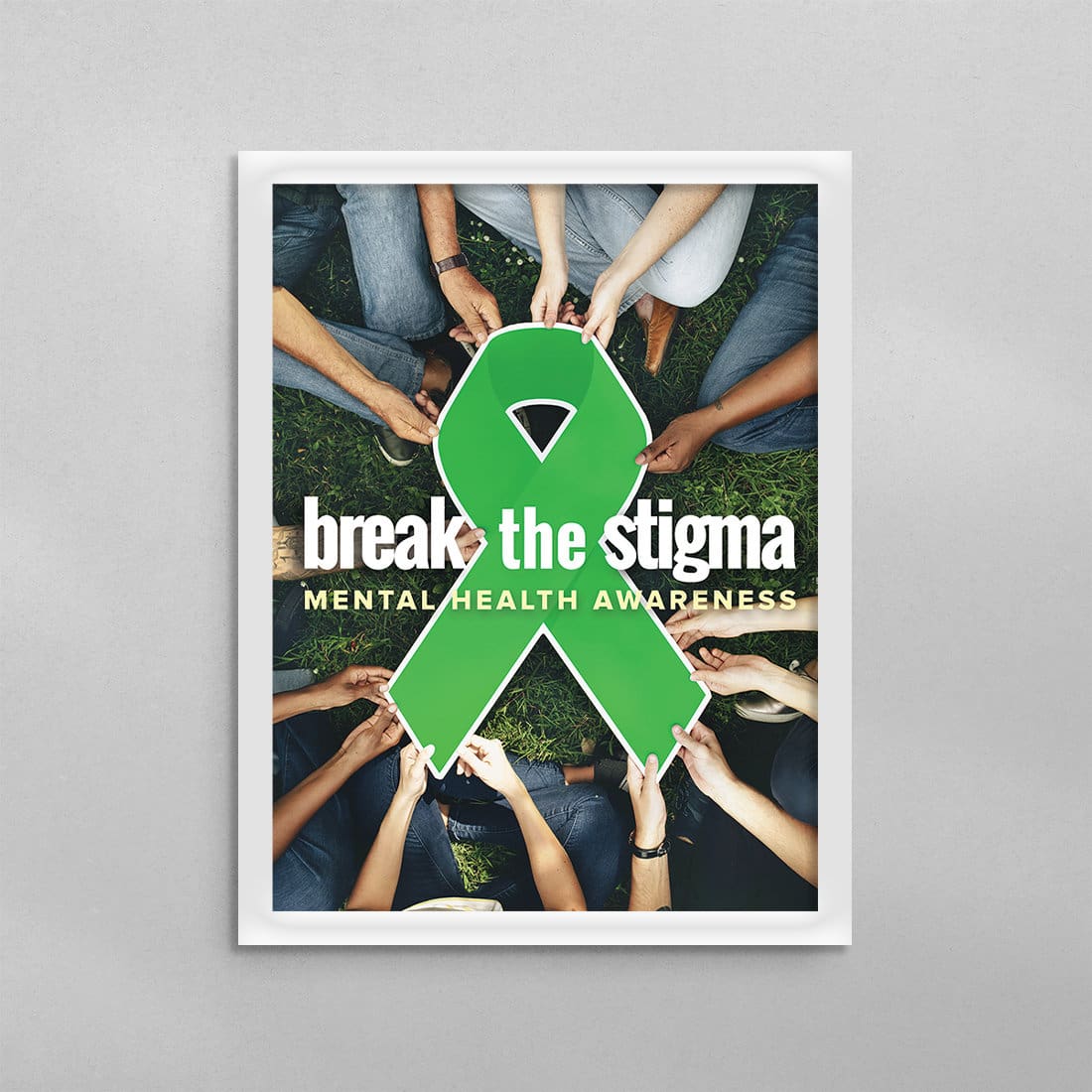
In this eye-opening article, we shine a light on the critical issue of women’s mental health awareness and the barriers they face in seeking help. Far too often, societal stigmas and stereotypes contribute to the silent suffering of women and hinder their access to necessary support. Join us as we explore the importance of breaking down these barriers, promoting understanding and empathy, and advocating for a world where women’s mental health is prioritized and supported.
Understanding the Stigma
Society’s perception of women and mental health
The perception of women and mental health in society is often filled with stereotypes and misconceptions. Women are often seen as emotional and weaker compared to men, and this perception can lead to a stigma surrounding their mental health. In many cultures, mental health issues may be seen as a sign of weakness or something that should be suppressed, making it difficult for women to openly discuss their struggles.
Stereotypes and misconceptions surrounding women’s mental health
One of the stereotypes surrounding women’s mental health is the idea that women are overly emotional and sensitive. While emotions are a natural part of being human, this stereotype can belittle the legitimate struggles that women face and dismiss their mental health concerns. Additionally, there is a misconception that women only experience certain mental health disorders, such as depression and anxiety, when in reality, women can experience a wide range of mental health challenges.
Negative impact of stigma on women seeking help
The stigma surrounding women’s mental health can have a detrimental impact on their ability to seek help. Women may fear being judged, discriminated against, or seen as weak if they admit to experiencing mental health issues. This stigma can prevent them from disclosing their struggles to healthcare professionals, friends, or family. The fear of not being taken seriously or facing backlash can lead women to suffer in silence, exacerbating their mental health conditions and hindering their overall well-being.
Prevalence of Mental Health Issues in Women
Common mental health disorders affecting women
Women are more susceptible to certain mental health disorders compared to men. Some of the common mental health disorders that affect women include depression, anxiety, eating disorders, postpartum depression, and more. It is important to note that women can also experience these conditions differently due to the influence of hormones and societal pressures.
Statistics on the prevalence of mental health issues in women
Research shows that mental health issues are prevalent among women. According to the World Health Organization (WHO), depression is twice as common in women as in men. Approximately 12% of women in the United States experience symptoms of depression annually, with rates varying across different countries and cultures. The statistics paint a clear picture of the significant impact mental health issues have on women’s lives.
Unique mental health challenges faced by women
Women face unique challenges when it comes to their mental health. This includes factors such as hormonal fluctuations throughout their life, including puberty, menstruation, pregnancy, and menopause. Women are also more likely to experience trauma, such as domestic violence or sexual assault, which can have severe and long-lasting effects on their mental well-being. Societal pressures related to body image, motherhood, and gender roles can further contribute to mental health challenges.
Barriers to Seeking Help
Cultural and societal barriers
Cultural and societal norms heavily influence women’s ability to seek help for their mental health. In many cultures, mental health issues are stigmatized or seen as a personal failure. Women may face pressure to conform to traditional gender roles and expectations, which can prioritize their responsibilities to others above their own well-being. These cultural and societal barriers create hurdles for women to prioritize their mental health and seek the necessary support.
Stigma from family and friends
The support of family and friends is crucial for anyone facing mental health challenges, but unfortunately, stigma can also come from those closest to women. Well-intentioned friends or family members may not understand the gravity of mental health conditions or may hold onto beliefs that discourages seeking help. This stigma can unintentionally make women feel ashamed or guilty for experiencing mental health issues, further isolating them from necessary support systems.
Fear of judgment and discrimination
The fear of judgment and discrimination can be a significant barrier for women seeking help for their mental health. The fear of being labeled as “crazy” or “unstable” can prevent women from opening up about their struggles. Discrimination in various areas of life, such as employment or relationships, due to a disclosed mental health condition can also create a disincentive to seek help. The fear of how others will perceive and treat them can be a daunting barrier that women often face.
Lack of awareness about available resources
Another barrier faced by women seeking help for their mental health is the lack of awareness about available resources. Many women may not be knowledgeable about mental health services and support networks that can offer assistance. Limited access to information about local support groups, therapists, or helplines can make it difficult for women to know where to turn when they need help. Increasing awareness about available resources is essential in breaking down this barrier.
Importance of Mental Health Awareness
Positive impact of raising awareness
Raising awareness about women’s mental health has significant positive outcomes. Increased awareness helps to normalize conversations around mental health, reducing the stigma associated with it. It can also educate individuals on the signs and symptoms of mental health conditions, empowering them to identify when they or someone they know may need help. By increasing awareness, we can create a supportive environment that encourages women to prioritize their mental well-being.
Empowering women to prioritize their mental health
Acknowledging the importance of mental health raises awareness and empowers women to prioritize their own well-being. When women are aware of the impact mental health has on their overall quality of life, they can make informed decisions about seeking help and engaging in self-care practices. Understanding that their mental health should be a priority allows women to take steps towards a healthier and more fulfilling life.
Educating society on the importance of mental well-being
Raising awareness about women’s mental health not only benefits individuals but also society as a whole. When society recognizes the importance of mental well-being, there is a greater chance of implementing policies and programs that support mental health. Educating society about the prevalence of mental health issues and their impact on women’s lives fosters a more empathetic and compassionate approach to mental health care.
Promoting Mental Health Support
Creating safe spaces for women to open up
Creating safe spaces for women to open up about their mental health is essential in promoting support. These spaces can be physical or virtual, where women feel comfortable sharing their experiences without fear of judgment or discrimination. Support groups, online forums, or women’s-focused organizations can play a crucial role in providing these safe spaces that encourage women to seek help and support one another.
Developing community support networks
Building community support networks is vital in promoting mental health support for women. These networks can consist of healthcare professionals, counselors, volunteers, and peers who are educated and sensitive to women’s mental health issues. By providing a network of support, women have access to a variety of resources and individuals who can offer guidance, understanding, and assistance tailored to their specific needs.
Improving access to mental health services
Improving access to mental health services is an essential step in promoting support for women. This includes ensuring that mental health services are affordable, culturally sensitive, and easily accessible. It involves breaking down financial, logistical, and language barriers that may prevent women from seeking professional help. By enhancing access to mental health services, women are more likely to receive the support they need when they need it most.
Collaborating with healthcare professionals and organizations
Collaborating with healthcare professionals and organizations is crucial in promoting mental health support. By working together, healthcare providers, therapists, and mental health organizations can create comprehensive strategies and programs specifically designed for women. This collaboration can ensure that resources and services are gender-sensitive, enabling women to receive the most appropriate and effective support for their mental well-being.
Empowering Women to Speak Up
Sharing personal stories and experiences
Sharing personal stories and experiences can be empowering for women and those who may be facing similar challenges. When women speak up about their mental health struggles, it helps to break down the stigma surrounding mental health and provides others with the courage to seek help. Personal narratives can create connections, inspire empathy, and show women that they are not alone in their experiences.
Creating platforms for women to share their struggles
Creating platforms for women to share their struggles is essential in fostering an environment of support and understanding. This can include online forums, social media groups, or public events where women can openly discuss their mental health challenges. By providing these platforms, women can find solace in knowing that there are others who share similar experiences and offer valuable insights, advice, and encouragement.
Providing tools for self-expression and peer support
Empowering women to speak up involves providing them with tools for self-expression and peer support. Journaling, creative writing, art therapy, or engaging in support groups can serve as outlets for women to express their emotions and experiences. Peer support, whether through organized programs or informal connections, can provide validation, understanding, and a sense of belonging, creating a powerful support system.
Breaking Gender Stereotypes
Challenging gender norms and expectations
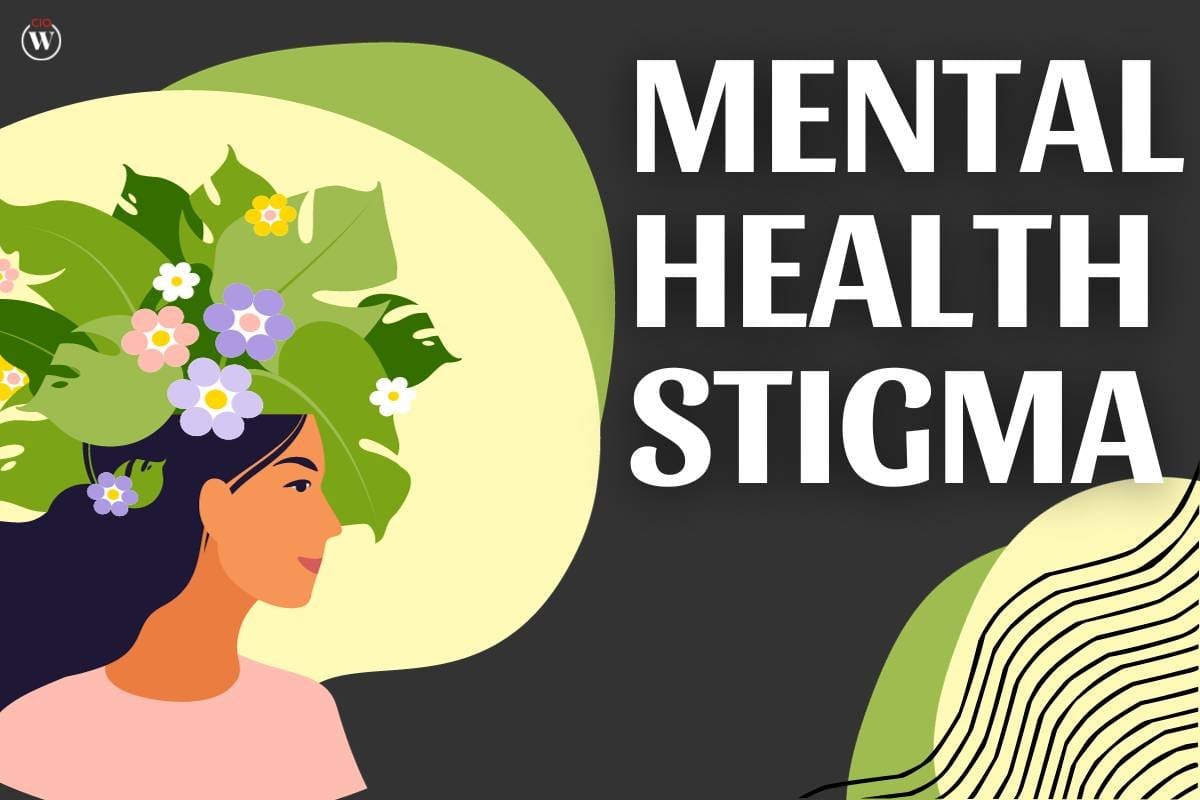
Breaking gender stereotypes is crucial in eliminating the stigma surrounding women’s mental health. Challenging the notion that women should be quiet, submissive, or emotionally stable at all times promotes an environment where women feel comfortable expressing their mental health concerns. By encouraging open dialogue and breaking free from societal expectations, women can feel more empowered to seek the help they need without fear of judgment or discrimination.
Encouraging emotional intelligence in both women and men
Promoting emotional intelligence is essential for both women and men to foster a culture of understanding and support. By educating individuals on emotional awareness, empathy, and effective communication, we can break down barriers and encourage open conversations about mental health. It is important to encourage the recognition and validation of emotions for both women and men, as this paves the way for healthier relationships and overall mental well-being.
Promoting gender equality in mental health support
Promoting gender equality in mental health support ensures that women receive equitable access to resources and services. It involves advocating for policies that address the unique mental health challenges faced by women and ensuring that support systems are gender-sensitive and inclusive. By promoting gender equality, we can work towards a society where women’s mental health is prioritized and where mental health support is readily available to all.
Supporting Intersectional Mental Health
Recognizing the unique challenges faced by women of different ethnicities, sexual orientations, and abilities
Supporting intersectional mental health involves recognizing that women’s experiences are shaped by multiple factors, such as ethnicity, sexual orientation, and abilities. Different communities face unique challenges and barriers when it comes to mental health, and it is essential to address these intersecting factors to provide effective support. Approaching mental health support through an intersectional lens ensures inclusivity and promotes equity for all women.
Addressing the intersectionality of mental health issues
Addressing the intersectionality of mental health issues includes acknowledging that women may face compounded discrimination and stigma based on their intersecting identities. For example, LGBTQ+ women may face discrimination both as women and as members of the LGBTQ+ community, increasing their vulnerability to mental health challenges. By addressing the intersectional aspects of mental health, we can provide more comprehensive and tailored support to women who face multiple forms of discrimination.
Ensuring inclusivity and accessibility in support services
Support services should be designed to be inclusive and accessible to all women, regardless of their backgrounds and circumstances. This includes providing culturally sensitive programs, language access, and accommodations for women with disabilities. By ensuring inclusivity and accessibility, we create a supportive framework that considers the diverse needs of women, allowing them to receive the support they require in a way that is meaningful and beneficial to them.
Fostering Self-Care Practices
Encouraging self-care routines specific to women’s mental well-being
Encouraging self-care routines specific to women’s mental well-being fosters a holistic approach to mental health. Women may find that certain activities, such as journaling, practicing yoga, or engaging in creative outlets, help them manage stress and improve mental well-being. Encouraging these self-care practices provides women with valuable tools to take care of themselves and prioritize their mental health.
Promoting mindfulness, meditation, and relaxation techniques
Promoting mindfulness, meditation, and relaxation techniques can have significant benefits for women’s mental health. These practices can help women develop skills to manage anxiety, reduce stress, and improve overall well-being. By integrating mindfulness, meditation, and relaxation techniques into their daily lives, women can create balance, increase self-awareness, and enhance their mental resilience.
Highlighting the importance of self-compassion and self-acceptance
Self-compassion and self-acceptance are essential components of maintaining good mental health. Women often face societal pressures to meet unrealistic expectations, which can lead to feelings of inadequacy and low self-worth. Emphasizing the importance of self-compassion and self-acceptance encourages women to be kind to themselves, recognize their strengths, and embrace their imperfections. By cultivating self-compassion, women can nourish their mental well-being and build resilience against negative influences.
Educating Health Professionals
Sensitizing healthcare professionals to gender-specific mental health issues
Educating healthcare professionals about gender-specific mental health issues is crucial in ensuring that women receive appropriate care and support. By sensitizing healthcare professionals to the unique challenges women face, they can provide gender-sensitive interventions and treatments. This includes recognizing the impact of hormonal fluctuations, understanding the manifestation of various mental health conditions in women, and offering compassionate and tailored care.
Providing training on recognizing and addressing stigma
Training healthcare professionals on recognizing and addressing stigma is vital in promoting effective mental health care. Stigma can manifest within medical settings, preventing women from seeking help or experiencing suboptimal care. By providing training on stigma reduction, healthcare professionals can create an environment that is free from judgment, discrimination, and stereotypes. This enables women to access the care they need without fear of negative consequences.
Improving mental health education in medical schools
Improving mental health education in medical schools is essential in fostering a generation of healthcare professionals who are well-equipped to address women’s mental health. By incorporating comprehensive mental health education into medical curricula, future doctors and healthcare providers can gain a deeper understanding of the unique challenges women face and develop the skills to provide gender-sensitive care. This education can help reduce the stigma surrounding women’s mental health while improving overall mental well-being outcomes.
In conclusion, breaking the stigma surrounding women’s mental health is crucial for creating a supportive and inclusive society. By understanding the societal perception and stereotypes surrounding women’s mental health, addressing the prevalence of mental health issues in women, and removing the barriers to seeking help, we can empower women to prioritize their mental well-being. Promoting mental health support, empowering women to speak up, and breaking gender stereotypes are all important steps in fostering self-care practices and educating healthcare professionals. By supporting intersectional mental health and recognizing the unique challenges faced by women of different backgrounds, we can ensure inclusivity and accessibility in mental health support services. Together, we can create a society that values and prioritizes women’s mental health, and in doing so, contribute to the overall well-being and happiness of individuals and communities.