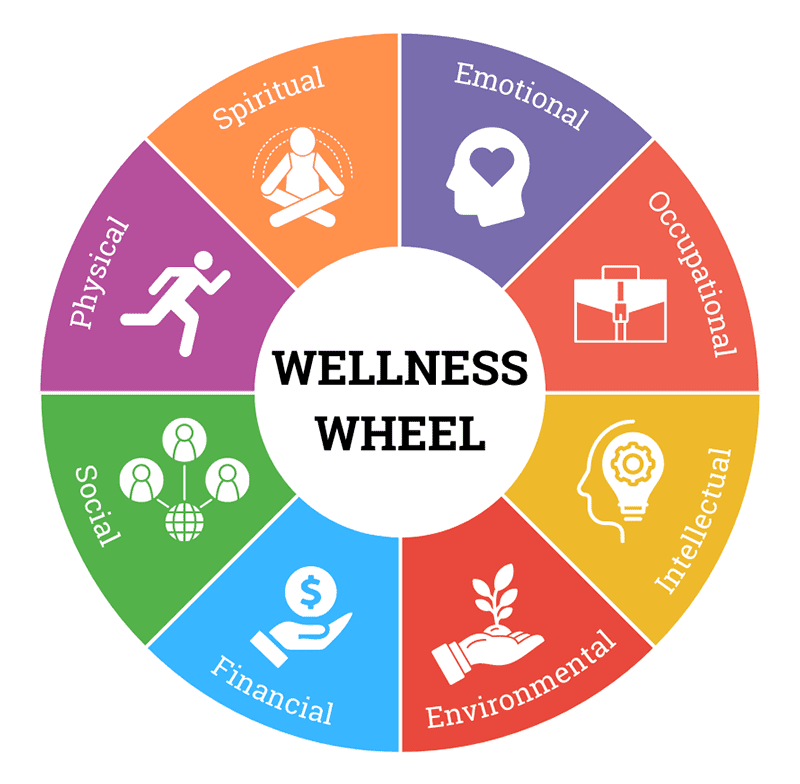
Imagine a place where physical, mental, and spiritual well-being are all nurtured and celebrated. A place where individuals can find support, guidance, and holistic remedies to promote a healthier and happier life. This is the role that holistic wellness centers play in community health. These centers offer a wide range of services, from yoga and meditation classes to alternative therapies and nutritional counseling. By addressing the whole person and not just the symptoms, holistic wellness centers have the power to transform lives and create vibrant and resilient communities. In this article, we will explore the various ways in which these centers contribute to community health and why they are becoming increasingly essential in today’s fast-paced and stressful world.
Introduction to Holistic Wellness Centers
– Definition of holistic wellness centers
Holistic wellness centers are healthcare facilities that take a comprehensive approach to health by considering not only physical well-being but also mental, emotional, and spiritual aspects of a person. These centers aim to promote overall well-being and prevent illness by addressing the root causes of health problems rather than just treating symptoms.
– Overview of their objectives
The primary objective of holistic wellness centers is to promote and support the health and well-being of individuals and communities. These centers strive to provide a nurturing and healing environment where individuals can explore and access a range of holistic practices and therapies. The emphasis is on empowering individuals to take control of their own health through preventive care, education, and self-care practices.
– Importance of holistic approach to health
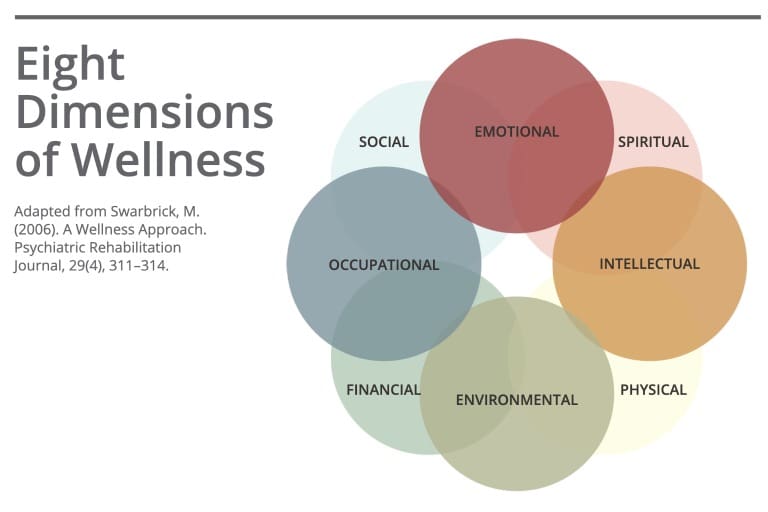
The holistic approach to health recognizes that all aspects of a person are interconnected and play a significant role in their overall well-being. By considering the whole person, including physical, mental, emotional, and spiritual aspects, holistic wellness centers are able to provide a more comprehensive and effective approach to health care. This integrated approach not only promotes healing but also helps prevent illness and improve overall quality of life.
The Role of Holistic Wellness Centers
– Promoting preventive care
Holistic wellness centers place a strong emphasis on preventive care by providing education, resources, and support to help individuals maintain and improve their health before problems arise. By focusing on preventive care, these centers aim to reduce the need for costly medical interventions and empower individuals to take an active role in their own health.
– Focusing on overall well-being
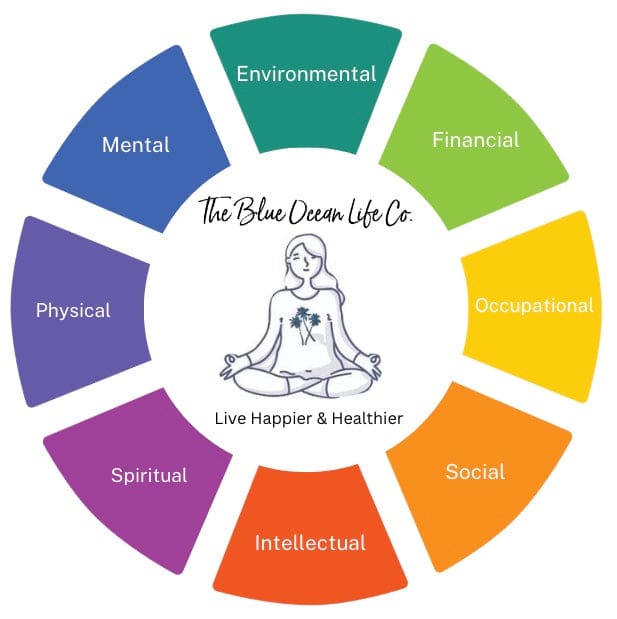
Unlike traditional medical practices that often focus solely on physical symptoms, holistic wellness centers take a broader view of health and prioritize the overall well-being of individuals. This includes addressing not only physical health but also mental, emotional, and spiritual aspects. By taking a holistic approach, these centers can help individuals achieve a state of optimal well-being and balance in their lives.
– Addressing mental and emotional health
Mental and emotional health play a crucial role in overall well-being, and holistic wellness centers recognize this. These centers provide a safe and supportive environment for individuals to address their mental and emotional health concerns through various therapies and practices such as counseling, mindfulness, and meditation. By addressing mental and emotional health, holistic wellness centers contribute to the overall health and well-being of individuals.
– Incorporating complementary and alternative therapies
Holistic wellness centers often incorporate complementary and alternative therapies into their approach to health care. These therapies, such as acupuncture, herbal medicine, and energy healing, are used alongside conventional medical practices to provide a more holistic and integrative approach. By integrating these therapies, holistic wellness centers are able to offer a wider range of options to individuals seeking alternative or additional forms of treatment.
Holistic Wellness Services Offered
– Exercise and physical activity programs
Holistic wellness centers recognize the importance of physical activity in promoting overall health and well-being. These centers often offer a variety of exercise programs tailored to individual needs, including yoga, Pilates, tai chi, and fitness classes. By providing opportunities for regular physical activity, holistic wellness centers support individuals in maintaining a healthy lifestyle and preventing chronic diseases.
– Nutrition and dietary guidance
Proper nutrition plays a crucial role in maintaining good health, and holistic wellness centers understand this. These centers offer nutrition counseling and dietary guidance to help individuals make informed choices about their diet and optimize their overall health. By promoting healthy eating habits, holistic wellness centers contribute to the prevention and management of various health conditions, such as obesity, diabetes, and heart disease.
– Stress management techniques
Stress has a significant impact on both physical and mental health, and holistic wellness centers recognize the importance of managing stress effectively. These centers offer various stress management techniques, such as meditation, deep breathing exercises, and relaxation therapies, to help individuals cope with stress and reduce its negative effects. By teaching individuals how to manage stress, holistic wellness centers promote overall well-being and prevent the development of stress-related health problems.
– Massage therapy and bodywork
Holistic wellness centers often offer massage therapy and other forms of bodywork as part of their services. These therapies help relax the body, relieve muscle tension, and promote overall relaxation and well-being. Massage therapy can also have additional therapeutic benefits, such as reducing pain and improving circulation. By offering these therapies, holistic wellness centers provide individuals with an opportunity to enhance their physical and mental well-being.
– Meditation and mindfulness practices
Holistic wellness centers recognize the benefits of meditation and mindfulness practices for mental and emotional well-being. These centers often offer guided meditation classes, mindfulness workshops, and other mindfulness-based practices to help individuals cultivate a more peaceful and present mindset. By teaching individuals how to quiet their minds and be more mindful, holistic wellness centers contribute to their overall mental and emotional health.
Contribution to Community Health
– Increasing access to healthcare
Holistic wellness centers play a crucial role in increasing access to healthcare, especially for underserved populations. These centers often provide services at affordable rates or offer sliding-scale fees to ensure that individuals from all socio-economic backgrounds can access their services. By providing affordable and accessible healthcare services, holistic wellness centers address health disparities and promote equality in healthcare.
– Empowering individuals to take control of their health
Holistic wellness centers empower individuals to take an active role in their own health and well-being. These centers provide education, resources, and support to help individuals make informed decisions about their health and lifestyle choices. By empowering individuals with knowledge and skills, holistic wellness centers enable them to make positive changes, prevent illness, and improve their overall health outcomes.
– Reducing healthcare costs
Taking a preventive approach to health and addressing the root causes of illness can significantly reduce healthcare costs in the long run. By promoting preventive care, holistic wellness centers help individuals avoid costly medical interventions and long-term healthcare expenses. Additionally, by supporting individuals in maintaining good health and preventing chronic diseases, holistic wellness centers contribute to overall cost savings in the healthcare system.
– Encouraging a sense of community and support
Holistic wellness centers often create a sense of community and support among individuals seeking holistic care. These centers provide a welcoming and inclusive environment where individuals can connect with others who share similar health concerns and goals. By fostering a sense of community and support, holistic wellness centers contribute to the social and emotional well-being of individuals, which in turn positively impacts their overall health.

Collaboration with Traditional Medical Practices
– Coordinating care with medical professionals
Holistic wellness centers recognize the value of collaboration with traditional medical practices. These centers work closely with medical professionals to ensure coordinated and integrated care for their patients. By sharing information and collaborating on treatment plans, holistic wellness centers and medical professionals can provide a more comprehensive and holistic approach to patient care.
– Providing a holistic approach to treatment
Traditional medical practices often focus on treating specific symptoms or diseases, whereas holistic wellness centers take a more comprehensive approach to treatment. By incorporating complementary and alternative therapies, addressing mental and emotional health, and considering the broader aspects of well-being, holistic wellness centers provide a more holistic and personalized treatment approach for individuals. This collaboration between traditional medical practices and holistic wellness centers can enhance patient outcomes and promote overall health and well-being.
– Improving patient outcomes
Collaboration between traditional medical practices and holistic wellness centers has the potential to improve patient outcomes. By combining the expertise of medical professionals with the holistic approach of wellness centers, patients can benefit from a more comprehensive and integrated treatment plan. This collaboration can lead to improved health outcomes, reduced hospitalizations, and enhanced quality of life for individuals.
Holistic Wellness Centers as Education Hubs
– Offering health and wellness education programs
Holistic wellness centers serve as education hubs, offering a wide range of health and wellness education programs. These programs cover various topics related to holistic health, including nutrition, stress management, mindfulness, exercise, and more. By providing education and promoting health literacy, holistic wellness centers empower individuals with the knowledge and skills needed to make informed decisions about their health and well-being.
– Promoting health literacy
Health literacy is the ability to obtain, process, and understand health information and make informed decisions about one’s health. Holistic wellness centers play a vital role in promoting health literacy by providing accessible and reliable health information to individuals. By promoting health literacy, these centers empower individuals to take control of their health, make informed choices, and actively participate in their own care.
– Empowering individuals with knowledge and skills for self-care
Holistic wellness centers empower individuals with the knowledge and skills they need to practice self-care and maintain their overall health and well-being. Through education programs, workshops, and hands-on learning experiences, these centers teach individuals how to incorporate healthy habits and practices into their daily lives. By empowering individuals with knowledge and skills for self-care, holistic wellness centers promote long-term health and well-being.
Challenges and Opportunities for Holistic Wellness Centers
– Integrating holistic practices into mainstream healthcare
One of the challenges faced by holistic wellness centers is the integration of their practices into mainstream healthcare systems. There is still a need for greater acceptance and recognition of holistic approaches among medical professionals and institutions. However, there is also an opportunity for collaboration and integration, as many traditional medical practices are recognizing the value of holistic approaches and incorporating complementary therapies into their care models.
– Overcoming skepticism and misinformation
Another challenge for holistic wellness centers is overcoming skepticism and misinformation surrounding holistic practices. Some individuals may have doubts or misconceptions about the effectiveness and safety of these practices. Holistic wellness centers can address this challenge by providing evidence-based information, educating the public about the benefits of holistic approaches, and sharing success stories and testimonials from satisfied patients.
– Increasing funding and resources
Holistic wellness centers often face challenges related to funding and resources. As these centers provide low-cost or sliding-scale services, they may struggle to secure adequate funding to sustain their operations and expand their reach. However, there are opportunities for funding through grants, partnerships with healthcare organizations, and community support. By advocating for increased funding and resources, holistic wellness centers can continue to provide valuable services to their communities.
– Expanding reach to underserved communities
Holistic wellness centers have the opportunity to expand their reach to underserved communities that may have limited access to healthcare services. This expansion can help address health disparities and provide individuals in these communities with access to holistic care and support. By partnering with community organizations, utilizing mobile clinics, or establishing satellite centers, holistic wellness centers can make a meaningful impact on the health and well-being of underserved populations.
Success Stories of Holistic Wellness Centers
– Case studies of improved community health outcomes
Holistic wellness centers have been successful in improving community health outcomes through their comprehensive approach to care. Case studies highlight individuals who have experienced significant improvements in their health and well-being through the holistic services provided by these centers. These success stories serve as examples of the positive impact that holistic wellness centers can have on individuals and communities.
– Patient testimonials on holistic approaches
Patient testimonials are essential in showcasing the effectiveness of holistic approaches to health and well-being. Individuals who have received care at holistic wellness centers can share their experiences and outcomes, providing valuable insights into the benefits of holistic practices. These testimonials can inspire and encourage others to consider holistic approaches and seek care from holistic wellness centers.
– Collaboration with community organizations
Holistic wellness centers often collaborate with community organizations to expand their reach and impact. These partnerships allow centers to tap into existing networks and resources within the community, making a more significant difference in community health. By partnering with local schools, workplaces, community centers, and other organizations, holistic wellness centers can reach a broader audience and create a positive ripple effect within the community.
Future Trends in Holistic Wellness Centers
– Integration of technology for remote care
Technology is playing an increasingly vital role in healthcare delivery, and holistic wellness centers can leverage this trend to provide remote care to individuals. Virtual consultations, telemedicine, and remote monitoring tools can enable centers to reach individuals who may not have access to in-person services. By integrating technology, holistic wellness centers can overcome geographical barriers and expand their reach to serve a broader population.
– Incorporation of personalized medicine
Personalized medicine, also known as precision medicine, tailors medical treatment to an individual’s specific needs, genetics, and lifestyle. Holistic wellness centers can incorporate personalized medicine approaches to provide individualized care plans based on a person’s unique characteristics and health goals. By embracing personalized medicine, holistic wellness centers can optimize treatment outcomes and enhance patient satisfaction.
– Expansion of evidence-based holistic practices
Holistic wellness centers are continuously evolving and embracing evidence-based practices. As the evidence base for holistic approaches grows, centers can refine their services and treatment modalities to ensure optimal outcomes. By staying abreast of the latest research and best practices, holistic wellness centers can deliver high-quality, evidence-based care to their clients.
– Collaboration with public health initiatives
Holistic wellness centers have the potential to collaborate with public health initiatives to address broader health challenges in communities. By partnering with local health departments, community organizations, and public health agencies, holistic wellness centers can contribute to community health initiatives, such as smoking cessation programs, obesity prevention campaigns, and mental health awareness campaigns. This collaboration allows holistic wellness centers to be a part of larger efforts to improve population health.
Conclusion
In conclusion, holistic wellness centers play a crucial role in promoting community health by adopting a comprehensive approach to care. These centers focus on overall well-being, address mental and emotional health, and incorporate complementary and alternative therapies. By offering a wide range of services, holistic wellness centers contribute to increasing access to healthcare, empowering individuals to take control of their health, and reducing healthcare costs. Collaboration with traditional medical practices, education initiatives, and community partnerships further enhance the impact of holistic wellness centers. Despite challenges, such as integration into mainstream healthcare and overcoming skepticism, these centers continue to see success in improving community health outcomes. Looking to the future, the integration of technology, personalized medicine, evidence-based practices, and collaboration with public health initiatives will further enhance the role of holistic wellness centers in promoting community health. It is essential for individuals and communities to embrace a holistic approach to health and seek out the services and support provided by holistic wellness centers for their overall well-being.