
Are you interested in finding out how nutrition plays a vital role in promoting longevity and healthy aging? Look no further! In this article, we will explore the impact that a well-balanced diet can have on your overall well-being as you grow older. By focusing on incorporating nutrient-rich foods into your daily meals, you will discover the potential benefits they offer to support a longer and healthier life. So, let’s dive right in and uncover the secrets to aging gracefully through proper nutrition.
Introduction
Maintaining good health and aging gracefully are important goals for all individuals. While genetics and lifestyle choices play a significant role in the aging process, it’s important to recognize the crucial role that nutrition plays in promoting longevity and healthy aging. The food we eat has a direct impact on our overall health and well-being, and a balanced and nutritious diet can significantly improve our quality of life as we age.
Macro and Micronutrients
Role of Macronutrients in Healthy Aging
Macronutrients, including carbohydrates, proteins, and fats, are essential for our bodies to function properly. Carbohydrates provide us with energy, and a proper intake of carbohydrates is important for maintaining healthy brain function and preventing muscle loss as we age. It is recommended that carbohydrates make up about 45-65% of our daily caloric intake.
Proteins are the building blocks of our body and are essential for cell repair and regeneration. As we age, our bodies require more protein to counteract muscle loss and maintain muscle mass. Including protein-rich foods such as lean meats, fish, eggs, and legumes in our diet is crucial for healthy aging.
Fats are often given a bad reputation, but they play a crucial role in our bodies. Healthy fats, such as those found in avocados, nuts, and olive oil, help with nutrient absorption and hormone production. A moderate intake of fats, especially monounsaturated and polyunsaturated fats, is recommended for healthy aging.
Importance of Micronutrients for Longevity
While macronutrients provide us with energy, micronutrients such as vitamins and minerals are essential for our bodies’ proper functioning and are necessary in small amounts. These nutrients are involved in various physiological processes that can impact aging.
Vitamins, such as vitamin C, E, and A, act as antioxidants, protecting our cells from damage caused by free radicals and preventing oxidative stress. Minerals, such as calcium and magnesium, are crucial for maintaining bone health and preventing age-related conditions like osteoporosis.
It is important to ensure that we meet our daily recommended intake of these micronutrients through a balanced diet or, if necessary, through dietary supplements.
Antioxidants and Phytochemicals
How Antioxidants Fight Oxidative Stress
Oxidative stress is a natural process that occurs in our bodies as a result of normal cellular metabolism and exposure to environmental factors like pollution and radiation. However, excessive oxidative stress can damage cells and contribute to aging and age-related diseases.
Antioxidants are compounds that neutralize free radicals, unstable molecules that can cause cellular damage. They help protect our cells from oxidative stress and promote overall cell health. Consuming a diet rich in antioxidant-rich foods, such as fruits, vegetables, and nuts, can help in the fight against oxidative stress and slow down the aging process.
Sources of Antioxidants in the Diet
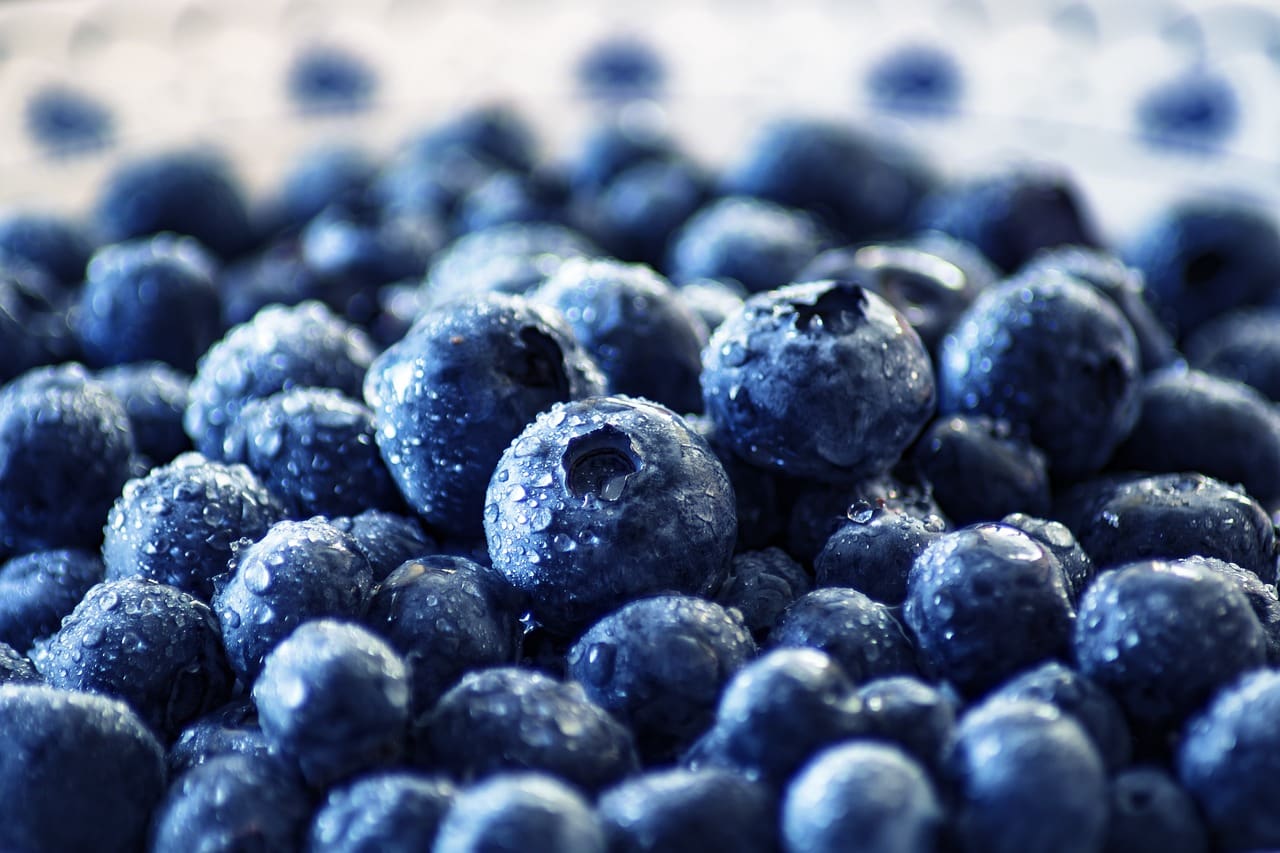
Including a variety of antioxidant-rich foods in our daily diet is essential for healthy aging. Fruits such as berries, citrus fruits, and grapes are particularly high in antioxidants. Vegetables like spinach, kale, and broccoli are also excellent sources. Additionally, nuts, seeds, and green tea are known for their antioxidant properties.
Role of Phytochemicals in Disease Prevention
Phytochemicals are naturally occurring compounds found in plants that have been shown to have numerous health benefits. They act as antioxidants, protect against inflammation, and support cell health. Some commonly known phytochemicals include resveratrol, found in grapes and red wine, and lycopene, found in tomatoes.
Consuming a wide variety of fruits, vegetables, whole grains, and legumes ensures a diverse intake of phytochemicals, which can contribute to disease prevention, including reducing the risk of heart disease, certain cancers, and neurodegenerative diseases.
Dietary Patterns for Healthy Aging
Mediterranean Diet and its Benefits for Longevity
The Mediterranean diet is often cited as one of the healthiest dietary patterns for promoting longevity and healthy aging. This diet is abundant in fruits, vegetables, whole grains, legumes, olive oil, and fish. It is low in red meat, refined sugars, and processed foods.
Research has shown that following a Mediterranean diet is associated with a reduced risk of chronic diseases such as heart disease, diabetes, and cognitive decline. The abundance of fruits and vegetables in this diet provides a wide range of nutrients and antioxidants, while the inclusion of healthy fats and lean proteins supports overall health and well-being.
Plant-Based Diets and their Impact on Aging
Plant-based diets, such as vegetarian or vegan diets, have gained popularity in recent years for various reasons, including their potential health benefits. These diets emphasize whole plant foods like fruits, vegetables, grains, legumes, and nuts, while limiting or eliminating animal products.
Plant-based diets have been associated with a reduced risk of chronic diseases and improved markers of longevity. They are typically rich in fiber, vitamins, minerals, and antioxidants while being lower in saturated fats and cholesterol. However, it is important to carefully plan these diets to ensure an adequate intake of key nutrients such as protein, vitamin B12, iron, and omega-3 fatty acids.
Other Dietary Patterns Associated with Healthy Aging
In addition to the Mediterranean and plant-based diets, other dietary patterns have shown promise in promoting healthy aging. The DASH (Dietary Approaches to Stop Hypertension) diet, which focuses on reducing sodium intake and increasing the consumption of fruits, vegetables, whole grains, lean proteins, and low-fat dairy products, may help prevent or manage conditions such as high blood pressure and heart disease.
The Japanese diet, which is low in saturated fats and high in fish, vegetables, and fermented foods, has been associated with low rates of heart disease and longer lifespans among the Japanese population.
Considering individual preferences and cultural influences, it is important to adopt a dietary pattern that is sustainable and enjoyable in the long term for the best outcomes in healthy aging.

Gut Health and Microbiota
Importance of a Healthy Gut Microbiota
Our gut microbiota consists of trillions of microorganisms that play a vital role in our overall health. It helps with digestion, absorbs nutrients, supports immune function, and even affects our mental health. A healthy gut microbiota is essential for maintaining a strong immune system, regulating inflammation, and promoting overall well-being.
The Role of Nutrition in Maintaining a Diverse and Balanced Gut Microbiota
The food we eat directly influences the composition and diversity of our gut microbiota. A diet rich in fiber supports the growth of beneficial bacteria in our gut, while a high intake of processed foods and added sugars can disrupt the balance and lead to an imbalance known as dysbiosis.
Consuming a variety of plant-based foods, such as fruits, vegetables, whole grains, and legumes, provides the necessary fiber and prebiotics to nourish and maintain a diverse gut microbiota and support healthy aging.
Foods that Promote Gut Health
Certain foods are known to support gut health and enhance the growth of beneficial bacteria. Fermented foods, such as yogurt, kefir, sauerkraut, and kimchi, contain probiotics, which are live bacteria that provide beneficial effects when consumed.
Prebiotic-rich foods, such as onions, garlic, asparagus, and bananas, provide the necessary fiber for the growth of beneficial bacteria. Including these foods in our diet can positively impact our gut health and contribute to healthy aging.
Caloric Restriction and Longevity
The Concept of Caloric Restriction and its Effects on Aging
Caloric restriction is a dietary approach that involves reducing calorie intake while still maintaining proper nutrition. Research in animals has shown that caloric restriction can extend lifespan and reduce the risk of age-related diseases. However, the effects of caloric restriction on humans are still being studied, and the optimal level of caloric restriction for promoting longevity is not yet clear.
It is important to note that extreme caloric restriction can lead to nutrient deficiencies and other negative health consequences. Therefore, if considering caloric restriction as a potential strategy for healthy aging, it is crucial to consult with a healthcare professional to ensure proper nutrient intake and overall health.
Intermittent Fasting and its Potential Benefits for Healthy Aging
Intermittent fasting is a dietary approach that involves cycling between periods of fasting and eating. It has gained popularity for its potential health benefits, including improved insulin sensitivity, weight management, and cellular repair processes.
Intermittent fasting may support healthy aging by promoting autophagy, a process where damaged cells are cleared out, and by reducing inflammation and oxidative stress. Different fasting protocols exist, such as the 16:8 method (fasting for 16 hours and eating within an 8-hour window) or alternate-day fasting. It is important to note that intermittent fasting may not be suitable for everyone, and individual needs and preferences should be taken into consideration.

Hydration and Aging
The Importance of Staying Hydrated for Overall Health
Water is essential for life, and staying hydrated is crucial for maintaining overall health, regardless of age. Water plays a vital role in various bodily functions, such as regulating body temperature, lubricating joints, transporting nutrients, and flushing out waste products.
As we age, the sensation of thirst may diminish, making it more challenging to stay adequately hydrated. Dehydration can have detrimental effects on our health and the aging process itself, leading to fatigue, impaired cognitive function, and increased risk of falls and other health complications.
Effects of Dehydration on the Aging Process
Dehydration can have several negative effects on the aging process. It can contribute to dry skin, urinary tract infections, constipation, and even cognitive decline. Additionally, dehydration can exacerbate existing chronic conditions such as kidney disease, heart disease, and diabetes.
It is important for older adults to pay special attention to their hydration needs and ensure they are consuming adequate fluids throughout the day.
Tips for Maintaining Proper Hydration
To maintain proper hydration, it is recommended to drink at least 8 cups (64 ounces) of fluids per day. Water is the best choice, but other hydrating beverages such as herbal tea, fruit-infused water, and low-sugar electrolyte drinks can also contribute to daily fluid intake.
It is important to note that individual hydration needs may vary depending on factors such as activity level, climate, and overall health. Monitoring urine color can provide a helpful indication of hydration status. Pale yellow urine is generally a sign of adequate hydration, while dark yellow urine may indicate dehydration.
Managing Chronic Conditions
Nutrition Strategies for Preventing and Managing Chronic Diseases
Proper nutrition plays a vital role in preventing and managing chronic diseases, which often become more prevalent as we age. For example, a diet low in saturated fats and cholesterol can help prevent or manage conditions such as heart disease and high blood pressure.
Consuming a diet rich in fruits, vegetables, whole grains, and lean proteins while limiting processed foods and added sugars can also support optimal blood sugar control and reduce the risk of developing type 2 diabetes.
Working with a healthcare professional or registered dietitian can provide personalized guidance and nutrition strategies based on individual health goals and existing conditions.
Effect of Diet on Age-Related Conditions
Diet has a significant impact on age-related conditions such as heart disease, diabetes, and cognitive decline. A nutrient-dense and balanced diet can help manage these conditions and slow down their progression.
Certain dietary factors, such as excessive intake of saturated and trans fats, high sodium intake, and inadequate intake of fruits, vegetables, and whole grains, can contribute to the development and progression of these conditions.
On the other hand, a diet rich in antioxidants, omega-3 fatty acids, and key vitamins and minerals can help reduce inflammation, support brain health, and improve overall well-being.
Supplementation for Healthy Aging
Role of Supplements in Filling Nutrient Gaps
While obtaining essential nutrients through a balanced diet should be the primary goal, certain individuals may benefit from dietary supplements to fill nutrient gaps or address specific health concerns.
As we age, our bodies may have increased nutritional needs or have a reduced ability to absorb certain nutrients. In such cases, supplements like calcium, vitamin D, vitamin B12, or omega-3 fatty acids may be recommended by healthcare professionals to support overall health and healthy aging.
Common Supplements Recommended for Healthy Aging
Some common supplements that are often recommended for healthy aging include:
- Omega-3 fatty acids: These essential fatty acids have been shown to support brain health, lower inflammation, and promote cardiovascular health.
- Vitamin D: As we age, our ability to produce vitamin D through sun exposure decreases. Adequate vitamin D levels are important for bone health, immune function, and reducing the risk of chronic diseases.
- Calcium: Maintaining strong bones and preventing osteoporosis becomes particularly important as we age. Adequate calcium intake, either through diet or supplementation, can help maintain bone health.
- Probiotics: Probiotic supplements contain live bacteria that can support gut health and improve digestion. They may be beneficial for individuals with digestive issues or those taking antibiotics.
Importance of Consulting a Healthcare Professional before Starting any Supplements
It is essential to consult with a healthcare professional, such as a doctor or registered dietitian, before starting any new supplements. They can assess individual needs, evaluate potential interactions with medications, and provide recommendations based on specific health concerns and goals.
Supplements should not be seen as a replacement for a healthy diet but rather as a complement to fill nutrient gaps and support overall health and well-being.
Lifestyle Factors for Healthy Aging
The Impact of Physical Activity on Aging and Longevity
In addition to nutrition, maintaining an active lifestyle is crucial for healthy aging. Regular physical activity can help reduce the risk of chronic diseases, maintain muscle mass and strength, support bone health, and improve overall quality of life.
Engaging in a combination of aerobic exercises, strength training, and flexibility exercises is recommended for optimal health benefits. Walking, swimming, cycling, and yoga are examples of activities that can be enjoyed by individuals of all ages and fitness levels.
Other Lifestyle Factors that Complement Nutrition for Healthy Aging
In addition to nutrition and physical activity, several other lifestyle factors contribute to healthy aging. These include:
- Adequate Sleep: Quality sleep is essential for overall health and well-being. It supports cognitive function, immune function, and helps regulate hormones. Aim for 7-9 hours of quality sleep each night.
- Stress Management: Chronic stress can have detrimental effects on health and aging. Engaging in stress-reducing activities such as mindfulness meditation, yoga, or spending time in nature can help manage stress levels.
- Social Connections: Maintaining strong social connections and engaging in social activities has been associated with improved mental health and overall well-being. Keep in touch with friends and family, join social clubs, or volunteer in the community.
- Mental Stimulation: Keeping the mind active and challenged is important for cognitive health. Engage in activities such as reading, puzzles, learning a new skill, or participating in brain-training exercises.
A holistic approach that combines nutrition, physical activity, and these lifestyle factors is key to promoting healthy aging and maximizing overall well-being.
In conclusion, nutrition plays a crucial role in promoting longevity and healthy aging. Consuming a balanced diet rich in macronutrients, vitamins, minerals, antioxidants, and phytochemicals can provide the necessary nutrients to support overall health and well-being as we age. Additionally, maintaining a healthy gut microbiota, staying hydrated, managing chronic conditions, considering dietary patterns, and incorporating lifestyle factors such as physical activity, stress management, and adequate sleep can contribute to healthy aging. It is important to consult with healthcare professionals and registered dietitians to ensure individualized guidance and support in achieving optimal nutritional intake for healthy aging. By prioritizing nutrition and making healthy choices, you can support your body and enjoy a long and vibrant life.