
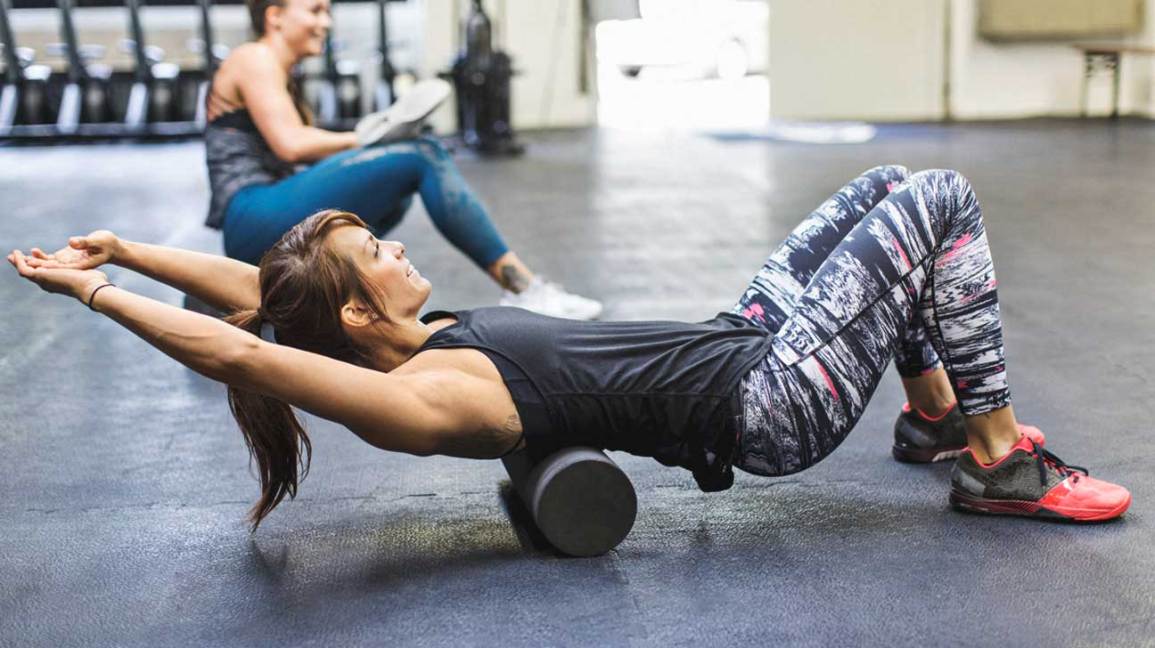
Are you tired of sore muscles holding you back from your fitness goals? Look no further – we have the solution for you! In this article, we will introduce you to the best foam rolling exercises for muscle recovery. Whether you’re an athlete looking to enhance your performance or just someone seeking relief from everyday muscle tension, foam rolling is a highly effective and accessible technique. Say goodbye to muscle soreness and hello to improved flexibility and recovery with these foam rolling exercises. Foam rolling is a fantastic way to help your muscles recover and alleviate muscle tension, allowing you to maintain optimal performance in your workouts. In this article, we will guide you through a comprehensive list of foam rolling exercises for different muscle groups, ensuring that you cover all areas of your body. So grab your foam roller, and let’s get started!
Quadriceps
Roll the front of your thighs
Start by lying face down, supporting your weight on your elbows and forearms. Place the foam roller underneath your thighs, just above your knees. Using your arms, roll forward and backward, allowing the foam roller to massage the front of your thighs. This exercise is excellent for targeting those tight quadriceps muscles that often become tense after intense leg workouts or prolonged sitting.
Roll the sides of your thighs
Now, turn your body slightly to the side and position the foam roller beneath your outer thigh. Rest your other leg on top of the leg you are targeting for support. Use your arms to roll back and forth, focusing on the outer part of your thigh. This exercise is particularly beneficial for addressing any tightness or knots in your IT band and the muscles connected to it.
Roll the inner thighs
To target your inner thighs, lie on your side with the foam roller positioned underneath your upper leg. Support your upper body using your forearm and elbow, while also using your other leg for extra stability. Roll back and forth, paying attention to any tight or tender spots along your inner thighs. This exercise can be especially helpful for loosening up the adductor muscles and improving overall flexibility.
Hamstrings
Roll the back of your thighs
Sit with your legs straight in front of you and place the foam roller underneath your hamstrings, just above the back of your knees. Place your hands behind you to support your body weight and lift your hips off the ground. Roll forward and backward, allowing the foam roller to work its magic on the back of your thighs. This exercise is perfect for targeting those tight hamstring muscles and promoting better flexibility.
Roll the sides of your thighs
To target the sides of your thighs, also known as the lateral hamstrings, lie on your side with the foam roller underneath your upper leg. Rest your other leg on top for support and balance. Using your forearm and elbow, roll back and forth along the lateral part of your thighs. This exercise is particularly effective for relieving any tension or tightness in the muscles extending from the hips to the knees.
Calves
Roll the back of your calves
Sit on the floor with your legs extended and place the foam roller underneath your calves. Rest your hands behind you for support and lift your hips off the ground. Roll back and forth, allowing the foam roller to massage the back of your calves. This exercise can help relieve any tightness or soreness in your calf muscles, especially after intense running or jumping activities.
Roll the sides of your calves
Now, turn your body slightly to the side and position the foam roller beneath your outer calf. Cross your other leg over for additional balance. Using your hands for support, roll back and forth along the outer part of your calves. This exercise is ideal for targeting the muscles along your outer calf, promoting better circulation and helping to prevent injuries.
Glutes
Roll your gluteal muscles
Sit on the foam roller and cross one leg over the opposite knee. Lean towards the side where your leg is crossed, applying pressure on your gluteal muscles. Roll back and forth along your glutes, paying attention to any specific areas of tightness or tension. This exercise is excellent for relieving muscle knots and improving overall hip mobility.
Roll your piriformis muscles
Position the foam roller underneath your buttocks, with one leg crossed over the opposite knee. Lean slightly towards the side where your leg is crossed, targeting your piriformis muscle. Roll back and forth along your buttocks, focusing on any tight or tender spots. This exercise can be particularly beneficial for individuals who experience sciatica pain or suffer from tight piriformis muscles.
Lower Back
Roll your erector spinae muscles
Sit on the foam roller with your feet flat on the floor and hands resting behind you for support. Slowly roll your lower back down, allowing the foam roller to massage your erector spinae muscles. Roll back and forth, focusing on any areas that feel tight or tender. This exercise is fantastic for alleviating lower back pain and promoting better spinal flexibility.
Roll your lower back muscles
Lie on your back with the foam roller positioned horizontally underneath your lower back. Bend your knees and keep your feet flat on the floor. Lift your hips off the ground, rolling up and down along your lower back. Be mindful of any areas of discomfort and adjust your position if necessary. This exercise can help alleviate muscle tension in your lower back and improve overall mobility.
Upper Back
Roll your upper back muscles
Sit on the floor with the foam roller positioned vertically behind you. Lean back so that your upper back rests against the foam roller. Place your hands behind your head or across your chest for support. Roll up and down along your upper back, focusing on any areas that feel tight or knotted. This exercise is perfect for releasing tension in your upper back and improving posture.
Roll your trapezius muscles
Lie on your back with the foam roller positioned horizontally underneath your upper back. Extend your arms out to the sides, forming a “T” shape. Roll side to side, allowing the foam roller to massage your trapezius muscles. This exercise can help ease muscle tightness and promote better shoulder mobility.
Shoulders
Roll your deltoid muscles
Sit on the floor with the foam roller positioned vertically beside you. Lean slightly towards the side you want to target your deltoid muscles. Rest your arm on the foam roller, supporting your weight with your opposite hand. Roll back and forth along your deltoids, focusing on any areas that feel tight or sore. This exercise is perfect for relieving shoulder tension and promoting better range of motion.
Roll your rotator cuff muscles
Lie on your side with the foam roller positioned horizontally beneath your shoulder. Place your opposite hand on the floor in front of you for support. Roll back and forth along your rotator cuff muscles, taking care to target any specific areas of discomfort. This exercise can help relieve tightness and improve the flexibility of your rotator cuff muscles.
Chest
Roll your pectoral muscles
Lie face down with the foam roller positioned horizontally beneath your chest. Extend your arms out to the sides and rest your palms on the floor. Roll up and down, allowing the foam roller to massage your pectoral muscles. Be mindful of any areas of tenderness and adjust your position if needed. This exercise is ideal for releasing tension in your chest and improving overall upper body mobility.
Arms
Roll your biceps muscles
Sit on the floor with your arm extended and place the foam roller underneath your biceps. Use your other hand to support your body weight. Roll back and forth along your biceps, paying attention to any tight or tender areas. This exercise is great for relieving muscle tension in your biceps after heavy lifting or repetitive arm movements.
Roll your triceps muscles
Lie face down with the foam roller positioned vertically beneath your armpit. Place your opposite hand on the floor for support. Roll up and down along your triceps, targeting any knots or areas of tightness. This exercise can help alleviate muscle soreness and enhance your triceps’ flexibility.
IT Band
Roll your lateral thigh muscles
Lie on your side with the foam roller positioned underneath your outer thigh. Stack your legs one on top of the other for stability. Use your forearm and elbow to roll up and down along your outer thigh, focusing on your IT band. This exercise is essential for targeting the lateral thigh muscles and improving overall leg flexibility.
Remember to always focus on your breathing during each foam rolling exercise and adjust the pressure according to your comfort level. Incorporating these foam rolling exercises into your recovery routine will not only help your muscles recover faster but also promote better flexibility and prevent injuries. So be sure to make foam rolling a part of your regular exercise regime for maximum benefits!
Happy rolling!