Are you looking for ways to regulate your blood sugar levels through diet? Look no further! This article serves as the ultimate guide to help you understand the importance of blood sugar regulation and how you can achieve it through simple dietary changes. From understanding the role of carbohydrates to discovering the power of portion control, this guide will empower you with the knowledge and tools you need to take control of your blood sugar levels and improve your overall health. Get ready to embark on a journey towards healthier eating habits and stable blood sugar levels.
Understanding Blood Sugar Regulation
What is blood sugar?
Blood sugar, also known as blood glucose, refers to the amount of glucose present in the bloodstream. Glucose is the primary source of energy for the body’s cells and organs, and maintaining stable blood sugar levels is crucial for overall health and well-being.
The importance of blood sugar regulation
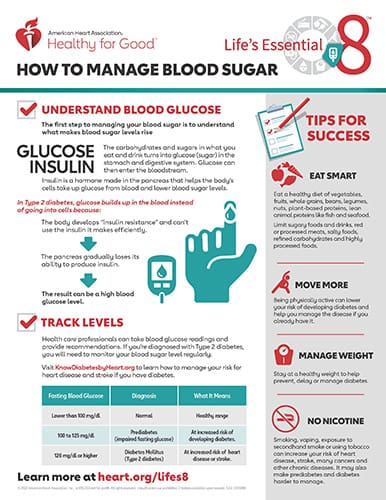
Proper blood sugar regulation is vital because high or low blood sugar levels can have significant effects on your health. When blood sugar levels are too high, it can lead to complications such as diabetes, cardiovascular disease, and kidney damage. On the other hand, low blood sugar levels can cause symptoms like fatigue, confusion, and dizziness. By understanding how to regulate blood sugar, you can avoid these potential health issues and maintain optimal energy levels throughout the day.
The role of insulin in blood sugar regulation
Insulin, a hormone produced by the pancreas, plays a crucial role in blood sugar regulation. When you consume carbohydrates, they are broken down into glucose and released into the bloodstream. In response, the pancreas releases insulin, which helps transport glucose from the bloodstream into the cells, where it can be used for energy. Insulin also helps store excess glucose in the liver for later use. Without sufficient insulin or insulin sensitivity, blood sugar levels can become imbalanced, leading to a range of health issues.
Foods That Impact Blood Sugar Levels
Carbohydrates and blood sugar
Carbohydrates have the most significant impact on blood sugar levels. They are digested and broken down into glucose, causing a rise in blood sugar. However, not all carbohydrates have the same effect. Simple carbohydrates, found in foods like sugary beverages and white bread, are quickly digested and can cause blood sugar to spike rapidly. On the other hand, complex carbohydrates, such as whole grains, fruits, and vegetables, are digested more slowly, resulting in a slower and steadier increase in blood sugar.
The glycemic index
The glycemic index (GI) is a tool that measures how quickly a particular food raises blood sugar levels. Foods with a high GI value, such as candies or white rice, are digested quickly, causing a rapid increase in blood sugar. In contrast, foods with a low GI, such as legumes and whole grains, are digested more slowly, resulting in a more gradual rise in blood sugar. By choosing foods with a lower GI, you can help regulate blood sugar levels and maintain a more stable energy throughout the day.
High glycemic vs. low glycemic foods
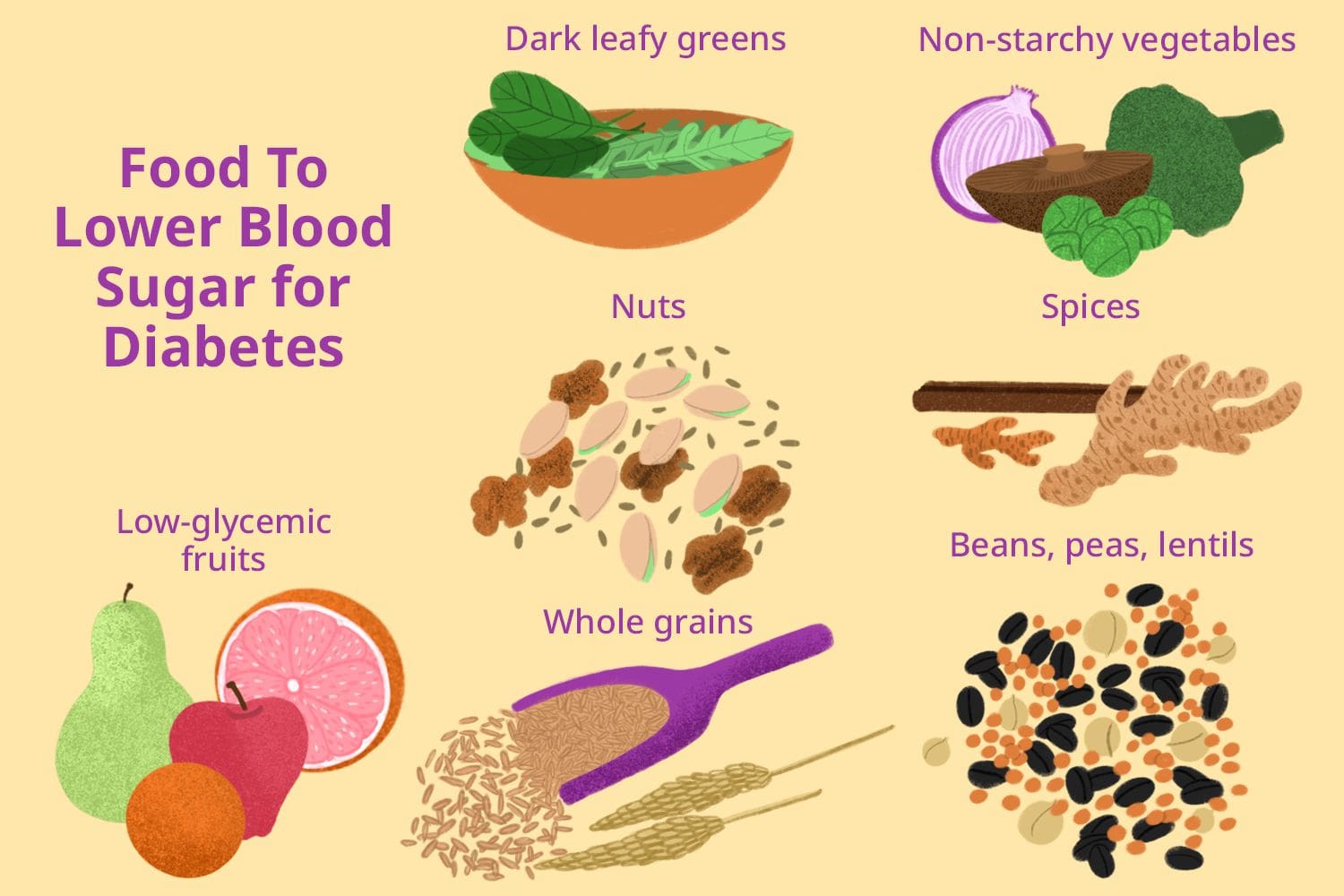
High glycemic foods, as mentioned earlier, cause a rapid spike in blood sugar levels. These foods are typically refined, processed, and lacking in fiber. Examples include white bread, sugary cereals, and sweets. On the other hand, low glycemic foods are digested more slowly, leading to a slower and more controlled release of glucose into the bloodstream. These foods are typically unprocessed, high in fiber, and nutrient-dense. Examples include whole grains, leafy greens, and legumes. Including more low glycemic foods in your diet can support stable blood sugar levels and overall health.

The Best Foods for Blood Sugar Regulation
Fiber-rich foods
Fiber is an essential nutrient when it comes to blood sugar regulation. Soluble fiber, found in foods like oats, legumes, and fruits, can help slow down the digestion and absorption of carbohydrates, resulting in a more gradual rise in blood sugar levels. Additionally, fiber can promote feelings of fullness and aid in weight management, which is important for maintaining stable blood sugar levels.
Healthy fats
Incorporating healthy fats into your diet can also support blood sugar regulation. Sources of healthy fats include avocados, nuts, seeds, and fatty fish like salmon. Healthy fats slow down the digestion of carbohydrates, helping to prevent rapid spikes in blood sugar. They also provide a longer-lasting source of energy and can help increase feelings of satiety, reducing the likelihood of overeating.
Protein sources
Including adequate protein in your meals can help with blood sugar regulation as well. Protein takes longer to digest than carbohydrates and can help slow down the release of glucose into the bloodstream. Additionally, protein can help maintain muscle mass, promote satiety, and aid in overall weight management. Good sources of protein include lean meats, poultry, fish, eggs, dairy products, legumes, and tofu.
The Importance of Meal Planning
Balancing macronutrients
Balancing macronutrients in your meals is critical for blood sugar regulation. Aim to include a combination of carbohydrates, protein, and healthy fats in each meal. This balanced approach can help slow down the digestion and absorption of carbohydrates, preventing sudden spikes in blood sugar. For example, pair whole grain toast (carbohydrates) with avocado (healthy fat) and scrambled eggs (protein) for a well-rounded and blood sugar-friendly breakfast.
Portion control
Controlling your portion sizes is key to blood sugar management. Even healthy foods can cause a significant blood sugar increase if consumed in large quantities. Pay attention to portion sizes and listen to your body’s hunger and fullness cues. Be mindful of portion sizes of carbohydrates, especially high glycemic options, and aim to include more non-starchy vegetables to balance your plate.
Eating frequency
Rather than consuming three large meals, consider spreading your food intake throughout the day by including nutritious snacks. This approach can help maintain more stable blood sugar levels and prevent extreme hunger, which often leads to overeating or making unhealthy food choices. Opt for mini-meals or snacks that include protein, fiber, and healthy fats to keep you satisfied and avoid blood sugar fluctuations.
The Role of Exercise in Blood Sugar Control
How exercise affects blood sugar levels
Exercise can have a significant impact on blood sugar regulation. During physical activity, your muscles require additional energy, often in the form of glucose. As a result, exercise helps to lower blood sugar levels by enhancing glucose uptake into the muscles, even without the need for insulin. Regular exercise can improve insulin sensitivity, making it easier for your cells to absorb and utilize glucose effectively.
Recommended types of exercise
Both cardiovascular exercises and resistance training are beneficial for blood sugar control. Cardiovascular exercises, such as brisk walking, swimming, or cycling, can help lower blood sugar levels and improve insulin sensitivity. Resistance training, which involves using weights or resistance bands, can build muscle mass, enhance insulin sensitivity, and promote stable blood sugar levels.
Timing of exercise in relation to meals
The timing of exercise in relation to meals can also impact blood sugar control. If you have diabetes or are at risk of hypoglycemia, it’s essential to monitor your blood sugar levels before, during, and after exercise. To prevent hypoglycemia, it is generally recommended to avoid exercising on an empty stomach and to consume a small, balanced meal or snack containing carbohydrates, protein, and healthy fats before exercising. Regular monitoring and consulting with a healthcare professional are crucial for determining the best exercise and meal timing for your unique situation.
Effective Strategies for Managing Cravings
Identifying triggers
Understanding the triggers for your cravings is an essential step in managing them effectively. Cravings can be triggered by factors such as stress, emotions, or specific situations. Keeping a food journal and noticing patterns can help you identify what prompts your cravings. Once you recognize the triggers, you can develop strategies to combat or replace those cravings with healthier alternatives.
Substituting unhealthy snacks with healthier options
When cravings strike, it’s helpful to have healthier snack options readily available. Instead of reaching for sugary or processed snacks, choose nutrient-dense options like fresh fruit, yogurt, raw nuts, or vegetable sticks with hummus. These healthier alternatives can satisfy your craving while providing essential nutrients and helping to maintain stable blood sugar levels.
Mindful eating techniques
Practicing mindful eating can also be effective in managing cravings. Slow down and engage all your senses while eating. Pay attention to the flavors, textures, and smells of the food. By slowing down and savoring each bite, you can increase satisfaction and reduce the likelihood of overeating or giving in to unhealthy cravings. Also, consider eating smaller portions of indulgent foods, allowing yourself to enjoy them without feeling deprived while still maintaining balance.
The Benefits of Mindful Eating
Eating slowly and savoring each bite
One of the key principles of mindful eating is to eat slowly and savor each bite. By taking the time to chew your food thoroughly and eat at a relaxed pace, you give your body and brain a chance to register feelings of fullness. This can prevent overeating and promote stable blood sugar levels. Eating slowly also allows you to truly enjoy and appreciate the flavors and textures of your food, enhancing the overall dining experience.
Paying attention to hunger and fullness cues
Practicing mindful eating involves tuning into your body’s hunger and fullness cues. Before eating, take a moment to assess your hunger levels on a scale from 1 to 10. Aim to eat when you are moderately hungry (around a 3 or 4) and stop eating when you feel comfortably satisfied (around a 7). By paying attention to these cues, you can prevent overeating and better regulate blood sugar levels.
Avoiding distractions while eating
It’s essential to avoid distractions like television or digital devices while eating. Engage in mindful eating by focusing solely on your meal. By eliminating distractions, you can fully appreciate the flavors and textures of the food, as well as pay attention to your body’s hunger and fullness cues. Eating without distractions also promotes a more relaxed eating experience, reducing stress and supporting better blood sugar regulation.
The Impact of Stress on Blood Sugar Levels
Understanding the stress response
When you experience stress, your body releases cortisol, a hormone that can cause a rise in blood sugar levels. This is commonly known as the “fight or flight” response. While this response is designed to be protective in short-term situations, chronic stress can lead to consistently elevated blood sugar levels and potentially contribute to the development of diabetes or other health conditions. Managing stress is crucial for maintaining stable blood sugar levels.
Stress reduction techniques
To manage stress effectively and support blood sugar regulation, it’s important to incorporate stress reduction techniques into your daily routine. Techniques such as deep breathing exercises, mindfulness meditation, yoga, and regular physical activity can help reduce stress levels and improve overall well-being. Engaging in activities that bring you joy, spending time with loved ones, and seeking support from a counselor or support group can also be beneficial in managing stress.
The role of sleep in managing stress
Getting enough quality sleep is crucial for managing stress and maintaining stable blood sugar levels. Lack of sleep can increase cortisol levels, leading to higher blood sugar levels and insulin resistance. Aim for 7-9 hours of quality sleep each night to optimize your stress management and support healthy blood sugar regulation. Establishing a regular sleep routine, creating a relaxing sleep environment, and practicing good sleep hygiene can improve the quality and duration of your sleep.

The Role of Supplements in Blood Sugar Control
Vitamin and mineral deficiencies
Deficiencies in certain vitamins and minerals can impact blood sugar regulation. For example, studies have shown that low levels of vitamin D, magnesium, and chromium may be associated with impaired glucose metabolism and increased risk of diabetes. It’s essential to prioritize a nutrient-rich diet to meet your body’s needs, but in some cases, supplements may be beneficial to address specific deficiencies.
Recommended supplements for blood sugar regulation
If you suspect you have nutrient deficiencies or struggle to meet your nutrient needs through diet alone, consult with a healthcare professional who can recommend appropriate supplements. Some supplements that may support blood sugar regulation include vitamin D, magnesium, chromium, alpha-lipoic acid, and omega-3 fatty acids. However, it’s important to note that supplements should complement a healthy diet and lifestyle, not replace them.
Consulting with a healthcare professional
Before starting any new supplements, it’s crucial to consult with a healthcare professional. They can assess your specific needs, determine if supplements may be beneficial, and guide you in selecting the appropriate products and dosages. Additionally, healthcare professionals can help monitor your blood sugar levels and adjust any medication or dietary recommendations accordingly.
Long-Term Habits for Maintaining Stable Blood Sugar
Creating a sustainable eating plan
Developing a sustainable eating plan is essential for maintaining stable blood sugar levels in the long term. Focus on incorporating whole, unprocessed foods into your meals, including a variety of fruits, vegetables, whole grains, lean proteins, healthy fats, and fiber-rich foods. Be mindful of portion sizes, balance your macronutrients, and choose low glycemic options whenever possible. Aim for consistency rather than perfection and find a way of eating that you enjoy and can maintain for the long haul.
Regular monitoring of blood sugar levels
Regularly monitoring your blood sugar levels is crucial for maintaining stable blood sugar. If you have diabetes or are at risk of developing diabetes, it’s essential to consistently monitor your blood sugar levels as advised by your healthcare professional. Frequent monitoring allows you to track patterns, identify triggers, and make necessary adjustments to your diet, exercise, or medication regimen.
Seeking ongoing support and education
Managing blood sugar levels can be a complex journey, and seeking ongoing support and education is vital. Engage with healthcare professionals, such as registered dietitians or diabetes educators, who can provide personalized guidance and support. Attend educational workshops or support groups to learn more about blood sugar regulation and connect with others who may be facing similar challenges. By surrounding yourself with a supportive network, you can stay motivated and continue to learn how to best manage your blood sugar levels.
In conclusion, understanding and implementing strategies for blood sugar regulation through diet is crucial for maintaining optimal health and well-being. By prioritizing a balanced intake of macronutrients, choosing low glycemic foods, practicing portion control, incorporating regular exercise, managing stress, and seeking ongoing support, you can maintain stable blood sugar levels and improve your overall quality of life. Remember, small changes over time can lead to significant long-term improvements in blood sugar regulation. Start by incorporating one or two strategies from this guide and gradually build upon them as you progress towards a healthier lifestyle.