
Have you ever felt sluggish, bloated, or just not your best? If so, it may be time for a detox. In this ultimate guide to detoxing your body, you will learn everything you need to know to cleanse and rejuvenate your system. From understanding how toxins affect your health to discovering the best foods and practices to eliminate them, this guide will help you kickstart your journey to a healthier, more vibrant you. Get ready to say goodbye to toxins and hello to a renewed sense of well-being.
Understanding the Concept of Detoxification
What is detoxification?
Detoxification, or simply detox, refers to the process of eliminating toxins and waste products from the body. It is a natural and ongoing process that the body undertakes to maintain overall health and well-being. The primary organs involved in detoxification are the liver, kidneys, lungs, skin, and digestive system. These organs work together to break down and eliminate toxins, which can come from various sources such as food, water, air pollution, chemicals, and even stress.
Why is detoxification important?
Detoxification is crucial for maintaining optimal health because our bodies constantly encounter toxins that can accumulate and disrupt normal bodily functions. Through detoxification, these toxins are eliminated, allowing our organs to function efficiently. When our body’s detoxification process is impaired or overwhelmed, we may experience a variety of symptoms, including fatigue, headaches, digestive issues, skin problems, and difficulty with weight management. By supporting and enhancing the body’s natural detoxification processes, we can promote overall wellness and prevent the buildup of harmful substances.
Types of toxins in the body
Toxins can enter our bodies through various means, including the food we eat, the air we breathe, the water we drink, and even the products we use on our skin. Some common types of toxins include environmental pollutants, heavy metals, pesticides, synthetic chemicals, food additives, alcohol, and medications. These toxins can have a detrimental effect on our health and well-being, and it is important to be aware of their presence in order to minimize our exposure and support our body’s detoxification processes effectively.
Signs and Symptoms of Toxins in the Body
Fatigue and low energy levels
Feeling constantly tired and lacking energy can be a sign that toxins have built up in your body. When toxins overwhelm the detoxification organs, such as the liver, they can hinder the body’s ability to produce energy efficiently. This can lead to feelings of fatigue, sluggishness, and a general lack of vitality.
Frequent headaches
Toxins can also contribute to frequent headaches and migraines. When toxins accumulate in the body, they can trigger inflammatory responses and disrupt normal brain function, leading to headaches and other discomforts.
Digestive issues
An overloaded system can lead to digestive issues such as bloating, gas, constipation, or diarrhea. Toxins can disrupt the balance of bacteria in the gut, leading to digestive discomfort and poor nutrient absorption.
Skin problems
The skin is one of the body’s primary detoxification organs, and when overloaded with toxins, it can manifest various skin problems such as acne, rashes, eczema, and dull complexion. These conditions often reflect an internal imbalance that can be addressed through detoxification.
Weight gain and difficulty losing weight
Toxins can disrupt the metabolic processes in the body, leading to weight gain and difficulty losing weight. Additionally, some toxins are stored in fat cells, further hindering weight loss efforts. Detoxification can help eliminate these toxins and promote a healthy metabolism.
The Benefits of Detoxing Your Body
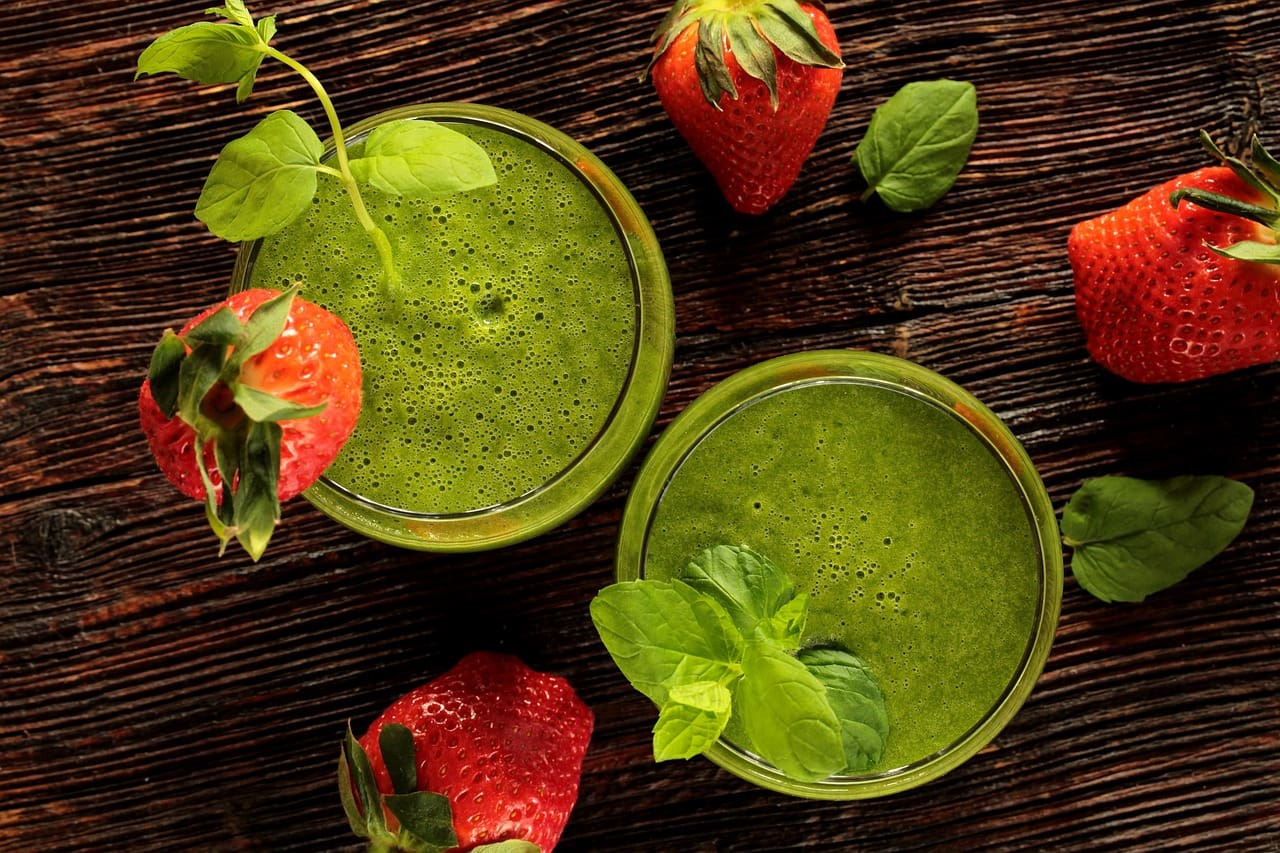
Improved energy levels
One of the most noticeable benefits of detoxing your body is the significant increase in energy levels. By eliminating toxins that burden the body, detoxification allows your organs to function optimally, resulting in improved energy production and a greater sense of vitality.
Enhanced immune function
Detoxing your body can boost your immune system. When toxins accumulate, they can suppress immune function and leave you more susceptible to illnesses. Detoxification strengthens the immune system by helping to remove the burdens that weigh it down, allowing your body to better fight off infections and diseases.
Better digestion and nutrient absorption
Detoxification supports healthy digestion by removing toxins that can disrupt the gut flora and impair nutrient absorption. By restoring balance to the digestive system, detoxing can alleviate gastrointestinal issues and improve overall gut health.
Clearer skin and improved complexion
Detoxification can do wonders for your skin. By eliminating toxins and improving the body’s ability to eliminate waste, detoxing can help reduce acne, inflammation, and other skin problems. This leads to a clearer complexion, a more youthful appearance, and a natural glow.
Weight loss and improved metabolism
Detoxification can play a significant role in weight loss and achieving a healthy metabolism. By removing toxins that disrupt metabolic processes, detoxing allows your body to burn calories more efficiently and promote weight loss. It can also help break through weight loss plateaus that may occur due to toxin buildup in the body.
Methods of Detoxification
Healthy diet and nutrition
A healthy diet and proper nutrition are essential for supporting the body’s natural detoxification processes. Focus on consuming whole, unprocessed foods rich in vitamins, minerals, antioxidants, and fiber. This includes plenty of fruits, vegetables, whole grains, lean proteins, and healthy fats. Avoid or minimize the consumption of processed foods, refined sugars, and unhealthy fats.
Hydration and water therapy
Staying properly hydrated is crucial for detoxification. Water helps flush out toxins and supports the functioning of the body’s detox organs. Consider incorporating water therapy, such as drinking warm lemon water in the morning or adding detoxifying herbs and fruits to your water, to further enhance the detoxification process.
Exercise and physical activity
Regular exercise and physical activity are not only beneficial for overall health but also play a vital role in detoxification. Exercise stimulates the circulation of blood and lymphatic fluids, which helps carry toxins away from the body’s tissues. Aim for a combination of cardiovascular exercises, strength training, and activities that promote sweating, such as sauna sessions or hot yoga.
Natural herbs and supplements
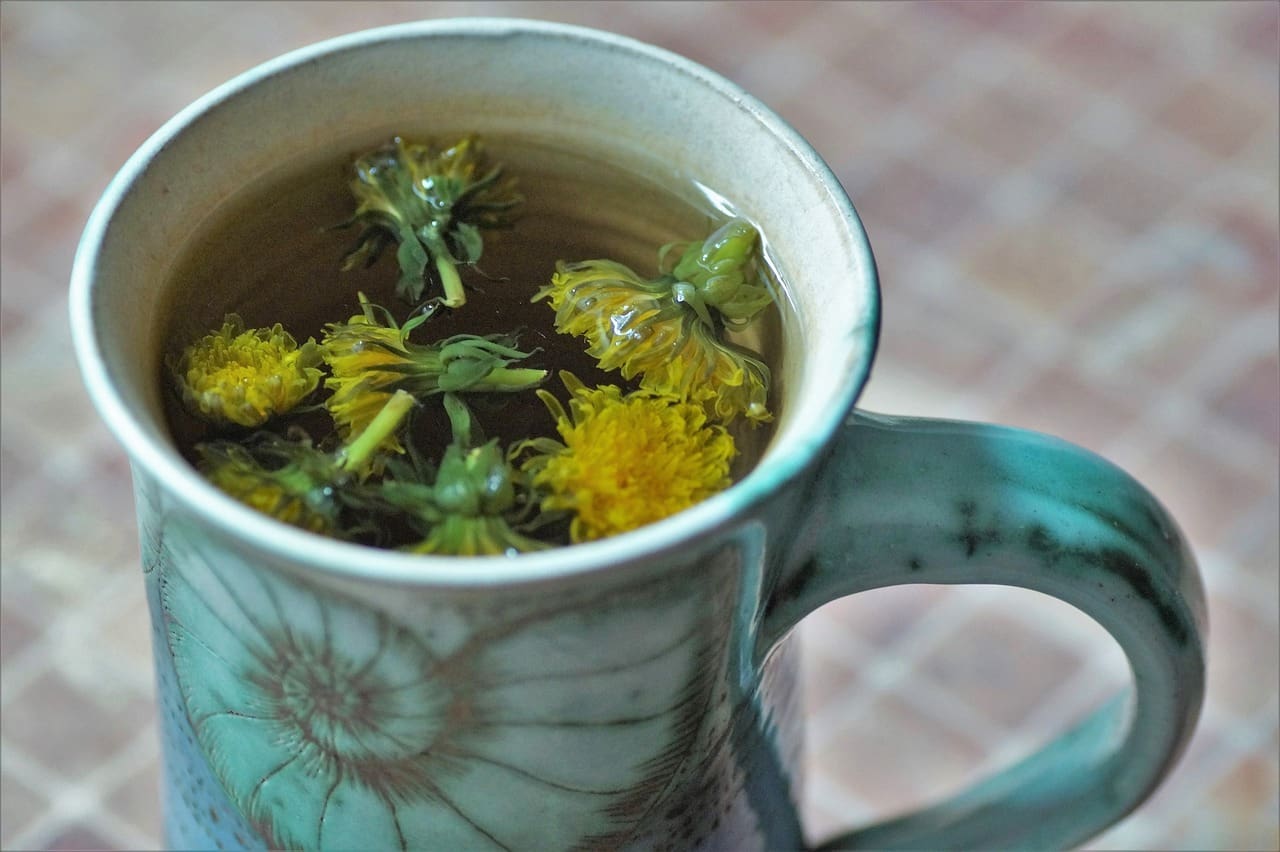
Certain herbs and supplements can support the body’s detoxification processes. Milk thistle, dandelion root, turmeric, and spirulina are just a few examples of natural substances that can aid in detoxification. Always consult with a healthcare professional before starting any new supplements.
Detoxifying baths and saunas
Detoxifying baths, such as Epsom salt baths or clay baths, can help draw out toxins through the skin. Saunas, on the other hand, promote sweating and aid in the elimination of toxins. Incorporating these practices into your detox routine can enhance the overall efficacy of the process.

Creating a Detox Plan
Setting clear goals
When embarking on a detoxification journey, it is important to set clear goals for yourself. Establish what you hope to achieve through detoxing, whether it’s increased energy, improved digestion, clearer skin, weight loss, or simply feeling better overall. Having clear goals will help keep you motivated and focused throughout the process.
Choosing the right detox method
There are numerous detox methods available, so it’s important to choose one that aligns with your goals, lifestyle, and preferences. Consider factors such as duration, intensity, and the specific focus of the detox program. It is recommended to consult with a healthcare professional or a registered dietitian to determine the best detox method for your individual needs.
Preparing your body for detox
Before starting a detox, it’s beneficial to prepare your body by gradually eliminating processed foods, caffeine, alcohol, and other substances that may burden the detoxification organs. Instead, focus on nourishing your body with nutrient-dense foods and staying well-hydrated.
Planning a detox timeline
Detoxification is not a one-time event but rather a process that should be approached over a specific timeframe. Decide on the duration of your detox plan, whether it’s a week, two weeks, or even longer. Be realistic and choose a timeframe that suits your lifestyle and commitments.
Making modifications for individual needs
Everybody is unique, and it’s essential to tailor your detox plan to fit your specific needs. Consider any food intolerances, allergies, or dietary restrictions you may have and adjust your detox plan accordingly. It’s crucial to listen to your body and make modifications as necessary to ensure a safe and effective detoxification process.
Foods to Include in a Detox Diet
Fruits and vegetables
Including a wide variety of fruits and vegetables in your detox diet is essential. These foods are rich in vitamins, minerals, antioxidants, and fiber, which aid in the elimination of toxins and support overall health. Choose organic when possible to minimize exposure to pesticides.
Whole grains and legumes
Whole grains and legumes provide a good source of fiber and essential nutrients. They help sustain energy levels, support digestion, and promote the elimination of toxins. Opt for quinoa, brown rice, lentils, and chickpeas for a nutritious detox diet.
Lean proteins
Including lean proteins such as chicken, turkey, fish, tofu, or tempeh in your detox diet provides essential amino acids for tissue repair and supports detoxification processes. Be mindful of the source of your proteins and choose organic or grass-fed options when available.
Healthy fats
Don’t shy away from healthy fats during your detox. Avocado, nuts, seeds, olive oil, and coconut oil are excellent sources of healthy fats that provide essential nutrients and support detoxification. Moderation is key, so be mindful of portion sizes.
Detoxifying herbs and spices
Certain herbs and spices can provide additional detoxifying benefits. Consider incorporating cilantro, parsley, ginger, garlic, turmeric, and cinnamon into your detox diet to support the body’s detoxification processes.
Foods to Avoid in a Detox Diet
Processed foods and refined sugars
Processed foods and refined sugars are major contributors to toxin buildup in the body. Avoid foods that are heavily processed, contain artificial ingredients, and have added sugars. These foods often lack essential nutrients and can hinder the detoxification process.
Alcohol and caffeine
Alcohol and caffeine can burden the liver and hinder the detoxification process. During your detox, it’s best to eliminate or limit the consumption of alcohol and caffeine to give your body a chance to cleanse and reset.
Artificial additives and preservatives
Foods containing artificial additives and preservatives should be avoided during detoxification. These substances are not nutrient-dense and can disrupt the body’s delicate balance. Read labels carefully and choose whole, natural foods whenever possible.
Fried and high-fat foods
High-fat and fried foods are not beneficial for detoxification. They can be difficult to digest and contribute to toxin buildup in the body. Opt for healthier cooking methods such as baking, grilling, or steaming, and choose foods with moderate fat content.
Dairy and gluten
Dairy and gluten can be inflammatory for some individuals and may disrupt the detoxification process. Consider eliminating these foods during your detox or choose dairy alternatives and gluten-free grains if you suspect sensitivity or intolerance.
Supporting Your Detox with Lifestyle Changes
Reducing stress levels
Stress can have a significant impact on the body’s detoxification processes. Implement stress reduction techniques such as meditation, deep breathing exercises, yoga, or engaging in activities you enjoy. By managing stress, you create a healthier environment for detoxification to occur.
Getting enough sleep and rest
Adequate sleep and rest are crucial for optimal detoxification. During sleep, the body repairs and regenerates, allowing for efficient toxin elimination. Aim for seven to eight hours of quality sleep each night and prioritize relaxation time throughout the day.
Quitting smoking and limiting alcohol consumption
Smoking introduces a multitude of toxins into the body and compromises the detoxification process. Similarly, excessive alcohol consumption can overwhelm the liver and impair detoxification. Quitting smoking and limiting alcohol intake are important steps towards supporting your body’s natural detoxification mechanisms.
Avoiding environmental toxins
While we cannot control all environmental toxins, we can take steps to minimize our exposure. Avoid smoking or spending time in places where smoking occurs. Choose natural cleaning and personal care products to reduce exposure to harmful chemicals. Additionally, purifying the air in your home can help eliminate toxins.
Practicing mindfulness and relaxation techniques
Mindfulness and relaxation techniques can support detoxification by reducing stress and promoting a sense of well-being. Engage in activities that help you relax and unwind, such as practicing meditation, journaling, enjoying nature, or taking soothing baths.
Potential Risks and Precautions
Consulting with a healthcare professional
Before starting any detox program, it’s important to consult with a healthcare professional, especially if you have any underlying health conditions or take medications. A healthcare professional can provide guidance, ensure safety, and help tailor a detox plan to meet your specific needs.
Monitoring for detox side effects
Detoxification can occasionally cause temporary side effects such as headaches, fatigue, mood swings, or digestive disturbance as the body eliminates toxins. It’s important to monitor your body’s response during detox and make adjustments as needed. If severe or persistent side effects occur, seek medical attention.
Avoiding extreme detox programs
Extreme detox programs that involve severe calorie restriction, excessive exercise, or lengthy fasting periods can be harmful and should be avoided. Opt for balanced and sustainable detox methods that nourish your body and support its natural detoxification processes.
Being aware of individual sensitivities and allergies
When following a detox plan, be aware of any food sensitivities or allergies you may have. Avoid foods that trigger an allergic reaction or cause discomfort. Focus on foods that are well-tolerated and nourishing for your body.
Gradually transitioning after detox
After completing a detox, it’s important to gradually reintroduce foods and transition back to a regular diet. Rapidly returning to previous eating habits can shock the body and undo the progress made during the detoxification process. Slowly reintroduce foods while paying attention to how your body reacts.
Final Thoughts on Detoxing Your Body
Detoxing as a lifestyle choice
Detoxification should not be viewed as a one-time event but as a lifestyle choice. Incorporating detox practices into your daily life, such as consuming a nutrient-rich diet, staying hydrated, and engaging in stress-reducing activities, can help maintain long-term health and support the body’s natural detoxification processes.
Long-term benefits of detoxification
Consistently supporting your body’s detoxification processes can yield long-term benefits. Detoxing regularly can boost energy levels, strengthen the immune system, improve digestion, enhance skin health, promote weight loss, and maintain overall well-being.
Incorporating detox practices into daily life
Detoxification isn’t just about short-term programs or diets but can be integrated into your daily life. Simple practices such as starting the day with warm lemon water, including detoxifying herbs and spices in meals, and engaging in regular exercise can all contribute to ongoing detoxification.
Listening to your body’s needs
Throughout your detoxification journey, it’s important to listen to your body’s cues and make adjustments accordingly. Your body knows best what it needs, so tune in and honor its messages. If something doesn’t feel right or causes discomfort, seek guidance from a healthcare professional.
Celebrating progress and maintaining balance
Finally, it’s essential to celebrate your progress, no matter how small. Each step towards a healthier, detoxified body is an achievement. However, it’s important to maintain balance in all aspects of life. Nourish your body, mind, and soul while practicing moderation and self-care. Remember, a healthy and balanced lifestyle is the ultimate goal.