
Welcome to an article that explores the importance of evidence-based healthcare policy. By basing decisions on solid data and proven research, evidence-based policy can lead to better outcomes for individuals and communities. From improving patient care to reducing healthcare costs, taking a data-driven approach can make a significant impact on the healthcare system. Let’s delve into the value of evidence-based healthcare policy and how it can ultimately benefit us all. Have you ever wondered why evidence-based healthcare policy is crucial for improving the quality of healthcare services? Let’s dive into the importance and value of evidence-based healthcare policy and how it can positively impact patient outcomes and overall healthcare systems.
Understanding Evidence-Based Healthcare Policy
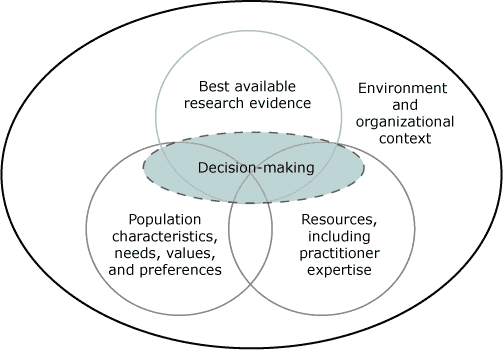
When it comes to healthcare policy, decisions made by policymakers can have a significant impact on the delivery of healthcare services, patient outcomes, and healthcare costs. But what exactly is evidence-based healthcare policy? Evidence-based healthcare policy involves making decisions based on solid empirical evidence, scientific research, and data analysis rather than conjecture or personal beliefs. By using evidence-based policy-making, policymakers can ensure that decisions are data-driven and have a sound basis in research.
The Role of Evidence-Based Research
To make informed decisions, policymakers rely on evidence-based research from credible sources such as peer-reviewed journals, systematic reviews, and meta-analyses. This type of research provides policymakers with reliable data and analysis to guide them in developing effective healthcare policies. By using evidence-based research, policymakers can ensure that their decisions are based on the best available evidence and are more likely to lead to positive outcomes.

Benefits of Evidence-Based Healthcare Policy
Evidence-based healthcare policy offers several benefits that can improve the delivery of healthcare services and patient outcomes. Let’s explore some of the advantages of implementing evidence-based policy-making in healthcare.
Improved Patient Outcomes
One of the primary benefits of evidence-based healthcare policy is improved patient outcomes. By using evidence-based research to inform policy decisions, policymakers can implement interventions and strategies that have been shown to be effective in improving patient health. This can lead to reduced mortality rates, improved quality of life for patients, and better health outcomes overall.
Cost-Effective Interventions
Another advantage of evidence-based healthcare policy is that it can lead to more cost-effective interventions. By using research and data to inform policy decisions, policymakers can identify interventions that are both clinically effective and cost-effective. This can help to optimize healthcare spending and ensure that resources are allocated efficiently to achieve the best outcomes for patients.
Increased Accountability and Transparency
Implementing evidence-based healthcare policy can also increase accountability and transparency in healthcare systems. By using research and data to guide decision-making, policymakers can be held accountable for their choices and demonstrate that their policies are grounded in evidence. This can help to build trust with stakeholders, including patients, healthcare providers, and the public, and ensure that decisions are made in the best interests of the population.
Continuous Improvement
One of the key advantages of evidence-based healthcare policy is that it allows for continuous improvement in healthcare systems. By regularly reviewing and updating policies based on new evidence and research, policymakers can ensure that healthcare services remain up-to-date and effective. This can help to drive innovation in healthcare delivery, improve patient outcomes, and address emerging health challenges.
Challenges of Implementing Evidence-Based Healthcare Policy
While evidence-based healthcare policy offers many benefits, there are also challenges associated with its implementation. Let’s take a closer look at some of the hurdles that policymakers may face when trying to adopt evidence-based policy-making in healthcare.
Access to Data and Research
One of the primary challenges of implementing evidence-based healthcare policy is access to data and research. Policymakers rely on high-quality data and research to inform their decisions, but accessing this information can be difficult. Limited resources, complex data sources, and conflicting research findings can make it challenging for policymakers to identify and use the best available evidence. This can lead to decisions being made based on incomplete or outdated information, which may not result in the best outcomes for patients.
Resistance to Change
Another common challenge of implementing evidence-based healthcare policy is resistance to change. Healthcare systems are complex, and introducing new policies based on evidence can disrupt established practices and workflows. Healthcare providers, administrators, and other stakeholders may be hesitant to adopt new policies, especially if they perceive them as threatening existing practices or autonomy. Overcoming resistance to change and ensuring buy-in from stakeholders is essential for successful implementation of evidence-based healthcare policy.
Political and Economic Pressures
Policymakers also face political and economic pressures when trying to implement evidence-based healthcare policy. Political considerations, such as public opinion, lobbying efforts, and election cycles, can influence policy decisions and detract from evidence-based approaches. Economic pressures, such as budget constraints and competing interests, can also impact the feasibility of evidence-based policies. Balancing these pressures while prioritizing the best available evidence can be a significant challenge for policymakers.

Strategies for Successful Implementation
Despite the challenges associated with evidence-based healthcare policy, there are strategies that policymakers can use to successfully implement evidence-based approaches in healthcare. Let’s explore some key strategies for promoting evidence-based policy-making and overcoming barriers to implementation.
Building Capacity for Research and Analysis
One strategy for successful implementation of evidence-based healthcare policy is to build capacity for research and analysis within healthcare systems. By investing in training, resources, and infrastructure for data collection and analysis, policymakers can ensure that they have access to high-quality evidence to inform their decisions. Building internal capacity for research and analysis can also help to reduce reliance on external sources and increase the sustainability of evidence-based policy-making efforts.
Engaging Stakeholders and Communicating Effectively
Engaging stakeholders and communicating effectively are essential strategies for successful implementation of evidence-based healthcare policy. Policymakers should involve healthcare providers, administrators, patients, and other stakeholders in the policy-making process to ensure that their perspectives and needs are taken into account. Effective communication of evidence, policy goals, and expected outcomes can help to build support for new policies and foster collaboration among stakeholders.
Monitoring and Evaluation
Monitoring and evaluation are critical strategies for assessing the impact of evidence-based healthcare policy and making informed adjustments as needed. Policymakers should establish clear metrics and indicators to track the effectiveness of policies, measure progress toward policy goals, and identify areas for improvement. Regular monitoring and evaluation can help policymakers to identify successes and challenges, learn from experience, and make evidence-based adjustments to policies over time.
Promoting a Culture of Evidence-Based Decision-Making
Promoting a culture of evidence-based decision-making is essential for successful implementation of evidence-based healthcare policy. Policymakers should prioritize transparency, accountability, and integrity in decision-making processes to build trust with stakeholders and demonstrate a commitment to evidence-based approaches. By fostering a culture that values research, data, and evidence, policymakers can create an environment where evidence-based policy-making is the norm rather than the exception.

Conclusion
In conclusion, evidence-based healthcare policy plays a crucial role in improving the quality of healthcare services, patient outcomes, and overall healthcare systems. By using evidence-based research to inform policy decisions, policymakers can implement interventions that are effective, cost-effective, and sustainable. Despite the challenges associated with implementing evidence-based policy-making, there are strategies that policymakers can use to promote evidence-based approaches and overcome barriers to implementation. By building capacity for research and analysis, engaging stakeholders, monitoring and evaluating policies, and promoting a culture of evidence-based decision-making, policymakers can ensure that their policies are grounded in the best available evidence and lead to positive outcomes for patients and healthcare systems.
