
Living with chronic obstructive pulmonary disease (COPD) can be challenging, but with the right strategies, you can effectively manage your condition and improve your quality of life. In this article, you will discover a range of helpful tips for coping with COPD. From lifestyle changes to medication management and support systems, these practical suggestions will empower you to take control of your health and make the most of each day. Whether you have recently been diagnosed or have been living with COPD for a while, these tips will provide valuable insights and guidance for navigating life with this chronic respiratory condition.
Understanding COPD
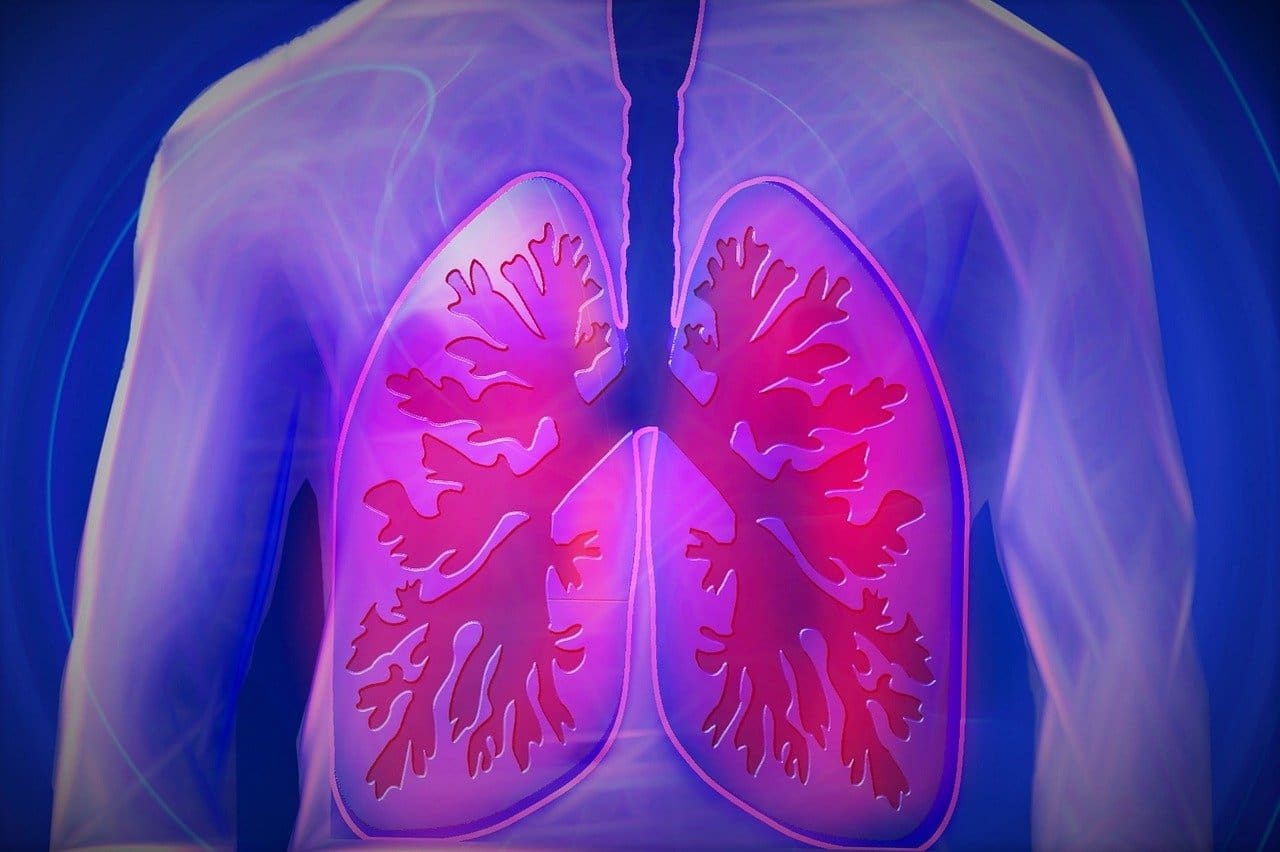
Chronic Obstructive Pulmonary Disease (COPD) is a chronic lung condition that affects millions of people worldwide. It is characterized by the obstruction of airflow in the lungs, making it difficult for you to breathe. There are two main types of COPD: chronic bronchitis and emphysema.
Chronic bronchitis occurs when the airways become inflamed and produce excessive mucus, leading to a persistent cough and difficulty in breathing. Emphysema, on the other hand, involves the destruction of the air sacs in the lungs, making it harder for oxygen to reach your bloodstream.
Causes and risk factors
The primary cause of COPD is long-term exposure to substances that irritate and damage the lungs, most commonly cigarette smoke. However, other risk factors include exposure to environmental pollutants, such as secondhand smoke, air pollution, and occupational dust and chemicals. Genetic factors and a history of respiratory infections can also increase your susceptibility to developing COPD.
Symptoms and diagnosis
COPD often develops gradually, and the symptoms may not be noticeable in the early stages. However, as the disease progresses, you may experience symptoms such as shortness of breath, chronic cough with mucus production, wheezing, and frequent respiratory infections. If you exhibit these symptoms, it is crucial to consult a healthcare professional who will conduct a thorough evaluation, including lung function tests, chest X-rays, and blood tests to diagnose COPD accurately.
Medical Treatment Options
While there is currently no cure for COPD, there are various medical treatment options available to help manage your symptoms and improve your quality of life.
Bronchodilator medications
Bronchodilators are medications that help relax the muscles in your airways, allowing for easier breathing. They come in different forms, such as inhalers or nebulizers, and can provide quick relief during flare-ups or long-term maintenance.
Inhaled corticosteroids
Inhaled corticosteroids can help reduce inflammation in the airways, decreasing the frequency and severity of symptoms. They are often used in combination with bronchodilators for improved effectiveness.
Supplemental oxygen therapy
Supplemental oxygen therapy may be prescribed in cases where your oxygen levels are low. It involves using a portable oxygen concentrator or oxygen tank to supplement the oxygen in the air you breathe, helping to alleviate breathlessness and improve stamina.
Pulmonary rehabilitation programs
Pulmonary rehabilitation programs are comprehensive, multidisciplinary programs that focus on exercise training, education, and support for individuals with COPD. These programs can help improve your lung function, physical endurance, and overall well-being.
Surgical interventions
In severe cases of COPD, surgical interventions such as lung volume reduction surgery or lung transplantation may be considered. These procedures aim to remove damaged lung tissue or replace the diseased lungs with healthy ones to improve lung function and quality of life.
Lifestyle Modifications
Apart from medical treatment, making certain lifestyle modifications can greatly contribute to managing COPD and improving your overall well-being.
Smoking cessation
If you are a smoker, quitting smoking is the most crucial step you can take to slow down the progression of COPD and improve your lung health. Seek support from healthcare professionals, join smoking cessation programs, and utilize nicotine replacement therapies to increase your chances of successfully quitting.
Avoiding respiratory irritants
Reducing your exposure to respiratory irritants such as secondhand smoke, air pollution, and workplace fumes can help prevent further damage to your lungs and minimize symptoms. Ensure that your living environment is smoke-free and use protective measures, such as masks, when necessary.
Maintaining a healthy weight
Excess weight can put additional strain on your lungs, making it harder to breathe. Maintaining a healthy weight through a balanced diet and regular exercise can improve your lung function and overall well-being.
Regular exercise
Engaging in regular physical activity, such as walking, swimming, or cycling, can help strengthen your respiratory muscles and improve your lung capacity. Consult with your healthcare provider to determine the appropriate exercise program for your condition.
Proper nutrition and hydration
Eating a well-balanced diet that is rich in fruits, vegetables, lean proteins, and whole grains can provide your body with essential nutrients for optimal lung function. Staying hydrated is also important to keep your mucus thin and easier to clear from your airways.
Breathing Techniques
Learning and practicing specific breathing techniques can help you manage breathlessness and optimize your lung function.
Pursed lips breathing
Pursed lips breathing involves taking a deep breath in through your nose and slowly exhaling through pursed lips. This technique helps to regulate your breathing, release trapped air from your lungs, and ease shortness of breath.
Diaphragmatic breathing
Diaphragmatic breathing, also known as belly or abdominal breathing, involves contracting your diaphragm while inhaling and letting it relax while exhaling. This technique maximizes the use of your diaphragm, improves ventilation in your lungs, and enhances oxygen exchange.
Lateral costal breathing
Lateral costal breathing focuses on expanding the lower ribcage while inhaling and allowing it to collapse during exhalation. This technique helps to increase lung capacity and improve air distribution in your lungs.
Inspiratory muscle training
Inspiratory muscle training involves using a device, such as a spirometer or a respiratory trainer, to strengthen the muscles involved in breathing. Regular practice can improve your lung function and endurance.
Managing Breathlessness
Breathlessness is a common symptom of COPD, but there are strategies you can employ to help manage it and maintain your daily activities.
Pacing activities
When performing physical tasks, break them down into smaller, manageable parts and allow yourself frequent rest breaks. Pacing your activities can help conserve energy and prevent overexertion.
Using relaxation techniques
Practice relaxation techniques such as deep breathing exercises, meditation, or guided imagery to reduce stress and anxiety, which can exacerbate breathlessness. These techniques can help you feel more in control of your breathing and promote a sense of calm.
Positioning and postural techniques
Finding comfortable positions that promote optimal breathing, such as sitting upright with proper back support, can relieve breathlessness. Using pillows to elevate your chest and support your upper body while sleeping can also help.
Utilizing assistive devices
Assistive devices such as mobility aids, walking poles, or portable oxygen concentrators can help you conserve energy and provide support during physical activities. Consult with your healthcare provider to determine the appropriate assistive devices for your needs.
Preventing Exacerbations
Preventing exacerbations, which are acute worsening of COPD symptoms, is crucial for maintaining your respiratory health and overall well-being.
Getting vaccinated
Influenza and pneumonia vaccinations are vital in protecting yourself from respiratory infections that can trigger exacerbations. Make sure to stay up-to-date with recommended immunizations and discuss any concerns with your healthcare provider.
Avoiding respiratory infections
Practice good hygiene habits, such as washing your hands frequently, avoiding close contact with sick individuals, and staying away from crowded places during flu seasons. These measures can help reduce your risk of catching respiratory infections.
Recognizing and managing early signs of exacerbations
Be familiar with the warning signs of exacerbations, such as increased breathlessness, changes in sputum color or amount, and fever. Promptly report any changes to your healthcare provider and follow the prescribed treatment plan to prevent further complications.
Creating an action plan with healthcare provider
Work with your healthcare provider to create a personalized COPD action plan. This plan should outline steps to take during exacerbations, including medication adjustments, when to seek medical help, and emergency contact information.
Supportive Therapies
In addition to medical treatments, supportive therapies can play a valuable role in managing COPD and promoting emotional well-being.
Oxygen therapy
If prescribed, ensure you use supplemental oxygen therapy as directed by your healthcare provider. This therapy can improve your oxygen levels and relieve breathlessness.
Respiratory physiotherapy
Respiratory physiotherapy involves exercises and techniques that help optimize lung function, improve breathing, and clear mucus from your airways. Working with a physiotherapist can greatly benefit your respiratory health.
Acupuncture
Acupuncture, an alternative therapy that involves the insertion of thin needles into specific points on your body, may help alleviate some of the symptoms associated with COPD. While research is ongoing, some individuals find it helpful in reducing breathlessness and improving overall well-being.
Massage therapy
Massage therapy can promote relaxation, relieve tension, and enhance blood circulation, which may help reduce breathlessness and improve your emotional well-being. Consult with a qualified massage therapist who has experience working with individuals with COPD.
Psychological counseling
Living with COPD can be challenging emotionally. Seeking psychological counseling or therapy can provide you with tools to cope with anxiety, depression, and other mental health issues that may arise. Building a support network and receiving guidance from trained professionals can make a significant difference in your overall emotional well-being.
Managing Emotional Well-being
COPD can have a profound impact on your emotional well-being, but there are strategies you can employ to maintain a positive outlook and enhance your quality of life.
Joining support groups
Connecting with others who are going through similar experiences can provide a sense of belonging and support. Joining support groups, either in person or online, allows you to share your feelings, learn from others, and gain valuable insights into coping with COPD.
Seeking professional help
If you are struggling with anxiety, depression, or other mental health concerns, do not hesitate to seek professional help. Mental health professionals can provide you with the necessary tools and support to manage these challenges effectively.
Engaging in enjoyable activities
Participating in activities that bring you joy, such as hobbies, spending time with loved ones, or pursuing creative outlets, can help improve your mood and overall emotional well-being. Finding pleasure in everyday life can be a powerful coping mechanism.
Learning stress management techniques
Stress can exacerbate COPD symptoms and negatively impact your overall well-being. Learning and practicing stress management techniques, such as deep breathing exercises, meditation, mindfulness, or yoga, can help you effectively cope with stress and maintain a more positive outlook.
Home Modifications
Creating a safe and supportive living environment is essential for managing COPD and reducing exposure to environmental triggers.
Ensuring good indoor air quality
Maintain good indoor air quality by keeping your living spaces clean and well-ventilated. Regularly dust and vacuum to minimize the presence of allergens, pet dander, and dust mites.
Reducing exposure to environmental pollutants
Take steps to reduce your exposure to environmental pollutants such as air pollution, mold, and chemical fumes. Use air purifiers or filtration systems to improve air quality and ensure proper ventilation in your home.
Using air purifiers
Air purifiers can help remove airborne pollutants, allergens, and irritants from your living environment, improving the quality of the air you breathe. Invest in a high-quality air purifier that meets your specific needs.
Making necessary structural changes
If necessary, consider making structural changes to your home to improve accessibility and reduce physical strain. This may include installing handrails, ramps, or stairlifts to facilitate mobility and ease daily tasks.
End-of-Life Care
While it may be difficult to discuss, end-of-life care is an important consideration for individuals with COPD. Planning ahead can ensure your wishes are met and provide peace of mind for you and your loved ones.
Advance care planning
Engage in advance care planning by discussing your preferences for medical treatment, resuscitation, and end-of-life care with your loved ones and healthcare provider. This will ensure that your wishes are respected and followed in the event of a medical crisis.
Hospice care services
Hospice care provides comprehensive support to individuals with COPD who are nearing the end of their lives. Hospice teams include healthcare professionals, counselors, and volunteers who focus on symptom management, emotional support, and improving the quality of life in the final stages of COPD.
Palliative care support
Palliative care aims to provide relief from the symptoms and stress associated with a serious illness, such as COPD, throughout the treatment process. It focuses on improving the quality of life for both the individual with COPD and their loved ones.
Emotional and spiritual support
End-of-life care includes emotional and spiritual support to address the psychological and existential concerns you may have. Chaplains, counselors, or other support services can provide guidance, comfort, and assistance in finding meaning and peace during this challenging time.
In conclusion, living with COPD requires a multidimensional approach. By understanding the disease, utilizing medical treatments, making lifestyle modifications, practicing breathing techniques, managing symptoms effectively, taking preventive measures, and seeking support, you can cope with COPD and lead a fulfilling life. Remember, you are not alone, and there are many resources available to help you navigate this journey.