
Are you or someone you know an older adult who is concerned about the risk of falling? Falls can often lead to serious injuries and can greatly impact your quality of life. However, there are simple steps you can take to prevent falls and improve your safety at home. In this article, we will provide you with valuable tips and strategies that will help reduce the risk of falls, allowing you to maintain your independence and enjoy a safe and active lifestyle.
Exercise and Physical Activity
Engage in regular exercise: Regular exercise is key to maintaining strength, balance, and flexibility as you age. Make it a habit to incorporate physical activity into your daily routine. Whether it’s going for a walk, swimming, or participating in a fitness class, finding activities that you enjoy will make it easier to stay motivated.
Focus on balance and strength training: Building muscle strength and improving balance are important aspects of fall prevention. Consider incorporating exercises that focus on these areas, such as leg raises, squats, or yoga poses that challenge your stability. Don’t be afraid to ask for guidance from a fitness professional to ensure you’re performing exercises correctly and safely.
Consider tai chi or yoga: Tai chi and yoga are low-impact exercises that can help improve balance, flexibility, and stability. Both practices place an emphasis on controlled movements and deep breathing, promoting mindfulness and body awareness. Joining a tai chi or yoga class specifically designed for seniors can provide you with expert guidance and a supportive community.
Stay active throughout the day: In addition to structured exercise routines, remember to stay active throughout the day. Take short breaks from sitting to stretch, walk around the house, or do light household chores. Every bit of movement counts towards maintaining your strength and mobility.
Home Safety Measures
Remove tripping hazards: Take a thorough look around your home and remove any potential tripping hazards. Remove loose rugs, clutter, and cords from walkways. Secure loose carpet edges and ensure that furniture is arranged in a way that allows for easy navigation.
Ensure proper lighting: Adequate lighting is crucial for preventing falls at home. Make sure all areas of your house are well-lit, including stairways, hallways, and outdoor pathways. Install bright overhead lights, and consider adding nightlights or motion-sensor lights in areas that are frequently used at night.
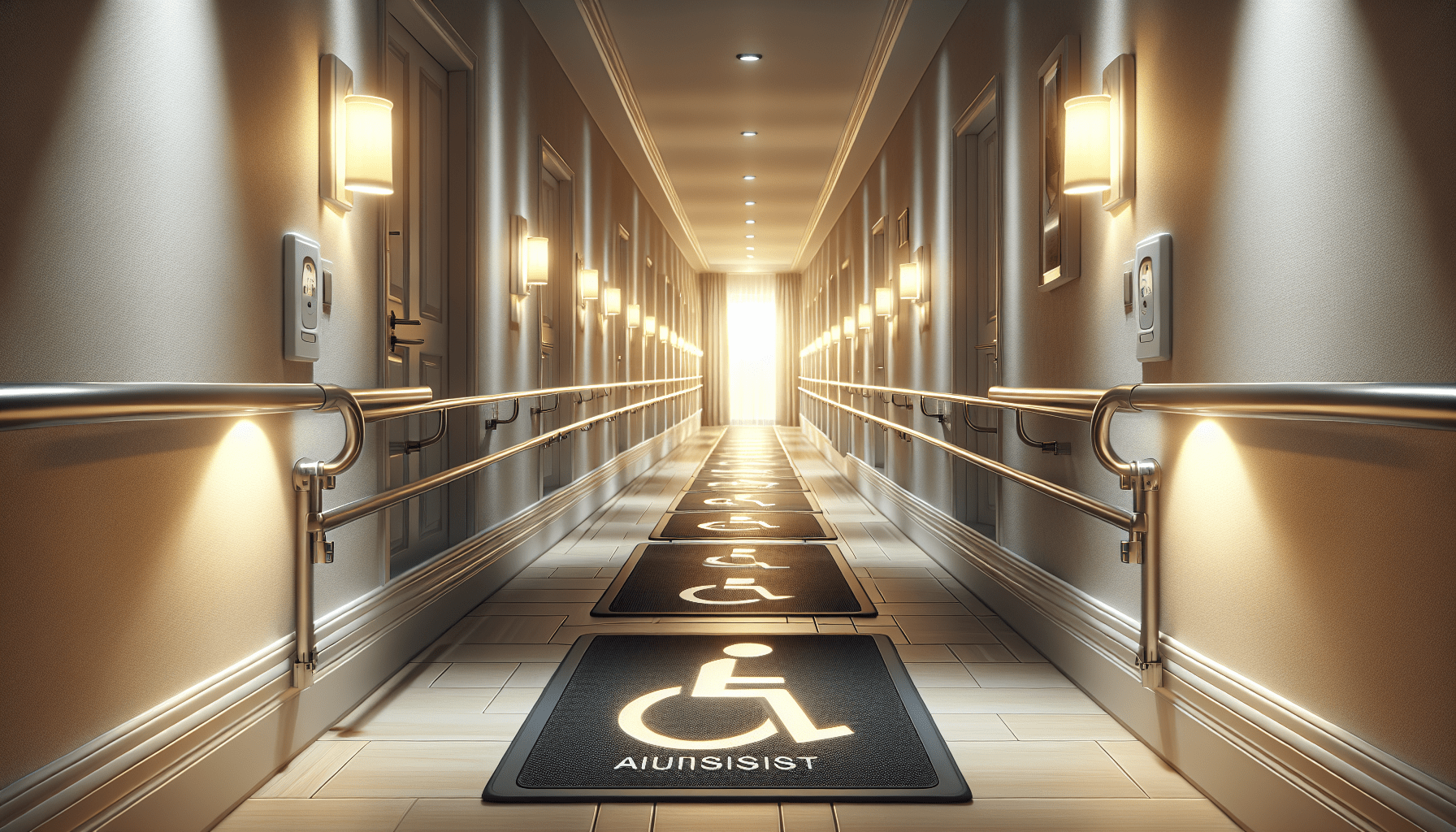
Install handrails and grab bars: Handrails and grab bars can provide stability and support in areas where falls are more likely to occur, such as staircases and bathrooms. Install sturdy handrails on both sides of staircases, and consider adding grab bars near toilets, bathtubs, and showers.
Use non-slip mats and rugs: Place non-slip mats in high-risk areas, such as near the bathtub, shower, and kitchen sink. Consider using non-slip rugs or securing rugs with double-sided tape to prevent slipping.
Keep frequently used items within reach: Avoid unnecessary reaching or bending by keeping frequently used items within easy reach. This includes items in the kitchen, bathroom, and other areas of your home. Utilize a “grabber” tool if necessary to retrieve items that are out of reach.
Regular Eye Exams
Schedule regular eye check-ups: Regular eye exams are essential for maintaining good vision and detecting any changes or eye conditions. Make sure to schedule regular check-ups with your eye care professional, and follow their recommendations for vision correction, if needed.
Update prescriptions if needed: If you are experiencing changes in your vision, make sure to update your eyeglass or contact lens prescription as recommended by your eye care professional. Wearing outdated prescriptions can increase the risk of falls due to blurred or impaired vision.
Wear appropriate eyeglasses: Wearing the appropriate eyeglasses for your vision needs is crucial for fall prevention. Avoid using reading glasses when walking or performing tasks that require distance vision, as they can limit your depth perception. Discuss with your eye care professional about using progressive lenses that allow you to have clear vision for both near and far distances.
Use proper lighting for reading: When reading or doing close work, ensure that you have adequate lighting to reduce eye strain and minimize the risk of falls. Use a bright desk lamp or consider using a magnifying glass with built-in lighting if needed.
Clean eyeglasses regularly: Keeping your eyeglasses clean and smudge-free is important for maintaining clear vision. Regularly clean your glasses with a microfiber cloth and mild lens cleaner to ensure optimal visual clarity.
Medication Management
Keep an updated medication list: Maintaining an updated list of all your medications, including prescribed, over-the-counter, and herbal supplements, can help you and your healthcare professional monitor your medication usage and potential interactions. Make sure to include the name of the medication, dosage, and frequency.
Review medications with a healthcare professional: Schedule regular medication reviews with your healthcare professional to assess the appropriateness of your medications. They can help identify any medications that may increase the risk of falls or interact negatively with other medications you are taking.
Avoid medications that cause dizziness: Some medications can cause dizziness or lightheadedness, increasing the risk of falls. Discuss with your healthcare professional if any of your current medications could potentially lead to balance issues, and explore alternative options if necessary.
Follow dosage instructions accurately: Taking medications as prescribed is essential for their effectiveness and minimizing potential side effects. Always follow the recommended dosage instructions provided by your healthcare professional or pharmacist.
Be aware of potential drug interactions: Be mindful of potential interactions between your medications. Some medications, when taken together, can increase the risk of falls or other adverse effects. Inform your healthcare professional about all the medications you are taking to ensure there are no harmful interactions.
Proper Footwear
Choose well-fitting shoes with non-slip soles: Proper footwear is crucial for maintaining stability and preventing falls. Opt for shoes that fit well, providing proper support and cushioning. Look for shoes with non-slip soles that provide good traction on various surfaces.
Avoid high heels and loose-fitting slippers: High heels and loose-fitting slippers can significantly increase the risk of falls. Choose shoes with low, stable heels or flat soles for better balance and stability. Avoid slippers that easily slide off your feet or have inadequate support.
Consider using orthotic inserts if needed: Orthotic inserts can provide additional support, cushioning, and alignment to help improve balance and reduce the risk of falls. Consult with a podiatrist or foot specialist to determine if orthotic inserts could benefit you.
Replace worn-out footwear: Over time, the support and cushioning in shoes can deteriorate, compromising their effectiveness in preventing falls. Regularly check the condition of your shoes and replace them when they show signs of wear and tear.
Walk with proper posture: Maintaining good posture while walking can help improve stability and prevent falls. Stand tall, with your head up, shoulders back, and feet slightly apart. Take small, controlled steps and avoid rushing or shuffling your feet.
Fall Risk Assessment
Request a fall risk assessment from a healthcare professional: If you have concerns about your risk of falls, ask your healthcare professional for a fall risk assessment. They can evaluate your medical history, assess certain physical factors, and determine your overall risk of falling.
Identify personal risk factors: Understanding your own personal risk factors for falls is essential for prevention. Factors such as past falls, certain medical conditions, medication usage, vision problems, and balance issues can contribute to an increased risk. Discuss these factors with your healthcare professional and work together on a personalized fall prevention plan.
Address any balance or mobility issues: If you are experiencing balance or mobility issues, seek guidance from a healthcare professional. They can recommend exercises or therapies to improve your balance and mobility, reducing the risk of falls in the process.
Follow recommendations for home modifications: If your fall risk assessment suggests making modifications to your home, take them into consideration. This might include installing handrails, removing hazards, or rearranging furniture for easier navigation. Following these recommendations can significantly reduce your risk of falling at home.
Healthy Diet
Maintain a well-balanced diet: A well-balanced diet rich in fruits, vegetables, whole grains, lean proteins, and healthy fats provides essential nutrients for maintaining overall health. Proper nutrition is important for maintaining strong bones, muscles, and overall energy levels.
Include foods rich in calcium and vitamin D: Adequate calcium and vitamin D intake is crucial for healthy bones and preventing fractures. Include calcium-rich foods like dairy products, leafy greens, and fortified foods in your diet. Vitamin D can be obtained through sunlight exposure or fortified foods like milk, cereals, and fatty fish.
Stay hydrated: Dehydration can contribute to dizziness and lightheadedness, increasing the risk of falls. Make sure to drink enough fluids throughout the day, especially during hot weather or when engaging in physical activity.
Limit alcohol consumption: Excessive alcohol consumption can impair judgment, balance, and coordination, increasing the risk of falls. Drink alcohol in moderation, or consider eliminating it from your routine if you have a history of falls or balance issues.
Avoid excessive sugar intake: High sugar diets can contribute to chronic health conditions such as diabetes and obesity, which can increase the risk of falls. Limit your intake of sugary foods and beverages, and opt for healthier alternatives like fruits or unsweetened options.
Assistive Devices
Use walking aids if necessary: If you have difficulty with balance or stability, consider using a walking aid such as a cane or walker. These devices provide additional support and stability while walking, reducing the risk of falls.
Consider using a cane or walker: Canes and walkers can be valuable tools for individuals who need extra support while walking. Consult with a healthcare professional or physical therapist to determine the appropriate walking aid for your specific needs.
Utilize a reacher or grabber for objects: Reaching for objects that are out of reach can increase the risk of falls. To avoid unnecessary stretching or bending, use a reacher or grabber tool to retrieve items. These tools allow you to grab objects from a distance without compromising your balance.
Use a shower chair or bath bench: Bathrooms can be high-risk areas for falls. Consider using a shower chair or bath bench to reduce the risk of slipping while bathing. These devices provide a secure seating area and can be beneficial for individuals with mobility issues or balance concerns.
Invest in a lift chair if needed: For individuals with difficulty rising from a seated position, a lift chair can be a valuable investment. Lift chairs provide assistance in standing up and sitting down, reducing the strain on muscles and joints and minimizing the risk of falls.
Regular Doctor Check-ups
Schedule regular check-ups: Regular check-ups with your doctor are essential for monitoring your overall health and proactively addressing any medical concerns. Make sure to attend routine appointments and follow the recommended schedule for preventive screenings and tests.
Discuss any concerns or symptoms: Openly discuss any concerns or physical symptoms you may be experiencing with your doctor. They can help identify underlying issues that may contribute to falls and provide appropriate recommendations for prevention.
Review medications and potential side effects: Regularly review your medication list with your doctor or pharmacist. Ensure that your medications are still appropriate for your current health condition and discuss any potential side effects that could increase fall risks.
Monitor blood pressure and balance: Regular monitoring of blood pressure is crucial, as high or low blood pressure can increase the risk of falls. In addition, work with your doctor to assess and monitor your balance and stability, addressing any issues as they arise.
Follow medical advice and recommendations: It’s important to follow the medical advice and recommendations provided by your healthcare professionals. This includes adhering to prescribed treatment plans, taking medications as directed, and attending follow-up appointments. Communicate any concerns or difficulties you have in following the recommendations, as adjustments can often be made to accommodate individual needs.
Stay Aware and Mindful
Focus on the environment and surroundings: Pay attention to your environment and any potentially hazardous situations. Be aware of uneven surfaces, slippery floors, or obstacles that could lead to trips or falls. Stay mindful of your surroundings and take preemptive steps to avoid accidents.
Pay attention to changes in balance or coordination: Be mindful of any changes in your balance or coordination. If you notice any new difficulties with walking, standing, or moving, bring them up with your healthcare professional. These changes may indicate underlying health issues that could increase your risk of falls.
Be cautious when navigating stairs or uneven surfaces: Stairs and uneven surfaces pose a greater risk of falls. Take extra caution when climbing or descending stairs, using handrails for support. Avoid uneven surfaces or use extra care when walking on them.
Allow time for rest and recovery: Fatigue can increase the risk of falls, so it’s important to listen to your body and allow time for rest and recovery. Pace yourself throughout the day, take breaks when needed, and prioritize adequate sleep to maintain optimal physical and mental well-being.
Seek assistance if feeling unsteady: If you feel unsteady on your feet or experience a sudden loss of balance, don’t hesitate to seek assistance. Use assistive devices if available, call for help, or ask a trusted individual for support. It’s better to ask for assistance and prevent a fall than risk injury by trying to navigate on your own.
By incorporating these tips for preventing falls into your lifestyle, you can greatly reduce the risk of falls and maintain your independence and overall well-being as you age. Remember, prevention is key, and taking proactive steps to create a safe environment and prioritize your health can make all the difference. Stay active, stay aware, and enjoy a life free from the worry of falls.