
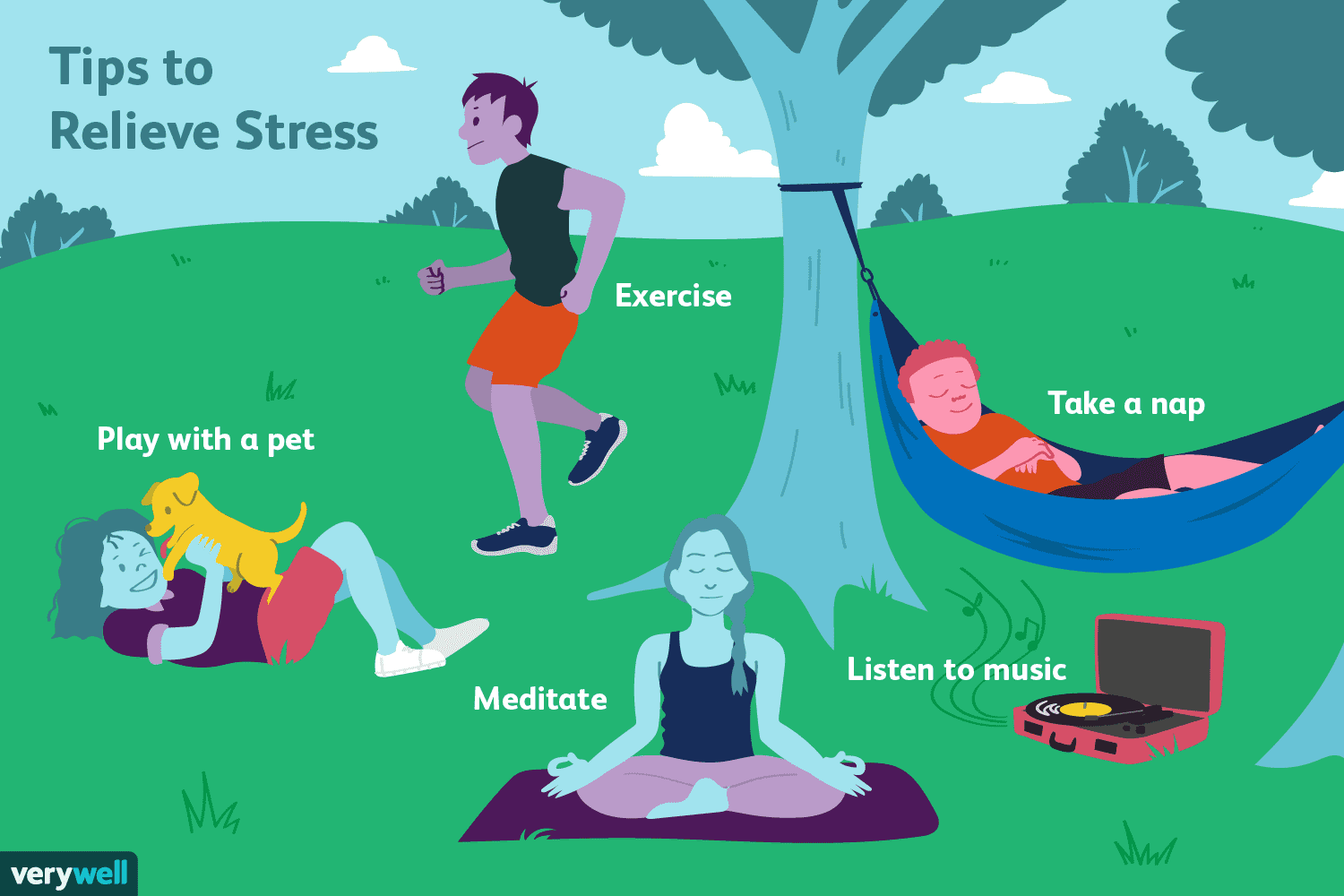
Do you often find yourself overwhelmed by stress and anxiety? If so, you’re not alone. In today’s fast-paced world, it’s easy to get caught up in the hustle and bustle of everyday life, leading to feelings of stress and anxiety. The good news is that there are effective ways to alleviate these burdens and bring a sense of calm and tranquility back into your life. In this article, we will explore some practical strategies that can help you find relief from stress and anxiety, allowing you to live a happier and more peaceful life. So, let’s dive in and discover the secrets to a stress-free existence!
Physical activities
Physical activities are not only beneficial for your physical well-being but also play a crucial role in reducing stress and anxiety. Regular exercise releases endorphins, the feel-good hormones that boost your mood and improve overall mental well-being. Whether it’s going for a jog, hitting the gym, or even just taking a brisk walk, incorporating exercise into your routine can significantly reduce stress levels and help you feel more relaxed.
In addition to traditional exercise, practicing yoga or tai chi can be incredibly helpful in managing stress. These activities combine physical movement with mental concentration and deep breathing, creating a calming and meditative experience. Yoga and tai chi not only improve flexibility and strength but also promote mindfulness, reduce anxiety, and increase self-awareness. So roll out your mat or find a class near you to start reaping the benefits of these ancient practices.
Engaging in sports or outdoor activities is another excellent way to relieve stress and anxiety. Playing a team sport, going for a hike, or spending time in nature can provide a much-needed break from daily stressors. Physical activity outdoors helps to clear your mind, improve your mood, and increase your overall well-being. So grab a friend or join a local team to get out there and enjoy the benefits of some fun and active outdoor pursuits.
Taking regular walk breaks during work or study can be incredibly effective in reducing stress and increasing productivity. Stepping away from your desk or books for a few minutes to stretch your legs and get some fresh air can do wonders for your mental and emotional well-being. Going for a short walk allows you to clear your mind, release tension, and return to your tasks with a renewed focus and energy.
Mental and emotional techniques
Managing stress and anxiety involves more than just physical activities. Implementing mental and emotional techniques can be equally effective in promoting relaxation and reducing stress levels. One of the simplest and most accessible techniques is practicing deep breathing exercises. Deep breathing triggers the body’s relaxation response, slows down the heart rate, and calms the mind. Taking slow, deep breaths in through your nose and out through your mouth can help you feel instantly more relaxed and centered.
Another popular technique to manage stress is meditation or mindfulness. These practices involve focusing your attention on the present moment and observing your thoughts and feelings without judgment. Meditation and mindfulness promote a sense of calmness, clarity, and inner peace. You can start with just a few minutes a day, gradually increasing the duration as you become more comfortable with the practice. There are numerous apps and online resources available to guide you through meditation and mindfulness exercises.
Engaging in hobbies or creative outlets can also be an effective way to reduce stress and anxiety. Whether it’s painting, playing an instrument, gardening, or knitting, engaging in activities that bring you joy and allow you to express your creativity can provide a much-needed escape from daily stressors. Hobbies and creative outlets provide a sense of accomplishment, relaxation, and fulfillment, helping to alleviate stress and promote overall well-being.
Spending time in nature has been shown to have numerous mental and emotional benefits. Nature has a calming effect on the mind and body, reducing stress levels and promoting relaxation. Whether it’s taking a walk in the park, going for a hike in the mountains, or simply sitting by the beach, immersing yourself in nature can help restore a sense of tranquility and balance.
Social support and connection
Seeking social support and maintaining strong connections with loved ones is essential for managing stress and anxiety. Spending time with loved ones provides a sense of belonging, support, and comfort, which can significantly reduce stress and promote overall well-being. Make it a priority to schedule regular get-togethers, whether it’s having a meal together, going for a walk, or simply talking on the phone. Maintaining a strong support system is crucial in times of stress and can greatly contribute to your mental and emotional resilience.
In addition to spending time with loved ones, joining support groups or therapy can be immensely beneficial. Support groups provide a safe and understanding environment where individuals facing similar challenges can share experiences, offer guidance, and provide emotional support. Therapy or counseling services offer professional guidance and support, helping you navigate through stressors and develop effective coping mechanisms. Seeking therapy should not be viewed as a sign of weakness but rather as a proactive step towards managing stress and anxiety effectively.
Engaging in meaningful conversations is another way to reduce stress and cultivate connection with others. Opening up about your feelings and concerns with trusted individuals can provide a sense of relief and help you gain perspective. Whether it’s with a close friend, family member, or therapist, engaging in conversations that allow you to express your thoughts and emotions can be incredibly therapeutic.
Seeking guidance from trusted individuals is also crucial when dealing with stress and anxiety. It’s important to remember that you don’t have to face your challenges alone. Reach out to mentors, teachers, or professionals in your field who can offer guidance and support. Seeking advice from those who have experience and expertise can help you gain valuable insights and navigate through stressful situations with confidence.
Healthy lifestyle choices
Maintaining a healthy lifestyle is crucial for managing stress and anxiety effectively. Certain lifestyle choices can either exacerbate or alleviate stress levels. Ensuring sufficient sleep is essential as lack of sleep can significantly contribute to stress and anxiety. Aim for 7-9 hours of quality sleep each night and establish a consistent sleep schedule to help regulate your body’s internal clock.
A well-balanced diet plays a key role in promoting overall well-being and managing stress. Incorporate a variety of fruits, vegetables, whole grains, and lean proteins into your meals. Avoid excessive consumption of processed foods, sugary snacks, and drinks, as they can lead to energy crashes and mood swings. Opt for nutritious and wholesome foods that provide the necessary nutrients to support your mental and physical health.
Limiting caffeine and alcohol consumption is also important when it comes to managing stress. While caffeine can provide temporary energy boosts, excessive intake can lead to restlessness, irritability, and sleep disturbances. Similarly, alcohol may initially seem to alleviate stress but can ultimately worsen anxiety and interfere with sleep patterns. Practice moderation and be mindful of how these substances affect your stress levels and overall well-being.
Avoiding smoking and substance abuse is vital for maintaining mental and physical health. Smoking not only harms your physical health but can also exacerbate anxiety and stress. Substance abuse can lead to a range of mental health issues and can severely impact your overall well-being. Seek support and professional help if you are struggling with addiction or abuse. There are resources available to help you overcome these challenges and live a healthier, stress-free life.
Time management
Effective time management is crucial for reducing stress and anxiety caused by overwhelming tasks and responsibilities. Prioritizing tasks and setting manageable goals can help you break down complex projects into smaller, achievable steps. Make a to-do list and organize your tasks in order of importance and urgency. This will help you stay on track and ensure that you are dedicating time and energy to the most crucial tasks.
Learning to delegate and say no when necessary is another skill that can greatly reduce stress levels. Understand that you can’t do everything yourself and that it is okay to ask for help or delegate tasks to others. Recognize your limitations and be willing to let go of certain responsibilities. Saying no to additional obligations or commitments that aren’t aligned with your priorities and values can help reduce overwhelm and create more space for self-care and relaxation.
Breaking tasks into smaller, achievable steps can make them more manageable and less overwhelming. Large projects or tasks can often feel daunting and contribute to stress and anxiety. By breaking them down into smaller, more manageable steps, you can approach them more systematically and with less pressure. Celebrate your progress along the way and acknowledge each completed step as an accomplishment.
Practicing effective time management techniques can greatly enhance productivity and reduce stress. Techniques such as the Pomodoro Technique, where you work in focused intervals followed by short breaks, can help you maintain concentration and avoid burnout. Experiment with different techniques and find a system that works best for you. By effectively managing your time, you can create a better balance between work, personal life, and self-care.
Relaxation techniques
Incorporating relaxation techniques into your routine can significantly reduce stress and promote overall well-being. Listening to calming music or sounds can elicit a relaxation response and soothe your nervous system. Create a playlist of your favorite calming songs or try listening to nature sounds such as ocean waves or rainforest sounds. Find what works for you and incorporate this into your daily routine, whether it’s during a break, before bed, or whenever you need a moment of peace.
Taking warm baths or showers can be incredibly relaxing and provide a much-needed respite from the stresses of daily life. Warm water helps to relax tense muscles and soothe the mind. Add some essential oils, such as lavender or chamomile, to amplify the relaxation benefits. Take the time to truly unwind and let the warm water wash away your stress and anxiety.
Aromatherapy or essential oils can be powerful tools in reducing stress and promoting relaxation. Certain scents, such as lavender, rose, or citrus, have been shown to have calming effects on the mind and body. Use essential oils in a diffuser, apply them topically, or incorporate them into your bath or shower routine. Experiment with different scents and find what resonates with you personally.
Progressive muscle relaxation is a technique that involves tensing and subsequently releasing different muscle groups in your body. This technique helps to release physical tension and promote relaxation. Start by tensing your muscles for a few seconds and then releasing them. Gradually work your way through each muscle group, from head to toe. This practice not only helps to relax your body but also promotes a sense of inner calmness.
Limiting stress triggers
Identifying and avoiding stressful situations when possible is key to managing stress and anxiety effectively. Take stock of the situations or environments that tend to trigger stress and consider ways to minimize exposure to them. This may involve setting boundaries, avoiding certain people or places, or making lifestyle changes that reduce your exposure to stress triggers.
Setting boundaries to protect your mental well-being is crucial in managing stress. Learn to recognize your limits and communicate them to others. Be assertive in saying no when necessary and prioritize your needs and well-being. Creating boundaries helps to prevent overwhelm and allows you to focus on self-care and stress management.
Reducing exposure to negative news or media can also significantly impact your stress levels. While it’s important to stay informed, constant exposure to distressing news can contribute to anxiety and stress. Limit the time you spend consuming news and be mindful of the sources you choose. Take breaks from social media and choose to engage with content that uplifts and inspires you.
Creating a peaceful and organized living environment can greatly contribute to reducing stress. Clutter and disorganization can contribute to feelings of overwhelm and stress. Take the time to declutter your space, create systems for organization, and establish a calming atmosphere. Surround yourself with things that bring you joy and create a space that promotes relaxation and tranquility.
Self-care practices
Engaging in activities that bring joy and relaxation is crucial for self-care and stress management. Whether it’s reading a book, taking a bubble bath, journaling, or going for a hike, find activities that make you feel good and prioritize them in your routine. Make self-care a non-negotiable part of your life and remember that it is not selfish but necessary for your mental and emotional well-being.
Practicing positive affirmations and self-compassion is key to managing stress and anxiety. Replace negative self-talk with positive and empowering statements. Remind yourself of your strengths, capabilities, and worth. Treat yourself with kindness and understanding, just as you would treat a close friend or loved one. Cultivate a mindset of self-compassion and work on building a positive and supportive relationship with yourself.
Getting regular massages or body treatments is an indulgent way to provide care for your body and mind. Massage therapy not only helps to release physical tension but also promotes relaxation and stress reduction. Treat yourself to a massage or explore other body treatments such as acupuncture, acupressure, or reflexology. These treatments can help restore balance and deeply relax your body and mind.
Taking breaks and prioritizing self-care is essential for managing stress and preventing burnout. Allow yourself to take periodic breaks throughout the day to rest, recharge, and engage in activities that bring you joy. Set aside time in your schedule specifically for self-care and honor it as a non-negotiable commitment to yourself. Taking care of your own well-being enables you to show up fully and effectively in all areas of your life.
Professional help and therapy
Sometimes, managing stress and anxiety requires professional help and therapy. Seeking therapy or counseling services can provide you with the necessary tools and guidance to navigate through challenging times. A therapist can help you identify the underlying causes of your stress and anxiety and develop effective coping strategies. Therapy provides a safe and supportive space where you can express your thoughts and emotions openly and work towards positive change.
In some cases, medication or alternative treatments may be recommended in addition to therapy. Consult with mental health professionals to determine if medication or alternative treatments are appropriate for your situation. It’s important to remember that seeking professional help is a sign of strength and a proactive step towards managing stress and anxiety effectively.
Attending stress management workshops or programs can also be beneficial. These programs offer educational resources and practical techniques to help you effectively manage stress. Workshops provide a supportive environment where you can learn from experts and connect with others who are facing similar challenges. Consider attending stress management workshops or programs to gain valuable insights and skills for managing stress and anxiety.
Mindset and perspective
Cultivating a positive mindset and perspective is paramount for effectively managing stress and anxiety. Practice gratitude and positive thinking by focusing on the things you are grateful for each day. Keep a gratitude journal and write down three things you appreciate or are thankful for. This simple practice shifts your focus from stress and negativity to positivity and abundance.
Challenge negative thoughts and beliefs that contribute to stress and anxiety. Pay attention to your self-talk and consciously replace negative thoughts with positive and empowering ones. Recognize that negative thoughts are often distorted or exaggerated and do not reflect reality. Encourage yourself with realistic and supportive thoughts that promote resilience and optimism.
Seek personal growth and self-reflection as a means of managing stress and anxiety. Explore your values, passions, and goals. Engage in activities that promote personal growth, such as reading self-help books or taking courses. Reflect on your experiences and learn from them, allowing yourself to grow and evolve. Embrace personal growth as a lifelong journey and commit to continuous self-improvement.
Cultivate a mindset of resilience and acceptance. Recognize that stress and anxiety are a part of life, and it’s important to build resilience to navigate through them. Focus on building your coping skills and developing effective strategies for managing stress. Accept the things you cannot change and focus on finding solutions and adapting to the challenges you face. Embrace the ups and downs of life with a mindset of resilience, knowing that you have the strength to overcome any obstacle.
In conclusion, managing stress and anxiety requires a holistic approach that encompasses physical, mental, and emotional well-being. Incorporating regular physical activities, practicing mental and emotional techniques, seeking social support, making healthy lifestyle choices, practicing effective time management, engaging in relaxation techniques, limiting stress triggers, prioritizing self-care, seeking professional help when needed, and cultivating a positive mindset and perspective are all vital elements in promoting overall well-being and effectively managing stress and anxiety.