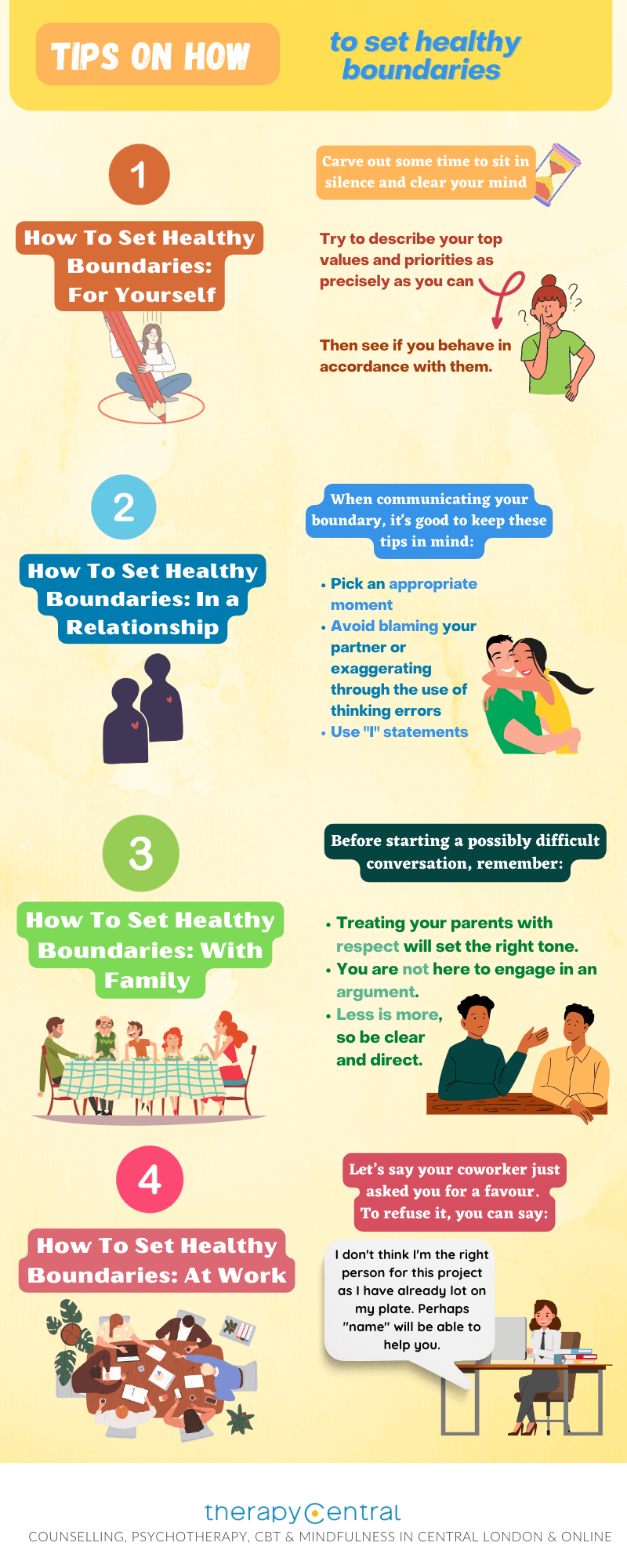
In this article, you will discover some valuable tips for setting healthy boundaries in relationships that will contribute to your overall mental well-being. Relationships play a crucial role in our lives, but sometimes we may find ourselves feeling overwhelmed, drained, or even taken advantage of. By establishing clear boundaries, you can create a harmonious balance between your own needs and those of others, fostering healthier and more fulfilling connections. Whether it’s with your romantic partner, family members, friends, or even colleagues, these tips will guide you on the path to setting boundaries that promote mental well-being.
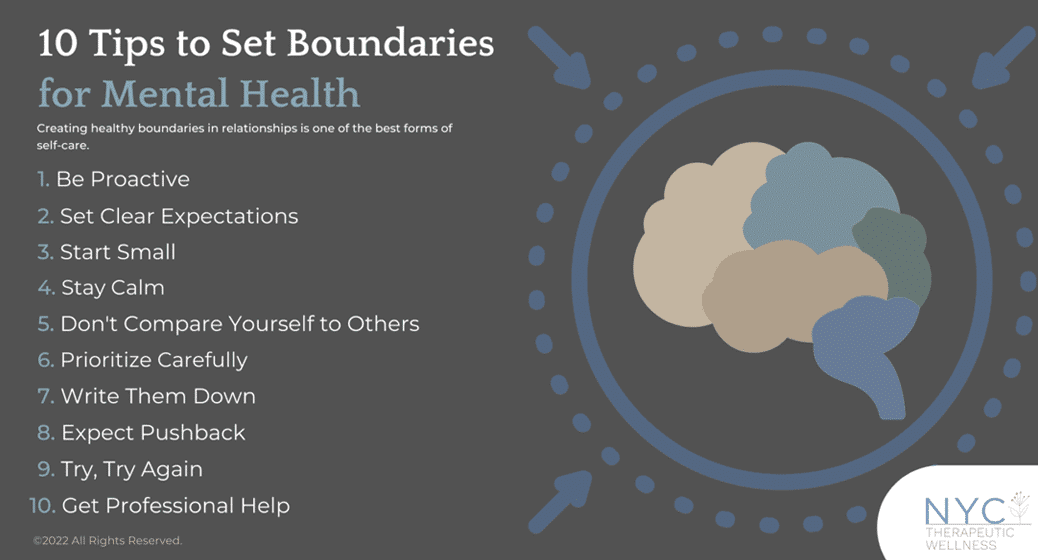
Recognizing the Importance of Boundaries
Boundaries play a crucial role in maintaining healthy relationships and ensuring our overall well-being. They define the limits of what is acceptable and unacceptable behavior, as well as what we feel comfortable and safe with. Recognizing the importance of boundaries is the first step towards establishing and maintaining healthy relationships.
Understanding Boundaries in Relationships
Boundaries in relationships refer to the emotional, physical, and interpersonal limits we set with others. They help us establish a sense of personal autonomy and maintain our own identity within the relationship. By defining what is acceptable and respectful to us, we create a foundation for healthy communication, trust, and mutual understanding.
Understanding the Impact of Boundaries on Mental Well-being
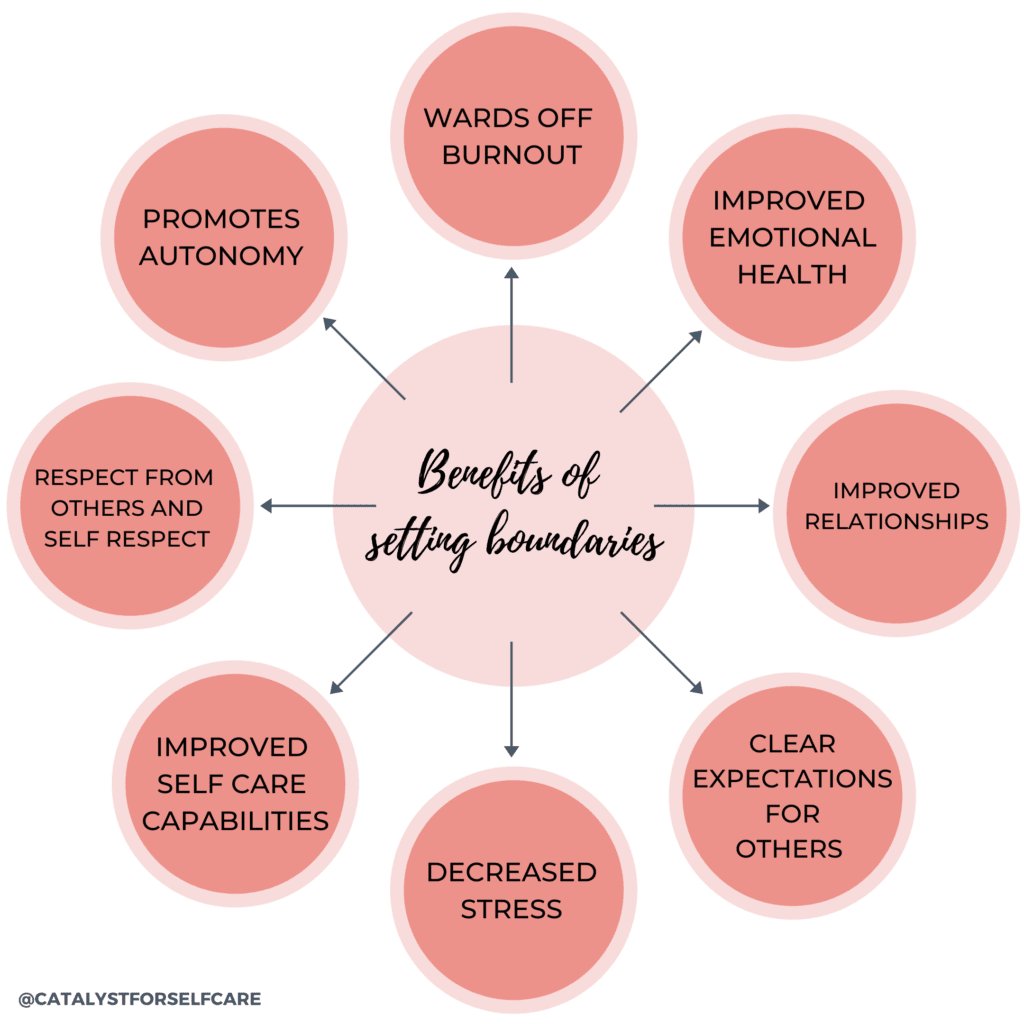
Setting boundaries is vital for our mental well-being. When we don’t establish and enforce boundaries, it can lead to feelings of resentment, overwhelm, and even depression or anxiety. Without clear boundaries, relationships can become emotionally draining and negatively impact our self-esteem. By recognizing and setting healthy boundaries, we prioritize our mental well-being and create a healthier dynamic within our relationships.
Communicating Your Needs and Limits
In order to establish healthy boundaries, it is essential to effectively communicate our needs and limits to others. By expressing ourselves clearly and assertively, we can ensure that our boundaries are understood and respected.
Recognizing and Expressing Your Needs
It is important to first identify and recognize our own needs before communicating them to others. Take time to reflect on what you require in a relationship to feel fulfilled and satisfied. Once you have a clear understanding of your needs, express them to your partner or loved one in a calm and non-confrontational manner. By clearly articulating what you need, you empower yourself to create a relationship that supports and nourishes you.
Explicitly Communicating Your Limits
In addition to expressing your needs, it is crucial to communicate your limits. Even the most well-intentioned people may unintentionally overstep our boundaries if they are not made explicit. Be clear about what you are comfortable with and what is off-limits. Communicating your limits allows others to respect your boundaries and ensures that your needs are met in a way that aligns with your values and comfort level.
Setting Emotional Boundaries
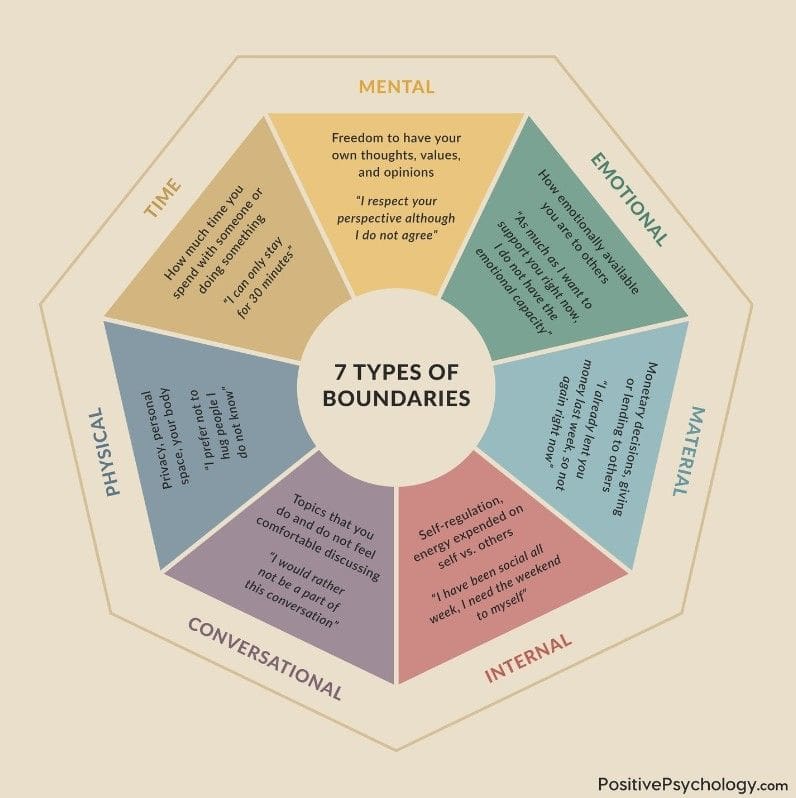
Emotional boundaries are essential for protecting our mental and emotional well-being. They involve recognizing our emotional triggers, effectively communicating about our emotional needs, and prioritizing self-care.
Identifying Emotional Triggers
Take the time to become aware of your emotional triggers and the situations that tend to cause stress or discomfort. By understanding what situations or behaviors affect you negatively, you can set boundaries that protect your emotional well-being. Recognizing your triggers allows you to communicate them to others and work together to create a relationship that is respectful and supportive.
Communicating about Emotional Needs
Open and honest communication about our emotional needs is crucial for maintaining healthy relationships. Clearly express your emotional needs to your partner or loved ones, and listen actively when they share their own needs with you. By fostering a safe space for open dialogue, you can ensure that both parties feel heard, validated, and supported in navigating their emotions.
Practicing Self-Care
Setting emotional boundaries also involves prioritizing self-care. Take the time to engage in activities and practices that promote your mental and emotional well-being. This may include regular exercise, mindfulness meditation, therapy, or spending quality time with loved ones. By investing in self-care, you reinforce your emotional boundaries and establish a strong foundation for your mental well-being.
Establishing Physical Boundaries
Setting physical boundaries is crucial for ensuring our comfort, safety, and personal space within relationships. These boundaries involve defining personal space and setting limits for physical touch.
Defining Personal Space
Understanding and defining personal space is key to setting physical boundaries. Personal space refers to the physical distance we prefer between ourselves and others in different situations. Communicate your preferences regarding personal space to your partner or loved ones, and respect their space as well. By mutually establishing these boundaries, you create an environment that respects and honors each other’s physical comfort.
Setting Boundaries for Physical Touch
Everyone has different comfort levels when it comes to physical touch. Communicate your preferences for physical affection with your partner or loved ones. Be clear about what type of touch you are comfortable with and where your boundaries lie. If someone oversteps your boundaries, kindly and assertively express your discomfort. Respecting each other’s physical boundaries fosters a sense of safety and trust within the relationship.
Defining Financial Boundaries
Financial boundaries are an important aspect of relationships, as money can have a significant impact on our overall well-being. It is essential to have open and honest discussions about financial expectations and create a system that works for both parties.
Discussing Financial Expectations
Start by having an open conversation about your financial expectations and goals. Discuss your beliefs and values around money, spending habits, and long-term financial plans. Transparency and understanding can prevent conflicts and help establish a healthy financial dynamic within the relationship.
Creating Joint Budgets or Separate Finances
Depending on individual circumstances, couples may choose to create joint budgets or maintain separate finances. Decide together what method works best for you. Joint budgets can promote transparency and shared responsibility, while separate finances can allow for more independence and autonomy. Find a system that aligns with your values and promotes financial stability and harmony within the relationship.
Managing Time and Priorities
Setting boundaries around time and priorities is crucial for maintaining a healthy balance between work, relationships, and personal time. By effectively managing these boundaries, you can ensure that you have the time and energy to invest in all areas of your life.
Setting Boundaries for Alone Time
Alone time is essential for recharging, self-reflection, and pursuing personal interests. Communicate your need for alone time to your partner or loved ones. Establish designated periods or spaces for alone time where you can engage in activities that energize and fulfill you. By valuing and respecting this personal time, you create a harmony between your relationships and personal well-being.
Balancing Work, Relationship, and Personal Time
Finding the right balance between work, relationships, and personal time is a continuous challenge. Prioritize and allocate time for each area of your life, ensuring that none is neglected. Communicate your schedule and commitments with your partner or loved ones, seeking their understanding and support. By setting healthy boundaries around time, you can maintain a sense of fulfillment, reduce stress, and strengthen your relationships.
Recognizing and Addressing Codependency
Codependent relationships can be emotionally draining and detrimental to our well-being. Recognizing the signs of codependency and seeking support are crucial steps towards establishing healthier boundaries.
Understanding Codependent Relationships
Codependency is characterized by a pattern of excessive reliance on others for validation, self-worth, and emotional well-being. Signs of codependency may include a lack of personal boundaries, people-pleasing behaviors, and a fear of rejection or abandonment. Recognize these patterns within yourself and your relationships, and seek professional help or support groups to break codependent patterns.
Seeking Support to Break Codependent Patterns
Breaking codependent patterns often requires support from professionals or support groups. Consider seeking therapy or attending codependency support groups to gain insight and tools for establishing healthier boundaries. Remember, asking for help is a sign of strength and the first step towards building healthier and more fulfilling relationships.
Dealing with Difficult or Toxic People
Sometimes, we encounter difficult or toxic individuals in our lives. Setting boundaries is crucial for protecting ourselves and maintaining our well-being in these situations.
Recognizing Toxic Behaviors
Learn to recognize toxic behaviors that may be present in your relationships. These may include manipulation, control, constant criticism, or emotional abuse. Trust your instincts and be aware of any persistent negative emotions or feelings of being belittled or diminished. Recognizing toxic behaviors is essential for setting boundaries and protecting your mental and emotional well-being.
Setting Boundaries with Difficult Individuals
When dealing with difficult individuals, setting boundaries is crucial. Clearly and assertively communicate your boundaries and expectations. Stand firm in your values and limits, and avoid getting drawn into arguments or manipulation. If necessary, limit or cut off contact with individuals who consistently disregard your boundaries or engage in toxic behavior.
Seeking Professional Help if Needed
If you find it challenging to set or enforce boundaries with difficult or toxic individuals on your own, do not hesitate to seek professional help. A therapist or counselor can provide guidance and support in navigating these challenging relationships while prioritizing your well-being.
Maintaining Boundaries in the Digital Age
In today’s digital age, it is important to establish and maintain boundaries in our online interactions. This involves establishing privacy boundaries on social media and setting limits on phone and technology usage.
Establishing Privacy Boundaries on Social Media
With the increasing role of social media in our lives, it is crucial to establish privacy boundaries. Evaluate your comfort level with sharing personal information and photos online and adjust your privacy settings accordingly. Be mindful of the content you post and the potential impact it may have on your relationships. Setting clear boundaries on social media can help protect your privacy and maintain healthy relationships.
Setting Phone and Technology Usage Boundaries
Technology can often infringe on our personal time and relationships. Establish boundaries around phone and technology usage to ensure that they do not interfere with your well-being or relationships. Limit screen time, especially during quality time with loved ones, and establish “device-free” zones or periods. By setting boundaries around technology, you can maintain present and meaningful connections in your relationships.
Consistently Reinforcing Boundaries
Establishing boundaries is an ongoing process that requires consistent self-awareness and communication. It is crucial to regularly reevaluate and adjust boundaries as needed and enforce consequences for boundary violations.
Reevaluate and Adjust Boundaries as Needed
As you grow and evolve, your boundaries may need to be reevaluated and adjusted. Regularly check in with yourself to ensure that your boundaries are still aligned with your values and needs. Communicate any necessary changes to your partner or loved ones, seeking their understanding and support. By regularly reevaluating and adjusting boundaries, you can maintain healthy and evolving relationships.
Enforcing Consequences for Boundary Violations
Enforcing consequences for boundary violations is essential for establishing and maintaining healthy boundaries. Clearly communicate the consequences to the individuals involved and follow through if necessary. Consistently reinforcing boundaries demonstrates your commitment to your well-being and reinforces the importance of respecting personal limits. Remember, you deserve to be in relationships that prioritize your mental and emotional well-being.