
In this article, you will discover the top 10 alternative medicine practices that are perfect for beginners like yourself. If you’ve been curious about exploring natural healing methods and improving your overall well-being, then you’re in the right place. From acupuncture to aromatherapy, these practices offer a holistic approach to health and can be easily incorporated into your daily routine. So get ready to embark on a journey towards a more balanced and harmonious lifestyle.

Acupuncture
Origin and principles of acupuncture
Acupuncture originated in ancient China and is based on the principles of Traditional Chinese Medicine (TCM). According to TCM, energy flows through the body in pathways called meridians. When this energy, known as Qi, becomes blocked or imbalanced, it can lead to various health issues. Acupuncture aims to restore the balance of Qi by inserting thin needles into specific points along the meridians.
Benefits of acupuncture for beginners
Acupuncture offers a multitude of benefits for beginners who are exploring alternative medicine practices. Some of the common benefits include pain relief, stress reduction, improved sleep, enhanced immunity, and increased energy levels. Acupuncture can also provide relief from conditions such as migraines, back pain, anxiety, and digestive issues. It is a safe and natural treatment option that can be used in conjunction with conventional medicine.
How to find a reputable acupuncture practitioner
When searching for a reputable acupuncture practitioner, it is essential to consider certain factors. Firstly, ensure that the practitioner is licensed and has completed the necessary training and education in acupuncture. Check their credentials and inquire about their experience. It is also helpful to read reviews and ask for recommendations from trusted sources. Additionally, make sure the acupuncture clinic follows strict hygiene and sterilization practices to ensure your safety.
What to expect during an acupuncture session
During an acupuncture session, you can expect a relaxed and peaceful atmosphere. The practitioner will begin by discussing your health concerns and evaluating your overall well-being. They will then carefully insert thin, sterile needles into specific acupuncture points on your body. The needles are typically left in place for a certain duration while you rest comfortably. Many people report feeling a gentle sensation or slight tingling during the treatment. After the session, you may experience increased relaxation and a sense of well-being.
Aromatherapy
Introduction to aromatherapy
Aromatherapy is the practice of using essential oils extracted from plants to promote physical and emotional well-being. These oils can be inhaled, applied topically, or used in various other ways to harness their therapeutic properties. The scents of essential oils can have a profound impact on our mood, emotions, and overall health.
Different types of essential oils and their uses
There is a wide variety of essential oils available, each with its unique scent and therapeutic properties. Some popular essential oils include lavender for relaxation and sleep, peppermint for digestion and energy, tea tree for skincare and immune support, and lemon for mood enhancement and purification. Each essential oil offers a range of benefits and can be used alone or blended to create customized aromatherapy experiences.
Methods of using essential oils
Essential oils can be used in several ways to enjoy their benefits. One common method is to diffuse the oil in a diffuser, allowing the scent to disperse throughout the room. Inhalation is another popular method, either by using a steam inhalation technique or adding a few drops of oil to a tissue or inhaler for on-the-go use. Topical application involves diluting essential oils with a carrier oil and applying them to the skin for massage or skincare purposes.
Safety precautions for beginners
While essential oils offer incredible benefits, it is essential to follow some safety precautions, especially for beginners. Always dilute essential oils before applying them to the skin to avoid irritation or sensitization. Perform a patch test before using a new oil to check for any allergies or adverse reactions. Some oils may not be safe for children, pregnant women, or individuals with certain medical conditions, so it is crucial to research and consult with a qualified aromatherapist or healthcare professional before use.
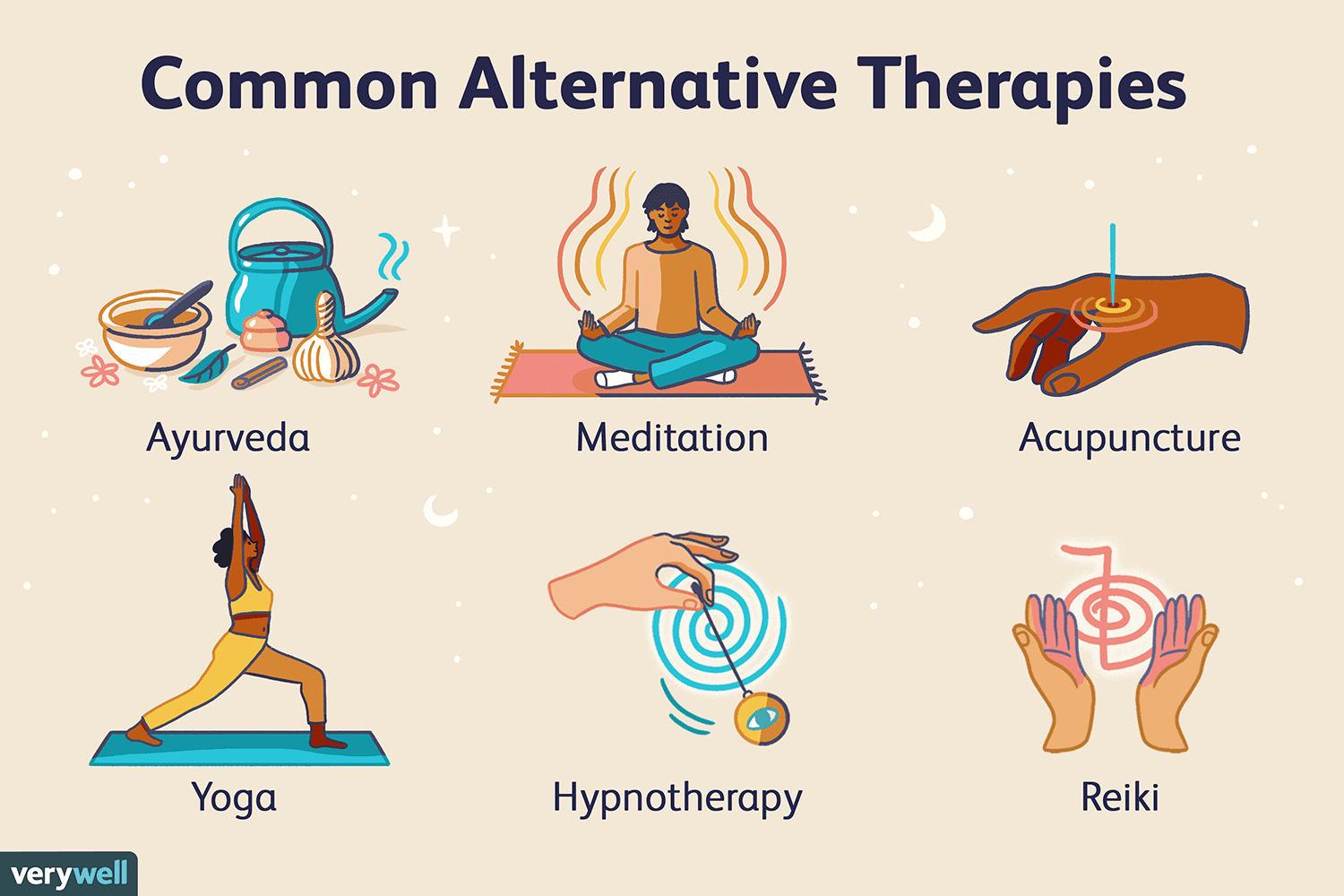
Ayurveda
Understanding Ayurveda
Ayurveda is an ancient Indian holistic healing system that focuses on achieving balance and harmony within the body, mind, and spirit. It views each individual as unique and prescribes personalized treatments based on their specific constitution and imbalances. Ayurveda emphasizes the importance of a balanced lifestyle, including diet, exercise, meditation, and herbal remedies, to promote overall well-being.
Doshas and their significance
In Ayurveda, doshas are the three energies that govern the body: Vata, Pitta, and Kapha. Each person has a unique combination of these doshas, which determines their physical and mental characteristics. Understanding your dominant dosha can help you make lifestyle choices that promote balance and prevent health issues. Vata is associated with movement, Pitta with metabolism and digestion, and Kapha with stability and structure.
Popular Ayurvedic practices for beginners
For beginners exploring Ayurveda, there are several popular practices to consider. First and foremost, paying attention to your diet is essential. Ayurveda emphasizes consuming fresh, whole foods that are suited to your dosha. Incorporating daily routines, known as dinacharya, such as oil pulling, dry brushing, and meditation, can help establish a sense of balance. Herbal remedies, like Ayurvedic herbs and spices, can be used to support overall health and treat specific conditions.
Finding an Ayurvedic practitioner
Finding a qualified Ayurvedic practitioner is vital to ensure you receive proper guidance and personalized treatment. Look for practitioners who have undergone formal Ayurvedic training and are recognized by reputable organizations. Additionally, consider their experience and expertise in treating specific health concerns or imbalances. Seek recommendations from trusted sources, read reviews, and schedule a consultation to determine if the practitioner is the right fit for you.

Chiropractic care
What is chiropractic care?
Chiropractic care is a healthcare practice that focuses on diagnosing and treating disorders of the musculoskeletal system, particularly the spine. Chiropractors believe that the spine’s alignment affects the body’s overall health and function. By utilizing manual adjustments, spinal manipulation, and other techniques, chiropractors aim to restore proper alignment, relieve pain, and improve overall well-being.
Conditions that can benefit from chiropractic care
Chiropractic care can provide relief for a variety of conditions, including back pain, neck pain, headaches, sciatica, and musculoskeletal injuries. It can also help improve mobility, flexibility, and posture. Additionally, chiropractic care may benefit individuals with conditions such as arthritis, sports injuries, and carpal tunnel syndrome. It is essential to consult with a qualified chiropractor to determine if chiropractic care is suitable for your specific needs.
Choosing a qualified chiropractor
When selecting a chiropractor, it is crucial to consider their qualifications and experience. Look for chiropractors who are licensed and have completed a Doctor of Chiropractic (D.C.) degree from an accredited institution. Consider their specialization, if any, and their experience in treating conditions similar to yours. Reading reviews and seeking recommendations from trusted sources can also help you find a qualified and reputable chiropractor.
What to expect during a chiropractic session
During a chiropractic session, your chiropractor will begin by conducting a thorough evaluation to understand your specific condition and concerns. They may ask about your medical history, perform physical examinations, and potentially request additional diagnostic tests. The chiropractor will then develop a personalized treatment plan, which may include manual adjustments, spinal manipulations, stretches, exercises, or other techniques. The treatment sessions are typically painless and can provide immediate relief or gradual improvement, depending on your condition.

Herbal medicine
Introduction to herbal medicine
Herbal medicine, also known as herbalism or botanical medicine, is the use of plants and their extracts for medicinal purposes. This practice dates back thousands of years and remains a vital part of many traditional healing systems. Herbal remedies can be used to support overall health, prevent illness, and alleviate specific symptoms or conditions.
Common herbs and their uses
There is a vast array of herbs available, each with its unique properties and uses. Some commonly used herbs in herbal medicine include chamomile for relaxation and sleep, echinacea for immune support, ginger for digestion, and ginseng for energy and vitality. Herbs can be consumed as teas, tinctures, capsules, or used topically as poultices, creams, or oils. It is important to research and consult with a trained herbalist or healthcare professional to determine the appropriate herbs for your specific needs.
Preparing and using herbal remedies
Preparing herbal remedies can be a simple yet rewarding process. Many herbs can be made into teas by steeping them in hot water. For tinctures, the herb is soaked in alcohol or a mixture of alcohol and water to extract its active compounds. Herbal oils can be created by infusing herbs in carrier oils such as olive or coconut oil. Herbal remedies should be prepared following specific instructions and dosages to ensure safety and effectiveness.
Safety considerations for beginners
While herbal medicine is generally safe, it is important to exercise caution, especially as a beginner. Some herbs may interact with medications or have contraindications for certain medical conditions. Make sure to research the herbs you plan to use and consult with a trained herbalist or healthcare professional if you have any concerns. Start with small doses and monitor your body’s response to ensure there are no adverse reactions.
