
Are you looking for natural ways to improve your cardiovascular health? In this article, we will explore effective strategies to lower both blood pressure and cholesterol levels. By implementing these simple yet powerful methods into your daily routine, you can take control of your health and reduce the risk of heart disease. From dietary changes to regular exercise and stress management techniques, we will guide you through a range of natural approaches that can make a significant difference in your overall well-being. Let’s get started on this journey towards a healthier heart!
Diet and Nutrition
Eat a Heart-Healthy Diet
Maintaining a heart-healthy diet is essential for managing your blood pressure and cholesterol levels. To achieve this, focus on consuming plenty of fruits, vegetables, whole grains, and lean proteins. Incorporating foods rich in antioxidants, such as berries, leafy greens, and nuts, can help reduce inflammation and promote heart health.
Reduce Sodium Intake
Excessive sodium consumption can contribute to high blood pressure. Aim to limit your daily sodium intake to less than 2,300 milligrams, or even lower if advised by your healthcare provider. Be mindful of processed and packaged foods, as they are often high in sodium. Instead, opt for fresh ingredients and use herbs and spices to season your meals.
Increase Potassium-Rich Foods
Potassium helps counterbalance the negative effects of sodium on blood pressure. Include potassium-rich foods in your diet, such as bananas, avocados, sweet potatoes, and spinach. These foods not only provide essential nutrients but also support the health of your cardiovascular system.
Add Omega-3 Fatty Acids to Your Diet
Omega-3 fatty acids have been shown to reduce blood pressure and cholesterol levels. Include fatty fish like salmon, mackerel, and sardines in your diet, as they are rich in these beneficial fats. If you are not a fan of fish, consider taking a fish oil supplement to ensure you get an adequate intake of omega-3s.
Include Fiber-Rich Foods
Fiber plays a vital role in heart health and can help lower both blood pressure and cholesterol levels. Aim to include a variety of fiber-rich foods in your diet, such as whole grains, legumes, fruits, and vegetables. These foods not only provide essential nutrients but also promote digestion and overall well-being.
Limit Processed and Sugary Foods
Processed and sugary foods can contribute to weight gain, high blood pressure, and unhealthy cholesterol levels. Avoid or limit your intake of foods such as sugary drinks, pastries, processed snacks, and fast food. Instead, opt for whole, unprocessed foods to nourish your body and support your heart health.
Exercise and Physical Activity
Engage in Aerobic Exercises
Regular aerobic exercises can help lower your blood pressure and cholesterol levels. Activities like brisk walking, cycling, swimming, or dancing increase your heart rate and improve cardiovascular health. Aim for at least 150 minutes of moderate-intensity aerobic exercise per week, spread across multiple days.
Incorporate Strength Training
Strength training not only builds muscle but also improves heart health. Engage in resistance exercises at least two days a week, targeting major muscle groups. Resistance bands, weights, or bodyweight exercises like push-ups and squats are great options. Consult with a fitness professional to design a suitable strength training program for you.
Try Yoga or Tai Chi
Yoga and Tai Chi are low-impact activities that can be beneficial in managing blood pressure and promoting relaxation. These mind-body exercises incorporate breathing techniques, gentle movements, and meditation, helping to reduce stress and improve overall well-being. Join a local class or follow online tutorials to reap the benefits of these practices.
Maintain a Regular Exercise Routine
Consistency is key when it comes to exercise. Establish a regular exercise routine that suits your lifestyle and preferences. Whether it’s going for a walk in the morning, hitting the gym after work, or practicing yoga before bed, find a routine that you enjoy and can stick to. Regular physical activity will help lower blood pressure and improve cholesterol levels over time.
Find Activities You Enjoy
Exercise doesn’t have to be a chore. Discover activities that you genuinely enjoy, as this will increase your motivation to stay active. It could be dancing, hiking, playing a sport, or joining group fitness classes. The more you enjoy the activity, the more likely you are to make it a consistent part of your lifestyle. Explore different options and find what brings you joy while benefiting your heart health.
Manage Stress Levels
Practice Relaxation Techniques
Stress can have a significant impact on blood pressure and cholesterol. Incorporate relaxation techniques into your daily routine to manage stress effectively. Deep breathing exercises, progressive muscle relaxation, and guided imagery are simple techniques you can practice anytime, anywhere. Take a few moments each day to relax and focus on calming your mind and body.
Engage in Mindfulness Meditation
Mindfulness meditation involves focusing on the present moment, which can help reduce stress and promote a sense of calm. Dedicate a few minutes each day to sit quietly and focus on your breath or use guided meditation apps to assist you. Practicing mindfulness regularly can contribute to better cardiovascular health and overall well-being.
Get Sufficient Sleep
Adequate sleep is crucial for maintaining optimal blood pressure and cholesterol levels. Aim for seven to nine hours of quality sleep per night. Establish a relaxing bedtime routine, avoid caffeine and electronics before bed, and create a comfortable sleep environment to promote restful sleep. If you struggle with sleep, consult with a healthcare professional for guidance.
Spend Time in Nature
Nature has a soothing effect on the mind and body, making it an excellent stress management tool. Take time to connect with nature regularly, whether it’s going for a walk in a park, hiking through a forest, or simply sitting in your backyard. Being in natural environments can help lower blood pressure, reduce stress hormones, and improve overall well-being.
Avoid Stressful Triggers
Identify sources of stress in your life and take steps to minimize exposure to them. Whether it’s certain people, situations, or commitments, learn to set boundaries and prioritize self-care. Surround yourself with positive influences, engage in activities that bring you joy, and practice stress-reducing techniques regularly. By eliminating or managing stressful triggers, you can create a more peaceful and supportive environment for your health.
Maintain a Healthy Weight
Follow a Balanced Calorie Intake
Maintaining a healthy weight is crucial for managing blood pressure and cholesterol levels. It’s essential to consume a balanced calorie intake that aligns with your individual needs. Pay attention to portion sizes and be mindful of excessive calorie consumption. Consult a healthcare professional or registered dietitian for personalized guidance on achieving and maintaining a healthy weight.
Monitor Portion Sizes
Portion control plays a significant role in weight management and heart health. Practice mindful eating by paying attention to portion sizes and eating until you are satisfied, rather than overly full. Use smaller plates, bowls, and utensils to help control portions. Eating slowly and chewing thoroughly can also aid in portion control and digestion.
Avoid Crash Diets
Extreme or crash diets may provide short-term weight loss but can be detrimental to your overall health. Instead, focus on making sustainable lifestyle changes that promote gradual and steady weight loss. Adopt a balanced and varied diet, along with regular physical activity, to maintain a healthy weight over the long term.
Incorporate Regular Physical Activity
Physical activity contributes to weight management and overall well-being. Along with a healthy diet, aim for at least 150 minutes of moderate-intensity aerobic exercise each week. Regular exercise will not only support weight management but also improve blood pressure and cholesterol levels. Find activities you enjoy and make them part of your daily routine.
Seek Professional Guidance if Needed
If you are struggling with achieving or maintaining a healthy weight, seek professional guidance from a registered dietitian or healthcare provider. They can assess your individual needs, provide personalized recommendations, and help you create a plan that aligns with your goals and preferences. Professional support can be invaluable in achieving long-term success.
Limit Alcohol and Quit Smoking
Moderate Alcohol Consumption
Excessive alcohol consumption can lead to high blood pressure and negatively impact cholesterol levels. If you choose to drink alcohol, limit yourself to moderate amounts. For men, this means up to two drinks per day, while women should aim for no more than one drink per day. Be aware of the alcohol content in various beverages and opt for lower-alcohol options whenever possible.
Consider Quitting Smoking
Smoking has a detrimental effect on blood pressure and cholesterol levels. Quitting smoking is undoubtedly a challenge but taking steps towards it is crucial for your heart health. Seek support from healthcare professionals, join smoking cessation programs, and lean on friends and family who can provide encouragement. Quitting smoking will greatly benefit your overall health and reduce the risk of heart disease.
Seek Support and Resources
Quitting smoking and reducing alcohol consumption can be difficult, but you don’t have to face it alone. Reach out to healthcare professionals, support groups, or quit lines dedicated to helping individuals make positive lifestyle changes. Harnessing the support and resources available can increase your chances of success and provide you with the guidance you need.
Avoid Secondhand Smoke
Even if you don’t smoke yourself, exposure to secondhand smoke can still have negative effects on your blood pressure and cholesterol levels. Avoid environments where smoking is allowed or ask others not to smoke around you. Creating a smoke-free environment will protect not only your heart health but also the health of those around you.
Incorporate Natural Supplements
Garlic Extract
Garlic extract has been used for centuries for its potential cardiovascular benefits. It may help lower blood pressure and cholesterol levels. Incorporate garlic into your cooking or consider taking garlic extract supplements with guidance from a healthcare professional.
Hawthorn Berry
Hawthorn berry is known for its ability to support heart health. It may help improve blood flow, reduce blood pressure, and lower cholesterol levels. Consult with a healthcare professional regarding the appropriate dosage and usage of hawthorn berry supplements.
Fish Oil
Fish oil is rich in omega-3 fatty acids, which have been shown to have numerous cardiovascular benefits. Consider taking fish oil supplements to support heart health and help lower blood pressure and cholesterol levels.
Coenzyme Q10
Coenzyme Q10 is a compound naturally produced by the body and is involved in producing energy for cell growth and maintenance. It may help lower blood pressure and support heart health. Consult with a healthcare professional to determine if Coenzyme Q10 supplements are suitable for you.
Plant Sterols
Plant sterols are naturally occurring substances found in plants that have been shown to help lower LDL cholesterol levels. They work by blocking the absorption of cholesterol in the digestive system. Incorporate plant sterol-rich foods or consider taking plant sterol supplements under the guidance of a healthcare professional.
Red Yeast Rice
Red yeast rice is a fermented rice product that contains compounds known as monacolins. It has been used in traditional Chinese medicine to support cardiovascular health. Red yeast rice may help lower cholesterol levels and manage blood pressure. Consult with a healthcare professional before considering red yeast rice supplements.

Drink Herbal Teas
Hibiscus Tea
Hibiscus tea is known for its potential to lower blood pressure. It contains compounds that act as natural ACE inhibitors, helping relax blood vessels and reduce hypertension. Enjoy a cup of hibiscus tea daily as part of a balanced lifestyle.
Green Tea
Green tea is packed with antioxidants and has been associated with various health benefits. It may help lower blood pressure and improve cholesterol levels. Incorporate green tea into your daily routine for its potential cardiovascular benefits.
Ginger Tea
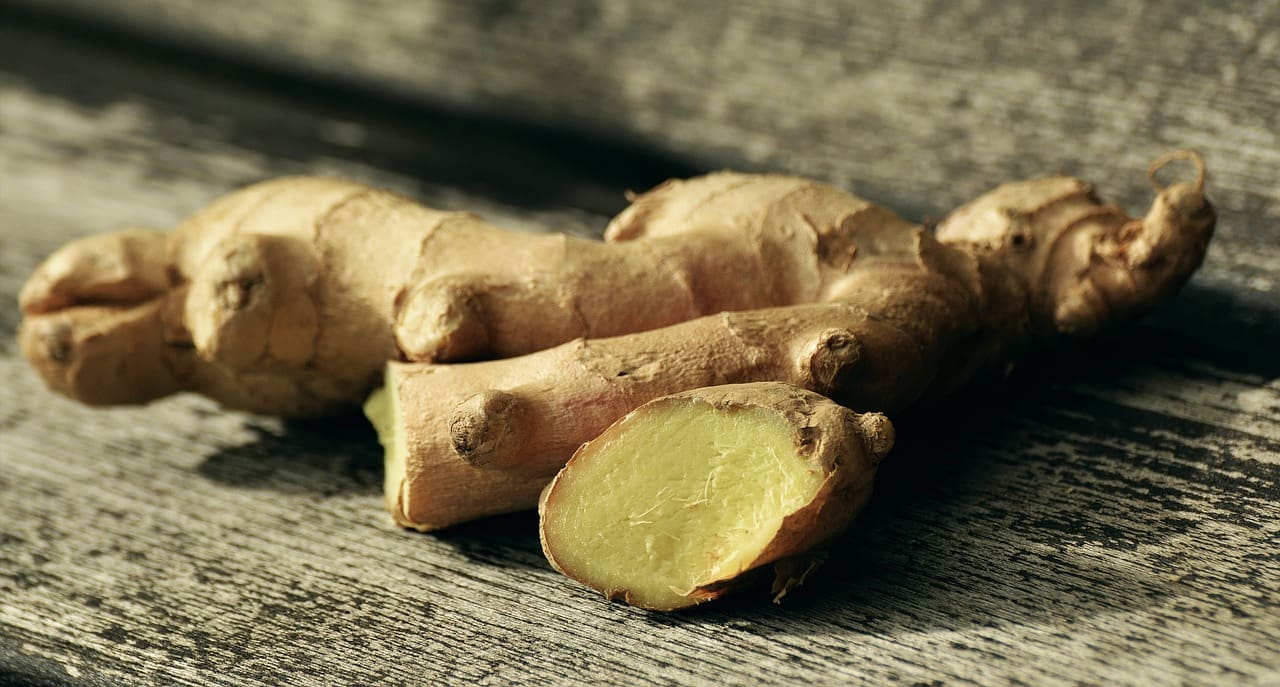
Ginger tea has anti-inflammatory properties and may help reduce blood pressure and cholesterol levels. Enjoy a warm cup of ginger tea to support heart health and promote overall well-being.
Dandelion Root Tea
Dandelion root tea has diuretic properties and may help lower blood pressure by reducing fluid retention. It can be enjoyed as a caffeine-free alternative to traditional teas and may also support liver health.
Hawthorn Tea
Hawthorn tea, made from the berries, leaves, and flowers of the hawthorn plant, has been used to support heart health for centuries. It may help lower blood pressure and improve cardiovascular function. Incorporate hawthorn tea into your daily routine as a natural and soothing way to promote heart health.
Stay Hydrated
Drink Sufficient Water
Staying hydrated is essential for overall health, including maintaining blood pressure and cholesterol levels. Aim to drink at least eight glasses of water per day, or more if you engage in physical activity or live in a hot climate. Water is essential for proper hydration and supports optimal cardiovascular function.
Limit Caffeinated Beverages
Excessive consumption of caffeinated beverages like coffee and energy drinks can lead to dehydration and potentially increase blood pressure. Limit your intake of these beverages and opt for water, herbal teas, or low-sugar alternatives to support proper hydration.
Avoid Sugary Drinks
Sugary drinks like sodas, fruit juices, and sweetened beverages can contribute to weight gain and unhealthy cholesterol levels. These beverages are often high in added sugars and lack nutritional value. Instead of sugary drinks, choose water, herbal teas, or freshly squeezed juices to quench your thirst.
Try Herbal Infusions
Herbal infusions, such as infused water with fruits and herbs, can be a refreshing and healthy alternative to sugary or caffeinated beverages. Get creative and experiment with different fruit combinations like cucumber and mint or lemon and ginger. Herbal infusions provide hydration while also offering natural flavors and potential health benefits.
Get Sufficient Vitamin D
Expose Yourself to Sunlight
Sunlight is a natural source of vitamin D. Spend time outdoors and expose your skin to sunlight, particularly during the early morning or late afternoon. Aim for around 10-15 minutes of sun exposure daily, but be mindful of protecting your skin from excessive sun exposure to avoid sunburn and damage.
Consume Vitamin D-Rich Foods
To ensure adequate vitamin D levels, incorporate vitamin D-rich foods into your diet. Fatty fish like salmon and tuna, eggs, fortified dairy products, and mushrooms are excellent sources of vitamin D. Including these foods in your meals can help support overall health, including heart health.
Consider Supplements if Needed
If you are unable to obtain sufficient vitamin D through sun exposure and dietary sources, consider talking to your healthcare provider about vitamin D supplements. They can assess your vitamin D levels and recommend an appropriate dosage based on your individual needs. Supplements can help ensure you meet your daily vitamin D requirements.
Regularly Monitor Blood Pressure and Cholesterol Levels
Visit Your Healthcare Provider
Regular check-ups with your healthcare provider are important for monitoring your blood pressure and cholesterol levels. Schedule routine appointments to have your levels measured and discuss any concerns you may have. Your healthcare provider can track your progress and offer guidance on maintaining optimal cardiovascular health.
Use Home Monitoring Devices
Home blood pressure monitors and cholesterol testing kits are readily available and can be useful for self-monitoring. Consult with your healthcare provider to ensure accurate usage and interpretation of the results. Regular monitoring allows you to stay informed about your health and make informed decisions regarding your lifestyle choices.
Track Your Progress
Keep a record of your blood pressure and cholesterol readings over time. Note any changes in your diet, exercise routine, or lifestyle, and track how these changes affect your levels. Regular monitoring and documentation can help you identify patterns and make adjustments accordingly.
Adjust Lifestyle Changes Accordingly
If you notice consistent improvements or fluctuations in your blood pressure or cholesterol levels, consult with your healthcare provider for further guidance. They can help assess your progress, recommend adjustments to your lifestyle, and discuss any necessary medication interventions if required. Regular monitoring, combined with professional guidance, promotes effective management of blood pressure and cholesterol levels.
Incorporating these natural ways to lower blood pressure and cholesterol into your lifestyle can have a significant positive impact on your overall cardiovascular health. Remember, it’s important to consult with healthcare professionals and seek personalized advice based on your specific needs and health conditions. By making gradual, sustainable changes, you can support your heart health and enjoy a healthier, more fulfilling life.