
Welcome to an insightful article that delves into the important role that Reiki practitioners play in the field of energy healing. Reiki is a form of alternative therapy that aims to balance and restore the body’s energy flow, promoting overall well-being and relaxation. In this article, we will explore the unique skills and techniques that Reiki practitioners possess, as well as the benefits of incorporating Reiki into your holistic healing journey. Get ready to gain a deeper understanding of how Reiki can positively impact your mind, body, and spirit. Have you ever wondered about the role of Reiki practitioners in energy healing? You may have heard of Reiki before, but perhaps you’re not quite sure what it involves or how it works. In this article, I’ll guide you through understanding the important role that Reiki practitioners play in energy healing. Let’s dive in!

What is Reiki?
Reiki is a form of alternative therapy that originated in Japan in the early 20th century. It is based on the belief that a “universal life force energy” flows through all living things, and that this energy can be channeled to promote healing and well-being. Reiki practitioners serve as conduits for this healing energy, which is believed to help balance the body, mind, and spirit.
Think of Reiki as a gentle and non-invasive way to restore harmony and balance within the body. It involves the laying on of hands to channel energy to specific areas of the body, promoting relaxation, stress reduction, and overall healing.
The Role of Reiki Practitioners
Reiki practitioners are trained individuals who have been attuned to the Reiki energy and have the ability to channel this energy to facilitate healing in others. They play a crucial role in the energy healing process by acting as a bridge between the universal life force energy and the recipient.
Reiki practitioners are not healers in the traditional sense, but rather facilitators of healing. They do not claim to cure illnesses or ailments, but rather work to restore balance and promote healing on a holistic level.
How Reiki Works
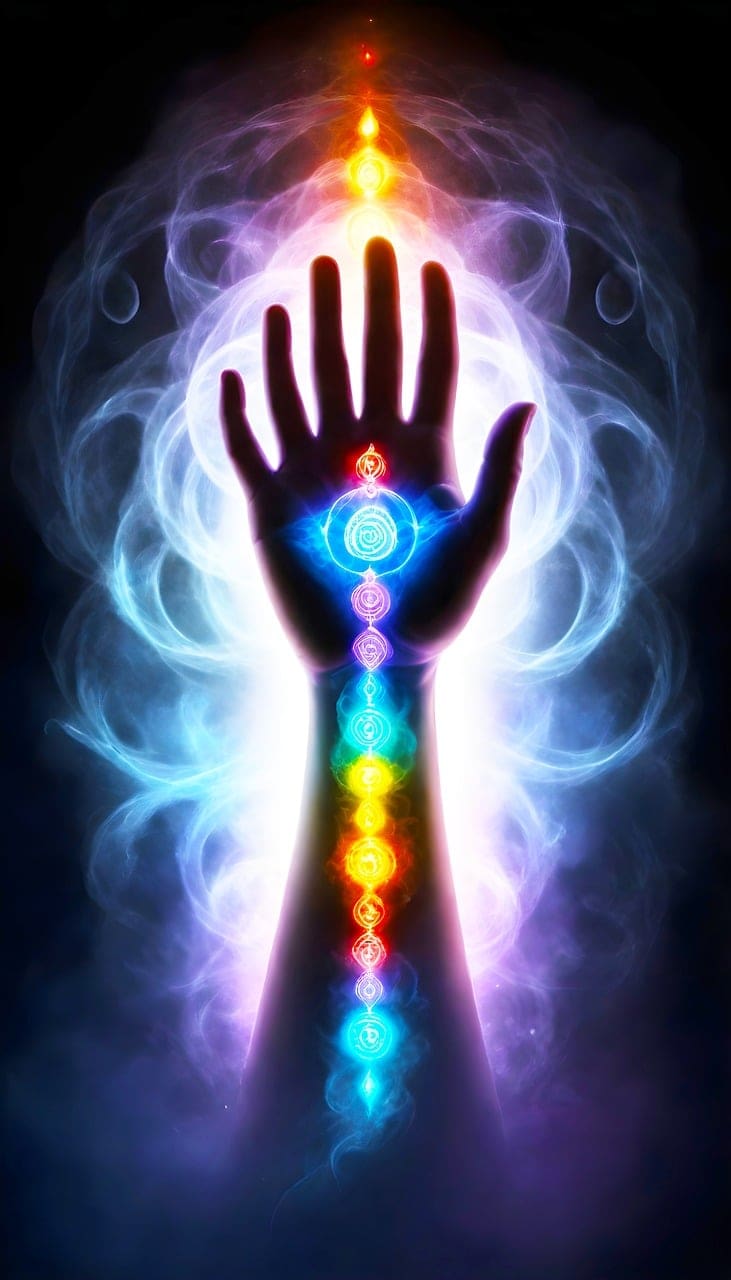
The exact mechanism of how Reiki works is not fully understood, as it operates on a subtle energy level that is not easily measured by conventional scientific methods. However, the underlying principle of Reiki is that the practitioner acts as a channel for the universal life force energy, which flows through their hands and into the recipient’s body.
The energy transferred during a Reiki session is believed to help remove blockages, clear stagnant energy, and promote the body’s natural ability to heal itself. It is a holistic approach to healing that addresses not just the physical body, but also the emotional, mental, and spiritual aspects of a person.
What to Expect During a Reiki Session
If you decide to receive a Reiki session from a practitioner, you can expect a calming and gentle experience that is conducted in a peaceful setting. The practitioner will typically ask you to lie down fully clothed on a treatment table, while they place their hands on or near your body in a series of hand positions.
During the session, you may experience sensations such as warmth, tingling, or a sense of deep relaxation. Some people report feeling emotional release or seeing colors or images during a Reiki session. It is important to remember that everyone’s experience with Reiki is unique.
Benefits of Reiki
There are many potential benefits to receiving Reiki treatment from a practitioner. Some common benefits reported by recipients include:
- Reduced stress and anxiety
- Improved sleep
- Enhanced sense of well-being
- Pain relief
- Accelerated recovery from illness or injury
Reiki is also considered to be a safe and gentle therapy that can be used in conjunction with other conventional medical treatments. It is non-invasive and does not have any known side effects, making it suitable for people of all ages and health conditions.
Training and Certification for Reiki Practition
To become a Reiki practitioner, individuals must undergo training and receive attunement from a Reiki master. There are three levels of Reiki training, each building upon the previous one and deepening the practitioner’s connection to the Reiki energy.
Reiki Level I: This level focuses on self-healing and the basics of energy healing. Practitioners learn how to perform Reiki on themselves and others.
Reiki Level II: At this level, practitioners learn to use symbols and techniques to enhance the flow of Reiki energy. They also gain the ability to perform distance healing.
Reiki Level III (Master/Teacher): This level is for those who wish to become Reiki masters and teach others. They receive further attunement and training to deepen their practice and understanding of Reiki.

In Conclusion
Understanding the role of Reiki practitioners in energy healing can help you appreciate the profound impact that Reiki can have on your well-being. Whether you are seeking stress relief, pain management, or simply a way to restore balance in your life, Reiki offers a gentle and effective approach to holistic healing.