
Are you tired of slouching in your chair all day, ending up with a sore back and tired shoulders? Well, fret no more! In this article, we have compiled a list of the top 10 exercises that will improve your posture and leave you feeling more confident and pain-free. Say goodbye to that hunched over stance and hello to a stronger, more aligned spine. Get ready to stand tall and proud with these simple and effective exercises. Let’s dive in!
1. Cat-Cow Stretch
Instructions
The cat-cow stretch is a simple yet effective exercise for improving your posture. Start on all fours, with your hands directly under your shoulders and your knees hip-width apart. Begin by arching your back and drawing your belly button towards the ceiling, creating the “cat” shape. Hold this position for a few seconds, then slowly move into the “cow” position by dropping your belly towards the floor, lifting your chest, and looking up. Repeat this sequence for several rounds, gently moving between cat and cow positions.
Benefits
The cat-cow stretch helps to increase the mobility and flexibility of your spine, which is important for maintaining good posture. This exercise also stretches and strengthens the muscles in your back, abdomen, and shoulders. Regularly practicing the cat-cow stretch can help alleviate tension in your neck, improve your core stability, and promote a more upright posture.
2. Thoracic Extension
Instructions
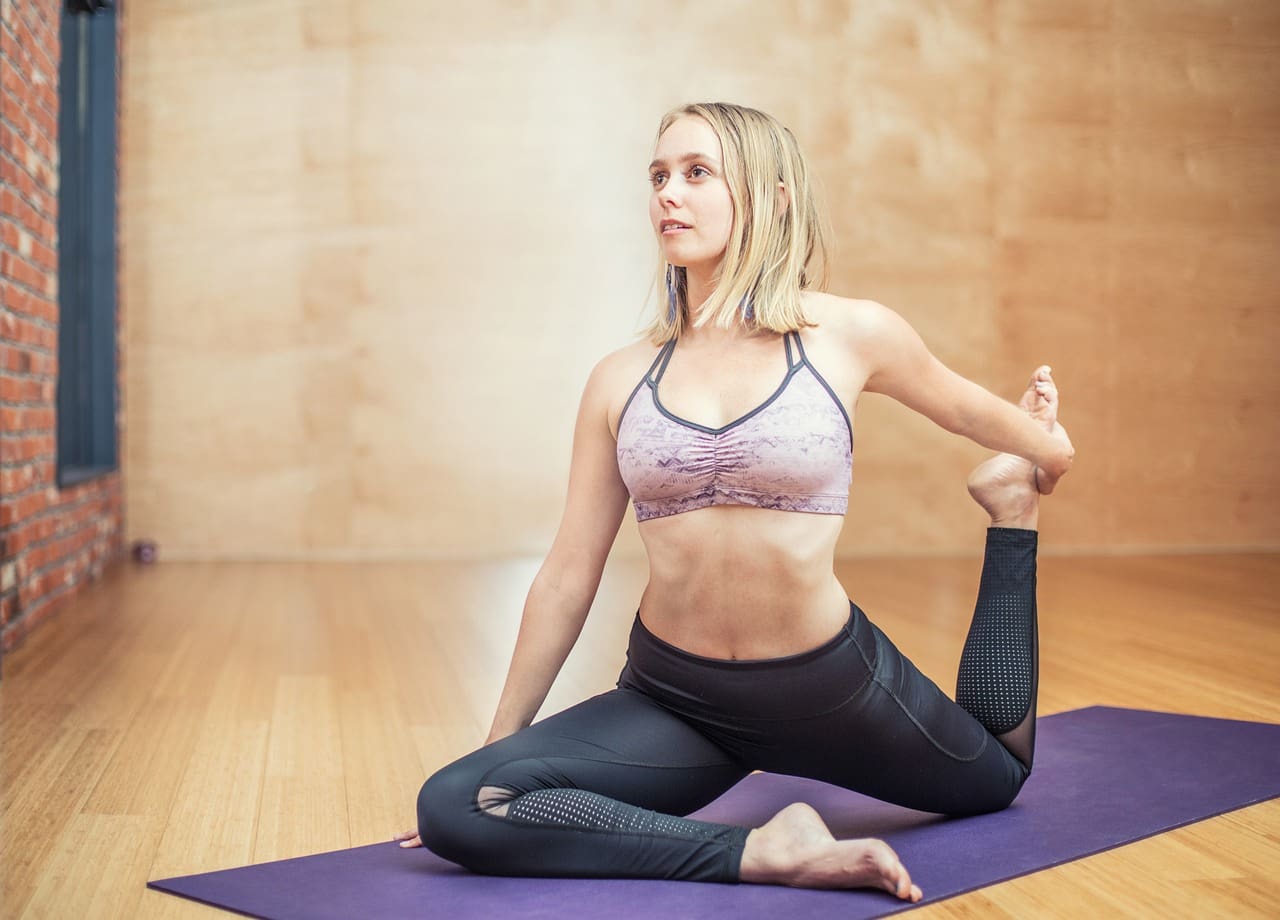
To perform the thoracic extension exercise, sit on the floor with your legs extended in front of you. Place your hands behind your head, with your fingers interlaced. Keeping your lower back and neck relaxed, slowly lean back while pressing your elbows back. You should feel a stretch in the upper part of your spine. Hold this position for 10-15 seconds, then return to the starting position. Repeat this movement for several repetitions.
Benefits
The thoracic extension exercise helps to counteract the effects of slouching and sitting for long periods, which can lead to poor posture. It targets the muscles in your upper back, shoulders, and neck, helping to improve their strength and flexibility. By regularly practicing this exercise, you can enhance your spinal mobility, promote better alignment, and reduce the risk of developing rounded shoulders.
3. Shoulder Blade Squeeze
Instructions
To do the shoulder blade squeeze, sit or stand with your arms by your sides. Gently squeeze your shoulder blades together, as if you are trying to hold a pencil between them. Hold this position for a few seconds, then release. Repeat this movement for several rounds, focusing on keeping your shoulders relaxed and down throughout the exercise.
Benefits
The shoulder blade squeeze exercise targets the muscles between your shoulder blades, known as the rhomboids. By strengthening these muscles, you can improve your posture by pulling your shoulders back and down. Regularly practicing this exercise can also help alleviate tension in your upper back and neck, reducing the risk of developing hunched shoulders.
4. Chin Tucks
Instructions
Chin tucks are a simple exercise that can be done anywhere. Begin by sitting or standing with your shoulders relaxed and your gaze forward. Slowly bring your chin towards your chest, creating a double chin. Hold this position for a few seconds, then release. Repeat this movement for several repetitions, focusing on maintaining a neutral spine throughout the exercise.
Benefits
Chin tucks are an excellent exercise for improving your posture, especially if you spend a lot of time looking down at screens or reading. By consciously tucking your chin, you can strengthen the muscles at the front of your neck and promote a more aligned position for your head and neck. Regularly incorporating chin tucks into your routine can help reduce neck strain and improve overall postural alignment.
5. Bridge Pose
Instructions
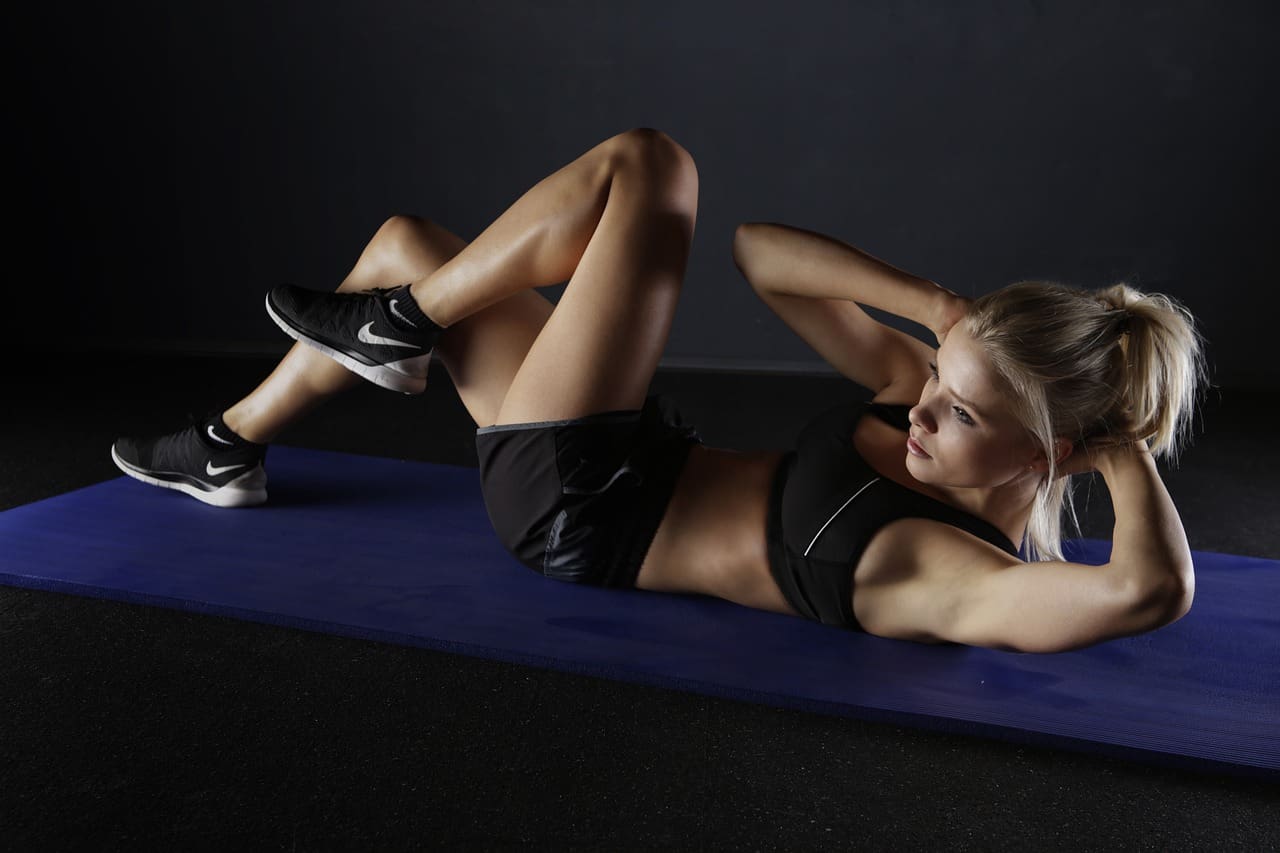
The bridge pose is a yoga exercise that targets the muscles in your buttocks, lower back, and thighs. Start by lying on your back with your knees bent and your feet flat on the ground. Place your hands by your sides, palms down. Slowly lift your hips off the ground, pressing through your feet and engaging your glutes and hamstrings. Hold this position for 10-15 seconds, then lower your hips back down to the starting position.
Benefits
The bridge pose is not only a great exercise for strengthening your glutes and hamstrings but also for promoting good posture. By activating these muscles, you can improve the stability and alignment of your pelvis, which is essential for maintaining an upright posture. Additionally, the bridge pose helps stretch the muscles in your chest and shoulders, countering the effects of rounded shoulders and allowing for better postural alignment.
6. Plank
Instructions
The plank is a classic exercise for overall stability and core strength, but it also has benefits for your posture. Start by getting into a push-up position, with your hands directly under your shoulders and your toes tucked under. Engage your core muscles and hold this position for as long as you can, aiming for at least 30 seconds. Make sure to keep your body in a straight line from head to heels, avoiding sagging or lifting your hips too high.
Benefits
The plank exercise helps to strengthen the muscles in your core, including your abdominals, back, and shoulders. By developing a strong core, you provide a solid foundation for maintaining good posture. This exercise also promotes spinal alignment and can help alleviate lower back pain. Regularly incorporating the plank into your routine can enhance your overall postural stability and contribute to a more upright position.
7. Side Plank
Instructions
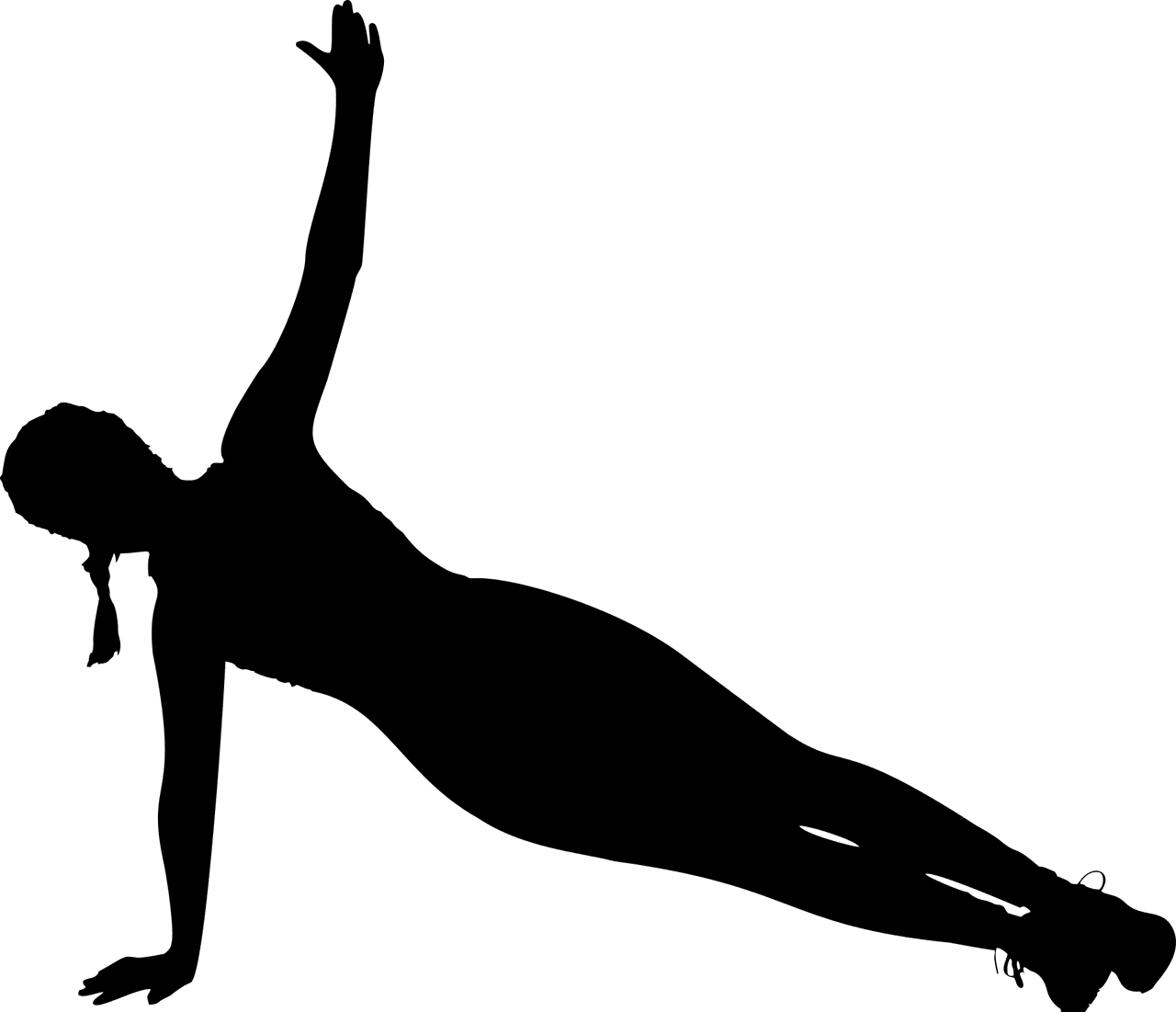
The side plank is a variation of the plank that targets the muscles on the side of your body, including the obliques and the muscles in your back. Start by lying on your side, with your elbow directly underneath your shoulder and your legs extended. Lift your hips off the ground, creating a straight line from your head to your feet. Hold this position for 20-30 seconds, then switch sides and repeat.
Benefits
The side plank exercise is excellent for improving lateral stability and promoting good posture. By strengthening your side muscles, you can support your spine and prevent it from leaning to one side. This exercise also engages your deep core muscles, contributing to better overall postural alignment. Regularly practicing side planks can help reduce the risk of developing imbalances and muscular imbalances in your torso.
8. Wall Angels
Instructions
Stand with your back against a wall, and your feet about six inches away from it. Place your arms against the wall, with your elbows bent at 90 degrees, and your palms facing forward. Slowly slide your arms up the wall, making sure to keep your back in contact with the wall at all times. When your arms are fully extended, pause for a moment, then slide them back down to the starting position. Repeat this movement for several repetitions.
Benefits
Wall angels are a fantastic exercise for improving your posture by strengthening the muscles in your upper back, shoulders, and neck. By doing this exercise, you can counteract the effects of rounded shoulders and promote a more upright position. Wall angels also stretch your chest muscles, helping to alleviate tightness and improving the overall flexibility of your upper body. Regularly incorporating this exercise into your routine can help improve your posture and reduce the risk of developing shoulder and neck pain.
9. Wall Sit
Instructions
To perform a wall sit, stand with your back against a wall and your feet about shoulder-width apart. Slowly slide your back down the wall, bending your knees until they are at a 90-degree angle. Hold this position for 30-60 seconds, focusing on maintaining a straight back and engaging your leg muscles. When you are ready to release, push through your feet and slowly slide back up the wall to the starting position.
Benefits
The wall sit exercise primarily targets the muscles in your lower body, including your quadriceps, hamstrings, and glutes. By strengthening these muscles, you can improve your overall posture and stability while standing or sitting. The wall sit also encourages proper alignment of your pelvis and spine, contributing to a more upright posture. Regularly practicing this exercise can help alleviate lower back pain and increase overall lower body strength.
10. Deadlift
Instructions
The deadlift is a compound exercise that targets multiple muscle groups, including your back, legs, and core. Begin by standing with your feet about shoulder-width apart and a barbell or a pair of dumbbells in front of you. Bend your knees and hinge at your hips, keeping your back straight and chest lifted. Grab the barbell or dumbbells, using an overhand grip, and stand up by extending your hips and knees. Lower the weight back down to the starting position with control. Repeat for several repetitions, focusing on maintaining proper form throughout the exercise.
Benefits
The deadlift exercise is not only an excellent strength builder but also a great posture enhancer. By engaging your back, leg, and core muscles, the deadlift helps improve your overall postural alignment. This exercise strengthens the muscles in your back, promoting a more upright position and reducing the risk of developing a rounded or hunched posture. Regularly incorporating deadlifts into your routine can help improve your overall strength, stability, and posture.