
In this article, you will discover a collection of effective techniques and practices that can help you manage and reduce anxiety in your everyday life. Whether you’re struggling with occasional bouts of anxiousness or dealing with chronic anxiety, these mindful strategies can provide you with the tools you need to find calm and cultivate a more peaceful state of mind. From simple breathing exercises to mindful meditation practices, you’ll learn how to navigate through stressful situations with greater ease and bring a sense of serenity into your daily routine. So, take a deep breath and let’s explore these mindful ways to manage and reduce anxiety together. Anxiety is a common experience that many people face. It can be overwhelming and disrupt daily life, but there are strategies and techniques that can help manage and reduce anxiety. Whether you’re dealing with occasional anxious feelings or have been diagnosed with an anxiety disorder, incorporating physical strategies, cognitive strategies, lifestyle changes, relaxation techniques, social support, time management, self-care, coping strategies, and professional help into your life can make a significant difference in how you navigate anxiety.
Physical Strategies
Deep Breathing
One effective physical strategy to manage anxiety is deep breathing. When anxiety hits, your body’s natural response is to take quick, shallow breaths. By consciously focusing on your breath and taking slow, deep breaths, you can activate your body’s relaxation response and calm your mind. Deep breathing helps to regulate your heart rate and oxygen flow, promoting a sense of calmness.
Progressive Muscle Relaxation
Progressive muscle relaxation is another physical strategy that can help reduce anxiety. This technique involves tensing and then relaxing different muscle groups in your body, promoting a sense of relaxation and releasing tension. By systematically working through your muscles, starting from your toes and moving up to your head, you can help your body loosen up and create a sense of calm.
Physical Exercise
Engaging in regular physical exercise can significantly reduce anxiety. Exercise releases endorphins, which are feel-good chemicals in the brain. These endorphins can help improve your mood, reduce stress, and increase your overall sense of well-being. Whether it’s going for a run, taking a yoga class, or simply going for a walk, finding an exercise routine that works for you can be incredibly beneficial in managing anxiety.
Healthy Sleep Habits
Sleep plays a crucial role in managing anxiety. Lack of sleep can exacerbate anxious feelings and make it more challenging to cope with stress. Establishing healthy sleep habits, such as sticking to a consistent sleep schedule, creating a relaxing bedtime routine, and creating a comfortable sleeping environment, can significantly improve your mood and overall mental well-being.
Cognitive Strategies
Identify and Challenge Negative Thoughts
Negative thoughts can fuel anxiety and make it difficult to manage. Identifying and challenging these thoughts can help you gain a more realistic perspective and reduce anxious feelings. Pay attention to your thoughts, and when you notice negative or anxious thoughts, ask yourself if there is evidence to support them. Challenging these thoughts by questioning their accuracy and adopting more positive or realistic thinking patterns can have a profound impact on your anxiety levels.
Practice Self-Compassion
Self-compassion involves treating yourself with kindness, understanding, and acceptance, especially during times of anxiety. It is essential to remember that experiencing anxiety does not make you weak or flawed; it is a normal human response. Practice self-compassion by treating yourself as you would a dear friend or loved one, with patience, kindness, and understanding.
Engage in Positive Self-Talk
Positive self-talk can help shift your mindset and reduce anxious thoughts. When facing anxiety-inducing situations, replace negative and self-critical thoughts with positive and encouraging ones. Remind yourself that you are capable, strong, and able to handle whatever comes your way. By reframing your thoughts, you can reduce anxiety and build self-confidence.
Focus on the Present Moment
Anxiety often stems from excessive worry about the future or dwelling on past events. Practicing mindfulness and focusing on the present moment can help reduce anxiety. Paying attention to your senses, engaging in deep breathing, and grounding techniques can all bring you into the present moment and alleviate anxious thoughts. Mindfulness activities such as meditation, guided imagery, or journaling can also be effective tools in managing anxiety.
Lifestyle Changes
Maintain a Balanced Diet
A balanced diet plays a crucial role in overall mental and physical well-being. It is essential to provide your body with the nutrients it needs to function optimally, as deficiencies in certain vitamins and minerals can contribute to anxiety symptoms. Incorporate plenty of fruits, vegetables, lean proteins, whole grains, and healthy fats into your diet to support your mental health.
Limit Caffeine and Alcohol
Caffeine and alcohol can worsen anxiety symptoms, so it is essential to consume them in moderation or avoid them altogether. Caffeine is a stimulant that can increase heart rate and trigger anxious feelings, while alcohol is a depressant that can temporarily alleviate symptoms but ultimately worsen them in the long run. Choose decaffeinated beverages and limit alcohol intake to help manage anxiety.
Develop a Regular Routine
Creating a regular routine can provide structure and stability, which can be comforting and reduce anxiety. Establish consistent wake-up and bedtime times, set aside time for meals, exercise, relaxation, and self-care activities. Having a routine allows you to know what to expect and helps you feel more in control of your day.
Simplify and Organize Your Environment
Physical clutter can contribute to mental clutter, increasing anxiety. Take the time to simplify and organize your environment, whether it’s your home, workspace, or digital space. Clearing out clutter and creating an organized space can help create a sense of calm and reduce anxious feelings.
Relaxation Techniques
Meditation
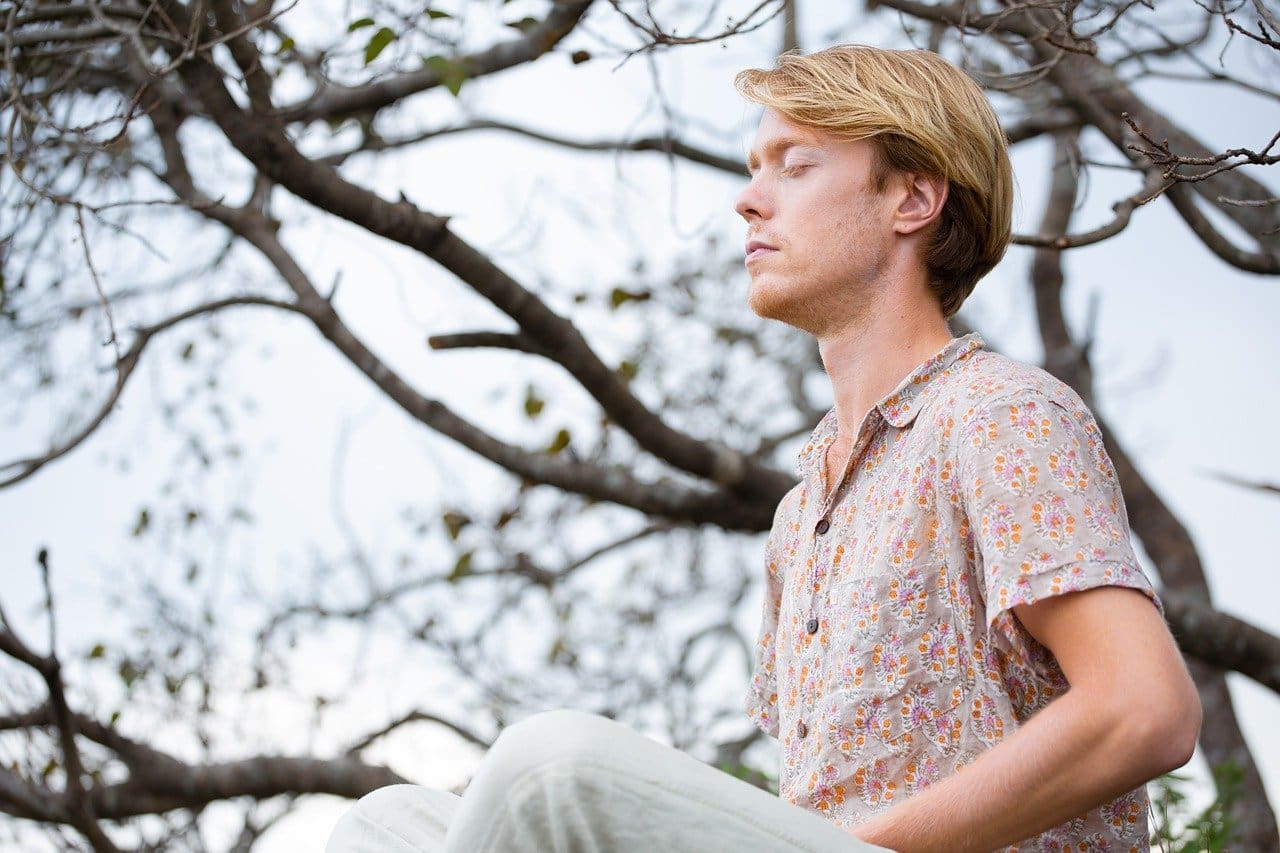
Meditation is a powerful relaxation technique that involves focusing your attention and eliminating the stream of jumbled thoughts that can contribute to anxiety. It can help calm your mind, reduce stress, and promote a sense of inner peace. There are different types of meditation practices, including mindfulness meditation, loving-kindness meditation, and transcendental meditation. Find a technique that resonates with you and incorporate it into your daily routine.
Guided Imagery
Guided imagery involves creating vivid mental images that promote relaxation and decrease anxiety. It typically involves focusing on calming scenes or experiences, such as imagining yourself on a peaceful beach or in a serene forest. Guided imagery can be aided by audio recordings or the guidance of a trained professional.
Journaling
Journaling can be a therapeutic way to express and process your emotions. Writing down your thoughts and feelings can help you gain clarity, identify triggers, and work through anxious thoughts. Set aside time each day to journal and reflect on your experiences, allowing yourself to release any worries or concerns onto the page.
Mindfulness Activities
Engaging in mindfulness activities throughout your day can help reduce anxiety and increase your overall sense of well-being. Examples of mindfulness activities include mindful eating, mindful walking, and using your senses to fully experience the present moment. By deliberately focusing your attention and engaging your senses, you can bring yourself into the present moment and calm your anxious thoughts.
Social Support
Connect with Loved Ones
Maintaining strong connections with friends and family can provide a sense of belonging and support when managing anxiety. Reach out to loved ones and share your experiences and concerns. Talking openly about your anxiety can help alleviate feelings of isolation and provide a listening ear.
Seek Professional Help
If you find that your anxiety significantly interferes with your daily life and functioning, it may be beneficial to seek professional help. A mental health professional can offer guidance, support, and evidence-based treatments to help manage and reduce anxiety. They can work with you to develop a personalized treatment plan tailored to your specific needs.
Join Support Groups
Support groups are a valuable resource for individuals managing anxiety. Connecting with others who have similar experiences can provide a sense of validation and understanding. Support groups offer a safe space to share experiences, strategies, and coping mechanisms, allowing you to learn from others and feel supported on your journey.
Engage in Hobbies and Interests
Participating in hobbies and interests that bring you joy and fulfillment can help reduce anxiety. Engaging in activities you enjoy can provide a much-needed break from anxious thoughts and create a sense of accomplishment and happiness. Whether it’s painting, playing an instrument, gardening, or any other hobby, carve out time for activities that bring you joy.
Time Management
Set Priorities
When feeling overwhelmed with anxiety, it can be helpful to prioritize tasks and responsibilities. Determine what needs immediate attention and what can be addressed later. By breaking down tasks into manageable steps and focusing on one thing at a time, you can reduce anxiety and increase productivity.
Break Tasks into Manageable Steps
Large tasks or projects can feel overwhelming, contributing to anxiety. Breaking them down into smaller, more manageable steps can make them feel less daunting and more achievable. Celebrate each completed step along the way, acknowledging your progress and reducing anxiety about the overall task.
Delegate or Ask for Help
It’s okay to ask for help when needed. Delegating tasks or reaching out to others for support can alleviate feelings of overwhelm and reduce anxiety. Don’t hesitate to seek assistance from friends, family, or colleagues when necessary.
Schedule Time for Relaxation
Incorporating regular relaxation breaks into your daily schedule can help manage anxiety. Set aside dedicated time for activities that calm and rejuvenate you, such as meditation, taking a walk in nature, or listening to soothing music. Prioritizing self-care and relaxation ensures that you have time to recharge and reduce anxiety.

Stress Reduction Techniques
Practice Yoga or Tai Chi
Yoga and Tai Chi are practices that combine physical movement, breath control, and mindfulness. Both practices have been shown to reduce anxiety and improve overall well-being. Incorporating yoga or Tai Chi into your routine can help reduce stress, increase body awareness, and promote relaxation.
Listen to Relaxing Music
Music has a powerful impact on our emotions and can be a valuable tool in managing anxiety. Listening to relaxing music can help calm the mind, reduce stress levels, and promote a sense of tranquility. Create a playlist of soothing music and incorporate it into your daily routine, whether it’s during relaxation breaks, before bedtime, or while engaging in other stress-reducing activities.
Take Regular Breaks
Taking regular breaks throughout the day can help prevent feelings of overwhelm and reduce anxiety. Step away from your tasks and engage in activities that bring you joy or help you relax. Whether it’s stretching, taking a short walk, or simply closing your eyes and taking deep breaths, breaks provide an opportunity to recharge and refocus.
Engage in Creative Outlets
Engaging in creative outlets can be an effective stress reduction technique. Whether it’s drawing, painting, writing, or playing a musical instrument, creative activities allow you to express yourself and channel your emotions in a positive and productive way. Engaging in creative outlets can be both therapeutic and enjoyable, helping to reduce anxiety.
Self-Care
Practice Good Hygiene
Taking care of your physical well-being can have a positive impact on your mental health. Practice good hygiene by maintaining a regular grooming routine, showering regularly, and dressing in a way that makes you feel comfortable and confident. Taking care of your physical appearance can boost self-esteem and contribute to overall well-being.
Engage in Activities You Enjoy
Engaging in activities that bring you joy and happiness is an essential aspect of self-care. Identify activities that make you feel fulfilled and schedule regular time for them. Whether it’s reading a book, going for a hike, or playing a sport, give yourself permission to prioritize activities that bring you joy and reduce anxiety.
Take Time for Yourself
In the midst of busy lives and responsibilities, it’s crucial to carve out time for yourself. Prioritize self-care by setting aside time each day to engage in activities that promote relaxation and rejuvenation. This could be as simple as taking a bath, practicing meditation, or indulging in a favorite hobby.
Set Boundaries
Setting healthy boundaries is an essential aspect of self-care. Learn to recognize and respect your personal limits and communicate them to others. Setting boundaries allows you to protect your mental and emotional well-being and reduce anxiety associated with overextending yourself.
Coping Strategies
Visualize Calmness
Visualization is a powerful technique for managing anxiety. Close your eyes and imagine yourself in a calm and peaceful environment. Visualize yourself coping with anxiety-inducing situations and imagine feeling calm and in control. By harnessing the power of your imagination, you can cultivate a sense of calmness and reduce anxiety.
Use Grounding Techniques
Grounding techniques can help bring your focus back to the present moment and alleviate anxiety. Engage your senses by noticing and describing objects around you, focusing on the physical sensations of touch, or taking deep breaths. Using grounding techniques can help anchor you in the present and reduce anxious thoughts.
Engage in Humor and Laughter
Laughter is indeed the best medicine when it comes to managing anxiety. Engaging in humor and laughter can help relieve tension, reduce stress, and improve overall mood. Watch a funny movie, read a humorous book, or share a laugh with a friend. Incorporating humor into your life can be a powerful coping strategy.
Utilize Stress Balls or Fidget Toys
Using stress balls or fidget toys can provide a physical outlet for anxiety and restlessness. These small objects can be squeezed, rolled, or manipulated, offering a way to channel nervous energy and relieve tension. Keeping stress balls or fidget toys within reach can provide a simple yet effective coping mechanism when anxiety strikes.
Professional Help
Seek Therapy or Counseling
If anxiety significantly impacts your daily life and functioning, seeking therapy or counseling can be a valuable step. A therapist or counselor can provide a safe and supportive environment to explore anxiety-related issues, develop coping strategies, and learn new skills to manage anxiety effectively.
Consider Medication if Recommended
In some cases, medication may be recommended as part of a comprehensive treatment plan for anxiety. Medication can help manage symptoms and provide relief when other strategies are not sufficient. If medication is recommended, it is essential to work closely with a healthcare professional to find the right medication and dosage for your specific needs.
Explore Alternative Therapies
In addition to traditional therapy approaches, alternative therapies can also be effective in managing anxiety. Techniques such as acupuncture, herbal remedies, aromatherapy, or massage therapy can provide additional support and relief. It is important to consult with a qualified professional when exploring alternative therapies to ensure their safety and effectiveness.
Consult with a Mental Health Professional
If you are unsure how to navigate anxiety or feel overwhelmed in managing it, consulting with a mental health professional can provide guidance and support. They can assess your specific needs, help develop coping strategies, and recommend appropriate interventions or treatments. With their expertise, you can work together to manage and reduce anxiety effectively.
Managing and reducing anxiety is a journey that requires patience, self-compassion, and a willingness to try different strategies. By incorporating physical strategies, cognitive strategies, lifestyle changes, relaxation techniques, social support, time management, self-care, coping strategies, and professional help into your life, you can develop a comprehensive toolkit for managing anxiety. Remember that everyone’s experience with anxiety is unique, so it’s important to find what works best for you. With time and persistence, you can learn to navigate anxiety and live a more calm and fulfilling life.