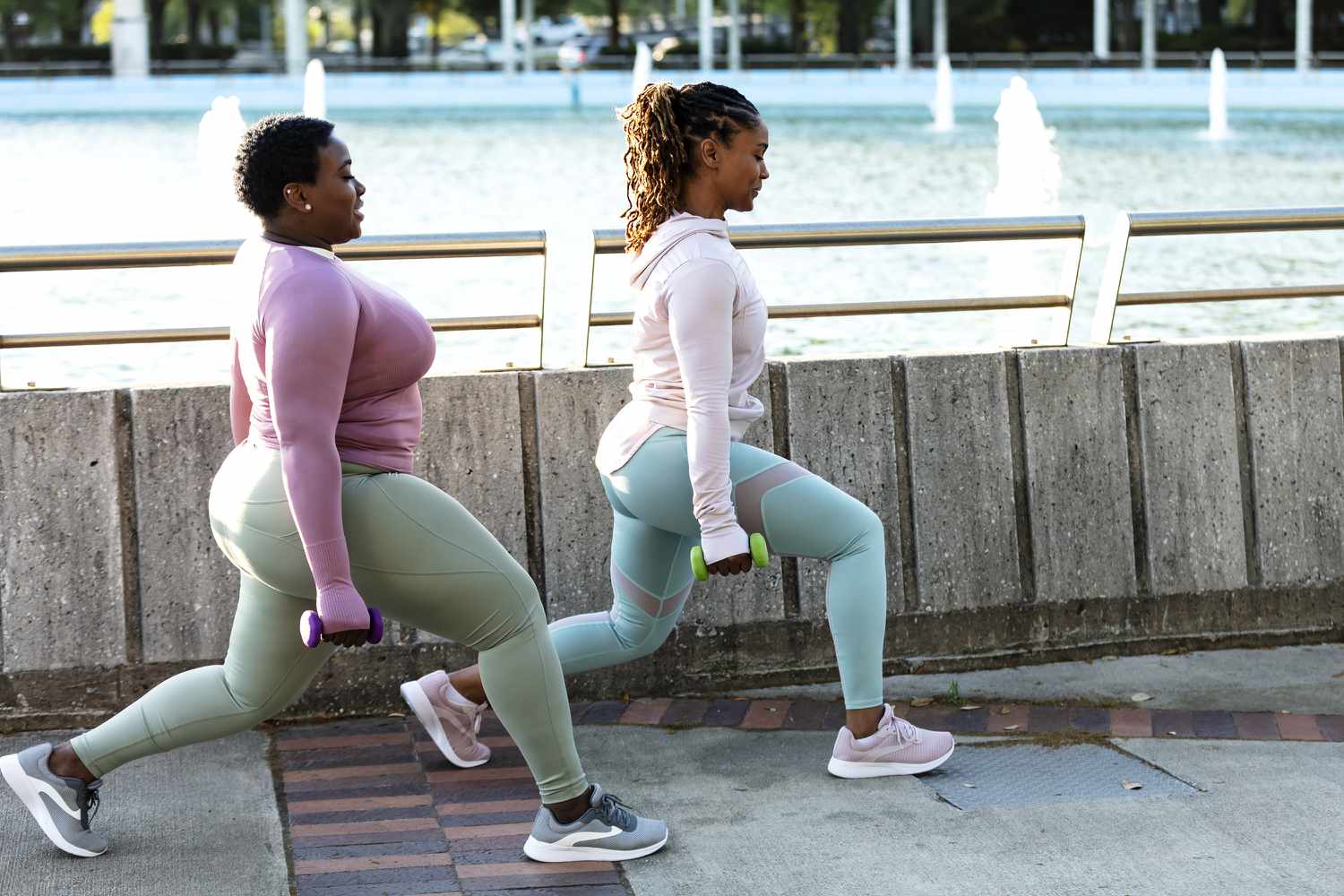
Are you tired of high-intensity workouts that leave your joints achy and sore? Look no further! In this article, we will explore the top 10 low-impact exercises that are perfect for joint-friendly workouts. Whether you are recovering from an injury or simply want to protect your joints, these exercises will help you stay active and fit without putting unnecessary strain on your body. So, let’s get started and discover some gentle yet effective exercises that will keep you moving and feeling great!
Walking
Walking is a simple and effective way to incorporate exercise into your daily routine. Not only is walking a low-impact activity, but it also provides numerous benefits for your overall health and well-being.
Benefits of walking
Walking offers a range of benefits, both physical and mental. It is a form of aerobic exercise that helps strengthen your cardiovascular system, lowers your blood pressure, and reduces the risk of heart disease. Regular walking can also improve your lung capacity and increase your endurance.
Apart from the cardiovascular benefits, walking is a great way to maintain a healthy weight or lose those extra pounds. It burns calories, improves your metabolism, and helps build muscle strength. Walking is especially beneficial for individuals who are new to exercise or have joint issues as it puts minimal stress on the joints.
Additionally, walking has numerous mental health benefits. It can reduce stress and anxiety, improve your mood, and boost your overall mental well-being. Taking a walk in nature can provide a sense of calmness and help clear your mind, making it a great way to unwind and destress.
How to incorporate walking into your workout routine
Incorporating walking into your workout routine is easy and convenient. Here are some tips to help you get started:
-
Set achievable goals: Begin with shorter walks and gradually increase the duration and intensity as your fitness level improves. Aim for at least 30 minutes of brisk walking most days of the week.
-
Find a walking buddy: Walking with a friend or family member can not only make the activity more enjoyable but also help you stay motivated and committed.
-
Be consistent: Make walking a regular part of your daily routine. Try to schedule your walks at the same time each day to establish a habit.
-
Mix up your routes: Explore different neighborhoods, parks, or trails to keep your walks interesting and prevent boredom.
-
Use a pedometer or fitness tracker: Monitoring your steps and progress can be motivating and help you stay on track. Set goals for increasing your daily step count gradually.
Tips for joint-friendly walking
While walking is generally considered a low-impact exercise, it’s essential to take precautions to ensure joint health. Here are some tips to make your walking routine joint-friendly:
-
Wear proper footwear: Invest in a good pair of walking shoes that provide adequate support and cushioning. This will help reduce the impact on your joints and prevent injuries.
-
Warm up and cool down: Before and after your walk, spend a few minutes doing light stretches to warm up your muscles and joints. This will help increase flexibility and prevent stiffness.
-
Pay attention to your posture: Maintain an upright posture with your head up, shoulders relaxed, and core engaged. Avoid slouching or leaning forward, as this can put unnecessary strain on your joints.
-
Take it easy on uneven surfaces: If you’re walking on uneven terrain, be cautious and slow your pace to avoid tripping or twisting your ankles.
-
Listen to your body: If you experience pain or discomfort during your walk, slow down, take breaks, or adjust your walking pattern. It’s essential to listen to your body and avoid pushing through severe pain.
By following these tips and incorporating walking into your workout routine, you can enjoy the many benefits of this low-impact exercise while taking care of your joints.
Cycling
Cycling is another excellent low-impact exercise option that offers a wide range of benefits for your overall fitness and joint health. Whether you prefer cycling outdoors or using a stationary bike, this activity can be tailored to fit your fitness level and goals.
Benefits of cycling
Cycling is an effective workout that works multiple muscle groups and provides various health benefits. Here are some advantages of incorporating cycling into your routine:
-
Joint-friendly exercise: Cycling is a low-impact exercise that puts minimal stress on your joints, making it an excellent option for individuals with joint issues or those recovering from injuries.
-
Cardiovascular fitness: Cycling is a great aerobic exercise that gets your heart pumping. Regular cycling can improve your cardiovascular fitness, lower your resting heart rate, and reduce the risk of heart disease.
-
Strengthens muscles: Cycling primarily targets the lower body muscles, such as the quadriceps, hamstrings, calves, and glutes. It helps build strength, endurance, and tone these muscles, giving you a leaner and stronger physique.
-
Weight management: Cycling is a calorie-burning activity that helps reduce body fat and maintain a healthy weight. It increases your metabolic rate, allowing you to burn calories even after your ride.
-
Mental well-being: Cycling also provides mental health benefits, such as reducing stress levels, boosting your mood, and improving overall mental well-being. It allows you to connect with nature, enjoy the scenery, and experience a sense of freedom and adventure.
Choosing the right bike
Choosing the right bike is crucial to ensure a comfortable and enjoyable cycling experience. Here are some factors to consider when selecting a bike:
-
Bike type: Determine the type of bike that suits your needs and preferences. There are various options, including road bikes, mountain bikes, hybrid bikes, and stationary bikes. Consider your terrain, intended use, and fitness goals when deciding on the bike type.
-
Bike fit: Proper bike fit is essential for comfort and injury prevention. Consider factors such as frame size, saddle height, handlebar height, and reach. If possible, visit a professional bike fitter who can help determine the ideal fit for your body.
-
Quality and durability: Invest in a bike with good quality components that are durable and reliable. This will ensure a smoother ride and reduce the risk of mechanical issues.
-
Budget: Set a budget and research bikes within your price range. Consider looking for deals, discounts, or buying second-hand bikes if you’re on a tight budget.
-
Test ride: Before making a purchase, always test ride the bike to ensure it feels comfortable and suitable for your needs. Pay attention to factors such as ride quality, handling, and ease of shifting gears.
Tips for joint-friendly cycling
To make cycling a joint-friendly activity and prevent discomfort or injuries, consider the following tips:
-
Adjust your bike properly: Ensure your bike is set up correctly to avoid excessive strain on your joints. Adjust the saddle height, handlebar position, and reach to find a comfortable riding position.
-
Warm up and cool down: Just like any other exercise, it’s essential to warm up your muscles and joints before cycling. Engage in some light stretches to prepare your body for the activity and cool down afterward to prevent stiffness.
-
Start slow and gradually increase intensity: If you’re new to cycling or haven’t cycled in a while, start with shorter rides at a moderate pace. Gradually increase your distance and intensity as your fitness level improves.
-
Listen to your body: If you experience pain or discomfort while cycling, listen to your body and adjust your riding technique or take a break. Pushing through severe pain can lead to further damage or injuries.
-
Use proper gear: Wear a helmet to protect your head and always use appropriate cycling gear, such as padded shorts, to cushion your pelvic area and reduce the risk of chafing or discomfort.
By following these tips and incorporating cycling into your routine, you can enjoy the benefits of this joint-friendly exercise while exploring new places and improving your fitness level.