
Hey there! Are you looking to optimize your workout routine and minimize the risk of injury? Well, we’ve got you covered! In this article, we’ll be sharing the top 10 pre-workout stretches that you can incorporate into your fitness regime. These stretches are not only effective in warm-up but also help prevent injuries during your workout. So, let’s get ready to loosen up those muscles and get the most out of your exercise routine!
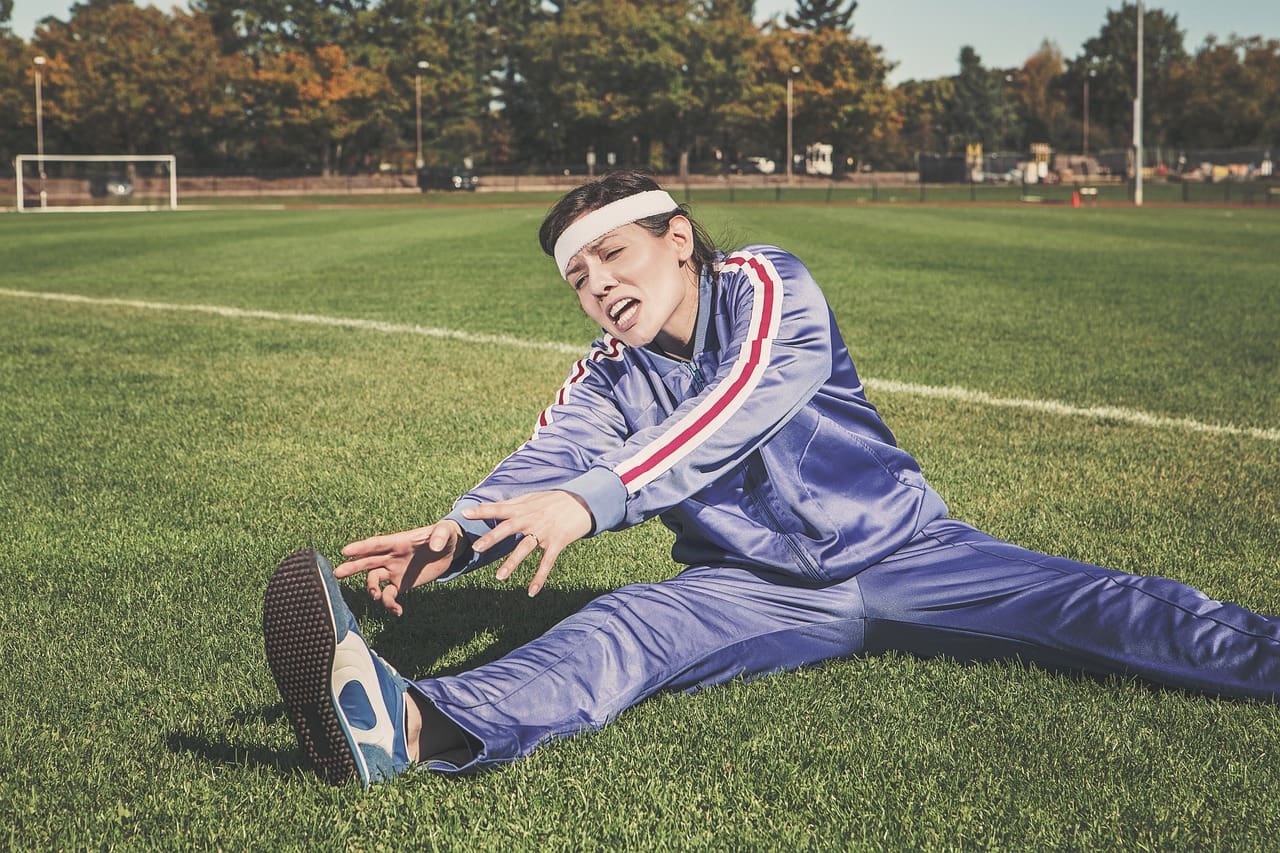
Neck Stretches
Head tilt stretch
The head tilt stretch is a simple and effective way to loosen up the muscles in your neck. To perform this stretch, sit or stand up straight and slowly tilt your head to one side, bringing your ear towards your shoulder. Hold this position for 15-30 seconds, feeling the gentle stretch in the opposite side of your neck. Repeat on the other side. This stretch can help relieve tension and improve flexibility in the neck.
Neck rotation stretch
The neck rotation stretch targets the muscles in the sides of your neck. Start by sitting or standing up straight. Slowly turn your head to one side, looking over your shoulder. Hold this position for 15-30 seconds, feeling the stretch in your neck and upper back. Remember to keep your shoulders relaxed while performing this stretch. Repeat on the other side. This stretch can help improve mobility in the neck and reduce stiffness.
Neck flexion stretch
The neck flexion stretch stretches the muscles in the front of your neck. Begin by sitting or standing up straight with your shoulders relaxed. Slowly lower your chin towards your chest, feeling the stretch in the back of your neck. Hold this position for 15-30 seconds, then slowly lift your head back up. This stretch can help relieve tension in the neck and improve overall neck flexibility.
Shoulder Stretches
Shoulder circles
Shoulder circles are a great warm-up exercise to improve range of motion and loosen up the muscles surrounding the shoulder joint. Stand up straight with your feet shoulder-width apart. Slowly roll your shoulders forward in circular motions, making big circles. After several repetitions, switch to rolling your shoulders backward. Perform this exercise for 30-60 seconds. Shoulder circles can help improve shoulder mobility and reduce the risk of shoulder injuries during your workout.
Shoulder rolls
Shoulder rolls can help relieve tension and promote relaxation in the shoulders. Stand up straight and relax your arms by your sides. Roll your shoulders backward in a circular motion, lifting them up towards your ears, then back and down. Repeat this motion for 10-15 times, then switch to rolling your shoulders forward. This stretch can help improve posture and reduce muscle tightness in the shoulders.
Cross-body arm stretch
The cross-body arm stretch targets the muscles in the back of your shoulder. Stand up straight and extend one arm across your chest. Use your other arm to gently pull the extended arm towards your body, feeling the stretch in the back of your shoulder. Hold this position for 15-30 seconds, then repeat on the other side. This stretch can help improve shoulder flexibility and reduce the risk of shoulder strains or tears.
Chest Stretches
Standing chest stretch
The standing chest stretch helps open up the muscles in your chest and shoulders. Stand up straight with your feet shoulder-width apart. Interlace your fingers behind your back and gently squeeze your shoulder blades together as you lift your chest towards the ceiling. Hold this position for 15-30 seconds, feeling the stretch in your chest and shoulders. This stretch can help improve posture and relieve tightness in the chest.
Doorway chest stretch
The doorway chest stretch is a great stretch to target the muscles in the front of your shoulders and chest. Stand in a doorway with your arms extended out to the sides, resting against the door frame. Gently lean forward, allowing your chest to open up and feel the stretch. Hold this position for 15-30 seconds. This stretch can help improve shoulder mobility and reduce the risk of shoulder injuries.
Prone chest stretch
The prone chest stretch stretches the muscles in your chest and shoulders. Begin by lying face down on the floor. Place your arms in a T-shape with your palms facing down. Slowly lift your upper body off the ground, keeping your hips and legs on the floor. Feel the stretch in your chest and shoulders. Hold this position for 15-30 seconds, then lower your upper body back down. This stretch can help relieve tension and improve range of motion in the chest.
Back Stretches
Cat-Camel stretch
The cat-camel stretch is a gentle exercise that helps improve flexibility and reduce stiffness in the spine. Start by getting on your hands and knees, with your hands directly under your shoulders and knees under your hips. Slowly round your back upward, like an angry cat, tucking your chin to your chest. Hold this position for a few seconds, then slowly arch your back downward, lifting your chest and tailbone towards the ceiling. Repeat this motion for 10-15 times. The cat-camel stretch can help alleviate lower back pain and improve overall spinal mobility.
Child’s pose
Child’s pose is a relaxing stretch that targets the muscles in your lower back and hips. Start by kneeling on the floor and sit back on your heels. Slowly walk your hands forward, lowering your chest towards the ground while keeping your hips on your heels. Allow your forehead to rest on the floor, or on a folded towel if more comfortable. Hold this position for 30-60 seconds, focusing on deep breaths and relaxing the muscles in your back. Child’s pose can help relieve tension and promote relaxation in the back.
Seated spinal twist
The seated spinal twist is a great stretch to release tension in the back and improve spinal mobility. Sit on the floor with your legs extended in front of you. Bend your right knee and cross it over your left leg, placing your right foot flat on the floor. Place your left elbow on the outside of your right knee and gently twist your torso to the right. Hold this position for 15-30 seconds, feeling the stretch in your back. Repeat on the other side. The seated spinal twist can help improve posture and relieve back tightness.
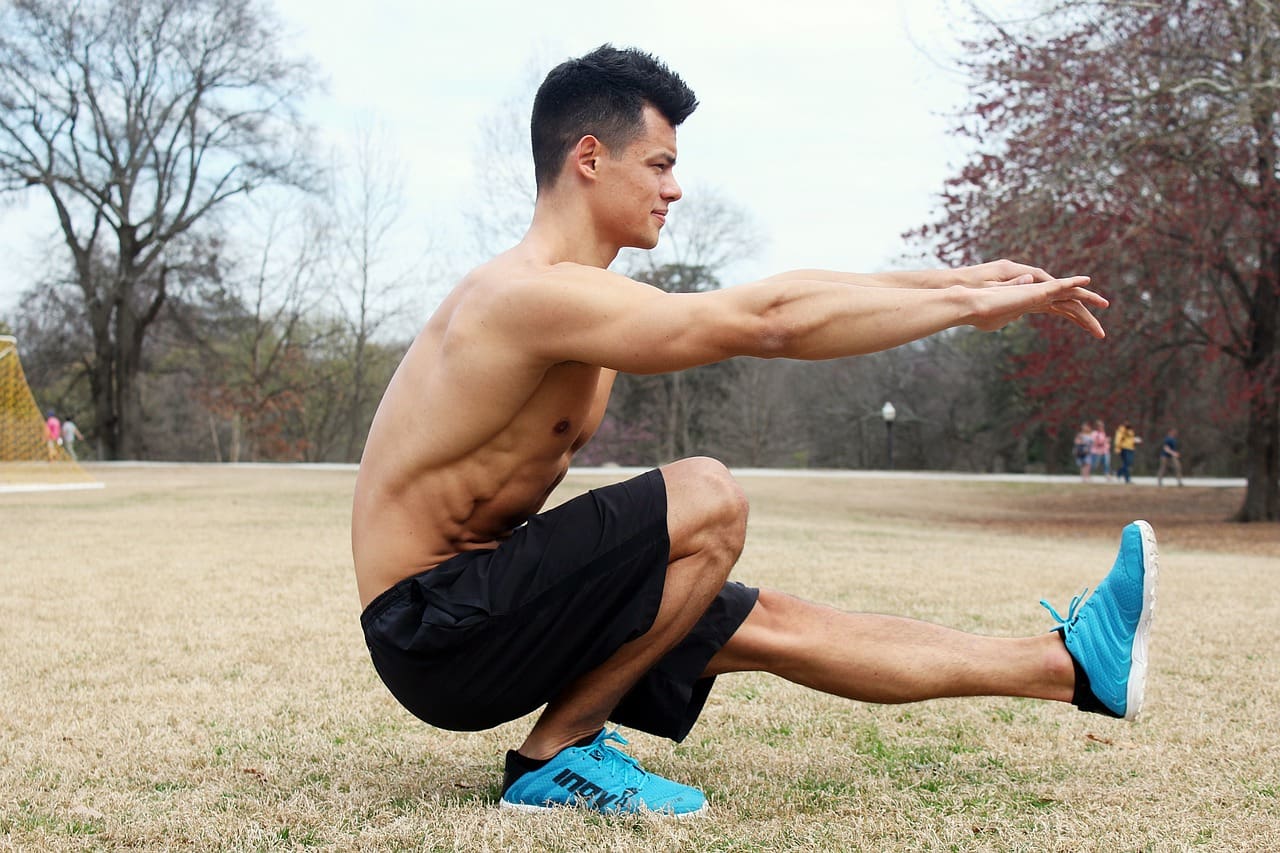
Arm Stretches
Tricep stretch
The tricep stretch targets the muscles in the back of your upper arm. Stand up straight and extend one arm overhead. Bend your elbow and place your hand behind your head, allowing your forearm to hang down your back. Use your other hand to gently pull your elbow towards your head, feeling the stretch in your tricep. Hold this position for 15-30 seconds, then repeat on the other arm. This stretch can help improve flexibility in the triceps and reduce the risk of elbow injuries.
Bicep stretch
The bicep stretch stretches the muscles in the front of your upper arm. Stand up straight and extend one arm in front of you, with your palm facing up. Use your other hand to gently pull your fingers back towards your body, feeling the stretch in your bicep. Hold this position for 15-30 seconds, then repeat on the other arm. This stretch can help improve flexibility in the biceps and reduce the risk of elbow and shoulder injuries.
Wrist flexor stretch
The wrist flexor stretch targets the muscles in your forearms and wrists. Start by extending one arm in front of you with your palm facing up. Use your other hand to gently bend your wrist, pointing your fingers towards the floor. Feel the stretch in your forearm. Hold this position for 15-30 seconds, then repeat on the other arm. This stretch can help improve wrist flexibility and reduce the risk of wrist and forearm injuries.
Hip Stretches
Hip flexor stretch
The hip flexor stretch targets the muscles in the front of your hips. Start by kneeling on the floor with one knee bent and the other leg extended behind you. Keeping your back straight, gently lean forward into the stretch, feeling the stretch in the front of your hip. Hold this position for 15-30 seconds, then switch to the other leg. This stretch can help relieve tightness in the hips and improve hip flexibility.
Butterfly stretch
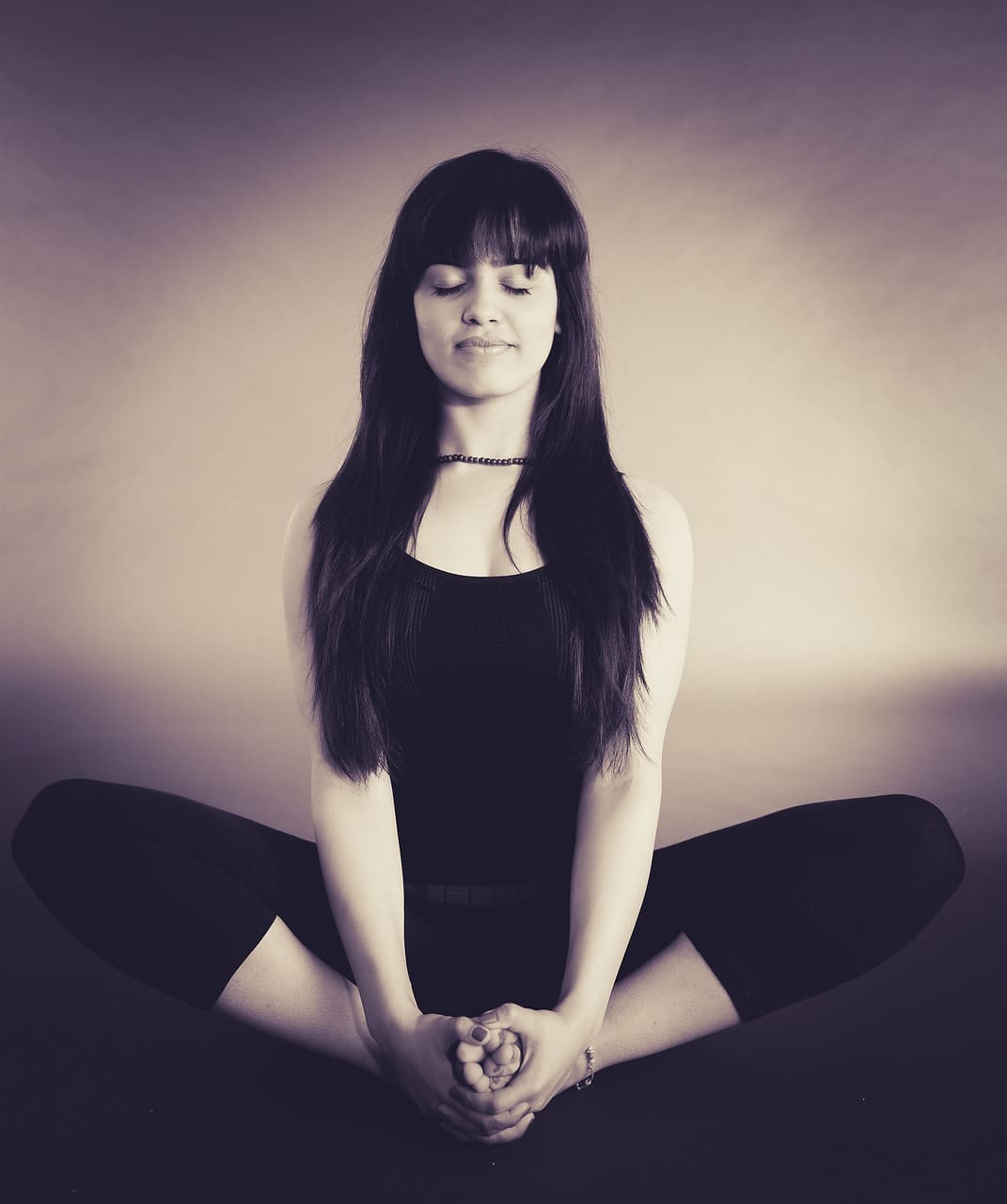
The butterfly stretch is a great way to stretch the muscles in your inner thighs and hips. Sit on the floor with your knees bent and the soles of your feet touching each other. Gently press your knees down towards the floor, feeling the stretch in your inner thighs. Hold this position for 15-30 seconds. This stretch can help improve hip mobility and reduce the risk of hip injuries.
Pigeon pose
Pigeon pose is a deep stretch that targets the muscles in your hips and glutes. Start in a high plank position, then bring your right knee forward and place it behind your right wrist. Extend your left leg behind you, keeping your hips square. Slowly lower your upper body towards the ground, feeling the stretch in your right glute and hip. Hold this position for 15-30 seconds, then repeat on the other side. Pigeon pose can help alleviate tightness in the hips and improve hip flexibility.
Leg Stretches
Hamstring stretch
The hamstring stretch targets the muscles in the back of your thighs. Start by sitting on the floor with your legs extended in front of you. Slowly reach forward, bending at the hips and keeping your back straight. Feel the stretch in the back of your thighs. Hold this position for 15-30 seconds. This stretch can help improve hamstring flexibility and reduce the risk of hamstring strains.
Calf stretch
The calf stretch is a simple stretch that targets the muscles in the back of your lower legs. Stand facing a wall or sturdy object, like the back of a chair. Place your hands on the wall and step one foot back, keeping your heel on the ground and toes pointing forward. Lean forward, feeling the stretch in your calf. Hold this position for 15-30 seconds, then switch to the other leg. This stretch can help improve calf flexibility and reduce the risk of calf injuries.
Quad stretch
The quad stretch is essential for stretching the muscles in the front of your thighs. Stand up straight and grab your right ankle with your right hand. Gently pull your heel towards your glutes, feeling the stretch in your quadriceps. Hold this position for 15-30 seconds, then repeat on the other leg. This stretch can help improve quad flexibility and reduce the risk of quad strains.
Knee Stretches
Standing quadriceps stretch
The standing quadriceps stretch targets the muscles in the front of your thighs. Stand up straight and grab your right ankle with your right hand. Gently pull your heel towards your glutes, feeling the stretch in your quadriceps. Hold this position for 15-30 seconds, then repeat on the other leg. This stretch can help improve quad flexibility and reduce the risk of quad strains.
Seated knee hug
The seated knee hug is a simple stretch to relieve tension in the knees and stretch the muscles around the knee joint. Sit on the floor with your legs extended in front of you. Bend your right knee and hug it towards your chest, feeling the stretch in your glutes and the front of your thigh. Hold this position for 15-30 seconds, then repeat on the other leg. This stretch can help improve flexibility and reduce the risk of knee injuries.
Lying hamstring stretch
The lying hamstring stretch is a great stretch to target the muscles in the back of your thighs. Lie on your back with your legs extended in front of you. Bend your right knee and gently pull it towards your chest, feeling the stretch in your hamstring. Hold this position for 15-30 seconds, then repeat on the other leg. This stretch can help improve hamstring flexibility and reduce the risk of hamstring strains.
Ankle Stretches
Ankle circles
Ankle circles are a simple exercise to improve ankle mobility and relieve tension in the ankles. Sit on the floor with your legs extended in front of you. Lift one foot off the ground and rotate your ankle in circular motions, first in one direction and then in the other direction. Repeat this motion for 10-15 times, then switch to the other ankle. Ankle circles can help improve ankle flexibility and reduce the risk of ankle sprains.
Toe stretches
Toe stretches are beneficial for improving flexibility in the toes and relieving tension in the feet. Sit on a chair and extend one leg in front of you. Place a towel or a resistance band around the ball of your foot and gently pull it towards you, feeling the stretch in your toes. Hold this position for 15-30 seconds, then repeat on the other foot. This stretch can help improve toe flexibility and reduce the risk of toe injuries.
Plantar fascia stretch
The plantar fascia stretch is specifically designed to target the plantar fascia, which is the thick band of tissue that runs along the bottom of your foot. Sit on a chair and extend one leg in front of you. Use your hand to pull your toes towards you, stretching the bottom of your foot. Hold this position for 15-30 seconds, then repeat on the other foot. This stretch can help reduce the risk of plantar fasciitis and alleviate foot pain.
Full Body Stretches
Standing forward bend
The standing forward bend is a full body stretch that targets the muscles in the back, hamstrings, and calves. Stand with your feet hip-width apart. Slowly bend forward at the hips, reaching towards your toes or the floor. Let your head and neck relax, allowing gravity to deepen the stretch. Hold this position for 30-60 seconds, focusing on releasing tension throughout your body. The standing forward bend can help improve flexibility and reduce the risk of back and leg injuries.
Downward-facing dog
Downward-facing dog is a popular yoga pose that stretches and lengthens many muscles in the body, including the hamstrings, calves, shoulders, and back. Begin on your hands and knees, then lift your hips up towards the ceiling, forming an inverted V-shape with your body. Press your heels towards the floor and reach your tailbone towards the ceiling. Hold this position for 30-60 seconds, focusing on deep breaths and relaxation. Downward-facing dog can help improve overall body flexibility and reduce the risk of injuries.
Cobra stretch
The cobra stretch targets the muscles in the back and chest, and it also helps improve posture and alleviate back pain. Start by lying face down on the floor with your legs extended behind you. Place your hands on the floor next to your shoulders, and slowly lift your upper body off the ground, keeping your hips and legs on the floor. Arch your back gently, looking up towards the ceiling. Hold this position for 15-30 seconds, then slowly lower your body back down. The cobra stretch can help improve spinal mobility and reduce muscle tightness in the back and chest.
Incorporating these top 10 pre-workout stretches into your exercise routine can significantly reduce the risk of injuries and enhance your overall workout experience. Remember to always warm up before stretching and perform each stretch with proper form and technique. Start slowly and gradually increase the intensity and duration of your stretches over time. Adding stretching exercises to your pre-workout routine is a crucial step towards maintaining flexibility, improving mobility, and preventing injuries. So, take care of your body, stretch it out, and enjoy a safe and effective workout every time!