
If you’re looking to increase your flexibility, stretching is one of the best ways to achieve your goals. Whether you’re an athlete trying to enhance your performance or simply looking to keep your muscles limber, incorporating stretching exercises into your routine can do wonders for your flexibility. In this article, we’ll explore some effective techniques and tips on how to improve your flexibility through stretching. So, grab your yoga mat and get ready to loosen up those tight muscles!
Understanding the Basics of Stretching
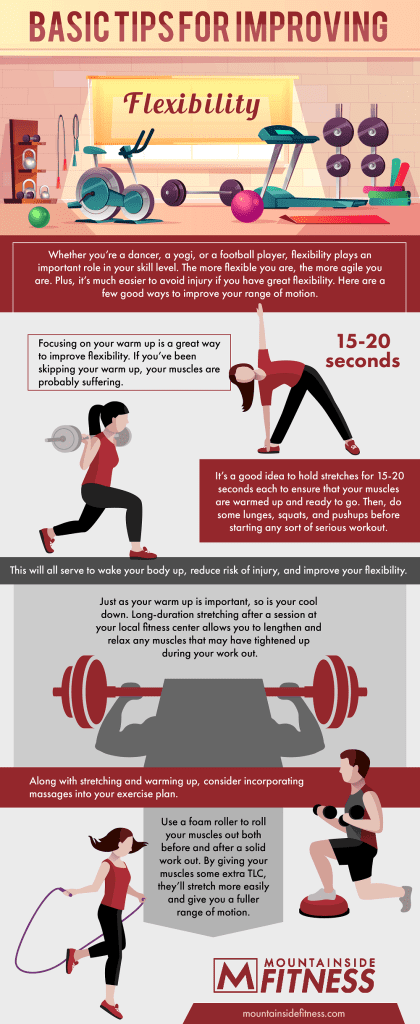
Stretching is an essential component of maintaining and improving flexibility. It involves gently elongating the muscles and tendons, allowing for increased range of motion and improved joint mobility. Flexibility is crucial for performing daily activities with ease, as well as for participating in various physical activities, such as sports, yoga, and dance. By incorporating stretching into your routine, you can enhance your overall physical performance and reduce the risk of injuries.
Why stretching is important for flexibility
Stretching plays a vital role in improving flexibility by increasing muscle elasticity and length. When you stretch regularly, you help to maintain the optimal length-tension relationship of your muscles, which allows them to function efficiently. Additionally, stretching improves the flexibility of the connective tissues, such as tendons and ligaments, which surround and support the joints. This not only enables better joint range of motion but also reduces the likelihood of joint-related injuries.
Different types of stretches
There are various types of stretches that target different muscle groups and joint movements. Understanding these different stretching techniques can help you design a well-rounded stretching routine. The four main types of stretches include:
1. Static stretching:
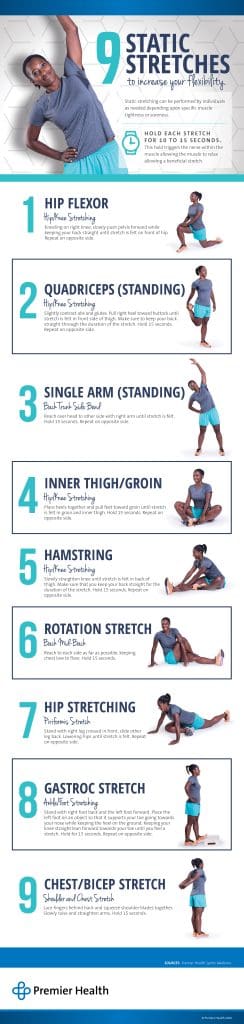
Static stretching involves holding a stretch position for a prolonged period, typically between 15 to 60 seconds. It helps to lengthen the muscles gradually and relaxes them to increase flexibility over time.
2. Dynamic stretching:
Dynamic stretching involves moving your body through a specific range of motion while actively stretching the muscles. It helps to warm up the muscles and prepare them for dynamic movements, making it particularly beneficial before physical activities.
3. PNF stretching:
PNF (Proprioceptive Neuromuscular Facilitation) stretching involves a combination of contraction and relaxation phases. It utilizes the body’s natural reflexes to achieve a deeper stretch. This technique is often done with a partner and is known to be highly effective in improving flexibility.
4. Ballistic stretching:
Ballistic stretching involves using repetitive bouncing or jerking movements to stretch the muscles beyond their normal range of motion. While it can be effective for certain individuals, it should be approached with caution as it carries a higher risk of injury compared to other stretching techniques.
The benefits of regular stretching
Incorporating regular stretching into your routine offers numerous benefits for both your physical and mental well-being. Here are some of the key advantages of making stretching a regular habit:
-
Improved flexibility and range of motion: Regular stretching helps to lengthen and loosen muscles, tendons, and ligaments, allowing for better flexibility and increased range of motion.
-
Enhanced athletic performance: By improving flexibility, stretching can enhance your athletic performance by optimizing your body’s ability to move efficiently and effectively.
-
Reduced muscle soreness: Stretching after exercise can alleviate muscle soreness by promoting blood flow to the muscles and minimizing the buildup of lactic acid.
-
Prevention of injuries: Maintaining a good level of flexibility through stretching helps to prevent muscle strains, joint sprains, and other injuries by improving the overall resilience and adaptability of your musculoskeletal system.
-
Improved posture and alignment: Regular stretching can help correct postural imbalances and improve alignment, leading to better overall posture and reduced strain on the muscles and joints.
-
Stress relief and relaxation: Stretching provides an opportunity to focus on your body and mind, promoting relaxation and reducing stress levels.
-
Improved circulation: The stretching movements stimulate blood flow to the muscles and tissues, enhancing circulation and nutrient delivery throughout the body.
-
Increased energy levels: Stretching boosts blood circulation and oxygen flow, leading to increased energy levels and improved vitality.
-
Better coordination and balance: Flexibility gained through stretching enhances coordination and balance, making everyday movements and physical activities more fluid and controlled.
By understanding the importance of stretching, different stretching techniques, and the benefits associated with regular stretching, you can effectively incorporate stretching into your daily routine and improve your overall flexibility.
Preparing for Stretching
Before diving into your stretching routine, it’s important to properly prepare your body to get the most out of your stretches. Here are some key factors to consider:
1. Warming up before stretching
Warming up your body before stretching is crucial to prepare the muscles for increased activity and to reduce the risk of injury. Engaging in light aerobic exercises, such as jogging or cycling, for approximately 5-10 minutes can help raise your body temperature and increase blood flow to the muscles. This, in turn, enhances muscle elasticity and makes them more responsive to stretching.
2. Choosing the right clothing and environment
Selecting comfortable and non-restrictive clothing is essential for ease of movement during stretching. Opt for flexible and breathable materials that won’t impede your range of motion. Additionally, choose a well-ventilated environment with adequate lighting, as this can help create a relaxed and focused atmosphere for your stretching routine.
3. Using proper equipment
Incorporating the right equipment or props can greatly enhance your stretching experience. Foam rollers, resistance bands, and yoga blocks are some commonly used tools that can assist with specific stretches. These aids can provide support, increase the effectiveness of the stretches, and help target specific muscle groups or areas of tightness.
Stretching Techniques
There are several stretching techniques you can incorporate into your routine to effectively improve flexibility. It is important to understand these techniques to ensure you are utilizing the most suitable stretches for your goals and needs. The four primary stretching techniques are:
1. Static stretching
Static stretching involves holding a stretch in a fixed position without any movement. This technique is ideal for improving flexibility and is often performed after a workout when the muscles are warm. By holding a static stretch for a specific amount of time, usually 15-60 seconds, you allow the muscles to gradually elongate, leading to increased flexibility over time.
2. Dynamic stretching
Dynamic stretching involves actively moving through a range of motion in a controlled and deliberate manner. Unlike static stretching, dynamic stretching focuses on stretching and activating multiple muscle groups simultaneously. This technique is commonly used as part of a warm-up routine before engaging in physical activities, as it helps to increase blood flow, loosen up the muscles, and enhance overall athletic performance.
3. PNF stretching
PNF (Proprioceptive Neuromuscular Facilitation) stretching is a technique that combines stretching and contracting muscles. It is often performed with the help of a partner or using specialized equipment. The basic principle of PNF stretching involves stretching a muscle, contracting it against resistance, and then stretching it again to achieve a greater range of motion. This technique can be highly effective in improving flexibility and range of motion.
4. Ballistic stretching
Ballistic stretching involves using bouncing or jerking movements to stretch the muscles beyond their normal range of motion. This technique is characterized by rapid and forceful movements and is typically performed with momentum. It is important to note that ballistic stretching carries a higher risk of injury compared to other techniques due to the abrupt and uncontrolled nature of the movements. Therefore, it is recommended to avoid ballistic stretching unless under the guidance of a qualified professional.
Creating a Stretching Routine
Creating a stretching routine that suits your specific goals and needs is essential for optimizing your flexibility gains. Here are some key steps to consider when creating your stretching routine:
1. Setting goals and objectives
Decide what your specific goals are for stretching. Do you want to improve overall flexibility, target specific muscle groups, or enhance performance in a particular activity? Setting clear goals and objectives will help you stay motivated and focused during your stretching routine.
2. Determining the frequency and duration of stretching
Consider how often you will incorporate stretching into your routine and how long each session will be. Stretching at least 2-3 times per week is generally recommended to maintain and improve flexibility. The duration of each stretching session will vary depending on the type of stretches and your individual needs, but aim for at least 10-15 minutes per session.
3. Selecting specific stretches for different muscle groups
Identify the muscle groups that you want to target and select stretches that effectively stretch and elongate those muscles. It is important to include stretches for all major muscle groups to maintain a balanced flexibility throughout your body. Flexibility guides and online resources can provide a wide range of stretches for various muscle groups and specific activities.
By setting clear goals, determining the frequency and duration of your stretching sessions, and selecting appropriate stretches, you can create a stretching routine that suits your needs and helps you achieve your flexibility goals.
Proper Stretching Form
Maintaining good posture and alignment during stretches is crucial to ensure safe and effective stretching. Proper form helps target the intended muscles and reduces the risk of strain or injury. Here are some key considerations to keep in mind when performing stretches:
1. Maintaining good posture and alignment during stretches
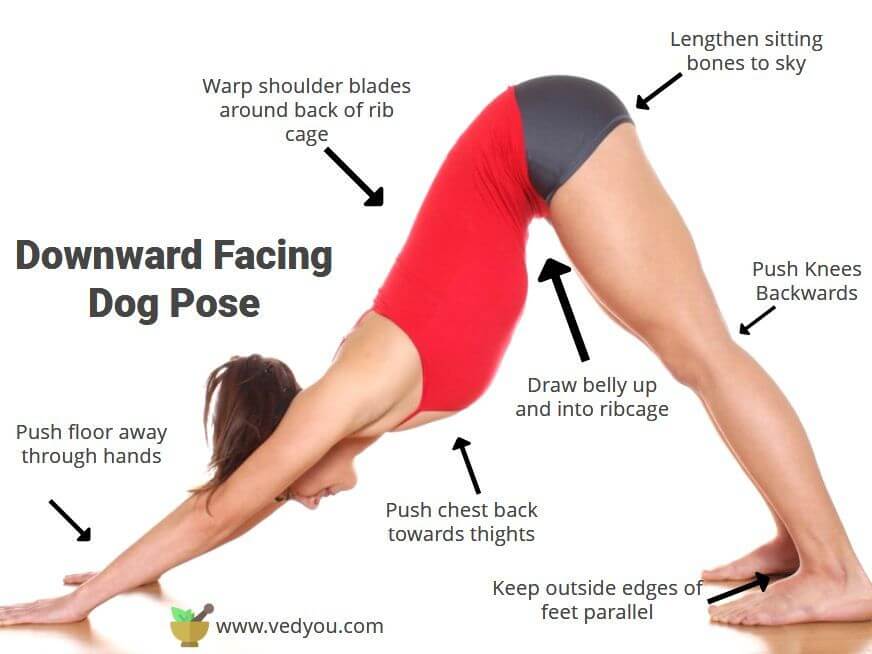
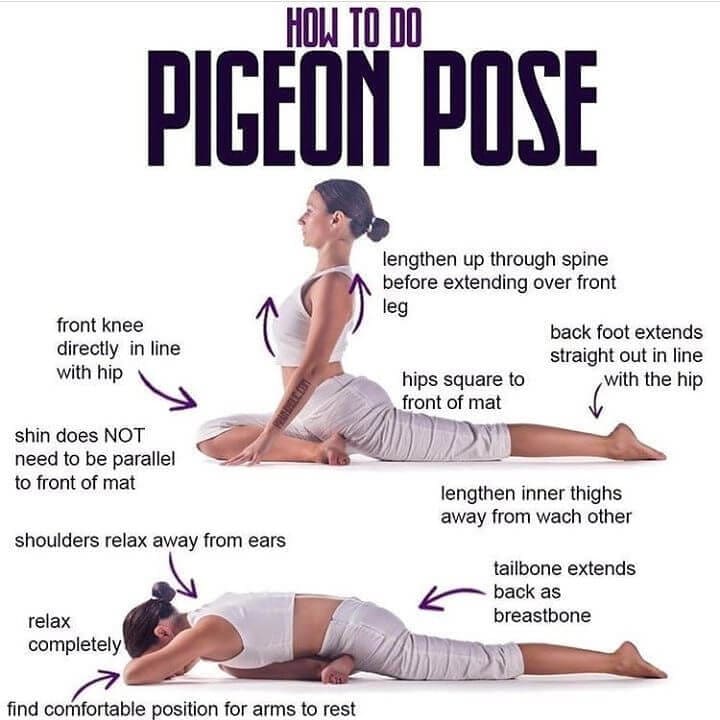
Focus on keeping your spine neutral and your body properly aligned throughout each stretch. Avoid slouching or arching your back, as this can strain the muscles and put unnecessary stress on the joints. Engage your core muscles for stability and support, and keep your shoulders relaxed and away from the ears.
2. Avoiding common stretching mistakes
Be mindful of common mistakes that can compromise your stretching form. Avoid bouncing or forcing your body into a stretch, as this can lead to muscle strains. Instead, aim for smooth and controlled movements. Additionally, ensure that you are breathing deeply and slowly throughout each stretch to promote relaxation and oxygen flow to the muscles.
3. Using proper breathing techniques
Breathing is an essential component of effective stretching. Focus on taking deep breaths, inhaling through the nose and exhaling through the mouth, to promote relaxation and oxygenation of the muscles. Sync your breath with each stretch and aim to exhale as you deepen into the stretch, allowing for increased muscle relaxation and elongation.
By maintaining proper stretching form, avoiding common mistakes, and utilizing proper breathing techniques, you can maximize the benefits of your stretching routine and minimize the risk of injury.
Effective Stretching Exercises
There are specific stretches that target different muscle groups and areas of the body. Incorporating a variety of stretching exercises into your routine ensures that you are addressing all major muscle groups and achieving balanced flexibility. Here are some key stretches for different areas of the body:
1. Neck stretches
Neck stretches help to relieve tension and improve flexibility in the neck muscles. Examples of neck stretches include gently tilting your head to each side, rotating your head in a circular motion, and gently pulling your head towards each shoulder.
2. Shoulder and arm stretches
Shoulder and arm stretches aim to improve flexibility and mobility in the upper body. These stretches include shoulder rolls, triceps stretches, and arm crossovers.
3. Back stretches
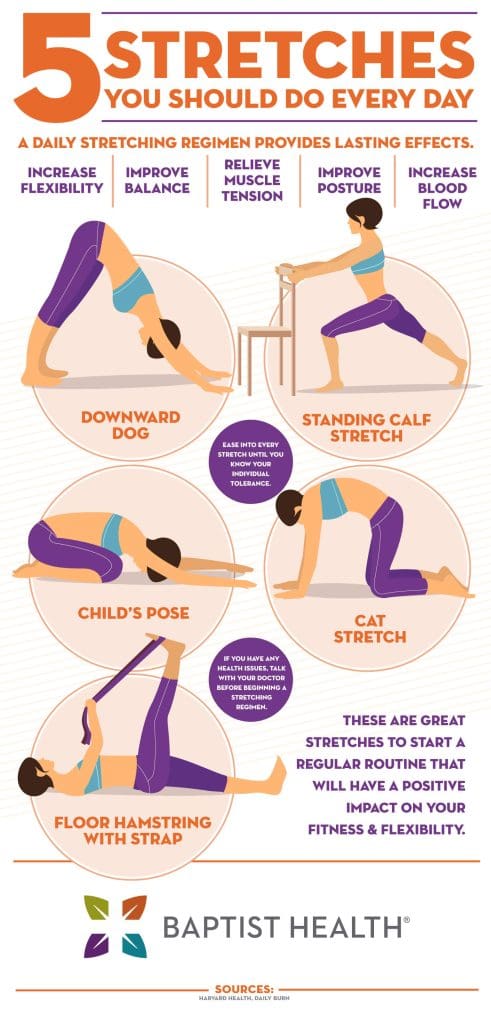
Back stretches target the muscles of the back and help relieve tension and improve flexibility in this area. Examples of back stretches include the cat-camel stretch, child’s pose, and seated spinal twists.
4. Leg and hip stretches
Leg and hip stretches are crucial for improving lower body flexibility and mobility. These stretches include hamstring stretches, quadriceps stretches, and hip flexor stretches.
5. Calf and ankle stretches
Calf and ankle stretches help improve flexibility and prevent stiffness in the lower legs. Examples of these stretches include calf raises, heel-to-toe walks, and ankle circles.
Incorporating these stretching exercises into your routine will effectively target different muscle groups and areas of the body, helping you achieve overall improved flexibility.
Stretching for Specific Activities
While stretching in general provides numerous benefits, there are certain considerations and specific stretches that can be beneficial for different activities. Here are some examples:
1. Pre-workout stretching
Dynamic stretching is particularly beneficial before a workout or physical activity. It helps warm up the muscles, increase blood flow, and prepare the body for the specific movements involved in the activity. Examples of pre-workout stretches include leg swings, arm circles, and walking lunges.
2. Post-workout stretching
Static stretching is commonly performed after a workout to help cool down the muscles, reduce muscle soreness, and promote recovery. Focus on stretching the major muscle groups that were engaged during the workout, holding each stretch for around 30 seconds.
3. Stretching for runners
Runners can benefit from specific stretches that target the muscles involved in running, such as the calves, hip flexors, and quadriceps. Incorporating dynamic stretches, such as high knees and walking lunges, can also be helpful before a run to warm up the body.
4. Stretching for dancers
Dancers often require a high level of flexibility. Stretches that prioritize the muscles involved in dance movements, such as the hamstrings, hip flexors, and back muscles, are particularly beneficial. Additionally, PNF stretching can be effective in achieving the deep stretches needed for dance.
5. Stretching for flexibility in sports
Different sports require different levels of flexibility and target different muscle groups. It is important to tailor your stretches to the specific requirements of your chosen sport. For example, gymnasts may focus on stretches that target the entire body and emphasize splits and backbends, while swimmers may prioritize stretches that improve shoulder mobility and hip flexibility.
By understanding the specific stretching needs of your chosen activities, you can incorporate stretches that are tailored to enhance your performance and prevent injuries associated with those activities.
Safety and Precautions
While stretching offers numerous benefits, it is important to approach it safely and cautiously. Consider the following safety and precautionary measures:
1. Understanding your body’s limitations
Respect your body’s limitations and avoid pushing yourself beyond what feels comfortable. Understand that each individual has different flexibility levels, and progress should be gradual and within your personal capacity.
2. Listening to your body’s signals
Pay attention to your body’s signals and respond accordingly. If a stretch feels painful or uncomfortable, ease off or modify the stretch. Do not force a stretch or push through intense pain, as this can lead to injury.
3. Avoiding overstretching and injury
While it is important to challenge and elongate the muscles during stretching, overstretching can be counterproductive and increase the risk of injury. Gradually progress in your stretches and avoid aggressive or forceful movements.
4. Consulting with a healthcare professional
If you have any pre-existing medical conditions or injuries, or if you are new to stretching, it is advisable to consult with a healthcare professional or a qualified physiotherapist. They can provide personalized guidance and ensure that you are performing stretches that are safe and appropriate for your individual needs.
5. Modifying stretches for individuals with injuries or conditions
If you have an existing injury or medical condition, it may be necessary to modify stretches to accommodate your specific needs. A healthcare professional or physical therapist can provide guidance on suitable modifications or alternative stretches that will facilitate your stretching routine while mitigating any potential risks.
By prioritizing safety, listening to your body, and seeking professional advice when necessary, you can enjoy the benefits of stretching while minimizing the risk of injury or strain.
Incorporating Other Flexibility-Building Practices
In addition to stretching, there are other practices that can complement and enhance your flexibility journey. Consider incorporating the following practices into your routine:
1. Yoga for flexibility
Yoga combines stretching, strength-building, and mindfulness, making it an excellent practice for improving flexibility. Regular yoga sessions can help lengthen and strengthen muscles, improve balance, and promote overall mind-body connection.
2. Pilates for flexibility
Pilates focuses on core strength, stability, and flexibility. It utilizes specific exercises and equipment to target and elongate muscles, particularly in the core, back, and limbs. Incorporating Pilates into your routine can provide numerous benefits for flexibility and overall body strength.
3. Foam rolling for muscle release
Foam rolling, also known as self-myofascial release, involves using a foam roller to apply pressure to specific areas of the body. This practice helps release muscle tension, increase blood flow, and improve muscle flexibility and mobility. Foam rolling can be particularly beneficial for relieving muscle soreness and tightness.
4. Stretching with a partner or using props
Incorporating a partner or props, such as resistance bands or yoga blocks, can enhance your stretching experience. A partner can assist with certain stretches, providing gentle pressure or support, while props can help deepen stretches or target specific muscle groups more effectively.
By exploring these additional flexibility-building practices, you can diversify your routine, challenge your body in different ways, and achieve well-rounded improvements in flexibility.
Tracking Progress and Staying Consistent
To effectively improve flexibility through stretching, it is important to track your progress and maintain consistency in your routine. Here are some helpful strategies to consider:
1. Keeping a stretching journal
Maintaining a stretching journal can be a helpful way to track your progress, set goals, and stay accountable. Note down the stretches you perform, the duration of each stretch, and any observations or improvements you notice over time. Reflecting on your progress can provide motivation and help you identify areas for further improvement.
2. Using technology and apps for tracking
Several smartphone apps and fitness trackers are available that can help track your stretching sessions and overall flexibility progress. These tools provide reminders, track duration and frequency of your stretches, and offer personalized flexibility programs. Explore different options to find an app or tracker that suits your goals and preferences.
3. Maintaining a regular stretching schedule
Consistency is key when it comes to improving flexibility. Make stretching a regular part of your routine by scheduling dedicated stretching sessions throughout the week. Consider setting reminders or incorporating stretching breaks into your daily activities to ensure that stretching becomes a habit.
By tracking your progress, utilizing technology, and maintaining a regular stretching schedule, you can stay motivated, measure your improvements, and ensure that stretching becomes an integral part of your lifestyle.
In conclusion, understanding the basics of stretching, preparing your body for stretching, utilizing proper stretching techniques, creating a stretching routine, maintaining proper stretching form, incorporating effective stretching exercises, and considering specific stretching needs for different activities are all essential components of improving flexibility through stretching. By following safety precautions, incorporating other flexibility-building practices, tracking progress, and maintaining consistency, you can embark on a journey of enhanced flexibility, improved physical performance, and overall well-being. So, start stretching today and unlock the potential of your body!