
In your journey towards optimal health, exploring the world of superfoods is an excellent place to start. These nutritional powerhouses, packed with essential vitamins, minerals, and antioxidants, have gained immense popularity for their ability to support preventive health. From vibrant berries bursting with immunity-boosting properties to nutrient-rich leafy greens, these superfoods offer a delicious and convenient way to nourish your body. Whether you’re seeking to strengthen your immune system or enhance your overall well-being, incorporating these most popular superfoods into your daily diet can be a game-changer in your quest for a healthier lifestyle.

Berries
Blueberries
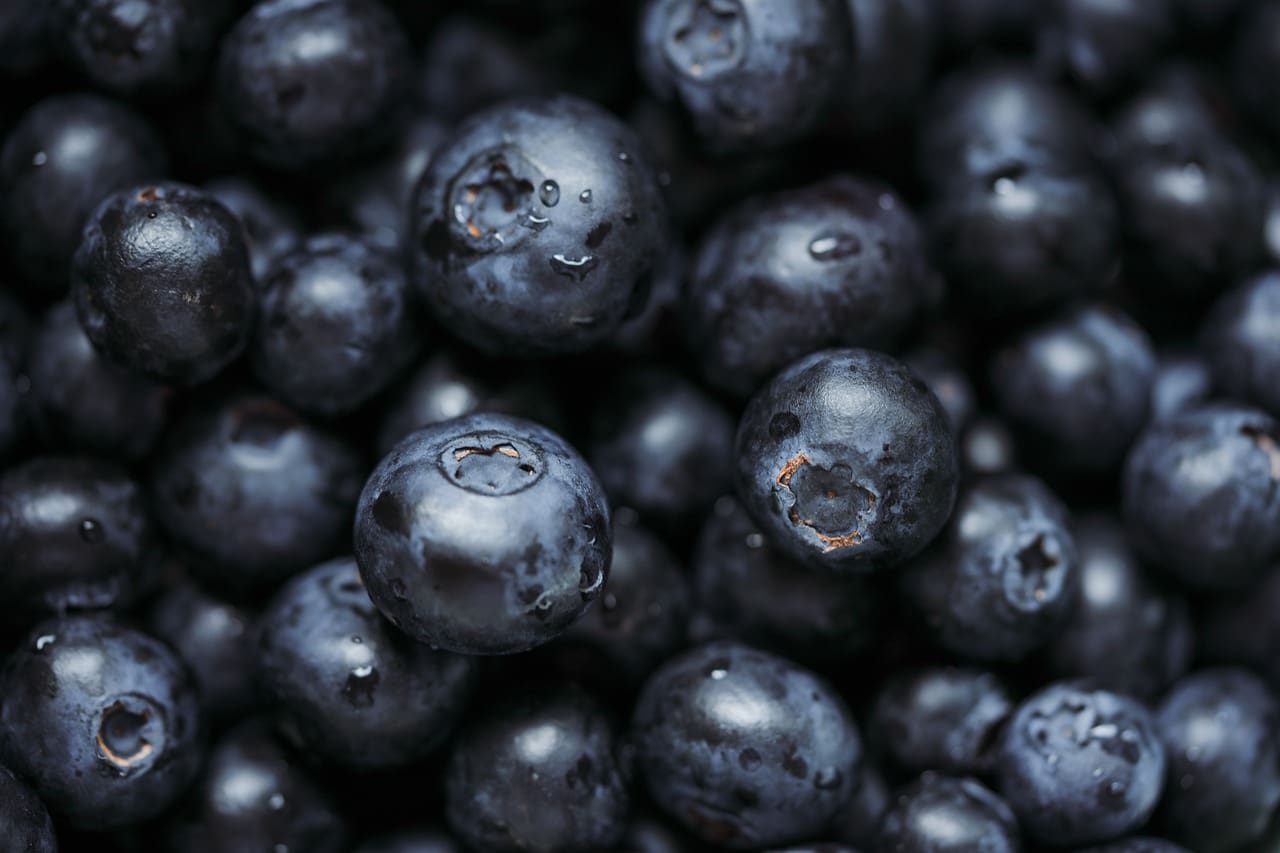
Blueberries are a delicious and nutritious superfood that provides numerous health benefits. Packed with essential vitamins and minerals, blueberries are the perfect addition to your diet. These small but mighty berries are rich in antioxidants, which help protect your body from damage caused by harmful free radicals. Additionally, blueberries have been shown to improve brain function and memory, making them an excellent choice for maintaining cognitive health.
Strawberries
Strawberries are not only a sweet and juicy treat but also a powerful superfood. Loaded with vitamin C and antioxidants, strawberries are a great choice for boosting your immune system. These vibrant red berries also contain flavonoids and phenolic compounds, which have anti-inflammatory properties that can reduce the risk of chronic diseases such as heart disease and cancer. Including strawberries in your diet is an easy and delicious way to prioritize your health.
Raspberries
Raspberries are a delicious and versatile superfood that can be enjoyed in a variety of ways. These vibrant red berries are rich in fiber, antioxidants, and essential vitamins and minerals. The high fiber content in raspberries promotes healthy digestion and can help prevent constipation. Additionally, raspberries are low in calories and high in water content, making them a perfect choice for weight management. Including raspberries in your diet can provide a range of health benefits and add a burst of flavor to your meals and snacks.
Leafy Greens
Spinach
Spinach is a leafy green powerhouse that deserves a prominent place in your diet. This nutrient-dense superfood is packed with vitamins A, C, K, and folate, as well as minerals like iron and calcium. Spinach is also an excellent source of dietary fiber, which aids in digestion and promotes a healthy gut. Including spinach in your meals can help boost your immune system, support bone health, and improve cardiovascular health. Whether it’s in a salad, smoothie, or sautéed with other vegetables, incorporating spinach into your diet is a simple way to enhance your overall health.
Kale
Kale has gained popularity in recent years as one of the healthiest leafy greens available. This cruciferous vegetable is jam-packed with vitamins, minerals, and antioxidants. Kale is particularly rich in vitamin K, which is essential for blood clotting and bone health. It also contains significant amounts of vitamin A and vitamin C, which support immune function and promote healthy skin. The high fiber content in kale assists with digestion and can contribute to weight management. Adding kale to your diet can deliver a wide range of health benefits and enhance your overall well-being.
Swiss Chard
Swiss chard is a vibrant and nutritious leafy green vegetable that is often overlooked. Packed with vitamins A, C, and K, as well as minerals like magnesium and potassium, Swiss chard offers an array of health benefits. This superfood is rich in antioxidants, which help protect your cells from damage and reduce the risk of chronic diseases. Swiss chard has also been shown to have anti-inflammatory properties and can support heart health. Including Swiss chard in your meals can add flavor, color, and a healthy dose of nutrients to your diet.
Cruciferous Vegetables
Broccoli
Broccoli is a versatile and nutrient-dense cruciferous vegetable that offers a range of health benefits. Packed with vitamins A, C, and K, as well as fiber, broccoli is a powerhouse of nutrition. The high vitamin C content in broccoli supports immune function and promotes collagen production for healthy skin. This superfood also contains sulforaphane, a compound that has been shown to have anti-cancer properties. Whether steamed, roasted, or added to stir-fries, incorporating broccoli into your meals is a simple way to enhance your health.
Cauliflower
Cauliflower is a low-calorie and nutrient-rich cruciferous vegetable that deserves a place on your plate. With its mild and versatile flavor, cauliflower can be used in a variety of dishes as a healthier alternative to traditional starchy ingredients. This superfood is rich in vitamins C and K, as well as folate and fiber. Cauliflower is also packed with antioxidants, which help protect your cells from damage and reduce the risk of chronic diseases. From cauliflower rice to roasted cauliflower florets, there are endless possibilities for incorporating this nutritious vegetable into your diet.
Brussels Sprouts
Brussels sprouts may have a bad reputation among picky eaters, but they are a nutrient-dense and delicious superfood. Packed with vitamins C and K, as well as fiber, Brussels sprouts offer an array of health benefits. They also contain compounds called glucosinolates, which have been shown to have anti-cancer properties. Brussels sprouts are a versatile vegetable that can be roasted, sautéed, or even shaved into salads. Don’t let their small size fool you – including Brussels sprouts in your meals can have a big impact on your health.
Nuts and Seeds
Almonds
Almonds are a popular and nutritious superfood that can be enjoyed as a snack or added to various dishes. These crunchy nuts are a great source of healthy fats, protein, and fiber. Almonds are also packed with vitamin E, which acts as an antioxidant and helps protect your cells from damage. Additionally, almonds are rich in magnesium, which promotes healthy blood pressure and plays a crucial role in maintaining overall heart health. Snacking on almonds or adding them to your meals can provide a satisfying and nutritious boost to your diet.
Walnuts
Walnuts are not only delicious but also incredibly nutritious. These brain-shaped nuts are a rich source of omega-3 fatty acids, which are essential for brain health and have been shown to reduce inflammation. Walnuts are also packed with antioxidants, which help protect your cells from damage and reduce the risk of chronic diseases. Additionally, walnuts contain melatonin, a hormone that regulates sleep. Adding walnuts to your diet can provide a range of health benefits, from improved brain function to enhanced heart health.
Chia Seeds
Chia seeds may be tiny, but they pack a powerful nutritional punch. These versatile seeds are loaded with fiber, protein, and healthy fats, making them an excellent addition to any diet. Chia seeds are also a great source of omega-3 fatty acids, which can help reduce inflammation and improve heart health. Additionally, they are high in antioxidants, which can protect against cell damage and oxidative stress. Chia seeds can be soaked in liquid to create a gel-like consistency or sprinkled on top of yogurt, smoothies, or salads for an added nutritional boost.
Legumes
Black Beans
Black beans are an affordable and versatile legume that offers an array of health benefits. Packed with protein, fiber, and various vitamins and minerals, black beans are a nutritious addition to any meal. The high fiber content in black beans promotes healthy digestion and can help regulate blood sugar levels. Additionally, black beans are a great source of plant-based protein, making them an excellent option for vegetarians and vegans. From soups and stews to salads and tacos, black beans can be incorporated into a wide range of dishes to enhance both their taste and nutritional value.
Chickpeas
Chickpeas, also known as garbanzo beans, are a nutrient-dense legume that has been enjoyed for centuries. These versatile beans are a great source of plant-based protein, fiber, and various vitamins and minerals. Chickpeas are particularly rich in folate and iron, which are essential for red blood cell production and overall energy levels. They are also packed with antioxidants, which help reduce inflammation and protect against chronic diseases. Whether roasted, blended into hummus, or added to salads and curries, chickpeas are a delicious and nutritious addition to your diet.
Lentils
Lentils are a nutritional powerhouse that deserves a place in your pantry. These small legumes are high in fiber, protein, and various vitamins and minerals. Lentils are also a great source of folate, which is essential for fetal development and red blood cell production. They are also rich in iron, magnesium, and potassium, which support overall heart health and promote healthy digestion. Lentils are incredibly versatile and can be added to a wide range of dishes, from soups and stews to salads and grain bowls. Including lentils in your meals can provide a satisfying and nutritious boost to your diet.
Whole Grains
Quinoa
Quinoa is a nutrient-dense whole grain that is not only delicious but also incredibly versatile. Packed with protein, fiber, and various vitamins and minerals, quinoa is an excellent choice for those following a vegetarian or vegan diet. Quinoa is particularly rich in manganese, magnesium, and phosphorus, which support healthy bones and enhance overall energy levels. It is also gluten-free, making it suitable for individuals with gluten sensitivities. From salads and stir-fries to porridges and baked goods, quinoa can be used in countless ways to add a nutritious punch to your meals.
Brown Rice
Brown rice is a whole grain that has gained popularity as a healthier alternative to white rice. Unlike white rice, brown rice retains its bran and germ, making it a more nutrient-dense option. Packed with fiber, vitamins, and minerals, brown rice offers a range of health benefits. The high fiber content in brown rice promotes healthy digestion and can help regulate blood sugar levels. Additionally, brown rice is a great source of manganese and selenium, which have antioxidant properties and support overall health. From stir-fries and pilafs to rice bowls and sushi, incorporating brown rice into your meals can provide a nutritious and satisfying base.
Oats
Oats are a staple breakfast food that is not only comforting but also incredibly nutritious. Packed with fiber, vitamins, and minerals, oats offer numerous health benefits. The high fiber content in oats promotes healthy digestion and can help regulate blood sugar levels. Oats are also rich in beta-glucan, a type of soluble fiber that has been shown to reduce cholesterol levels and improve heart health. Additionally, oats are a great source of antioxidants, which help protect your cells from damage and reduce the risk of chronic diseases. From overnight oats and granola to oatmeal cookies and muffins, there are endless possibilities for incorporating oats into your diet.

Turmeric
Curcumin
Curcumin is the active compound found in turmeric, a spice commonly used in Indian cuisine. It is known for its vibrant yellow color and powerful health benefits. Curcumin is a potent antioxidant with anti-inflammatory properties. It has been studied for its potential to reduce the risk of chronic diseases such as heart disease, cancer, and Alzheimer’s disease. Additionally, curcumin has been shown to improve brain function and support joint health. While turmeric can be used in various savory dishes, consuming curcumin in supplement form may provide a more concentrated dose of this beneficial compound.
Anti-inflammatory properties
Turmeric, and specifically its active compound curcumin, has been widely recognized for its potent anti-inflammatory properties. Chronic inflammation has been linked to the development of various diseases, including heart disease, diabetes, and certain cancers. The curcumin in turmeric has been shown to inhibit the activity of certain enzymes involved in the inflammatory process, thus reducing inflammation in the body. Adding turmeric to your daily diet or taking curcumin supplements may help mitigate inflammation and promote overall health.
Garlic
Immune-boosting effects
Garlic is not only a delicious addition to countless dishes but also offers immune-boosting effects. Garlic contains a compound called allicin, which has been shown to have antimicrobial properties, helping to fight off infections and enhance immune function. Regular consumption of garlic may reduce the severity and duration of cold and flu symptoms. Additionally, garlic is rich in antioxidants, which can protect your cells from damage caused by harmful free radicals. From soups and sauces to roasted vegetables and marinades, incorporating garlic into your meals is a flavorful way to support your immune system.
Cardiovascular benefits
Garlic has long been associated with various cardiovascular benefits. Regular garlic consumption has been shown to lower blood pressure and reduce the risk of heart disease. Garlic contains compounds that can help relax blood vessels, improve blood flow, and reduce cholesterol levels, all of which contribute to a healthier cardiovascular system. Additionally, garlic has anti-clotting properties, which can help prevent the formation of blood clots that can lead to heart attacks and strokes. Adding garlic to your diet can have a positive impact on your cardiovascular health and overall well-being.
Green Tea
Antioxidants
Green tea is not only a soothing beverage but also a nutritional powerhouse. Packed with antioxidants, green tea can help protect your body against damage caused by harmful free radicals. The catechins found in green tea have been shown to have anti-inflammatory and anticancer properties. Additionally, green tea contains a compound called EGCG (epigallocatechin gallate), which has been linked to increased metabolism and fat oxidation, making it a popular choice for individuals looking to lose weight. Enjoying a cup or two of green tea each day can provide a refreshing boost to your health.
Weight loss aid
Green tea has gained popularity as a potential weight loss aid, thanks to its natural compounds that can boost metabolism and fat oxidation. The catechins and caffeine found in green tea have been shown to increase thermogenesis, the process by which the body burns calories to produce heat. This can lead to a slight increase in calorie expenditure, helping individuals on a weight loss journey. Green tea can also suppress appetite, making it easier to control food intake. While green tea alone is not a magic solution for weight loss, incorporating it into a healthy diet and exercise routine may provide added benefits.
Greek Yogurt
Probiotics
Greek yogurt is a creamy and tangy dairy product that offers a range of health benefits. Unlike regular yogurt, Greek yogurt undergoes a straining process that removes excess whey, resulting in a thicker and more protein-rich product. Greek yogurt is an excellent source of probiotics, which are beneficial bacteria that support gut health and promote digestion. These live cultures can help maintain a healthy balance of bacteria in the gut, which is crucial for proper nutrient absorption and immune function. Including Greek yogurt in your diet can contribute to a healthy gut and overall well-being.
Calcium source
Greek yogurt is not only a tasty and nutritious snack but also a great source of calcium. Calcium is essential for strong bones and teeth, as well as various bodily functions. Incorporating Greek yogurt into your diet can help meet your daily calcium needs in a delicious and convenient way. Additionally, Greek yogurt is also a good source of protein, which is important for muscle growth and repair. Whether enjoyed on its own, in smoothies, or as a topping for fruit and granola, Greek yogurt is a versatile and healthy addition to your daily routine.
From vibrant berries to nutrient-dense leafy greens, incorporating superfoods into your diet is an excellent way to support your overall health and well-being. Whether you choose to enjoy them as a snack on their own, incorporate them into your favorite recipes, or supplement with their concentrated forms, these superfoods offer a wide range of health benefits. Remember to consult with a healthcare professional or registered dietitian before making any significant changes to your diet. So, stock up on these superfoods and start reaping the benefits of preventive health today!