Welcome to an article focused on helping you reduce stress through mindfulness exercises. In today’s hectic world, it’s important to take time for yourself and practice techniques that can calm your mind and body. Here, we will explore the top 5 mindfulness exercises that you can incorporate into your daily routine to promote relaxation and overall well-being. By dedicating just a few minutes each day to practicing these exercises, you can experience a significant decrease in stress levels and feel more grounded and present in your everyday life. Let’s dive in and start cultivating a sense of peace and tranquility within yourself.
Top 5 Mindfulness Exercises For Stress Reduction
Whether you’re feeling overwhelmed at work, stressed about relationships, or just dealing with the everyday challenges of life, incorporating mindfulness exercises into your routine can make a world of difference. These exercises can help you stay present, calm your mind, and reduce stress levels. In this article, we’ll explore the top 5 mindfulness exercises that you can start practicing today.
What is Mindfulness?
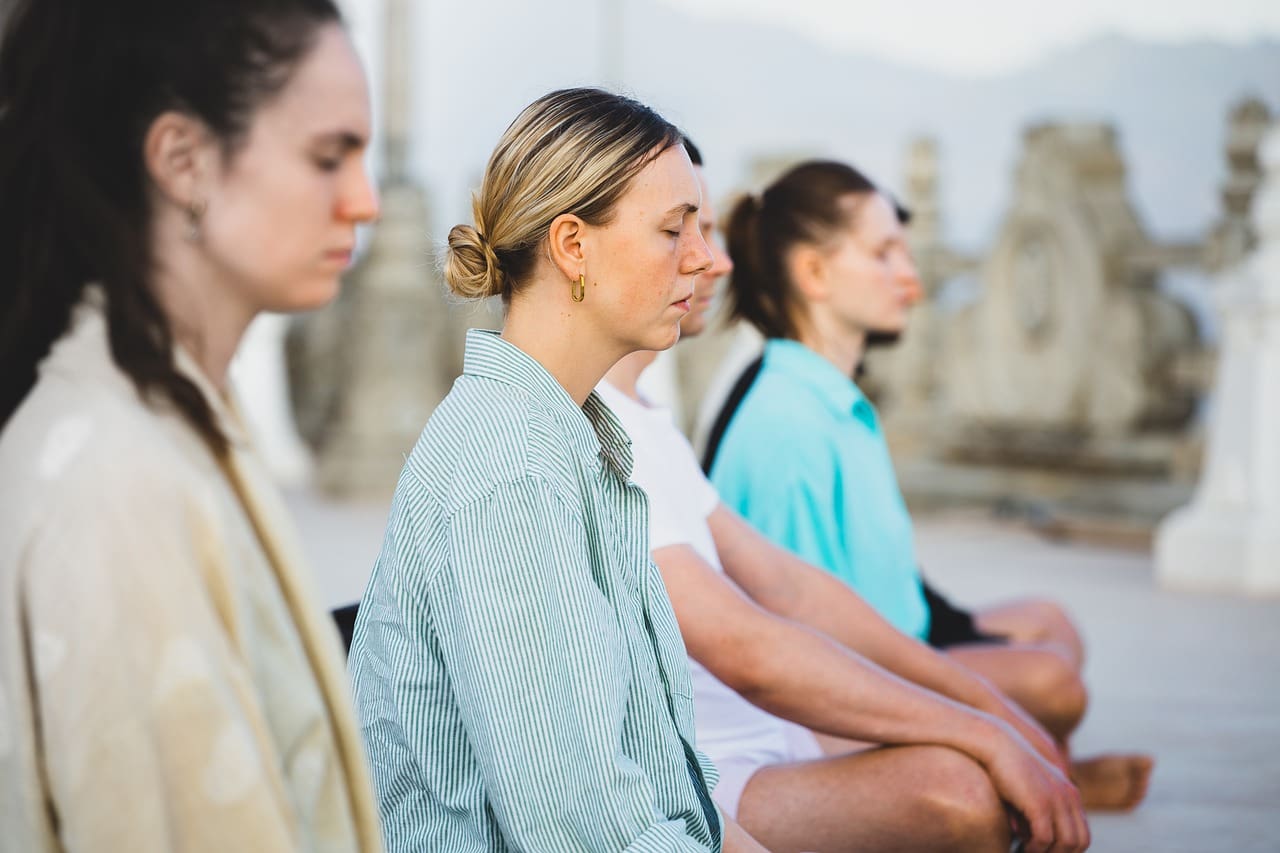
Before diving into the exercises, let’s first understand what mindfulness is. Mindfulness is the practice of being fully present and aware of your thoughts, feelings, sensations, and surroundings. When you’re mindful, you observe your thoughts and feelings without judgment, letting them come and go without getting caught up in them. It’s about being in the moment and paying attention to what is happening without getting carried away by it.
Exercise 1: Mindful Breathing
One of the simplest and most effective mindfulness exercises is mindful breathing. This exercise involves paying attention to your breath as it goes in and out of your body. To practice mindful breathing, find a quiet place to sit or lie down comfortably. Close your eyes and focus on your breath. Notice the sensation of air entering and leaving your nostrils, the rise and fall of your chest, and the expansion and contraction of your belly. Whenever your mind starts to wander, gently bring your focus back to your breath.
Exercise 2: Body Scan
The body scan is a mindfulness exercise that involves systematically moving your attention through different parts of your body, noticing any sensations that arise without trying to change them. To do a body scan, lie down in a comfortable position and close your eyes. Start by bringing your awareness to your toes and gradually work your way up through your feet, legs, abdomen, chest, arms, neck, and head. Notice any areas of tension or discomfort and simply observe them without judgment. This exercise can help you release physical tension and become more in tune with your body.
Exercise 3: Mindful Walking
Mindful walking is a great way to incorporate mindfulness into your daily routine, especially if you find sitting meditation challenging. To practice mindful walking, find a quiet place to walk slowly and deliberately. Pay attention to each step you take, feeling the sensation of your foot lifting off the ground, moving through the air, and making contact with the earth. Notice the movement of your body, the sights and sounds around you, and the sensations in your feet and legs. Mindful walking can help you connect with the present moment and relieve stress.
Exercise 4: Loving-Kindness Meditation
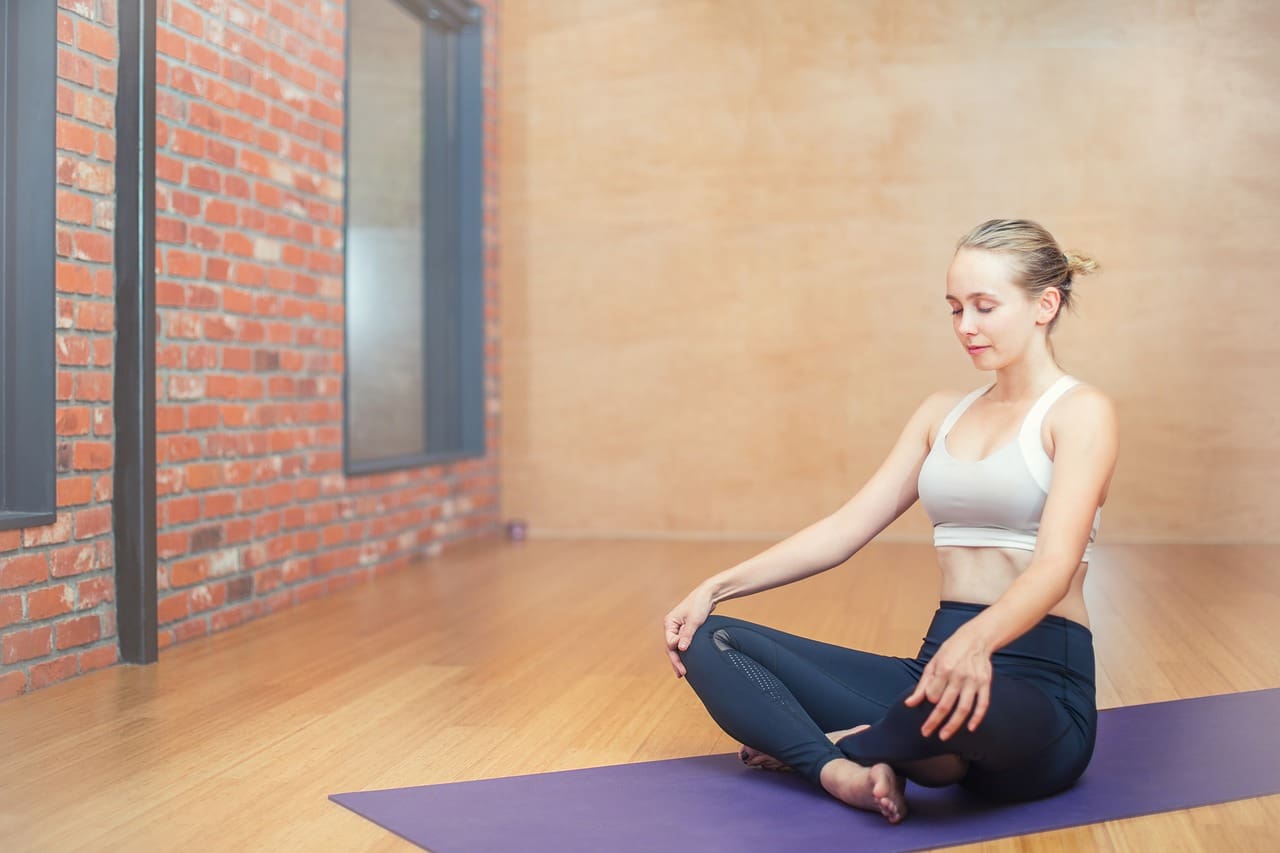
Loving-kindness meditation, also known as metta meditation, is a powerful practice that involves sending love, compassion, and goodwill to yourself and others. To practice loving-kindness meditation, find a comfortable position to sit or lie down. Close your eyes and start by silently repeating phrases of loving-kindness to yourself, such as “May I be happy, may I be healthy, may I be safe, may I live with ease.” Then, extend these wishes to others, starting with a loved one, then a neutral person, then a difficult person, and finally to all beings. This exercise can cultivate feelings of warmth, connection, and compassion, reducing stress and promoting well-being.
Exercise 5: Mindful Eating
Mindful eating is a practice that involves paying full attention to the experience of eating, from choosing your food to savoring each bite. To practice mindful eating, start by selecting a meal or snack that you enjoy. Sit down at a table without distractions and take a few deep breaths to center yourself. Notice the colors, smells, and textures of your food before taking the first bite. As you eat, chew slowly and savor each mouthful, paying attention to the flavors and sensations in your mouth. Mindful eating can help you develop a healthier relationship with food, reduce stress-related emotional eating, and increase satisfaction from meals.
Incorporating these mindfulness exercises into your daily routine can help you manage stress, improve your mental well-being, and cultivate a greater sense of peace and presence in your life. Remember that mindfulness is a skill that takes practice, so be patient with yourself as you explore these exercises. Start with just a few minutes each day and gradually build up your practice over time. Your mind and body will thank you for it.