
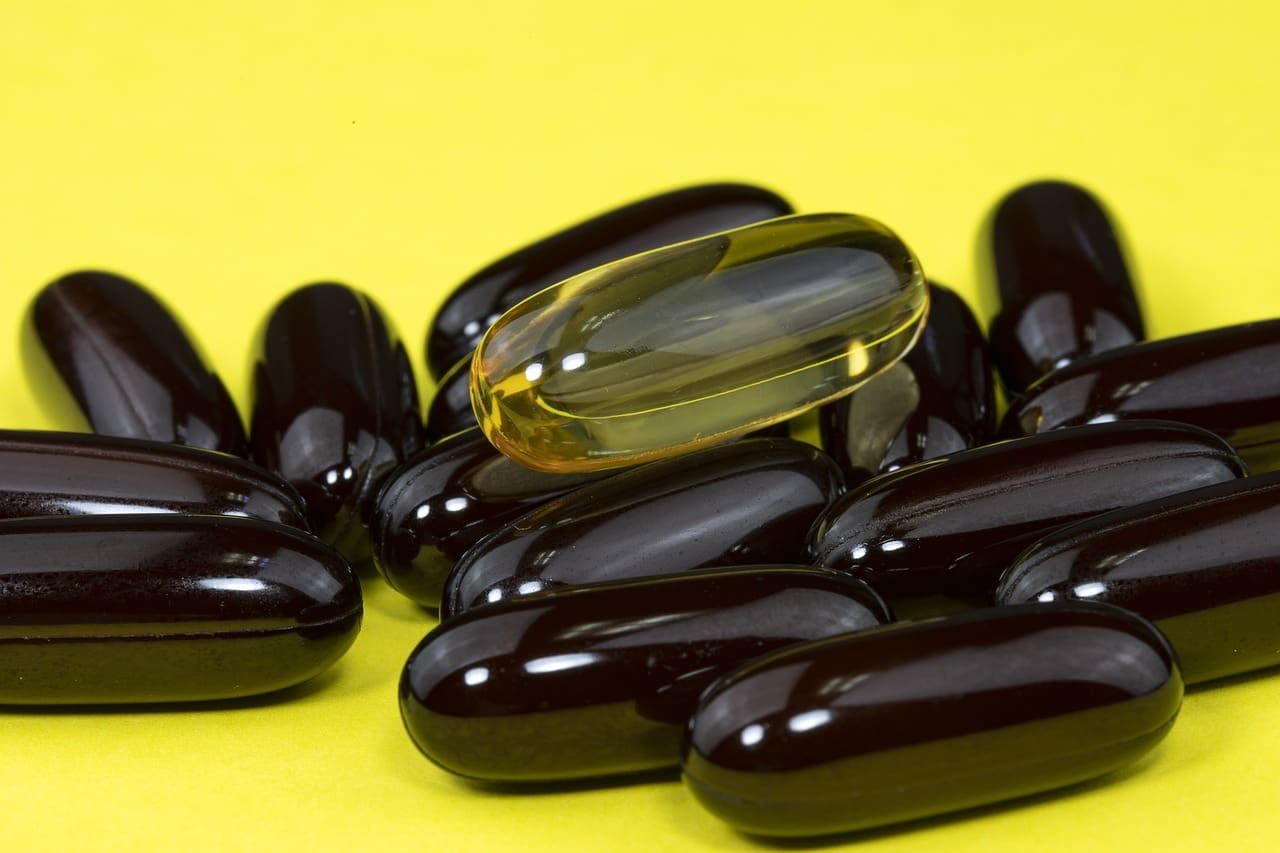
As you age, taking care of your health becomes increasingly important. In today’s fast-paced world, it can be challenging to ensure that you’re getting all the nutrients your body needs. That’s where supplements come in. They can provide an extra boost to support your overall well-being. In this article, we will explore the top five supplements for healthy aging, helping you make informed choices to maintain a vibrant and energetic lifestyle as you get older.
Supplement 1: Omega-3 Fatty Acids
What are Omega-3 Fatty Acids?
Omega-3 fatty acids are a type of polyunsaturated fat that are essential for our body’s overall health. They are considered “essential” because our bodies are unable to produce them on their own, so we must obtain them through our diet or supplements. Omega-3 fatty acids play a crucial role in maintaining brain function, reducing inflammation, and promoting heart health.
Benefits of Omega-3 Fatty Acids for Healthy Aging
Omega-3 fatty acids offer numerous benefits for healthy aging. Firstly, they support brain health and may help reduce the risk of cognitive decline and age-related memory loss. Studies have shown that omega-3s can improve cognitive function and even reduce the risk of developing neurodegenerative diseases like Alzheimer’s.
Additionally, omega-3 fatty acids have anti-inflammatory properties, which can help reduce inflammation in the body. Chronic inflammation is linked to various age-related diseases such as arthritis, heart disease, and even certain types of cancer. By incorporating omega-3s into your diet, you may help to lower the risk of developing these conditions.
Furthermore, omega-3 fatty acids contribute to heart health by promoting healthy cholesterol levels and reducing the risk of heart disease. They can help lower triglyceride levels, decrease blood pressure, and prevent the formation of blood clots, all of which are important factors in maintaining cardiovascular health as we age.
Food Sources of Omega-3 Fatty Acids
Omega-3 fatty acids can be obtained from both animal and plant sources. Fatty fish such as salmon, mackerel, and sardines are excellent sources of omega-3s. Other seafood like shrimp and oysters also contain this beneficial fat. For those following a vegetarian or vegan diet, plant-based sources include flaxseeds, chia seeds, walnuts, and soybeans.
Recommended Dosage for Omega-3 Fatty Acids
The recommended dosage of omega-3 fatty acids varies depending on individual needs and health conditions. However, most health organizations suggest a daily intake of 250-500mg of combined EPA and DHA, the two main types of omega-3 fatty acids. This amount can be easily obtained through consuming two servings of fatty fish per week or by taking omega-3 supplements.
Potential Risks and Side Effects
Omega-3 fatty acids are generally safe for most people when consumed in the recommended amounts. However, it is important to note that high doses of omega-3s can lead to certain side effects such as a fishy aftertaste, bad breath, nausea, and loose stools. Individuals taking blood-thinning medications should consult with their healthcare provider before starting omega-3 supplements to avoid potential interactions.
Supplement 2: Coenzyme Q10
What is Coenzyme Q10?
Coenzyme Q10, also known as CoQ10, is a naturally occurring compound found in every cell of our bodies. It plays a vital role in energy production and acts as a potent antioxidant, protecting our cells from oxidative damage. As we age, the levels of CoQ10 in our bodies tend to decline, making supplementation beneficial for maintaining optimal health.
Benefits of Coenzyme Q10 for Healthy Aging
Coenzyme Q10 offers several benefits for healthy aging. Firstly, it plays a crucial role in energy production within our cells. As we age, our natural levels of CoQ10 decrease, which can lead to reduced energy levels and fatigue. Supplementing with CoQ10 can help replenish these levels and potentially improve energy levels and vitality.
Furthermore, Coenzyme Q10 is a potent antioxidant that helps neutralize harmful free radicals in our bodies. Free radicals are highly reactive molecules that can cause cellular damage and contribute to the aging process. By taking CoQ10 supplements, you can support your body’s natural defense against oxidative stress and protect your cells from premature aging.
CoQ10 also has a positive impact on heart health. As we age, the risk of developing heart disease increases. Coenzyme Q10 has been shown to support cardiovascular health by improving heart function, promoting healthy blood pressure levels, and reducing the oxidative stress that can lead to heart damage.
Food Sources of Coenzyme Q10
While our bodies naturally produce Coenzyme Q10, it can also be obtained through certain foods. Some dietary sources of CoQ10 include beef, pork, chicken, and fatty fish like salmon and sardines. Vegetarian sources include soybeans, peanuts, spinach, and broccoli. However, it is worth mentioning that the amounts of CoQ10 found in food are relatively small, so supplementation may be necessary to reach optimal levels.
Recommended Dosage for Coenzyme Q10
The recommended dosage of Coenzyme Q10 can vary depending on individual needs and health conditions. However, a typical daily dose ranges from 100-300mg. If you are considering starting CoQ10 supplementation, it is always best to consult with a healthcare professional to determine the appropriate dosage for your specific needs.
Potential Risks and Side Effects
Coenzyme Q10 is generally safe for most individuals when taken at recommended dosages. However, in some cases, it may cause mild side effects such as nausea, diarrhea, and stomach upset. It is also important to note that CoQ10 can interact with certain medications, such as blood thinners and cholesterol-lowering drugs, so it’s advisable to speak with your healthcare provider before starting supplementation.
Supplement 3: Vitamin D
What is Vitamin D?
Vitamin D, often referred to as the “sunshine vitamin,” is a fat-soluble vitamin that plays a crucial role in maintaining overall health. One of its main functions is to help the body absorb calcium, which is essential for strong bones and teeth. Vitamin D also plays a role in immune function and can even impact mood and mental health.
Benefits of Vitamin D for Healthy Aging
Vitamin D offers various benefits for healthy aging. Firstly, it is essential for maintaining bone health and preventing conditions like osteoporosis and fractures. Vitamin D helps the body absorb calcium from the diet, ensuring that bones remain strong and dense.
Additionally, vitamin D plays a crucial role in supporting immune function. As we age, our immune system naturally weakens, making us more susceptible to infections and diseases. Vitamin D helps regulate the immune system, enhancing its ability to fight off pathogens and reducing the risk of certain illnesses.
Furthermore, studies have suggested a correlation between vitamin D deficiency and an increased risk of depression and cognitive decline in older adults. Adequate vitamin D levels may have a positive impact on mood and mental health, contributing to overall well-being as we age.
Food Sources of Vitamin D
While the primary source of vitamin D is sunlight, it can also be obtained through certain foods. Fatty fish such as salmon, mackerel, and trout are excellent natural sources of vitamin D. Other sources include fortified dairy products, eggs, and mushrooms. However, it can be challenging to get enough vitamin D through diet alone, particularly for individuals living in regions with limited sun exposure.
Recommended Dosage for Vitamin D
The recommended dosage of vitamin D can depend on various factors, including age, sex, and overall health. For adults, the recommended daily intake ranges from 600-800 IU (International Units) per day. However, individuals with vitamin D deficiencies may require higher doses as advised by their healthcare provider. It is always best to consult with a healthcare professional to determine the appropriate dosage for your specific needs.
Potential Risks and Side Effects
When taken within the recommended dosage, vitamin D is generally safe for most individuals. However, excessive intake of vitamin D through high-dose supplementation can lead to toxicity and the accumulation of calcium in the blood, which can have adverse effects on health. It is important to follow the recommended dosage guidelines and consult with a healthcare professional if considering high-dose vitamin D supplementation.
Supplement 4: Probiotics
What are Probiotics?
Probiotics are live bacteria and yeasts that are good for our digestive system. They are often referred to as “friendly” or “good” bacteria because they help maintain a healthy balance of microorganisms in our gut. While bacteria are commonly associated with illness, our bodies actually contain trillions of bacteria, both good and bad, that play a vital role in our overall health.
Benefits of Probiotics for Healthy Aging
Probiotics offer several benefits for healthy aging, particularly in maintaining gut health and supporting digestion. As we age, our digestive system becomes less efficient, and the balance of gut bacteria can be disrupted, leading to digestive issues such as constipation, bloating, and irritable bowel syndrome (IBS). Probiotics help restore this balance by promoting the growth of beneficial bacteria in the gut and improving overall digestive function.
Furthermore, probiotics have been shown to strengthen the immune system, which naturally weakens with age. By supporting a healthy gut microbiome, probiotics can enhance immune function, reduce the risk of infections, and even improve the response to vaccines in older adults.
Probiotics may also have a positive impact on mental health and cognitive function. There is a growing body of research suggesting a link between the gut microbiome and brain health. Probiotics help maintain a healthy gut-brain axis, potentially improving mood, reducing symptoms of anxiety, and supporting cognitive function as we age.
Food Sources of Probiotics
Probiotics can be obtained through certain fermented foods. Foods such as yogurt, kefir, sauerkraut, kimchi, and kombucha contain live cultures of beneficial bacteria. Including these foods in your diet can help support a healthy gut microbiome.
Recommended Dosage for Probiotics
The recommended dosage of probiotics can vary depending on the specific strain and individual needs. Different strains of bacteria have different effects on the body. It is best to look for a probiotic supplement that contains multiple strains and follow the recommended dosage instructions provided by the manufacturer. Consulting with a healthcare professional can also help determine the appropriate dosage for your specific needs.
Potential Risks and Side Effects
Probiotics are generally safe for most individuals. However, in some cases, they may cause mild side effects such as gas, bloating, or an upset stomach. These side effects are usually temporary and subside as your body adjusts to the new bacteria. It is important to choose high-quality probiotic supplements and follow the recommended dosage guidelines to minimize the risk of adverse effects.

Supplement 5: Curcumin
What is Curcumin?
Curcumin is a natural compound found in turmeric, a spice commonly used in curry dishes. It is well-known for its vibrant yellow color and has been used for centuries in traditional medicine for its various health benefits. Curcumin is a powerful antioxidant and has anti-inflammatory and anti-cancer properties.
Benefits of Curcumin for Healthy Aging
Curcumin offers numerous benefits for healthy aging, primarily due to its potent anti-inflammatory and antioxidant properties. Chronic inflammation is believed to contribute to the development of various age-related diseases such as arthritis, heart disease, and certain cancers. Curcumin’s anti-inflammatory effects can help reduce inflammation in the body, potentially lowering the risk of these conditions.
Furthermore, curcumin has been shown to have neuroprotective properties, which may help prevent or delay cognitive decline and neurodegenerative diseases such as Alzheimer’s and Parkinson’s. It can also support brain health by enhancing memory and improving overall cognitive function.
Curcumin’s antioxidant properties help protect cells from oxidative damage, which is a major driver of aging and various diseases. By neutralizing free radicals and reducing oxidative stress, curcumin can help maintain cellular health and delay the aging process.
Food Sources of Curcumin
As mentioned earlier, curcumin is found in turmeric, which can be used as a spice in cooking. However, the amount of curcumin in turmeric is relatively low, which is why many people choose to supplement with curcumin capsules or extracts to achieve higher concentrations.
Recommended Dosage for Curcumin
The recommended dosage of curcumin can vary depending on the specific product and individual needs. It is best to follow the dosage instructions provided by the manufacturer or consult with a healthcare professional to determine the appropriate dosage for your specific needs.
Potential Risks and Side Effects
Curcumin is generally considered safe for most individuals when taken within the recommended dosages. However, high doses or long-term use of curcumin supplements may cause gastrointestinal issues such as stomach upset, diarrhea, or nausea. It is important to start with a low dose and gradually increase if needed. Individuals taking blood-thinning medications should exercise caution and consult with their healthcare provider before starting curcumin supplementation to avoid potential interactions.