
Welcome to an article that will provide you with the top strategies for managing stress in your later years. As you continue to age, it is important to prioritize your mental and emotional well-being. By implementing these strategies into your daily routine, you will feel more equipped to handle the challenges that come with aging. From practicing mindfulness and staying physically active to maintaining a strong social support network, you will learn how to effectively manage stress and improve your overall quality of life. Let’s explore these strategies together and start living a more stress-free life in your later years. Hey there! Do you find yourself feeling overwhelmed with stress as you get older? You’re not alone! As we age, the pressures of life can become more challenging to handle. But fear not, because in this article, we will explore the top strategies for managing stress in later years. From self-care practices to lifestyle changes, we’ve got you covered. So read on and discover how you can better manage stress and live a more relaxed life in your golden years.
Understanding Stress in Later Years
Stress is a natural response to the demands of life, but as we age, it can take a toll on our physical and mental well-being. It’s important to recognize the signs of stress in later years so that you can address it before it becomes overwhelming. Common stressors for older adults include health concerns, financial worries, and social isolation. By understanding what triggers your stress, you can better manage it and improve your overall quality of life.
Signs of Stress in Older Adults
Do you often feel anxious or irritable for no apparent reason? Are you experiencing changes in your sleep patterns or appetite? These could be signs of stress. Other common symptoms of stress in later years include fatigue, muscle tension, and difficulty concentrating. If you notice these signs persisting, it may be time to take action to reduce your stress levels.
Top Strategies for Managing Stress
Now that you understand the signs of stress in later years, let’s explore some effective strategies for managing it. By implementing these techniques into your daily routine, you can reduce stress and improve your overall well-being.
Practice Relaxation Techniques
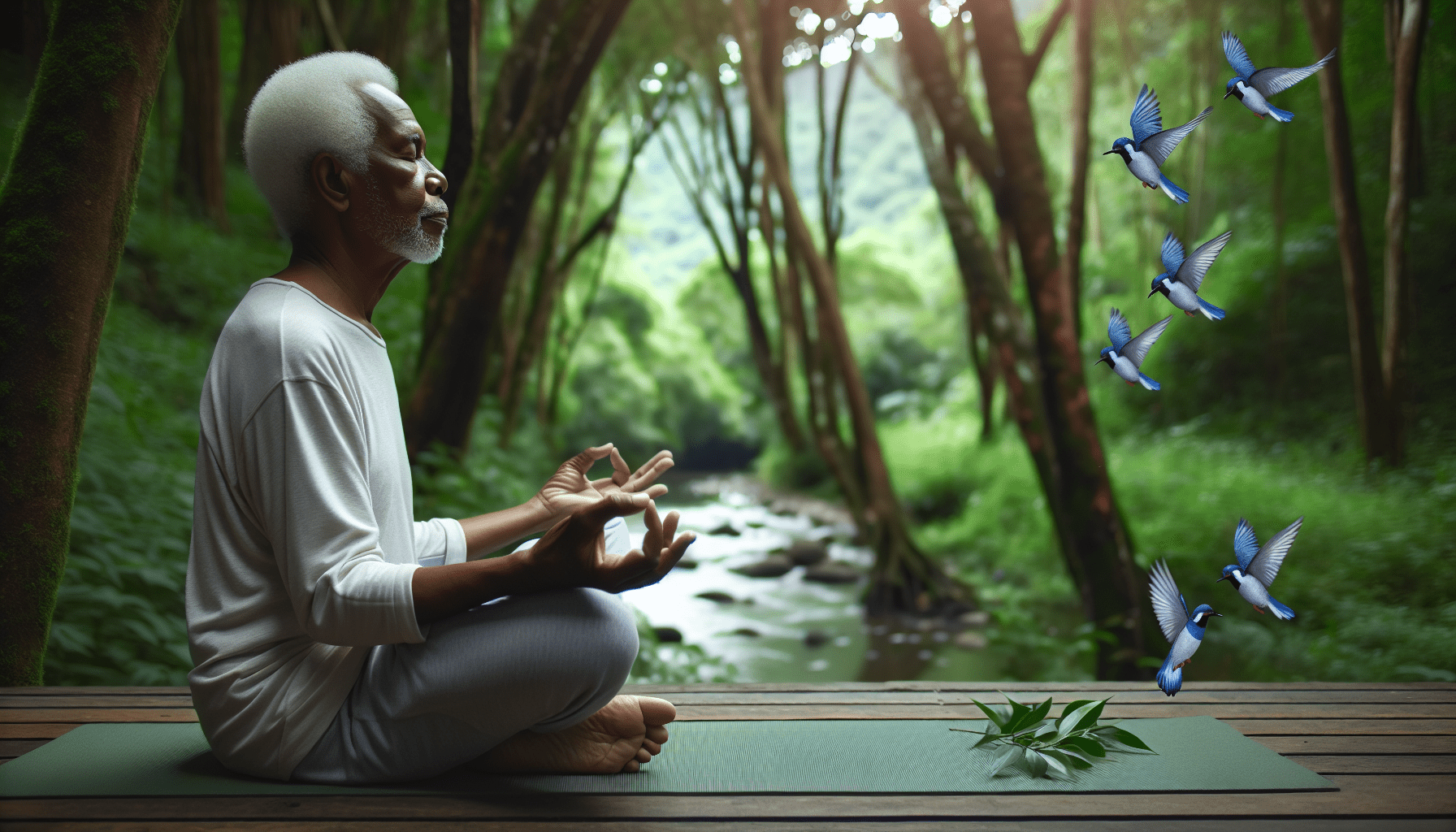
One of the most effective ways to manage stress in later years is to practice relaxation techniques. Deep breathing, meditation, and progressive muscle relaxation are great ways to calm your mind and body. By incorporating these practices into your daily routine, you can lower your stress levels and improve your overall health.
Stay Active
Exercise is a powerful stress-reliever for people of all ages, including older adults. Physical activity releases endorphins, which are natural mood-boosters that can help reduce stress and anxiety. Whether you prefer walking, swimming, or yoga, finding an activity you enjoy can make a big difference in managing stress in later years.
Prioritize Self-Care Practices
Self-care is essential for managing stress in later years. Make time for activities that bring you joy and relaxation, such as reading, gardening, or spending time with loved ones. Taking care of your physical and emotional well-being is crucial for reducing stress and improving your quality of life.
Creating a Support System
Having a strong support system is vital for managing stress in later years. Whether it’s family, friends, or a support group, having people you can turn to for emotional support can make a world of difference. Don’t be afraid to reach out and lean on others in times of need. Remember, you don’t have to go through stress alone.
Build Strong Relationships
Building strong relationships with others can help reduce feelings of isolation and loneliness, which are common stressors for older adults. Make an effort to stay connected with friends and family members, even if it’s just a phone call or a quick visit. Cultivating meaningful relationships can provide a sense of belonging and support, helping to alleviate stress in later years.
Seek Professional Help
If you’re feeling overwhelmed by stress and struggling to cope, don’t hesitate to seek professional help. A therapist or counselor can provide you with the tools and support you need to manage your stress effectively. Remember, it’s okay to ask for help when you need it. Taking care of your mental health is just as important as your physical health.
Healthy Lifestyle Changes
Making healthy lifestyle changes can also play a significant role in managing stress in later years. By prioritizing your physical health, you can improve your overall well-being and reduce stress levels.
Eat a Balanced Diet
Eating a healthy, balanced diet can positively impact your stress levels. Nutrient-rich foods such as fruits, vegetables, whole grains, and lean proteins can provide your body with the fuel it needs to cope with stress. Limiting processed foods, sugary snacks, and caffeine can also help regulate your mood and energy levels.
Get Adequate Sleep
Sleep is essential for managing stress and maintaining good health. Aim for 7-9 hours of quality sleep each night to allow your body and mind to rest and recharge. Establishing a bedtime routine, avoiding screens before bed, and creating a comfortable sleep environment can help improve your sleep quality and reduce stress.
Stay Hydrated
Proper hydration is essential for overall health and well-being. Drinking an adequate amount of water each day can help regulate your body’s functions, boost your energy levels, and improve your mood. Carry a water bottle with you throughout the day to stay hydrated and reduce stress.
Conclusion
Managing stress in later years is possible with the right strategies and support. By practicing relaxation techniques, staying active, prioritizing self-care, building a support system, seeking professional help when needed, and making healthy lifestyle changes, you can effectively reduce stress and enjoy a more fulfilling life. Remember that it’s okay to prioritize your well-being and take steps to manage stress in a way that works best for you. You deserve to live a happy, healthy, and stress-free life in your later years.