
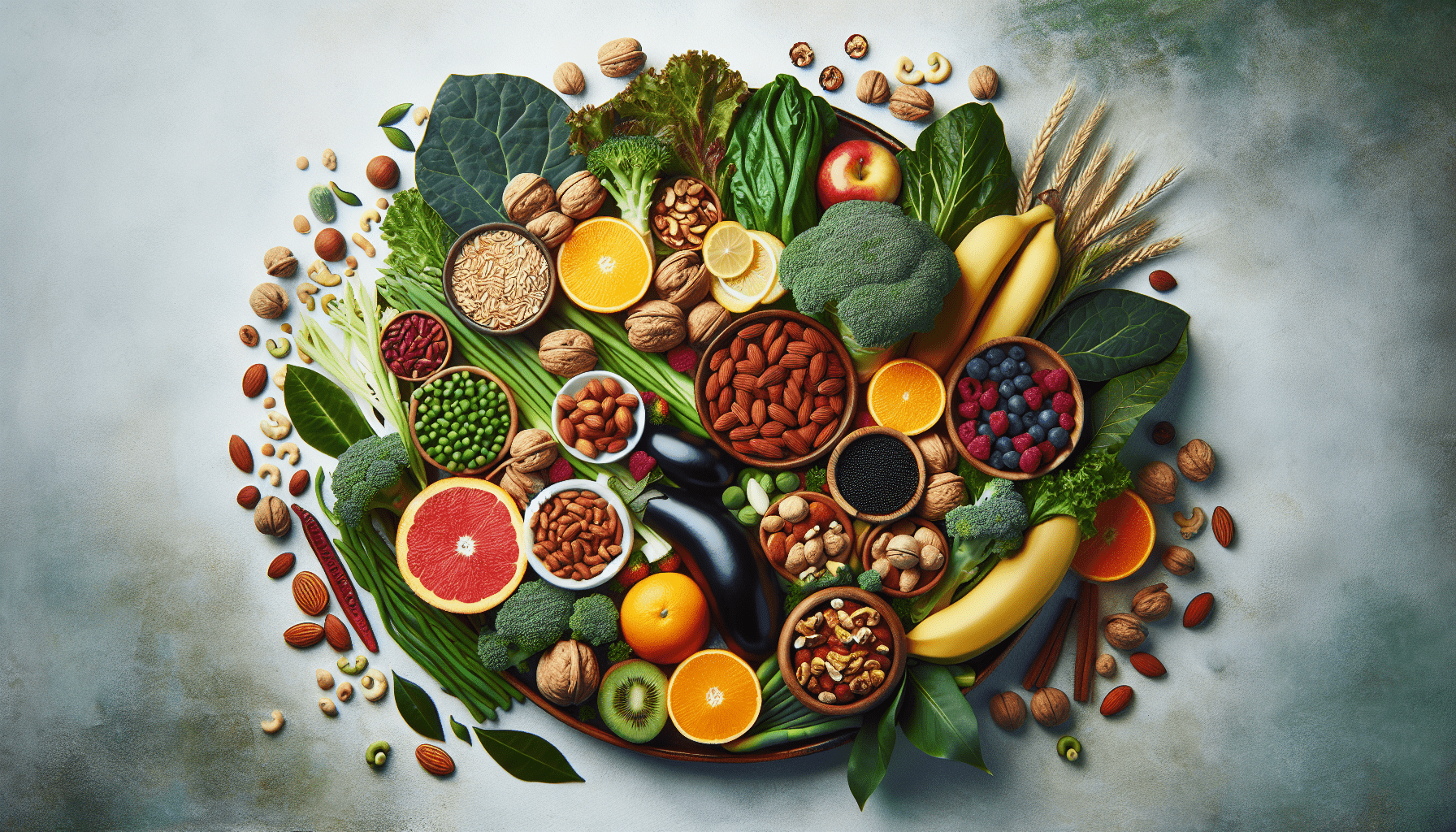
Welcome to an informative article on the top ways to balance hormones through diet and nutrition! Whether you’re looking to regulate your thyroid, support healthy cortisol levels, or improve overall hormone balance, making smart choices when it comes to what you eat can have a significant impact. From incorporating hormone-balancing foods like leafy greens and nuts into your meals to avoiding processed sugars and artificial additives, this article will provide you with practical tips and delicious recipes to help you achieve optimal hormone health. Get ready to take charge of your well-being starting from the inside out!
How can you balance hormones through diet and nutrition?
Hormones play a crucial role in your overall well-being, affecting everything from your mood to your metabolism. One of the most powerful ways to support hormonal balance is through your diet and nutrition. In this article, we’ll explore the top ways you can naturally balance hormones through the foods you eat and the nutrients you provide your body.
Understanding Hormones and Their Impact on Your Body
Before we dive into specific dietary strategies, let’s first take a closer look at hormones and how they influence your body. Hormones are chemical messengers produced by various glands in your body, such as the thyroid, adrenal glands, and ovaries/testes. These powerful substances regulate many bodily functions, including metabolism, energy levels, reproductive health, and mood.
Having balanced hormones is crucial for your overall health and well-being. When your hormones are out of balance, it can lead to a wide range of symptoms and health issues, including weight gain, fatigue, mood swings, and reproductive issues. By optimizing your diet and nutrition, you can support hormonal balance and improve your overall health.
Balancing Hormones with a Healthy Diet
The foods you eat play a significant role in regulating your hormones. By focusing on a nutrient-dense and balanced diet, you can support hormonal balance and improve your overall well-being. Here are some key dietary strategies to help you balance hormones:
1. Eat a Variety of Whole Foods
Eating a variety of whole foods is essential for hormonal balance. Whole foods like fruits, vegetables, whole grains, and lean proteins provide essential nutrients that support hormone production and function. Aim to include a diverse range of foods in your diet to ensure you’re getting all the nutrients your body needs.
2. Focus on Healthy Fats
Healthy fats, such as avocados, nuts, seeds, and olive oil, are essential for hormonal health. These fats play a crucial role in hormone production and help support overall hormone balance. Include sources of healthy fats in your diet to help regulate your hormones and keep your body functioning optimally.
Supporting Hormonal Balance with Key Nutrients
In addition to eating a balanced diet, certain nutrients are particularly important for hormonal balance. By including these key nutrients in your diet, you can support hormone production and function, helping to keep your hormones in check. Here are some essential nutrients to focus on:
1. Omega-3 Fatty Acids
Omega-3 fatty acids are essential fats that are crucial for hormone production and function. Sources of omega-3s include fatty fish like salmon, chia seeds, flaxseeds, and walnuts. Including these foods in your diet can help support hormonal balance and reduce inflammation in the body.
2. Vitamin D
Vitamin D is a vital nutrient that plays a role in hormone regulation. Many people are deficient in vitamin D, which can lead to hormonal imbalances and a range of health issues. To support hormonal balance, aim to get plenty of vitamin D from foods like fatty fish, egg yolks, and fortified dairy products, or consider taking a supplement if needed.
Lifestyle Factors That Influence Hormonal Balance
In addition to diet and nutrition, other lifestyle factors can also impact your hormonal balance. By making lifestyle changes that support your hormones, you can further improve your overall health and well-being. Here are some lifestyle factors to consider:
1. Manage Stress
Chronic stress can have a significant impact on your hormones, leading to imbalances that can affect your health. Finding ways to manage stress, such as through exercise, meditation, or relaxation techniques, can help support hormonal balance and improve your overall well-being.
2. Get Adequate Sleep
Sleep is crucial for hormone regulation and overall health. Lack of sleep can disrupt your hormonal balance, leading to increased stress levels, weight gain, and other health issues. Aim to get 7-9 hours of quality sleep each night to support hormonal balance and optimize your health.
Conclusion
Balancing hormones through diet and nutrition is an effective and natural way to support your overall health and well-being. By focusing on a healthy diet, including key nutrients, and making lifestyle changes that support hormonal balance, you can optimize your hormones and improve your quality of life. Take the time to prioritize your diet and lifestyle choices to ensure your hormones are in check and your body is functioning at its best.