
Welcome to an article that will guide you on essential tools for managing chronic illnesses at home. From medication reminders to symptom trackers, having the right tools can make a significant difference in your everyday life. Learn how these tools can help you stay organized and in control of your health, allowing you to better manage your chronic illness from the comfort of your own home. Stay tuned for tips and recommendations on must-have tools for managing chronic illnesses effectively.
Essential Tools For Managing Chronic Illnesses At Home
Living with a chronic illness can be challenging, but with the right tools and resources, you can manage your condition effectively from the comfort of your own home. In this article, we will explore essential tools that can help you navigate the complexities of living with a chronic illness and improve your overall quality of life. Whether you have diabetes, heart disease, arthritis, or any other chronic condition, these tools can make a significant difference in your day-to-day management and well-being.

Keeping Track of Your Symptoms and Medications
Managing a chronic illness often involves keeping track of various symptoms, medications, and treatments. It can be overwhelming to remember everything, which is why having a system in place to organize this information is essential. Consider using a symptom and medication tracker to record your daily health status, medication doses, and any side effects you may experience. This tool can help you monitor your condition more effectively and communicate with your healthcare provider about any changes or concerns.
Tracking your symptoms and medications can also help you identify patterns and triggers that may be affecting your health. By having this information readily available, you can work with your healthcare team to make informed decisions about your care and treatment plan. Remember, knowledge is power when it comes to managing a chronic illness, so don’t underestimate the importance of tracking and monitoring your symptoms regularly.
Monitoring Your Vital Signs and Health Metrics
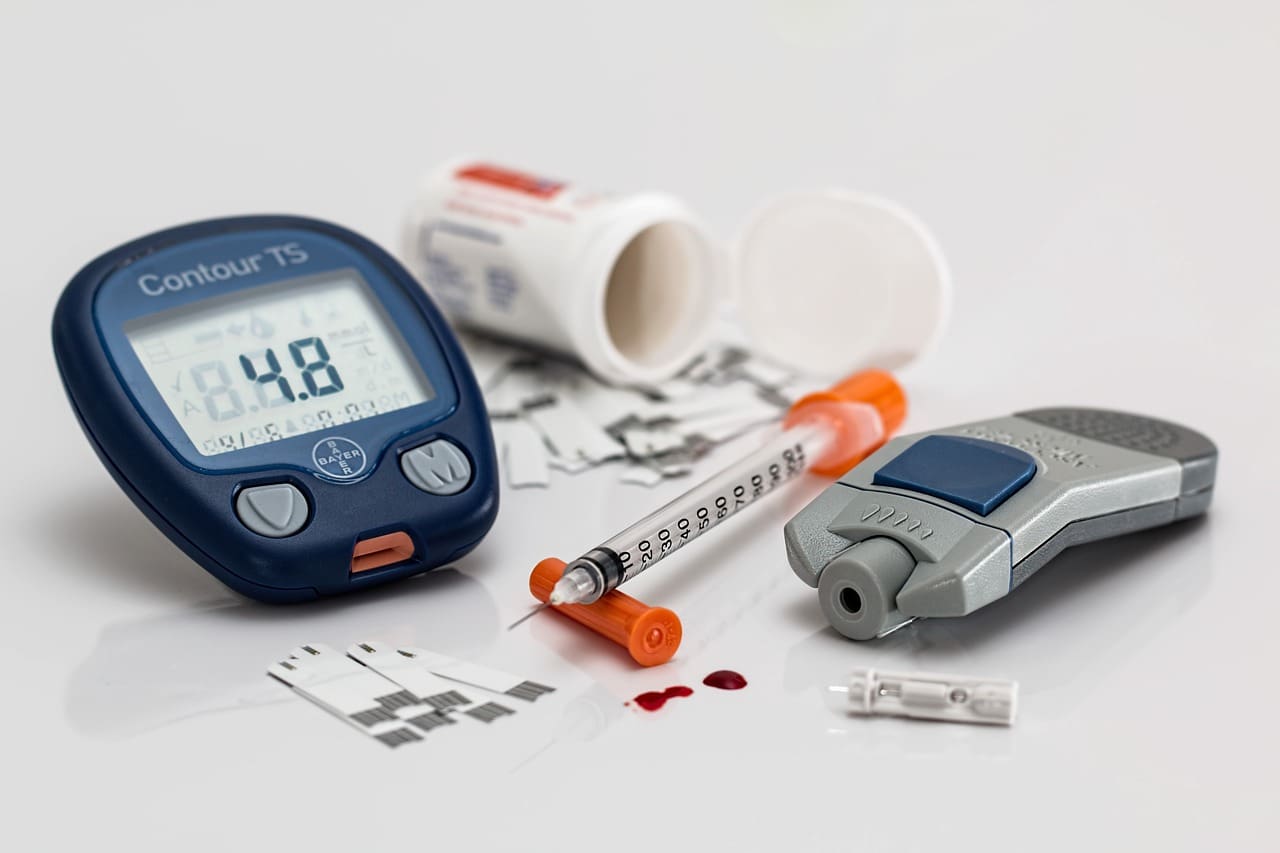
Monitoring your vital signs and health metrics is crucial for managing chronic illnesses such as hypertension, diabetes, and heart disease. By tracking parameters like blood pressure, blood glucose levels, and weight regularly, you can proactively manage your condition and prevent any potential complications. Consider investing in a home monitoring device that allows you to measure these vital signs accurately and conveniently.
With the advancement of technology, there are now many user-friendly home monitoring devices available on the market that make it easy for you to track your health metrics at home. These devices can provide you with valuable data that you can share with your healthcare provider during your appointments, giving them a better understanding of your overall health and treatment progress. By monitoring your vital signs regularly, you can take control of your health and make informed decisions about your care.
Planning and Preparing Healthy Meals
A well-balanced diet is essential for managing chronic illnesses such as diabetes, heart disease, and obesity. Eating nutritious meals can help you control your symptoms, maintain a healthy weight, and improve your overall well-being. However, planning and preparing healthy meals can be challenging, especially if you have a busy schedule or limited cooking skills. That’s where meal planning and preparation tools can come in handy.
There are now many meal planning apps and websites available that can help you create personalized meal plans tailored to your dietary needs and preferences. These tools can provide you with recipes, shopping lists, and nutritional information to make meal planning easier and more convenient. By using these resources, you can ensure that you are eating a balanced diet that supports your health goals and helps you manage your chronic illness effectively.
Staying Active and Exercising Regularly
Physical activity is crucial for managing chronic illnesses like arthritis, osteoporosis, and fibromyalgia. Regular exercise can help improve your strength, flexibility, and overall mobility, reducing pain and inflammation associated with these conditions. However, finding the motivation and time to exercise can be challenging, especially when you are dealing with a chronic illness. That’s where exercise tracking tools can be beneficial.
Exercise tracking tools, such as fitness trackers and mobile apps, can help you set fitness goals, track your activity levels, and monitor your progress over time. These tools can provide you with valuable feedback and motivation to stay active and maintain a consistent exercise routine. By incorporating regular physical activity into your daily life, you can improve your physical health, mental well-being, and quality of life despite your chronic illness.

Managing Stress and Practicing Self-Care
Living with a chronic illness can be stressful, as it often requires you to make lifestyle adjustments, adhere to treatment regimens, and cope with physical and emotional challenges on a daily basis. Managing stress and practicing self-care are essential components of maintaining your overall health and well-being. Consider using stress management tools and resources to help you cope with the demands of your chronic illness and reduce the impact of stress on your health.
Mindfulness apps, relaxation techniques, and self-care practices can help you manage stress, improve your mood, and cultivate a sense of inner peace and resilience. By incorporating these tools into your daily routine, you can enhance your emotional well-being and better cope with the challenges of living with a chronic illness. Remember, taking care of your mental and emotional health is just as important as managing your physical symptoms, so make self-care a priority in your daily life.
Communicating Effectively with Your Healthcare Team
Effective communication with your healthcare team is crucial for managing chronic illnesses and ensuring that you receive the best possible care and support. Establishing open and honest communication with your doctors, nurses, and other healthcare providers can help you build a strong partnership and achieve your health goals more effectively. Consider using communication tools and resources to facilitate interactions with your healthcare team and enhance the quality of your care.
Patient portals, telemedicine platforms, and secure messaging apps can help you stay connected with your healthcare providers, schedule appointments, access medical records, and ask questions about your condition and treatment plan. By leveraging these communication tools, you can actively engage in your healthcare decisions, stay informed about your care, and collaborate with your healthcare team to manage your chronic illness successfully. Remember, you are an essential part of your healthcare team, so don’t hesitate to advocate for yourself and seek the support you need to live well with your chronic condition.
Connecting with Supportive Communities and Resources
Living with a chronic illness can feel isolating at times, as you may face unique challenges and uncertainties that others may not fully understand. Connecting with supportive communities and resources can provide you with a sense of belonging, understanding, and empowerment as you navigate the complexities of managing your condition. Consider leveraging online forums, social media groups, and local support networks to connect with others who share similar experiences and challenges.
Supportive communities and resources can offer emotional support, practical advice, and valuable insights that can help you cope with your chronic illness more effectively and improve your quality of life. By sharing your experiences, concerns, and successes with others who understand what you are going through, you can feel less alone and more empowered to face the challenges of living with a chronic condition. Remember, you are not alone in your journey, and there are many people and organizations ready to support you and help you thrive despite your illness.
In conclusion, managing a chronic illness at home requires a combination of tools, resources, and strategies to help you navigate the complexities of your condition and maintain your overall health and well-being. By utilizing the essential tools outlined in this article, you can take control of your health, improve your quality of life, and thrive despite the challenges you may face. Remember, you are capable of managing your chronic illness effectively with the right support, knowledge, and motivation. Stay proactive, informed, and empowered in your health journey, and don’t hesitate to seek help and resources when needed. You deserve to live well and thrive despite your chronic condition.