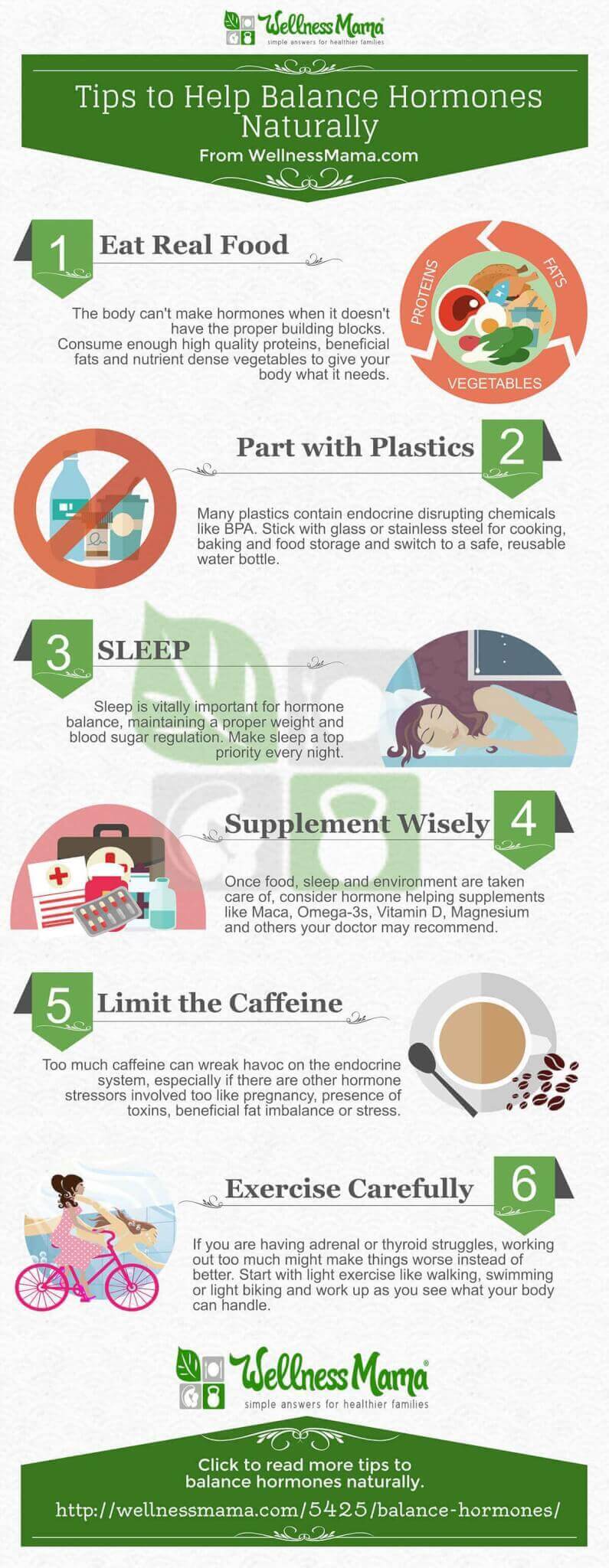
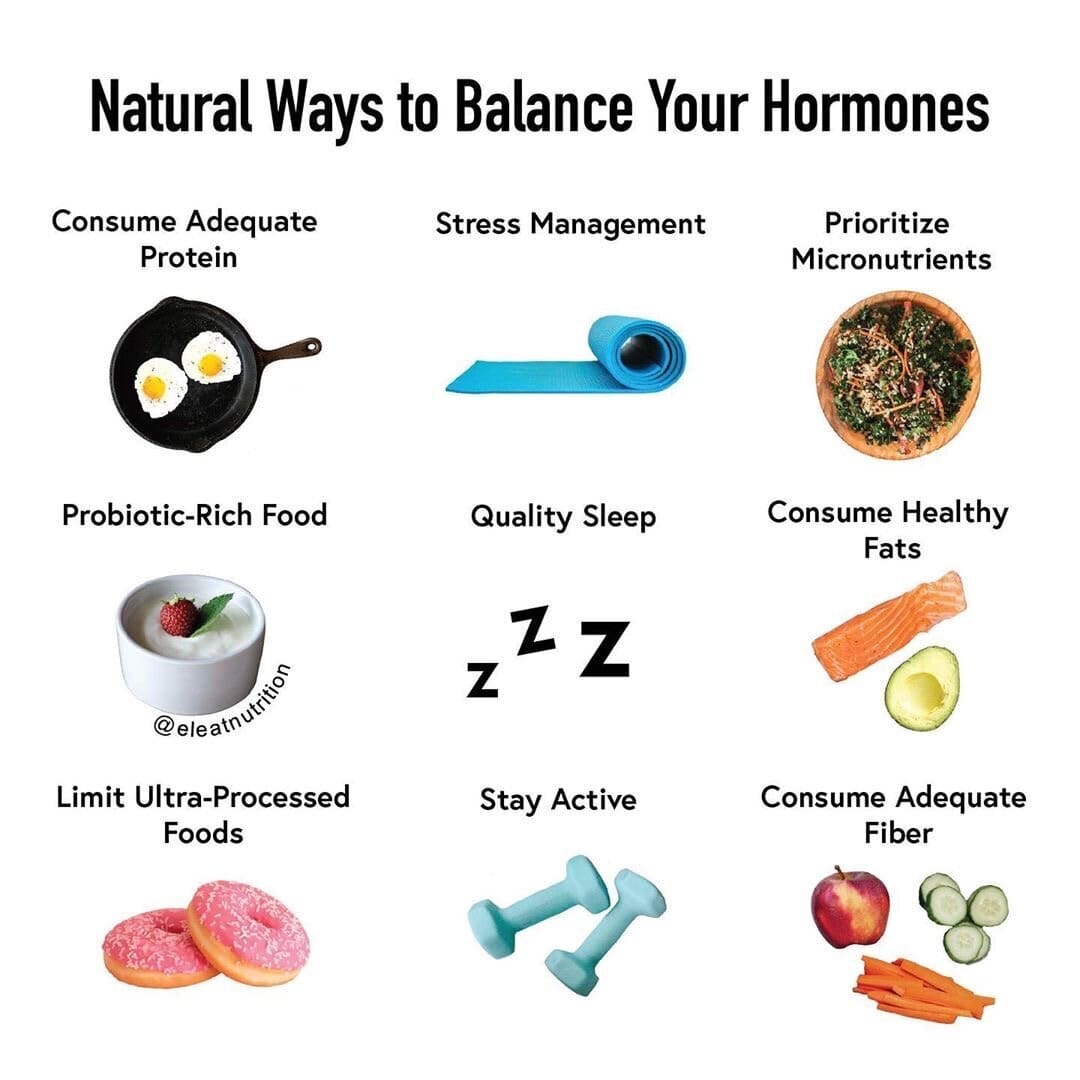
Are you looking for natural ways to balance your hormones? Look no further! In this article, we will explore the top methods to achieve hormonal balance through your diet. By making simple changes to your eating habits, you can have a significant impact on your hormone levels, promoting overall well-being and improved health. From incorporating hormone-balancing foods to avoiding certain triggers, we will guide you through the most effective strategies to regain hormonal equilibrium. Get ready to discover the power of food in nurturing your hormones and restoring harmony to your body.
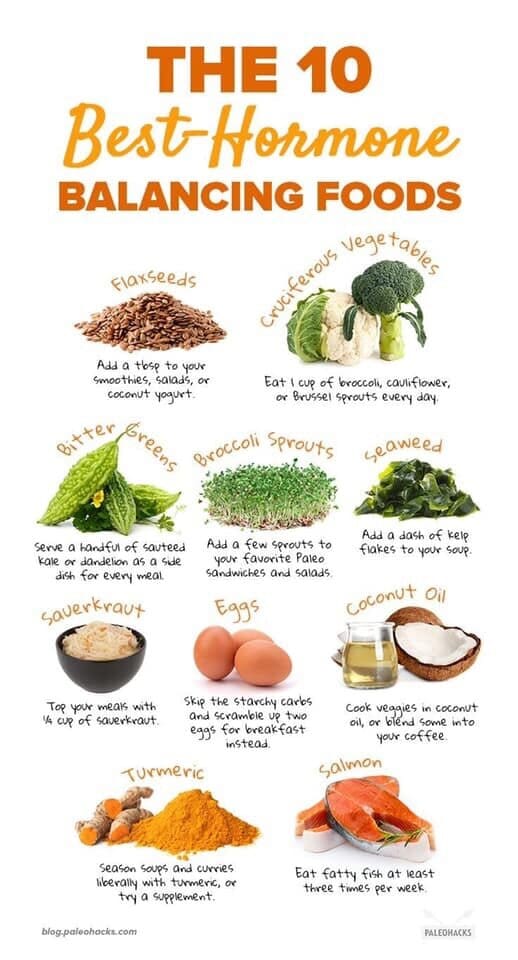
Choose Whole, Unprocessed Foods
When it comes to balancing your hormones through diet, one of the most important things you can do is choose whole, unprocessed foods. These foods are packed with essential nutrients and are free from added sugars, unhealthy fats, and artificial ingredients.
Include plenty of fruits and vegetables
Fruits and vegetables should be the foundation of your diet when it comes to balancing your hormones. They are rich in vitamins, minerals, and antioxidants that support hormonal balance. Aim to include a variety of colorful fruits and vegetables in your meals to ensure you are getting a wide range of nutrients.
Opt for whole grains
Instead of refined grains, opt for whole grains like quinoa, brown rice, and whole wheat bread. These grains are less processed and contain more fiber, which can help regulate your hormones and keep you feeling full for longer. They also provide a steady source of energy, helping to keep your blood sugar levels stable.
Avoid processed and refined foods
Processed and refined foods, such as white bread, sugary cereals, and packaged snacks, can wreak havoc on your hormone levels. These foods are typically high in sugar, unhealthy fats, and artificial additives, which can disrupt your hormonal balance. Instead, choose whole, unprocessed foods to nourish your body and support optimal hormone function.
Consume Adequate Healthy Fats
Contrary to popular belief, not all fats are bad for you. In fact, including adequate amounts of healthy fats in your diet is essential for hormone balance.
Incorporate omega-3 fatty acids
Omega-3 fatty acids are a type of healthy fat that is crucial for hormone production and regulation. They can be found in fatty fish like salmon, mackerel, and sardines. Incorporating these foods into your diet can help reduce inflammation, support brain health, and promote hormonal balance.
Include monounsaturated fats
Another type of healthy fat to include in your diet is monounsaturated fats. Foods rich in monounsaturated fats include avocados, olive oil, and nuts. These fats can help reduce harmful cholesterol levels and support overall hormonal health.
Avoid trans fats
On the other hand, it’s important to avoid trans fats, which are known to disrupt hormone balance and increase the risk of various health issues. Trans fats are often found in processed and fried foods, so it’s best to opt for healthier cooking methods like baking, grilling, or steaming.
Maintain a Balanced Macronutrient Ratio
Consuming the right balance of macronutrients is vital for hormone balance and overall health. Aim to include all three macronutrients – protein, carbohydrates, and fats – in appropriate proportions.
Consume adequate protein
Protein is an essential macronutrient that is necessary for hormone synthesis and repair of body tissues. Include high-quality protein sources like lean meats, poultry, fish, beans, and legumes to ensure you are meeting your body’s protein needs.
Include complex carbohydrates
Complex carbohydrates, such as whole grains, beans, and starchy vegetables, provide a steady source of energy and help regulate blood sugar levels. These carbohydrates also contain essential vitamins and minerals that support hormone balance.
Balance fat intake
As mentioned earlier, healthy fats are important for hormone balance. However, it’s still crucial to maintain a balanced fat intake. Aim to include a moderate amount of healthy fats in your diet, while also being mindful of your overall calorie intake.
Manage Sugar Intake
Excessive sugar consumption can wreak havoc on your hormone levels and contribute to weight gain and other health issues. Managing your sugar intake is a crucial step in balancing your hormones through diet.
Reduce consumption of added sugars
Added sugars can be found in a variety of processed foods, such as soda, candy, baked goods, and sweetened beverages. These sugars can cause a spike in insulin levels and disrupt hormone balance. Opt for natural sources of sweetness, like fruits, and limit your consumption of foods and drinks that contain added sugars.
Choose natural sweeteners
If you need to sweeten your foods or beverages, opt for natural sweeteners like honey, maple syrup, or stevia. These sweeteners are less processed and contain fewer artificial additives compared to refined sugar.
Be mindful of hidden sugars
It’s not just obvious sources of sugar that you need to be aware of. Hidden sugars can be found in many processed foods, such as condiments, sauces, and even some so-called “healthy” snacks. Read labels carefully and choose products that are lower in added sugar or opt for homemade versions to have better control over your sugar intake.
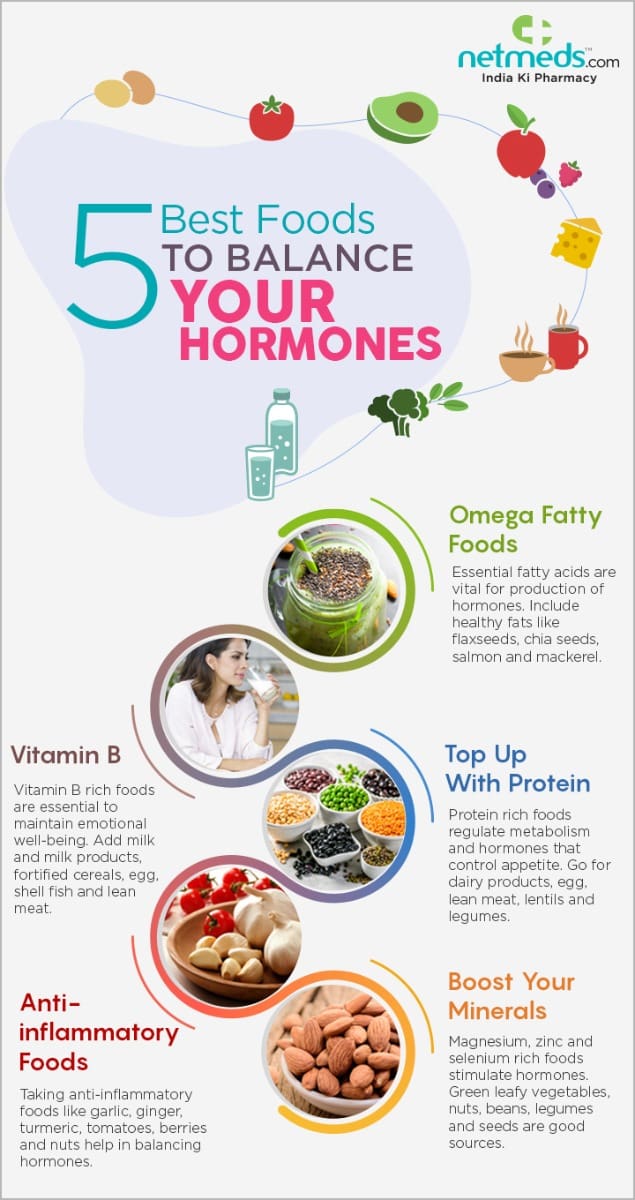
Increase Fiber Intake
Fiber is a crucial nutrient that plays a significant role in hormone balance. Increasing your fiber intake can help regulate blood sugar levels, support healthy digestion, and promote overall hormonal health.
Choose high-fiber foods
Include a variety of high-fiber foods in your diet, such as fruits, vegetables, whole grains, beans, and legumes. These foods are not only rich in fiber but also packed with other essential nutrients.
Include soluble and insoluble fiber
There are two types of fiber: soluble and insoluble. Soluble fiber, found in foods like oats, apples, and beans, helps regulate blood sugar levels and lower cholesterol. Insoluble fiber, found in foods like whole wheat bread and broccoli, supports healthy digestion and can help prevent hormonal imbalances.
Gradually increase fiber intake
It’s important to gradually increase your fiber intake to avoid digestive discomfort. Start by adding small amounts of fiber-rich foods to your meals and gradually increase the portions over time. Also, make sure to drink plenty of water to help the fiber move smoothly through your digestive system.
Incorporate Phytoestrogen-Rich Foods
Phytoestrogens are plant compounds that mimic the effects of estrogen in the body. Including foods rich in phytoestrogens in your diet can help balance hormone levels, especially in women.
Include soy-based foods
Soy-based foods, such as tofu, tempeh, and edamame, are rich in phytoestrogens. These foods can help regulate estrogen levels in the body and support hormonal balance. However, it’s important to choose organic and non-GMO soy products to avoid potential negative effects of genetically modified soy.
Add flaxseeds to your diet
Flaxseeds are another excellent source of phytoestrogens. They can be easily incorporated into your diet by adding them to smoothies, yogurt, or oatmeal. Flaxseeds are also rich in fiber and omega-3 fatty acids, making them a beneficial addition to any hormone-balancing diet.
Incorporate legumes and lentils
Legumes and lentils are not only great sources of protein and fiber but also contain phytoestrogens. Including foods like chickpeas, lentils, and black beans in your diet can promote hormonal balance and provide many other health benefits.
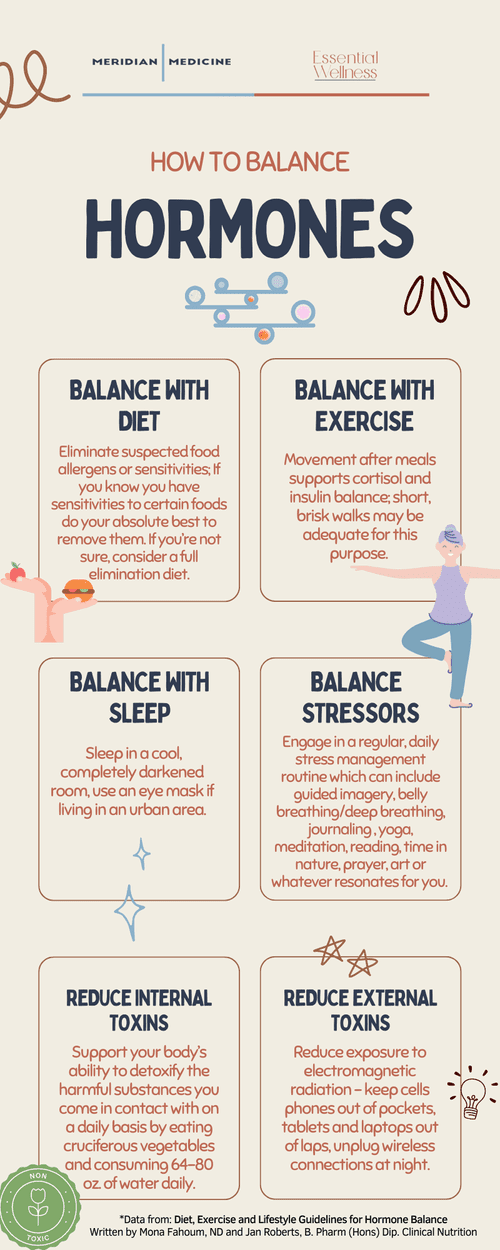
Prioritize Gut Health
The health of your gut plays a crucial role in hormone balance. Including foods that support good gut health can contribute to overall hormonal wellness.
Include probiotic-rich foods
Probiotics are beneficial bacteria that promote a healthy gut. Include probiotic-rich foods like yogurt, kefir, sauerkraut, and kimchi in your diet to help balance your gut microbiome and support optimal hormone function.
Consume prebiotic foods
Prebiotics are a type of fiber that acts as food for the beneficial bacteria in your gut. Include prebiotic-rich foods like onions, garlic, bananas, and whole grains in your diet to support the growth of healthy gut bacteria.
Avoid foods that disrupt gut health
Certain foods can disrupt the balance of bacteria in your gut and negatively impact hormone balance. These include foods high in refined sugars, artificial sweeteners, processed foods, and excessive alcohol. Be mindful of these foods and try to limit their consumption to support a healthy gut and hormone balance.
Stay Hydrated
Ensuring proper hydration is crucial for hormone balance and overall health. Water plays a vital role in numerous bodily functions, including hormone production and regulation.
Drink enough water throughout the day
Make sure to drink enough water throughout the day to stay properly hydrated. The recommended daily water intake varies depending on factors such as age, physical activity, and climate. Aim for at least 8 cups (64 ounces) of water per day, or more if needed.
Limit intake of dehydrating beverages
Some beverages, such as sugary drinks, caffeinated beverages, and alcohol, can have a dehydrating effect on the body. While these drinks can be enjoyed in moderation, it’s important to balance them with an adequate intake of water to maintain proper hydration.
Include hydrating foods
In addition to drinking water, you can also increase your hydration levels by including foods with high water content in your diet. Examples of hydrating foods include cucumber, watermelon, celery, and lettuce. These foods not only provide hydration but also contain essential vitamins and minerals for hormonal balance.
Consider Anti-Inflammatory Foods
Inflammation can disrupt hormone balance and contribute to various health issues. Including anti-inflammatory foods in your diet can help reduce inflammation and support hormonal wellness.
Include fatty fish high in omega-3s
Fatty fish like salmon, mackerel, and sardines are not only a good source of omega-3 fatty acids but also contain anti-inflammatory properties. Including these fish in your diet can help reduce inflammation and promote hormone balance.
Incorporate turmeric and ginger
Turmeric and ginger are two powerful spices with potent anti-inflammatory properties. They can be easily incorporated into your meals or consumed as herbal teas to help reduce inflammation and support overall hormonal health.
Add fruits and vegetables with antioxidants
Antioxidant-rich fruits and vegetables, such as berries, leafy greens, and cruciferous vegetables, can help reduce inflammation and protect against oxidative stress. Include a variety of these foods in your diet to support hormone balance and overall well-being.
Manage Caffeine and Alcohol Intake
While caffeine and alcohol can be enjoyed in moderation, excessive consumption can disrupt hormone balance and contribute to various health issues. Being aware of their impacts on hormone balance is important for maintaining overall well-being.
Limit consumption of caffeinated beverages
Caffeine can stimulate the central nervous system, leading to increased cortisol levels and disrupted sleep patterns. Limit your consumption of caffeinated beverages, such as coffee, tea, and energy drinks, and be mindful of their effects on your hormone balance and overall well-being.
Moderate alcohol intake
Excessive alcohol consumption can interfere with hormone production, disrupt sleep, and contribute to weight gain. Moderate your alcohol intake and be aware of your body’s responses to alcohol. Remember, moderation is key to maintaining hormonal balance.
Be aware of the impacts on hormone balance
Both caffeine and alcohol can have varying effects on individuals, depending on their sensitivity. Be mindful of how caffeine and alcohol affect your overall well-being and hormone balance. It may be helpful to keep a journal and track any changes or symptoms you experience after consuming these substances.
In conclusion, balancing your hormones through diet is possible by making conscious choices and incorporating the right nutrients into your meals. Choose whole, unprocessed foods, include healthy fats, maintain a balanced macronutrient ratio, manage sugar intake, increase fiber intake, incorporate phytoestrogen-rich foods, prioritize gut health, stay hydrated, consider anti-inflammatory foods, and manage caffeine and alcohol intake. By following these guidelines and nourishing your body with the right nutrients, you can support your hormones and improve your overall well-being. Remember, small changes can make a big difference, so start incorporating these tips into your daily routine and enjoy the benefits of balanced hormones.