
Welcome to a guide on the top ways to build a healthy salad that is not only delicious but also nutritious. By choosing fresh, colorful ingredients and incorporating a variety of textures and flavors, you can create a salad that is satisfying and good for your body. From choosing the right base to adding protein, healthy fats, and plenty of vegetables, these tips will help you create a nourishing meal that you’ll actually enjoy eating. So next time you’re looking for a quick and healthy meal option, remember these top ways to build a healthy salad.
Have you ever wondered how to create a delicious and healthy salad that you actually enjoy eating?
Salads are a great way to incorporate more nutritious foods into your diet. Whether you’re looking to lose weight, improve your health, or simply enjoy a tasty meal, building a healthy salad is the way to go. In this article, we will explore the top ways to create a salad that is not only nutritious but also delicious.

Understanding the Basics of a Healthy Salad
When it comes to building a healthy salad, it’s important to start with a solid foundation of nutritious ingredients. This includes a variety of vegetables, fruits, lean proteins, healthy fats, and whole grains. By incorporating a mix of these food groups, you can create a salad that is not only satisfying but also packed with essential nutrients.
Exploring Different Types of Greens
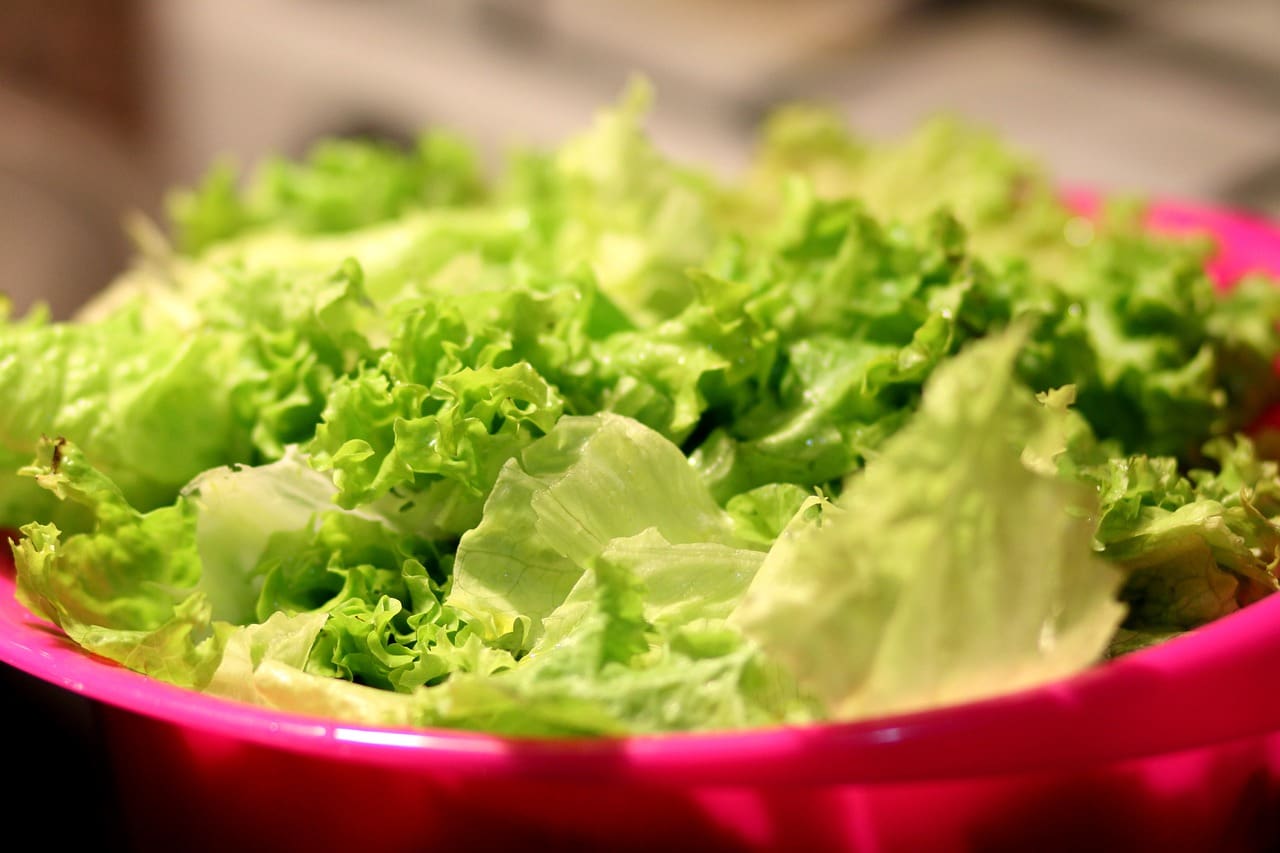
The base of any salad is typically a bed of leafy greens. While iceberg lettuce is a common choice, there are many other options to consider that offer more nutritional benefits. Spinach, kale, arugula, and mixed greens are all popular choices that add a variety of flavors and textures to your salad. Experiment with different types of greens to find the combination that you enjoy the most.
Incorporating a Variety of Vegetables
One of the best ways to boost the nutritional value of your salad is by adding a variety of colorful vegetables. Bell peppers, cucumbers, tomatoes, carrots, and broccoli are all excellent choices that provide a range of vitamins, minerals, and antioxidants. Aim to include a mix of raw and cooked vegetables to add different textures and flavors to your salad.
Adding Lean Proteins
Proteins are essential for building and repairing tissues in the body, making them an important component of a healthy salad. Grilled chicken, salmon, tofu, chickpeas, and hard-boiled eggs are all great sources of lean protein that can be added to your salad. Be sure to choose proteins that are cooked in a healthy way, such as grilling, baking, or boiling, to minimize added fats and calories.

Incorporating Healthy Fats
Healthy fats are an important part of a balanced diet and can help keep you feeling full and satisfied after a meal. Avocado, nuts, seeds, and olive oil are all sources of healthy fats that can be added to your salad. These ingredients not only add flavor and texture but also provide essential nutrients like omega-3 fatty acids and vitamin E.
Choosing Whole Grains
Whole grains are a great way to add fiber and complex carbohydrates to your salad, helping to keep you full and energized throughout the day. Quinoa, brown rice, barley, and farro are all nutritious options that can be added to your salad as a base or topping. Consider cooking the grains in low-sodium broth or seasoning them with herbs and spices to add flavor without extra calories.
Making Homemade Dressings
Store-bought salad dressings are often loaded with added sugars, unhealthy fats, and preservatives. Instead of reaching for a bottle, try making your own homemade dressings to add flavor to your salad without the unnecessary extras. A simple vinaigrette made with olive oil, vinegar, mustard, and herbs is a healthier alternative that can be customized to your taste preferences.
Experimenting with Herbs and Spices
Herbs and spices are a great way to add flavor to your salad without extra calories or sodium. Fresh herbs like basil, cilantro, mint, and parsley can be chopped and sprinkled over your salad for a burst of freshness. Spices like cumin, paprika, turmeric, and cinnamon can be used to add warmth and depth of flavor to your salad. Don’t be afraid to get creative and experiment with different combinations to find what you like best.
Incorporating Fresh Fruit
Fresh fruit adds a touch of sweetness to your salad and provides essential vitamins and minerals. Berries, citrus fruits, apples, pears, and grapes are all great options that can be added to your salad to elevate the flavor profile. Consider pairing fruit with savory ingredients like nuts, cheese, and balsamic vinegar for a unique and delicious combination.
Building a Balanced Plate
When creating a healthy salad, it’s important to think about balance and portion sizes. Aim to fill half of your plate with vegetables, one-quarter with lean protein, and one-quarter with whole grains or healthy fats. This will ensure that you are getting a mix of essential nutrients and staying satisfied throughout the day. Don’t forget to listen to your body’s hunger cues and stop eating when you feel satisfied, rather than when your plate is empty.
In conclusion, building a healthy salad is not only simple but also delicious and satisfying. By incorporating a mix of nutritious ingredients like vegetables, fruits, lean proteins, healthy fats, and whole grains, you can create a meal that is both nourishing and flavorful. Experiment with different combinations of ingredients, herbs, spices, and dressings to find what you enjoy the most. Remember to focus on balance, portion sizes, and listening to your body’s hunger cues to create a salad that leaves you feeling energized and satisfied.