
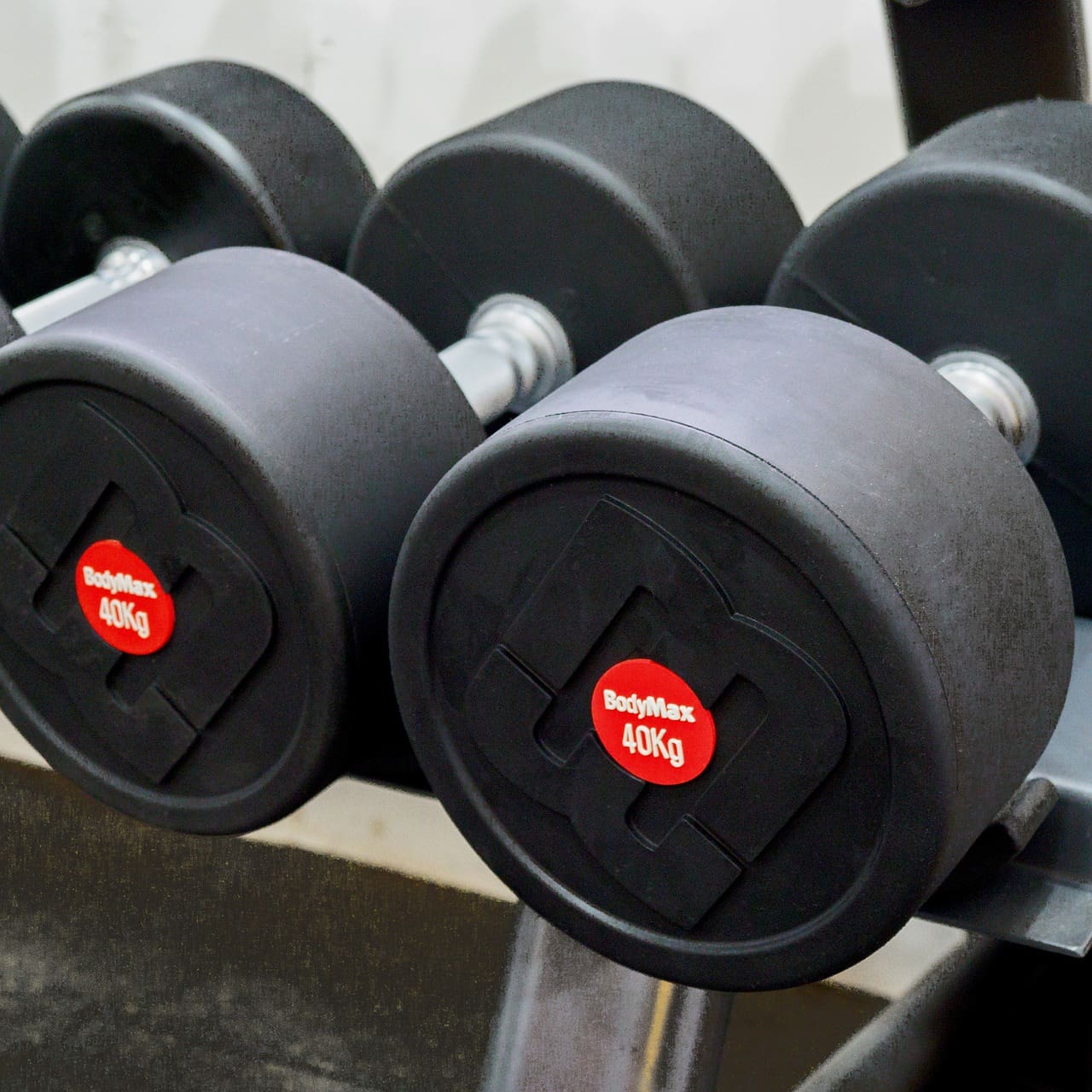
If you’re a man looking to bulk up and build muscle mass, you’ve come to the right place! This article will provide you with the top ways to effectively increase your muscle size and strength. From incorporating the right exercises and following a proper diet, to ensuring adequate rest and recovery, we’ve got you covered. So, get ready to sculpt that dream physique and unleash your full potential with these expert tips on building muscle mass for men.
Weightlifting
Compound Exercises
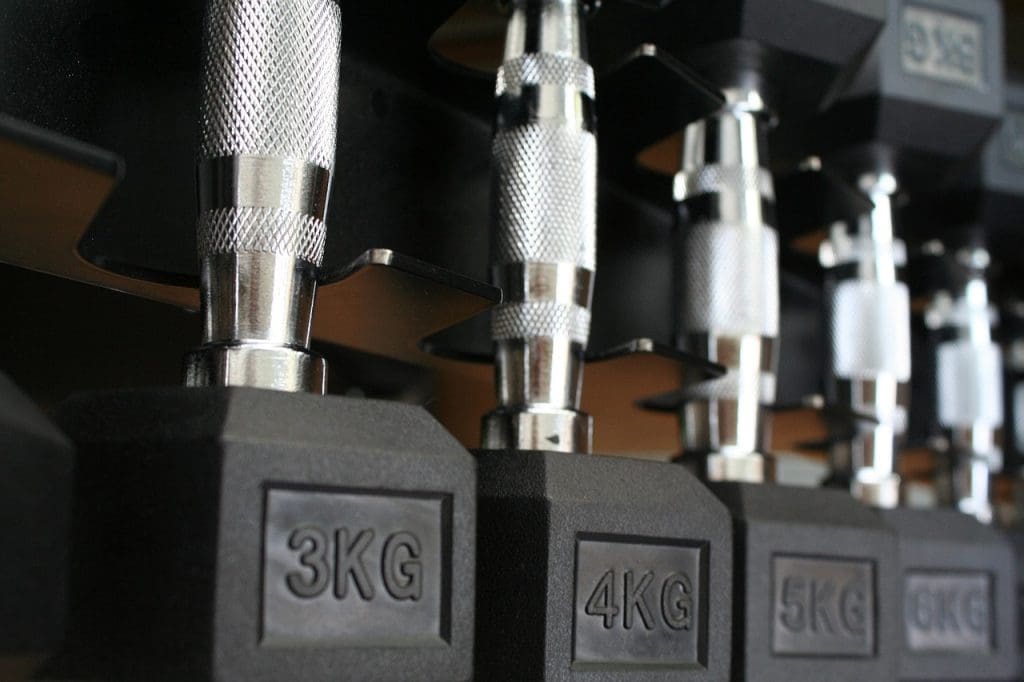
Compound exercises are a crucial part of any effective muscle-building program. These exercises involve multiple muscle groups and joints, allowing you to lift heavier weights and activate more muscles at once. Examples of compound exercises include squats, deadlifts, bench press, and overhead press. By incorporating compound exercises into your weightlifting routine, you can maximize muscle growth and improve overall strength.
Progressive Overload
Progressive overload is the key to building muscle mass. It involves consistently increasing the demands you place on your muscles, whether through increasing the weight you lift, the number of reps and sets you perform, or by reducing rest time between sets. By progressively overloading your muscles, you force them to adapt and grow stronger over time. Keep track of your progress and aim to gradually increase the intensity of your workouts to continue making gains.
Proper Form
Maintaining proper form during weightlifting is not only important for maximizing results but also for preventing injuries. Ensure that you have the correct technique for each exercise and focus on performing the movements with good posture, control, and a full range of motion. If you’re unsure about proper form, consider working with a personal trainer or doing research to ensure you are lifting safely and effectively.
Split Routine
A split routine involves dividing your workouts into different muscle groups or movement patterns on different days. For example, you might dedicate one day to working on your chest and triceps, another day for back and biceps, and separate days for legs and shoulders. This allows you to target specific muscles more intensely and allows for proper rest and recovery between workouts. Experiment with different split routines to find the one that works best for you and your goals.
Nutrition
Caloric Surplus
Building muscle mass requires consuming more calories than you burn, which is known as being in a caloric surplus. It’s important to eat enough food to provide the necessary energy and nutrients for muscle growth. Calculate your Total Daily Energy Expenditure (TDEE) and aim to consume slightly more calories than that to create a surplus. However, be mindful of the quality of the calories you consume and focus on nutrient-dense foods to fuel your workouts effectively.
Protein Intake
Protein is the building block of muscles, so it’s essential to ensure an adequate intake to support muscle growth. Aim for consuming around 1.6-2.2 grams of protein per kilogram of body weight per day. Including lean sources of protein such as chicken, turkey, fish, eggs, dairy products, and plant-based options like tofu and legumes in your diet will help you meet your protein needs.
Carbohydrates and Fats
Carbohydrates serve as an important source of energy for your workouts, while fats contribute to hormone production and other essential bodily functions. Include complex carbohydrates like whole grains, fruits, and vegetables in your meals to provide sustained energy, and incorporate healthy fats such as avocados, nuts, seeds, and olive oil into your diet. Finding the right balance of carbohydrates and fats is crucial for supporting muscle growth and overall health.
Meal Timing
To optimize muscle growth and recovery, pay attention to meal timing. Aim to eat a balanced meal or snack containing protein and carbohydrates within 1-2 hours before and after your workout. This helps to provide your muscles with the necessary nutrients to support repair and growth. Additionally, spacing out your meals evenly throughout the day can help maintain a steady energy supply and support muscle-building efforts.

Supplementation
Creatine
Creatine is a popular supplement among weightlifters and athletes due to its ability to enhance performance and promote muscle growth. It helps supply energy to the muscles during high-intensity exercises and may also increase muscle protein synthesis. Consider taking creatine as part of your supplement regimen, following the recommended dosage and consulting with a healthcare professional if needed.
Protein Powder
Protein powder can be a convenient and efficient way to meet your daily protein requirements, especially for individuals who struggle to consume enough protein through whole foods alone. Whey protein, casein protein, and plant-based protein powders are common options. Choose a high-quality protein powder that fits your dietary preferences and goals and use it as a supplement to your regular meals and snacks.
Branched-Chain Amino Acids (BCAAs)
BCAAs are a group of essential amino acids that play a crucial role in muscle building and recovery. They can help reduce muscle damage, decrease muscle soreness, and promote muscle protein synthesis. Consuming BCAAs as a supplement before, during, or after workouts can support your muscle-building efforts. However, keep in mind that maintaining a balanced and varied diet is the foundation for proper nutrition.
Beta-Alanine
Beta-alanine is an amino acid that can enhance muscle endurance during high-intensity exercises. It works by increasing the production of carnosine, a compound that helps buffer acidity in the muscles and delays fatigue. Including beta-alanine supplementation as part of your routine may improve your performance and allow you to push harder during your workouts.
Rest and Recovery
Adequate Sleep
Getting enough high-quality sleep is vital for muscle growth and overall health. During sleep, your body repairs and rebuilds muscles, and releases growth hormones that support tissue growth. Aim for 7-9 hours of uninterrupted sleep each night and practice good sleep hygiene by creating a conducive sleep environment free from distractions and ensuring a consistent sleep schedule.
Rest Days
Rest days are just as important as days spent in the gym. They give your muscles time to recover and repair from the stress of intense workouts. Plan rest days into your training routine, allowing yourself time to rest, relax, and engage in activities that promote overall well-being such as stretching, yoga, or leisurely walks.
Active Recovery
Active recovery involves engaging in low-intensity activities on rest days to help promote blood flow, reduce muscle soreness, and aid in recovery. This can include light cardio exercises, mobility work, foam rolling, or gentle stretching. Engaging in active recovery can help support muscle repair while preventing excessive fatigue and stiffness.
Stretching and Mobility
Incorporating stretching and mobility exercises into your routine can help improve flexibility, prevent injuries, and enhance muscle recovery. Spend time stretching before and after your workouts, focusing on the major muscle groups and areas of tightness. Additionally, consider adding mobility exercises such as yoga or Pilates to your routine to improve joint mobility and overall body flexibility.
Progress Tracking
Setting Goals
Setting specific and measurable goals is essential to stay motivated and track your progress. Determine what you want to achieve, whether it’s increasing your strength, building muscle mass, or improving your overall physique. Break down your goals into smaller milestones and regularly reassess your progress to stay on track and make necessary adjustments to your training and nutrition plans.
Keeping a Workout Journal
Keeping a workout journal can be a valuable tool for tracking your exercises, sets, reps, and weights. It allows you to monitor your progress, identify patterns, and adjust your training accordingly. Additionally, jotting down your feelings or any specific cues during each workout session can help you improve your mind-muscle connection and gain a better understanding of how your body responds to different exercises.
Measuring Body Composition
Tracking changes in body composition can be an effective way to monitor your muscle-building progress. Consider using tools like body fat calipers, body circumference measurements, or progress photos to assess changes in your physique over time. Remember that muscle gain may not always be reflected in the number on the scale, so focusing on overall body composition can provide a more accurate picture of your progress.
Tracking Strength Gains
Progressive overload and strength gains go hand in hand. Keep a record of the weights you lift for each exercise and monitor how your strength increases over time. Celebrate even the smallest improvements, as they indicate progress and serve as a source of motivation. Having tangible evidence of your growing strength can also help you set new goals and push yourself further in your workouts.
Hormonal Optimization
Testosterone Levels
Optimizing testosterone levels can contribute to muscle growth and overall well-being. Regular weightlifting, adequate sleep, managing stress levels, maintaining a balanced diet, and ensuring sufficient vitamin D levels can all help support healthy testosterone production. However, it’s important to note that the role of testosterone in muscle growth varies from person to person, and natural levels may not be significantly affected by lifestyle changes.
Reducing Stress
Chronic stress can hinder muscle growth and recovery by increasing levels of the stress hormone cortisol, which can have a catabolic effect on muscle tissue. Incorporating stress-management techniques such as meditation, deep breathing exercises, or engaging in activities you enjoy can help reduce stress levels and support optimal muscle-building conditions.
Getting Sufficient Vitamin D
Vitamin D is crucial for many bodily functions, including muscle function and growth. Spend time outdoors or consider taking a vitamin D supplement to ensure you maintain adequate levels. Consulting with a healthcare professional to determine the right dose for you is recommended.
Avoiding Overtraining
While consistency and hard work are important in muscle-building, it’s essential to avoid overtraining. Overtraining can lead to decreased muscle mass, increased risk of injuries, and hindered progress. Pay attention to your body’s signals and allow for proper rest and recovery between workouts. If you experience persistent fatigue, decreased performance, or other signs of overtraining, consider scaling back your training intensity or seeking professional guidance.
Proper Hydration
Water Intake
Proper hydration is crucial for overall health and optimizing muscle function. Aim to drink water consistently throughout the day, even when you’re not exercising. The general recommendation is to drink at least 8 cups (64 ounces) of water per day, but individual needs may vary depending on factors such as body size, activity level, and climate.
Electrolyte Balance
Electrolytes are minerals that help regulate muscle contractions and fluid balance in the body. Maintaining an electrolyte balance is particularly important when you engage in intense workouts or exercise in hot environments, as sweating can lead to electrolyte depletion. Consider consuming electrolyte-rich foods such as bananas, oranges, leafy greens, and incorporating sports drinks or electrolyte supplements when necessary.
Pre and Post-Workout Hydration
Hydrating properly before and after workouts is essential for optimal performance and recovery. Aim to drink water or a sports drink containing electrolytes before your workout to ensure adequate hydration. After your workout, replenish fluids by drinking water and considering a post-workout recovery drink that contains a balance of carbohydrates and electrolytes to help restore glycogen stores and promote recovery.
Avoiding Dehydration
Dehydration can have negative effects on both your performance and recovery. Be mindful of the signs of dehydration, such as dry mouth, dark-colored urine, fatigue, and dizziness. Make it a priority to drink fluids regularly throughout the day, especially during and after workouts, to maintain proper hydration levels and support muscle growth.
Cardiovascular Exercise
High-Intensity Interval Training (HIIT)
Incorporating HIIT into your routine can help enhance cardiovascular fitness while minimizing the risk of muscle loss. HIIT involves short bursts of intense exercise followed by periods of active recovery. This type of training can be more time-efficient than traditional steady-state cardio workouts and can be performed using various exercises such as sprinting, cycling, or bodyweight exercises.
Incorporating Low-Impact Cardio
Low-impact cardio exercises, such as swimming, cycling, or using an elliptical machine, can be beneficial for cardiovascular health while minimizing joint stress and impact on the body. Incorporating low-impact cardio into your routine can provide variety, improve stamina, and support recovery on days when you want to give your muscles a break from weightlifting.
Balancing Cardio and Weightlifting
Finding the right balance between cardiovascular exercise and weightlifting is important to avoid interfering with muscle growth. Too much cardio can impede progress by burning excess calories and potentially leading to muscle loss. Aim to find a balance that supports your overall goals and consider incorporating cardio sessions on separate days from your weightlifting workouts to prioritize muscle growth and recovery.
Improving Stamina
Improving stamina is beneficial for both cardiovascular health and overall fitness. Increasing the duration and intensity of your cardio workouts gradually over time can help build endurance. Consistency is key when it comes to improving stamina, so aim to incorporate regular cardio sessions into your routine to see gradual improvements in your aerobic capacity.
Mind-Muscle Connection
Focusing on the Target Muscle
Mind-muscle connection refers to the ability to mentally focus on the muscle being worked during an exercise. By directing your attention to the target muscle and consciously contracting and engaging it throughout the movement, you can maximize muscle activation and stimulate better growth. Visualize the muscle working and concentrate on feeling the muscle contract with each repetition.
Controlled and Slow Movements
Performing exercises with controlled and slow movements increases time under tension and allows for better muscle recruitment. Focus on maintaining proper form and tempo, emphasizing the eccentric (lowering) phase of each exercise. By consciously slowing down and controlling the movement, you can enhance the mind-muscle connection and stimulate greater muscle growth.
Engaging Stabilizer Muscles
Many exercises involve not only the target muscle but also various stabilizer muscles. Engaging these stabilizer muscles is important for proper form and preventing imbalances and injuries. Pay attention to activating and stabilizing these muscles throughout your workouts, such as the core during compound exercises or the posterior chain during squat and deadlift movements.
Visualization Techniques
Incorporating visualization techniques can be a powerful tool for enhancing your workouts and improving the mind-muscle connection. Before your workout, visualize yourself successfully performing each exercise with perfect form and focus on the muscles being worked. Engaging in this mental rehearsal can help enhance your performance and overall muscle-building efforts.
Consistency and Patience
Establishing a Routine
Consistency is crucial when it comes to building muscle mass. Establishing a regular workout routine that aligns with your goals and fits your schedule is key. Make exercise a priority and aim to stick to your planned workouts as much as possible. Consistency builds momentum, helps you make progress, and ultimately leads to long-term muscle growth.
Avoiding Plateaus
Plateaus are common in any fitness journey, but they can be overcome with proper strategies and a willingness to adapt. To avoid plateaus, regularly change up your training routine, vary exercises, increase weights or resistance, adjust rep ranges, and introduce new training techniques. Continuously challenging your muscles in different ways helps prevent adaptation and keeps progress moving forward.
Understanding Natural Limits
It’s important to understand and accept your natural limits when it comes to muscle growth. Genetics, age, and other factors can play a role in determining your ultimate muscle-building potential. Recognize that everyone’s journey is different, and focus on maximizing your individual potential rather than comparing yourself to others. Embrace and celebrate your progress at each stage of your fitness journey.
Embracing the Long Game
Building muscle mass takes time and consistent effort. It’s important to approach your fitness journey with patience and a long-term mindset. Recognize that significant muscle gains won’t happen overnight and that sustainable progress requires dedication, consistency, and a focus on overall health. Embrace the process, enjoy the journey, and celebrate small victories along the way. Remember, the rewards of building a strong, healthy body are worth the time and effort invested.
In conclusion, building muscle mass requires a comprehensive approach that encompasses weightlifting, proper nutrition, supplementation, rest and recovery, progress tracking, hormonal optimization, hydration, cardiovascular exercise, mind-muscle connection, and consistency combined with patience. By following these guidelines and incorporating them into your lifestyle, you can optimize your muscle-building efforts and achieve your goals in a healthy and sustainable manner. Keep in mind that everyone’s journey is unique, so listen to your body, make adjustments as needed, and always consult with a healthcare professional or qualified trainer if you have any specific concerns. With dedication and a positive mindset, you can build the strong and muscular physique you desire. Good luck on your muscle-building journey!