

Are you tired of dealing with uncomfortable bloating and gas? Look no further! In this article, you will discover the top ways to combat these pesky issues through simple diet changes. Say goodbye to the discomfort and hello to a happier digestive system. It’s time to take control of your body and make positive changes that will leave you feeling lighter and more energized. Let’s dive into the top ways to combat bloating and gas through diet.
Increase Fiber Intake
Include more fruits and vegetables in your diet
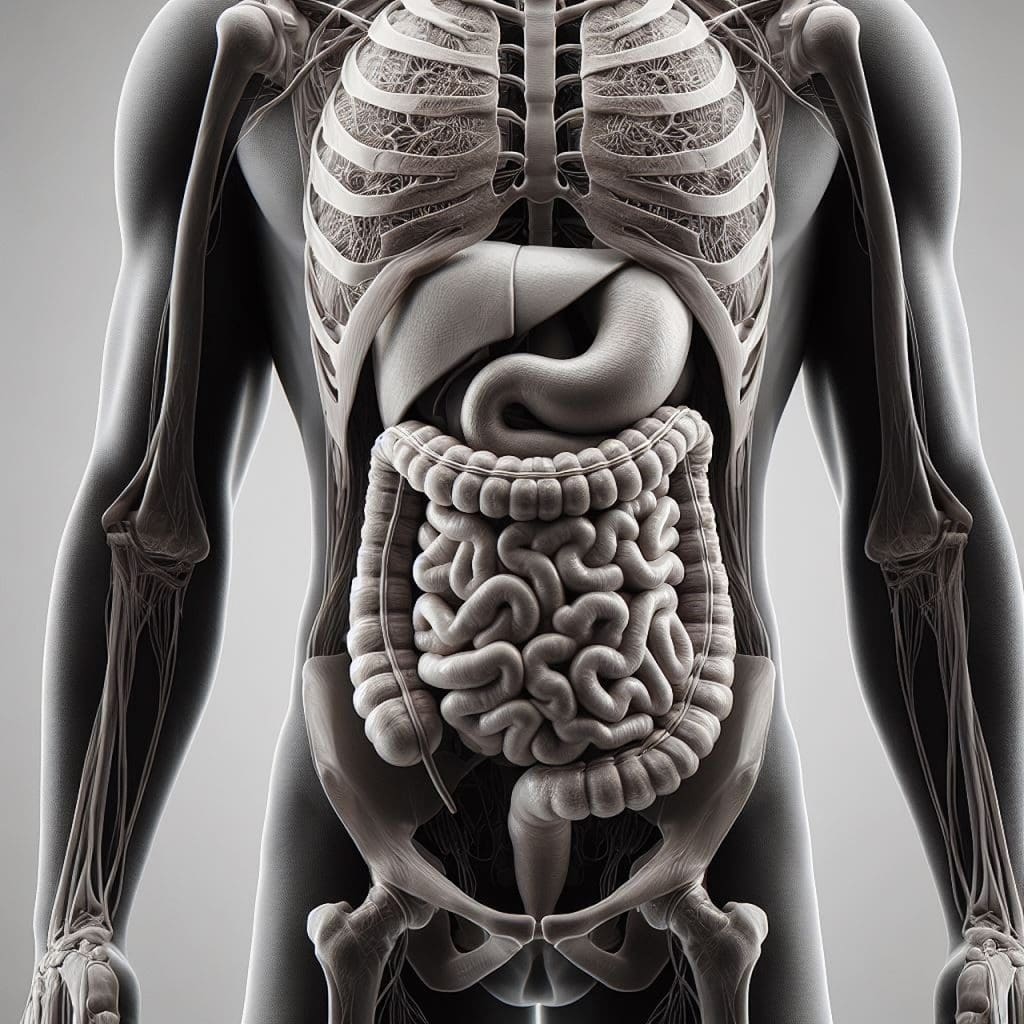
When it comes to combatting bloating and gas, one of the most effective strategies is to increase your fiber intake. Fruits and vegetables are a great source of fiber and should be a staple in your diet. You can easily incorporate them into your meals by adding a variety of colorful fruits and vegetables to your salads, smoothies, or as a side dish with your main meals. Not only will they provide you with essential nutrients, but they will also help to keep your digestive system regular.
Choose whole grains over refined grains
Another way to boost your fiber intake is by choosing whole grains over refined grains. Whole grains like brown rice, quinoa, and oats are rich in fiber, while refined grains like white rice and white bread are stripped of their fiber content. By opting for whole grain options, you can ensure that you are providing your body with the necessary fiber to support a healthy digestive system, while also keeping you feeling full and satisfied.
Incorporate legumes and beans into your meals
Legumes and beans are not only a great source of vegetarian protein, but they also contain high amounts of fiber. They can be easily incorporated into your meals and provide a satisfying and filling addition to any dish. Whether you choose to add them to salads, soups, or main dishes, legumes and beans will not only improve your overall digestion but also help to reduce bloating and gas.
Stay Hydrated
Drink plenty of water throughout the day
Staying hydrated is crucial for maintaining good digestive health. Water helps to soften the stool and makes it easier for your body to eliminate waste. Aim to drink at least 8 cups (64 ounces) of water per day to ensure that you are adequately hydrated. Remember to drink water throughout the day, not just during mealtimes, to promote healthy digestion.
Limit or avoid carbonated drinks and alcohol
While it’s okay to indulge in carbonated drinks and alcohol occasionally, excessive consumption can lead to bloating and gas. Carbonated drinks release gas into your digestive system, which can cause discomfort and bloating. Similarly, alcohol can irritate the stomach lining and contribute to digestive issues. Limiting or avoiding these beverages can significantly reduce bloating and gas.
Try herbal teas to aid digestion
If you’re looking for alternatives to water, herbal teas can be a great option to stay hydrated while also aiding digestion. Certain herbal teas, such as peppermint or ginger tea, have natural digestive properties and can help alleviate bloating and gas. They can be enjoyed hot or cold, and you can experiment with different flavors to find the ones that work best for you.
Avoid Trigger Foods
Identify foods that cause bloating and gas for you
One of the key steps in combating bloating and gas is identifying the foods that trigger these symptoms for you. Common culprits include beans, lentils, broccoli, cabbage, onions, and carbonated drinks, but everyone’s triggers may vary. Start by keeping a food diary and tracking your symptoms after each meal. This will help you identify patterns and determine which foods may be causing your bloating and gas.
Keep a food diary to track your symptoms
A food diary can be a useful tool in pinpointing the foods that are causing you discomfort. Make a note of everything you eat and drink throughout the day, along with any symptoms you experience afterwards. Take note of the time, quantity, and any other relevant information. Over time, you may start to notice patterns and trends that can guide you in making dietary changes to reduce bloating and gas.
Eat Smaller, More Frequent Meals
Opt for 4-6 small meals instead of 3 large meals
Instead of consuming three large meals a day, consider spreading your caloric intake throughout the day with smaller, more frequent meals. This approach can aid in digestion by giving your body ample time to process and break down the food. It can also help to prevent overeating and reduce the likelihood of experiencing bloating and discomfort after meals.
Avoid overeating and chewing gum
Overeating can put additional stress on your digestive system and increase the likelihood of experiencing bloating and gas. It’s important to listen to your body’s signals of fullness and stop eating when you feel satisfied. Additionally, chewing gum can cause you to swallow excess air, which can contribute to bloating. Opt for alternate methods to freshen your breath and reduce the amount of air you swallow.
Give your body time to digest between meals
After a meal, it’s important to give your body ample time to digest before consuming another meal or snack. Rushing through meals and not allowing your body time to process the food can lead to indigestion, bloating, and gas. Aim to wait at least two to three hours between meals to give your body enough time to complete the digestion process.
Limit Fatty and Greasy Foods
Reduce consumption of fried foods and fatty meats
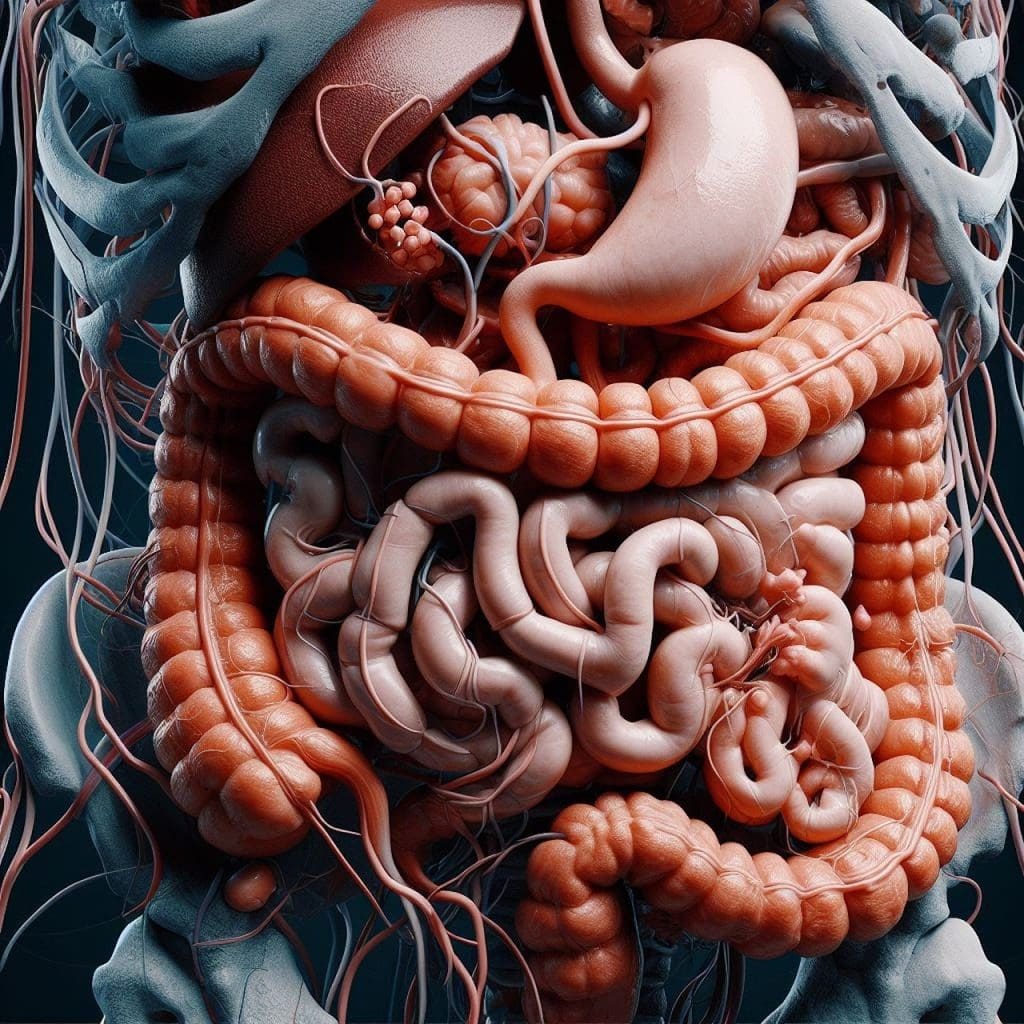
Fried foods and fatty meats can be delicious, but they can also contribute to bloating and gas. These foods are often high in saturated and trans fats, which can slow down digestion and cause discomfort. Limit your consumption of fried foods and opt for healthier cooking methods such as baking, grilling, or steaming. This will help to reduce the amount of unhealthy fats in your diet and promote better digestion.
Choose lean proteins like chicken, fish, and tofu
When it comes to protein sources, lean options like chicken, fish, and tofu are your best bet. These proteins are easier for your body to digest compared to fatty meats, and they provide essential nutrients without the added fat. By incorporating lean proteins into your meals, you can support healthy digestion and reduce the risk of bloating and gas.
Opt for cooking methods like baking or grilling
The way you cook your food can greatly impact its nutritional content and how easily your body can digest it. Instead of frying or deep-frying, try baking, grilling, or steaming your food. These cooking methods help to retain nutrients while reducing the amount of added fats, making it easier for your body to digest the food and minimize the likelihood of bloating or gas.
Manage Stress Levels
Practice relaxation techniques such as deep breathing or meditation
Stress can have a significant impact on your digestive system and contribute to symptoms like bloating and gas. Making an effort to manage your stress levels can help alleviate these symptoms. Practice relaxation techniques such as deep breathing exercises or meditation to calm both your mind and your body. These techniques can help reduce stress and promote better digestion.
Engage in physical activities like yoga or walking
Physical activities, such as yoga or walking, can also help to reduce stress levels and improve digestion. These activities promote relaxation, enhance blood flow to the digestive system, and encourage regular bowel movements. Incorporating regular exercise into your routine can have a positive impact on your overall digestive health.
Get enough sleep and prioritize self-care
Getting adequate rest is crucial for your overall health, including your digestion. Lack of sleep can increase stress levels and disrupt normal bodily functions, including digestion. Aim for 7-8 hours of quality sleep each night and prioritize self-care practices that help you relax and recharge. This will support a healthy digestive system and reduce the chances of experiencing bloating and gas.
Add Probiotics to Your Diet
Consume probiotic-rich foods like yogurt, kefir, and sauerkraut
Probiotics are beneficial bacteria that can help maintain a healthy gut flora and improve digestion. Incorporating probiotic-rich foods into your diet can support a balanced digestive system. Foods like yogurt, kefir, and sauerkraut are excellent sources of natural probiotics. Enjoy them as a snack or include them in your meals to boost your intake of these beneficial bacteria.
Consider taking a probiotic supplement
If you find it challenging to consume enough probiotic-rich foods, a probiotic supplement can be a convenient option to ensure you’re getting sufficient amounts of beneficial bacteria. Consult with your healthcare provider to determine the best probiotic supplement for your needs and to ensure it aligns with any existing health conditions or medications you may be taking.
Probiotics help promote a healthy gut flora
Probiotics play a crucial role in maintaining a healthy gut flora, which is essential for optimal digestion. They can help restore a balance of beneficial bacteria in your digestive system, leading to improved digestion and reduced bloating and gas. By incorporating probiotics into your diet, whether through food or supplements, you can support a healthy gut flora and promote better digestive health.
Avoid Chewing Gum and Drinking Through a Straw
Chewing gum and using straws can cause you to swallow air
Chewing gum and drinking through a straw may seem harmless, but they can actually contribute to bloating and gas. When you chew gum, you tend to swallow more air, which can lead to excess gas in your digestive system. Similarly, using a straw can also cause you to ingest more air, potentially leading to bloating and discomfort. To reduce your risk of bloating and gas, choose alternate methods for freshening your breath and drinking beverages.
Choose alternate methods for freshening your breath
If you’re used to relying on chewing gum for fresh breath, consider alternatives that do not involve excessive air swallowing. Opt for sugar-free mints or natural breath fresheners that do not contribute to bloating. By making this small change, you can maintain fresh breath without potentially worsening your bloating and gas symptoms.
Try Peppermint or Ginger
Peppermint and ginger have natural digestive properties
Peppermint and ginger are widely recognized for their natural digestive properties. Peppermint contains menthol, which helps relax the muscles in your digestive tract and reduce bloating and gas. Ginger, on the other hand, contains compounds that aid in digestion and have anti-inflammatory properties. Incorporating these herbs into your diet can help alleviate bloating and discomfort.
Drink peppermint or ginger tea
One of the easiest ways to incorporate the benefits of peppermint and ginger into your diet is by drinking them as tea. Peppermint tea can be especially soothing for digestive issues, while ginger tea can help reduce inflammation and improve digestion. Brew a cup of these teas when you experience bloating or gas, or simply enjoy them as a regular part of your daily routine.
Chew on peppermint leaves or ginger candies
If you prefer a more direct approach, you can also chew on fresh peppermint leaves or ginger candies, which can provide quick relief from bloating and gas. The act of chewing helps release the natural properties of these herbs, allowing them to have a more immediate effect on your digestive system. Keep some peppermint leaves or ginger candies handy for whenever you need a natural remedy for bloating and gas.
Slow Down While Eating
Eat slowly and chew your food thoroughly
Eating too quickly is a common habit that can contribute to bloating and gas. When you eat too fast, you tend to swallow more air, which can cause discomfort in the form of bloating. To combat this, make a conscious effort to eat slowly and chew your food thoroughly. This not only aids digestion but also allows you to enjoy your meals more mindfully.
Eating too quickly can lead to swallowing air
As mentioned earlier, eating too quickly can lead to swallowing excess air, which can contribute to bloating and gas. By slowing down your eating pace and paying attention to the food you’re consuming, you can reduce the amount of air you swallow and decrease the risk of experiencing discomfort afterwards.
Enjoy your meals and be mindful of your body’s signals of fullness
In addition to slowing down while eating, it’s important to be mindful of your body’s signals of fullness. Pay attention to how your body feels as you eat, and stop when you feel satisfied, rather than overly full. Overeating can lead to bloating and gas, so by being more in tune with your body’s needs, you can prevent these symptoms and support better digestion.