
Welcome to a helpful guide on the top ways to control symptoms of rheumatoid arthritis. Living with this condition can be challenging, but there are effective strategies that can help you manage your symptoms and improve your quality of life. From medication management to lifestyle changes, this article will provide you with practical tips and advice on how to minimize pain and discomfort associated with rheumatoid arthritis. By incorporating these strategies into your daily routine, you can take control of your health and well-being.
Top Ways To Control Symptoms Of Rheumatoid Arthritis
Living with rheumatoid arthritis can be challenging, but there are ways to manage and control the symptoms to improve your quality of life. In this article, we will discuss the top ways to control the symptoms of rheumatoid arthritis and provide you with helpful tips to make your daily life more manageable.
Understanding Rheumatoid Arthritis
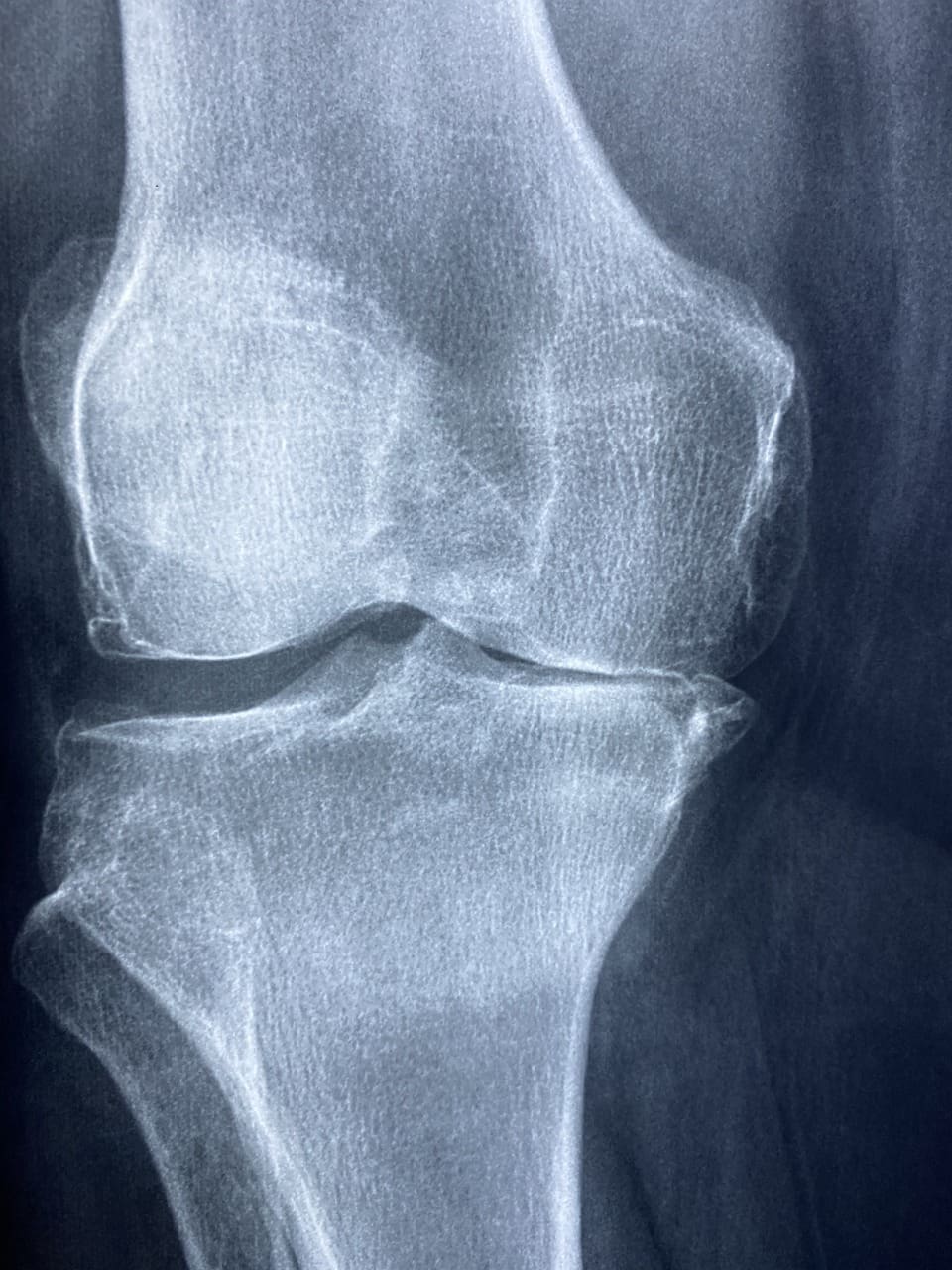
Before diving into ways to control the symptoms of rheumatoid arthritis, let’s first understand what this condition is. Rheumatoid arthritis is an autoimmune disease that causes inflammation in the joints, leading to pain, swelling, stiffness, and decreased mobility. It can affect people of all ages, but it is more common in women and usually develops between the ages of 30 and 60.
Understanding the underlying cause of rheumatoid arthritis can help you make informed decisions about managing the condition. By working closely with your healthcare provider, you can create a personalized treatment plan that addresses your specific needs and symptoms.
Stay Active with Exercise
One of the most effective ways to control the symptoms of rheumatoid arthritis is through regular exercise. While it may seem counterintuitive to move when you are experiencing joint pain and stiffness, exercise can help improve your flexibility, strength, and overall joint function.
You don’t have to engage in high-impact activities to reap the benefits of exercise. Low-impact exercises such as swimming, walking, yoga, and tai chi are gentle on the joints while still providing a great workout. Aim to incorporate at least 30 minutes of exercise into your daily routine to help manage the symptoms of rheumatoid arthritis.
Maintain a Healthy Diet
Eating a balanced and nutritious diet is essential for managing the symptoms of rheumatoid arthritis. Certain foods can help reduce inflammation in the body and promote overall joint health. Incorporating anti-inflammatory foods such as fatty fish, nuts, seeds, fruits, and vegetables into your diet can help alleviate joint pain and stiffness.
Avoiding processed foods, sugary snacks, and foods high in saturated fats can also help reduce inflammation and improve your overall health. Working with a dietitian or nutritionist can help you create a meal plan that meets your dietary needs and supports your efforts to control the symptoms of rheumatoid arthritis.
Manage Stress Levels
Stress can exacerbate the symptoms of rheumatoid arthritis, making pain and inflammation worse. Finding ways to manage stress and reduce anxiety is crucial for maintaining your overall well-being and controlling the symptoms of this condition.
Practicing relaxation techniques such as deep breathing, meditation, mindfulness, and yoga can help alleviate stress and promote a sense of calm. Engaging in activities you enjoy, spending time with loved ones, and seeking support from a therapist or counselor can also help you cope with stress and improve your quality of life.
Get Enough Sleep
Quality sleep is essential for managing the symptoms of rheumatoid arthritis. Lack of sleep can worsen pain, fatigue, and inflammation, making it harder to cope with the challenges of this condition. Establishing a consistent sleep routine and creating a relaxing bedtime environment can help improve your sleep quality and overall health.
Avoiding caffeine, electronics, and stimulating activities before bed can help you wind down and prepare for a restful night’s sleep. If you are experiencing sleep disturbances due to rheumatoid arthritis, talk to your healthcare provider about possible treatment options to help you get the rest you need.
Use Assistive Devices
Using assistive devices can help make daily tasks easier and reduce the strain on your joints. Simple tools such as jar openers, reachers, shower chairs, and ergonomic utensils can help you maintain your independence and manage the symptoms of rheumatoid arthritis more effectively.
Discussing your needs with an occupational therapist can help you identify the right assistive devices for your specific challenges and lifestyle. They can also provide valuable tips and techniques to help you navigate daily activities with greater ease and comfort.
Take Medications as Prescribed
Medications are an important part of managing the symptoms of rheumatoid arthritis. Your healthcare provider may prescribe various medications to help reduce inflammation, alleviate pain, and slow down the progression of the disease. It is essential to take your medications as prescribed and communicate any concerns or side effects with your healthcare provider.
In addition to prescription medications, over-the-counter pain relievers, topical creams, and dietary supplements can also help alleviate joint pain and stiffness. However, it is crucial to consult with your healthcare provider before starting any new medications or supplements to ensure they are safe and suitable for your condition.
Consider Alternative Therapies
In addition to traditional medications, alternative therapies can also help control the symptoms of rheumatoid arthritis. Practices such as acupuncture, massage therapy, chiropractic care, and herbal supplements can provide relief from pain and inflammation while promoting overall well-being.
Before trying any alternative therapies, be sure to consult with your healthcare provider to ensure they are safe and effective for your specific condition. Integrating alternative therapies with conventional treatments can help you achieve better results and improve your overall quality of life.
Stay Informed and Engaged
Keeping yourself informed and engaged in your treatment plan is crucial for managing the symptoms of rheumatoid arthritis effectively. Stay up to date on the latest advancements in treatment options, lifestyle changes, and self-care techniques that can help improve your quality of life.
Being an active participant in your healthcare and communicating openly with your healthcare provider can help you make informed decisions about managing your condition. Ask questions, voice your concerns, and seek support from healthcare professionals, support groups, and online resources to stay informed and engaged in your journey with rheumatoid arthritis.
Conclusion
Living with rheumatoid arthritis can be challenging, but by implementing these top ways to control the symptoms of this condition, you can improve your quality of life and overall well-being. From staying active and maintaining a healthy diet to managing stress and using assistive devices, there are many strategies you can use to manage the symptoms of rheumatoid arthritis effectively.
Remember to work closely with your healthcare provider to create a personalized treatment plan that addresses your specific needs and symptoms. By staying informed, engaged, and proactive in your care, you can take control of your rheumatoid arthritis and live your life to the fullest.