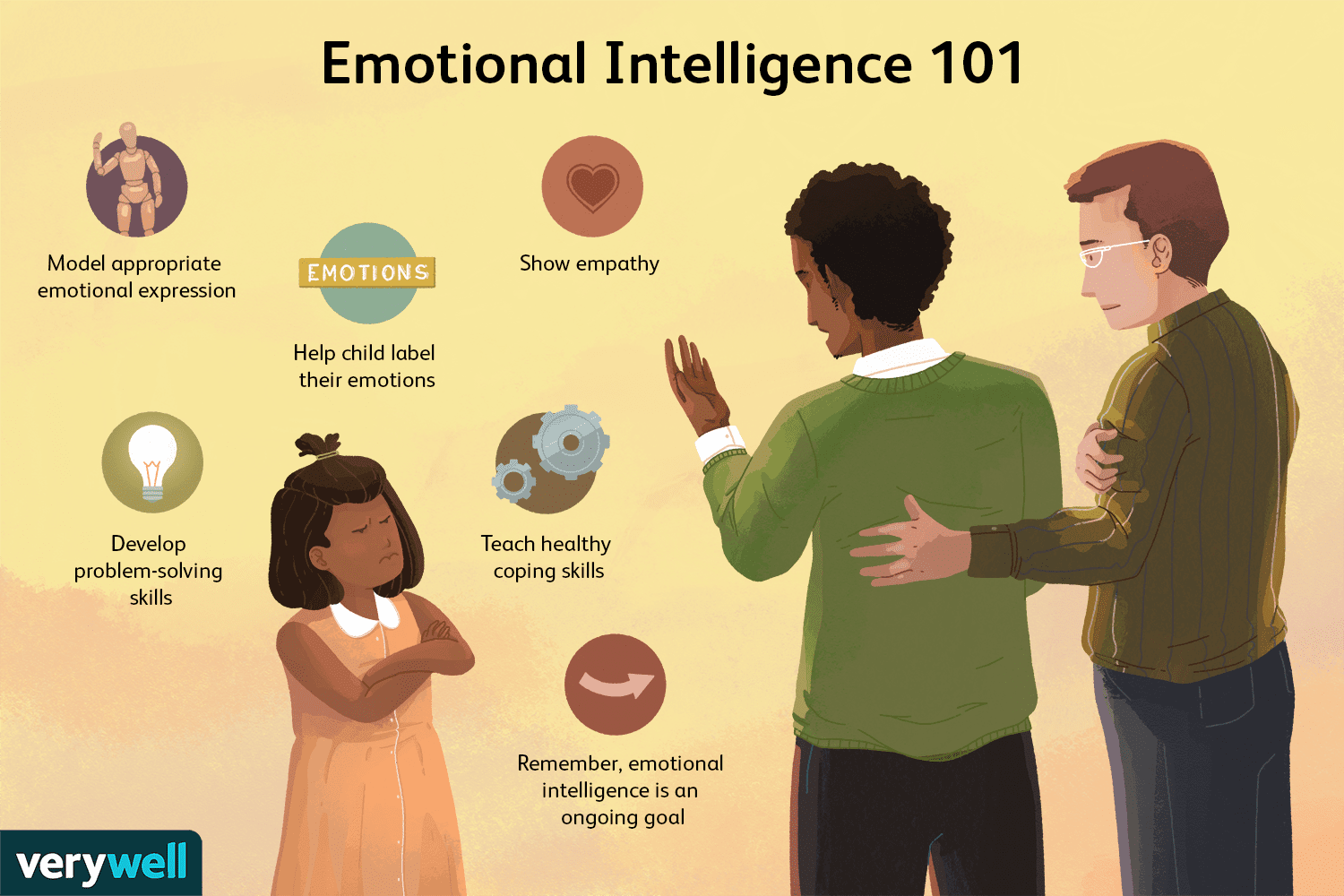
Welcome to an article that will guide you on the top ways to enhance your emotional intelligence for improved mental health. By learning how to understand and manage your emotions effectively, you can experience greater resilience, stronger relationships, and overall well-being. From practicing self-awareness to developing empathy and enhancing communication skills, these strategies will help you navigate life’s challenges with grace and positivity. Take the first step towards better emotional intelligence today for a healthier mind and heart. Have you ever wondered how you can improve your emotional intelligence to boost your mental health and well-being? By developing your emotional intelligence, you can better understand and manage your emotions, communicate effectively with others, and build stronger relationships. In this article, we will explore the top ways to enhance your emotional intelligence for improved mental health.
Understanding Emotional Intelligence
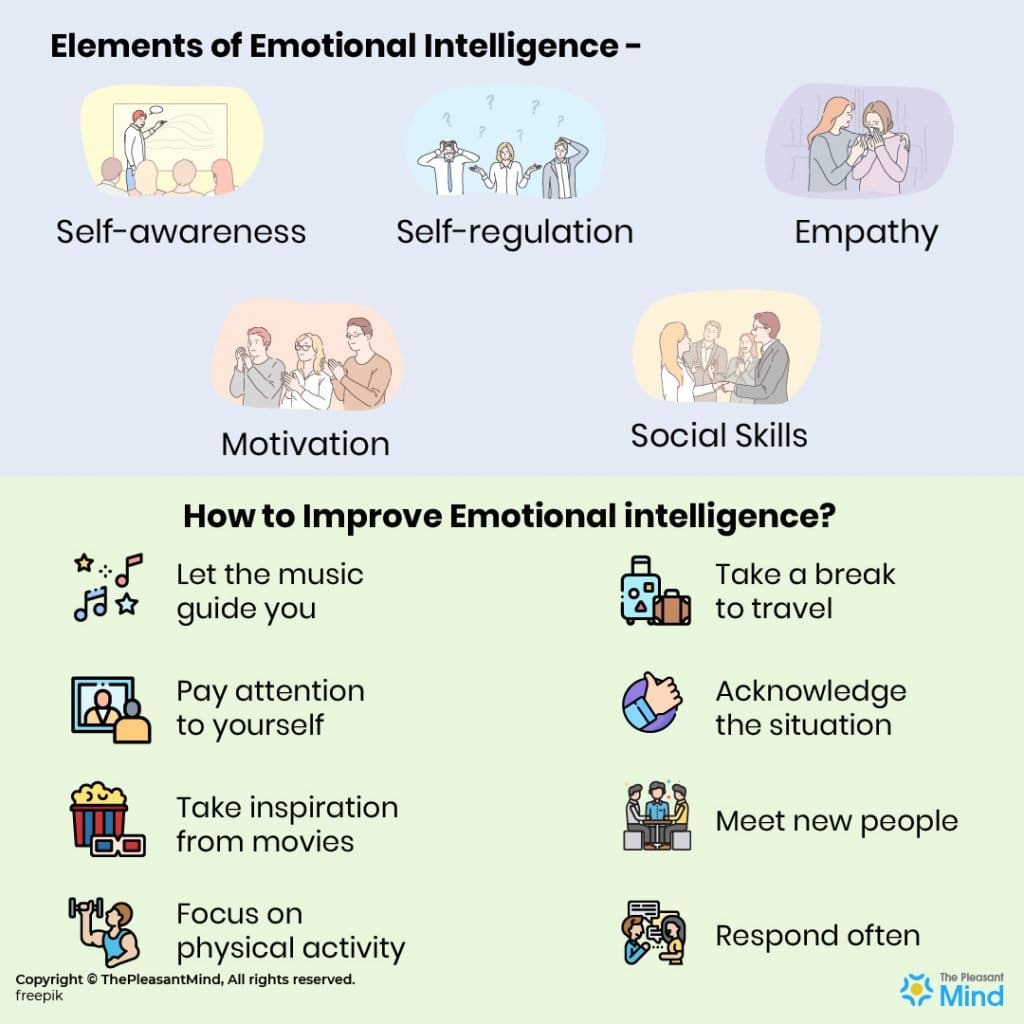
Before diving into ways to improve your emotional intelligence, let’s first understand what it is. Emotional intelligence refers to the ability to recognize, understand, and manage your own emotions, as well as the emotions of others. It involves being aware of how emotions influence your thoughts, behavior, and interactions with others. By increasing your emotional intelligence, you can develop better self-awareness, self-regulation, empathy, and social skills.
What is Emotional Intelligence?
Emotional intelligence involves four key components:
- Self-Awareness: Recognizing and understanding your own emotions, as well as how they affect your thoughts and behavior.
- Self-Regulation: Managing and controlling your emotions, impulses, and reactions in various situations.
- Social Awareness: Being empathetic and understanding the emotions of others, as well as recognizing social cues and dynamics.
- Relationship Management: Building and maintaining positive relationships by communicating effectively, resolving conflicts, and collaborating with others.
Developing these components of emotional intelligence can help you navigate life’s challenges, build stronger connections with others, and improve your overall well-being.
Top Ways To Improve Emotional Intelligence
Now that we have a better understanding of emotional intelligence, let’s explore some effective strategies to enhance your emotional intelligence and promote better mental health.
Practice Self-Awareness
One of the first steps to improving your emotional intelligence is to become more self-aware. Pay attention to your thoughts, feelings, and behaviors without judgment. Notice how different situations and interactions impact your emotions. Keep a journal to track your emotions and reflect on your responses to various triggers. By increasing your self-awareness, you can better understand your emotional patterns and triggers, allowing you to respond more effectively in challenging situations.
Cultivate Self-Regulation
Once you have developed self-awareness, the next step is to cultivate self-regulation. Practice managing your emotions by pausing before reacting, taking deep breaths to calm yourself, and using positive self-talk to reframe negative thoughts. Avoid impulsive reactions and instead, choose how you want to respond to a situation. By practicing self-regulation, you can control your emotions and behaviors, even in stressful or triggering situations.
Enhance Social Awareness
In addition to self-awareness and self-regulation, it is essential to enhance your social awareness to improve your emotional intelligence. Pay attention to nonverbal cues, such as facial expressions and body language, to understand how others are feeling. Practice active listening by focusing on what the other person is saying without interrupting or judging. Develop empathy by putting yourself in others’ shoes and considering their perspectives and emotions. By enhancing your social awareness, you can better connect with others, build trust, and cultivate meaningful relationships.
Improve Relationship Management
Building on social awareness, improving relationship management is crucial for enhancing your emotional intelligence. Practice effective communication by expressing your thoughts and emotions clearly and respectfully. Listen actively to others’ perspectives and validate their feelings. Resolve conflicts constructively by finding common ground, compromising, and seeking mutually beneficial solutions. Collaborate with others by working together towards shared goals and supporting each other’s growth. By improving your relationship management skills, you can foster positive connections, build a strong support network, and create a harmonious environment.
Develop Empathy
Empathy is a key component of emotional intelligence that involves understanding and sharing the emotions of others. Put yourself in someone else’s shoes and imagine how they might be feeling in a given situation. Listen actively to others’ concerns and validate their emotions without judgment. Show compassion and kindness towards others, even when you disagree. By developing empathy, you can strengthen your relationships, foster understanding, and create a more compassionate and inclusive environment.
Practice Mindfulness
Mindfulness is a powerful tool for enhancing emotional intelligence and promoting mental health. By practicing mindfulness, you can become more present and aware of your thoughts, emotions, and sensations without judgment. Take time to slow down, breathe deeply, and focus on the present moment. Notice any negative thoughts or emotions that arise and allow them to pass without getting caught up in them. By practicing mindfulness regularly, you can increase your self-awareness, improve your emotional regulation, and cultivate a sense of calm and clarity.
Seek Feedback
Another way to improve your emotional intelligence is to seek feedback from others. Ask trusted friends, family members, or colleagues for honest feedback on how you communicate, interact with others, and manage your emotions. Listen to their perspectives with an open mind and consider how you can make positive changes based on their feedback. Use constructive criticism as an opportunity for growth and self-improvement. By seeking feedback, you can gain valuable insights into your emotional intelligence blind spots and areas for development.
Practice Emotional Regulation Techniques
In addition to self-regulation, practicing emotional regulation techniques can help you manage your emotions more effectively. Some commonly used techniques include deep breathing exercises, progressive muscle relaxation, guided imagery, and mindfulness meditation. Find what works best for you and incorporate these techniques into your daily routine to reduce stress, anxiety, and overwhelm. By practicing emotional regulation techniques regularly, you can increase your emotional resilience and cope with challenging situations more effectively.
Build Healthy Coping Strategies
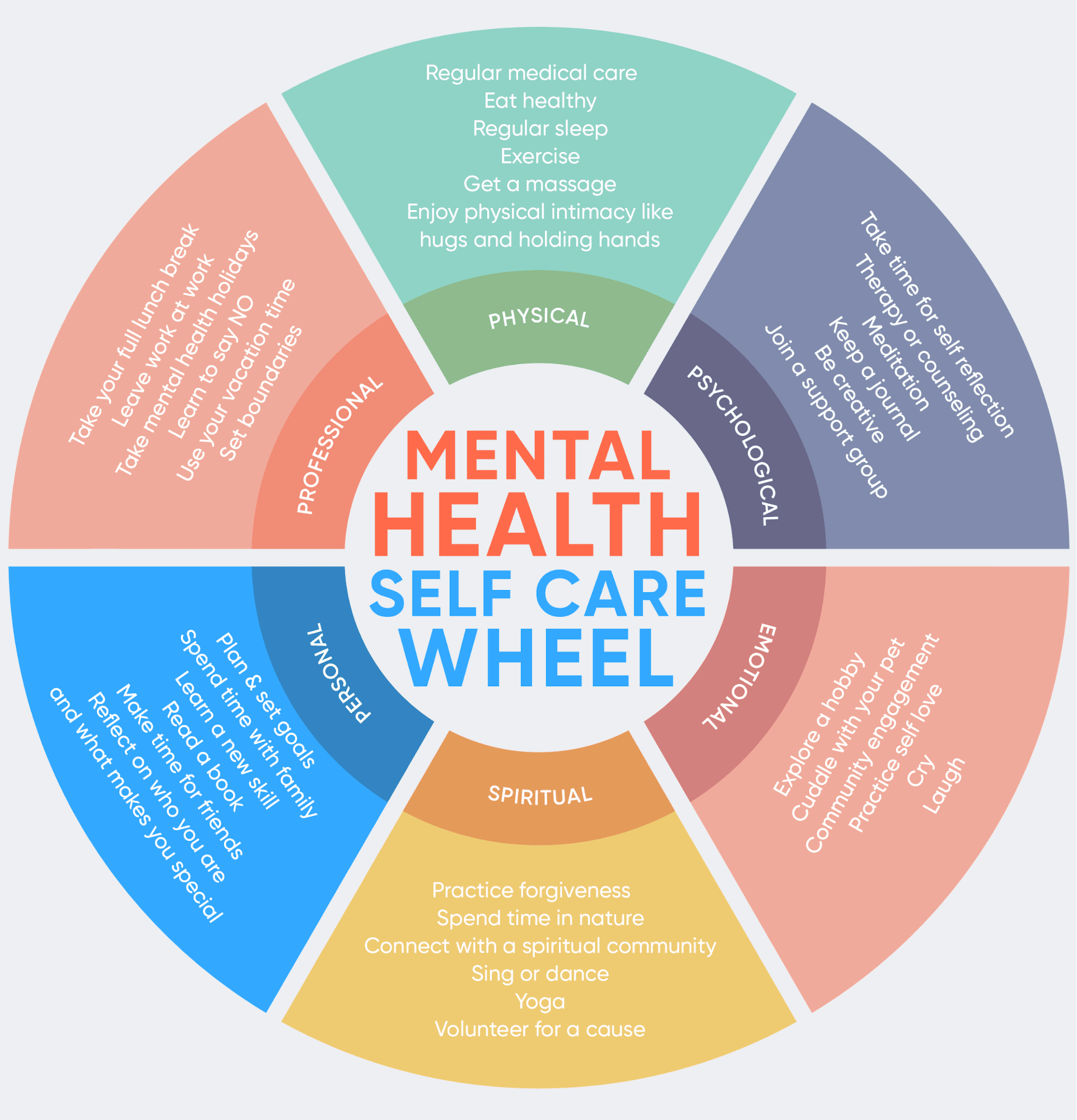
Developing healthy coping strategies is essential for improving your emotional intelligence and mental health. Instead of relying on unhealthy coping mechanisms, such as avoiding or denying your emotions, try to face your feelings head-on. Practice self-care activities, such as exercise, meditation, journaling, or spending time in nature, to nurture your emotional well-being. Seek support from friends, family, or a therapist when needed and don’t hesitate to ask for help. By building healthy coping strategies, you can strengthen your emotional resilience, manage stress more effectively, and maintain a positive outlook on life.
Set Boundaries
Setting boundaries is crucial for maintaining healthy relationships and protecting your emotional well-being. Be clear about your needs, values, and limitations with others, and communicate them assertively and respectfully. Learn to say no when necessary and prioritize your well-being and self-care. Establish boundaries to protect yourself from emotional manipulation, toxic relationships, and unnecessary stress. By setting boundaries, you can establish healthier and more fulfilling relationships, reduce conflict, and create a sense of balance and harmony in your life.
Conclusion
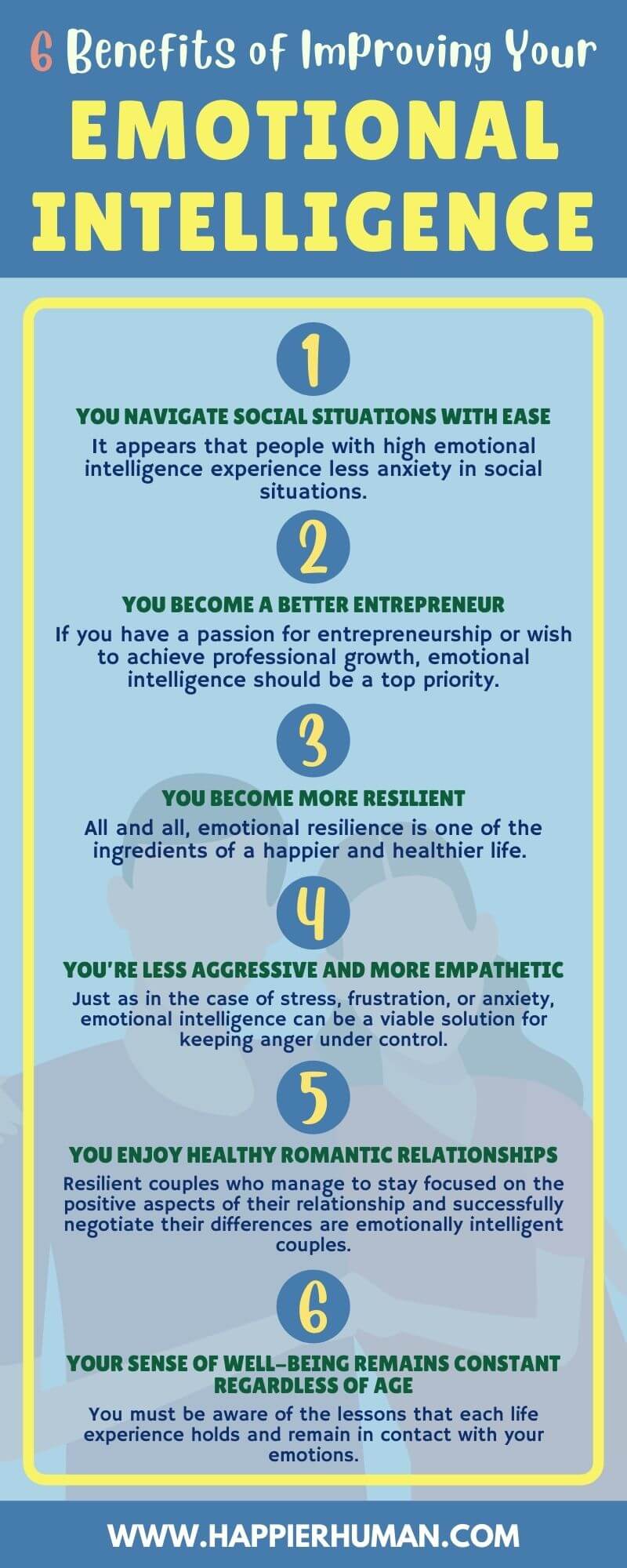
In conclusion, improving your emotional intelligence is a valuable skill that can enhance your mental health and overall well-being. By developing self-awareness, self-regulation, social awareness, and relationship management, you can navigate life’s challenges with resilience and grace. Practice empathy, mindfulness, and healthy coping strategies to strengthen your emotional intelligence and build stronger relationships with others. Remember to seek feedback, practice emotional regulation techniques, and set boundaries to protect your emotional well-being. By incorporating these top ways to improve emotional intelligence into your daily life, you can promote better mental health and create a more fulfilling and meaningful existence.