
Welcome to an article that will provide you with top ways to improve emotional regulation for better mental well-being. By learning and implementing these strategies, you can enhance your ability to manage your emotions effectively, leading to a more stable and positive mental state. From practicing mindfulness to developing healthy coping mechanisms, you will discover practical tips to help you navigate through challenging emotions and promote overall well-being. Let’s dive in and start prioritizing your mental health today! Are you struggling to manage your emotions effectively? Do you find yourself feeling overwhelmed or out of control when it comes to your feelings? Improving your emotional regulation can have a significant impact on your mental well-being, helping you feel more balanced and in control of your emotions. In this article, we will explore the top ways to improve emotional regulation for better mental well-being. From developing mindfulness practices to implementing coping strategies, these tips can help you navigate your emotions more effectively. Let’s dive in!
Understanding Emotional Regulation
Emotional regulation refers to the ability to manage and respond to emotions in a healthy and adaptive way. It involves being able to recognize and understand your emotions, as well as being able to modulate or change them when necessary. Developing strong emotional regulation skills can help you navigate challenging situations, reduce stress, and improve your overall well-being.
Understanding the basics of emotional regulation is the first step in improving your mental health. By recognizing that emotions are a normal and natural part of life, you can begin to work towards effectively managing them. If you find yourself struggling with emotional regulation, know that you are not alone. Many people struggle with this aspect of their mental health, but there are strategies and techniques that can help you improve.

Developing Mindfulness Practices
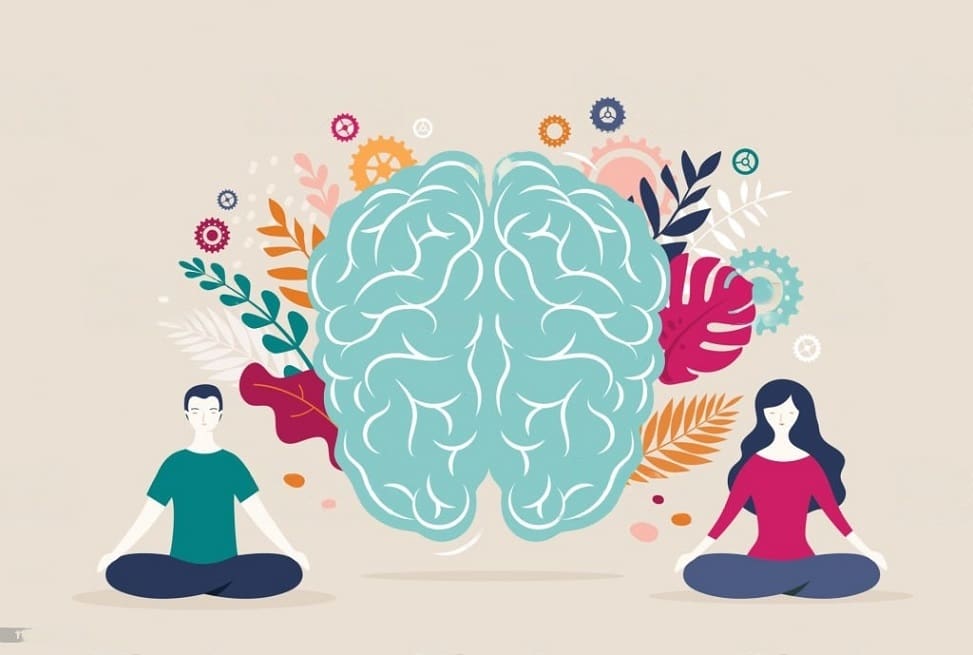
One of the most effective ways to improve emotional regulation is through the practice of mindfulness. Mindfulness involves being present in the moment and fully aware of your thoughts, feelings, and sensations. By developing mindfulness practices, you can become more in tune with your emotions and learn to respond to them in a more intentional way.
To incorporate mindfulness into your daily routine, consider setting aside time each day for meditation or deep breathing exercises. By taking a few moments to pause and focus on your breath, you can cultivate a sense of calm and awareness that can help you manage your emotions more effectively. Additionally, practicing mindfulness can help you become more attuned to your body’s signals and sensations, allowing you to recognize when you are experiencing strong emotions and respond accordingly.
Tips for Incorporating Mindfulness Into Your Routine
- Start small: Begin by setting aside just a few minutes each day for mindfulness practices. As you become more comfortable, you can gradually increase the amount of time you spend on these activities.
- Find what works for you: There are many different ways to practice mindfulness, from meditation to yoga to walking in nature. Experiment with different techniques to find what resonates with you.
- Practice self-compassion: Remember that mindfulness is a skill that takes time to develop. Be kind to yourself as you navigate this journey and celebrate your progress along the way.
By incorporating mindfulness practices into your routine, you can improve your emotional regulation and cultivate a greater sense of well-being.

Building Healthy Coping Strategies
In addition to mindfulness practices, building healthy coping strategies can help you improve your emotional regulation and mental well-being. Coping strategies are techniques that you use to deal with stress, manage your emotions, and navigate challenging situations. By developing a toolbox of healthy coping strategies, you can better respond to difficult emotions and situations in a more adaptive way.
One key aspect of building healthy coping strategies is understanding your triggers. Triggers are events, situations, or thoughts that can evoke strong emotional responses. By identifying your triggers, you can prepare yourself to respond more effectively when they arise. For example, if you know that a certain type of interaction tends to make you feel anxious or angry, you can develop a plan for how to cope with those emotions when they occur.
Examples of Healthy Coping Strategies
- Deep breathing: When you feel overwhelmed or anxious, take a few moments to focus on your breath. Deep breathing exercises can help calm your nervous system and reduce stress.
- Physical activity: Engaging in regular exercise can have a positive impact on your mood and mental health. Whether you go for a walk, take a yoga class, or hit the gym, physical activity can help you regulate your emotions and boost your well-being.
- Journaling: Writing down your thoughts and feelings can be a therapeutic way to process emotions and gain insight into your mental state. Consider keeping a journal to track your emotions and reflect on your experiences.
By incorporating healthy coping strategies into your daily routine, you can build resilience, improve your emotional regulation, and enhance your overall mental well-being.

Seeking Support and Professional Help
Improving emotional regulation is a journey that can be challenging at times. If you find that you are struggling to manage your emotions effectively, it is important to seek support and professional help. A therapist or mental health professional can provide you with guidance, tools, and techniques to improve your emotional regulation and mental well-being.
Therapy can be a valuable resource for individuals looking to enhance their emotional regulation skills. Through therapy, you can explore the root causes of your emotional challenges, develop coping strategies, and learn how to respond to your emotions in a healthier way. A therapist can also provide you with a safe and supportive environment to process your feelings and gain insight into your emotional patterns.
Signs that You May Benefit from Professional Help
- Persistent difficulty managing your emotions
- Frequent mood swings
- Feeling overwhelmed by your emotions
- Difficulty functioning in daily life due to emotional challenges
If you are experiencing any of these signs, consider reaching out to a therapist or mental health professional for support. Remember that seeking help is a sign of strength and courage, and it can be a crucial step towards improving your emotional regulation and mental well-being.

Practicing Self-Compassion and Self-Care
Self-compassion and self-care are essential aspects of improving emotional regulation and mental well-being. Practicing self-compassion involves treating yourself with kindness, understanding, and acceptance, especially when you are facing difficult emotions or challenges. By cultivating self-compassion, you can enhance your emotional resilience and develop a healthier relationship with yourself.
Self-care is another crucial component of emotional regulation. Self-care involves taking care of your physical, emotional, and mental well-being on a regular basis. By prioritizing self-care practices, such as getting enough rest, eating nourishing foods, and engaging in activities that bring you joy, you can support your overall well-being and improve your ability to regulate your emotions.
Tips for Practicing Self-Compassion and Self-Care
- Practice mindfulness: Take time each day to check in with yourself and practice self-compassion. Offer yourself words of kindness and support, just as you would to a friend in need.
- Set boundaries: Establishing healthy boundaries can help protect your emotional well-being and prevent burnout. Learn to say no to commitments that drain your energy and prioritize activities that nourish you.
- Engage in activities that bring you joy: Make time for activities that make you feel happy and fulfilled, whether it’s spending time with loved ones, going for a hike in nature, or exploring a creative hobby.
By practicing self-compassion and self-care, you can build emotional resilience, improve your ability to regulate your emotions, and enhance your overall well-being.
Conclusion
Improving emotional regulation is a journey that requires dedication, patience, and self-awareness. By incorporating mindfulness practices, building healthy coping strategies, seeking support and professional help, and practicing self-compassion and self-care, you can enhance your emotional regulation skills and improve your mental well-being. Remember that it is okay to seek help and support when needed, and that improving emotional regulation is a process that takes time and effort. By taking proactive steps to manage your emotions effectively, you can cultivate a greater sense of balance, resilience, and well-being in your life. Start implementing these strategies today and watch as your emotional regulation and mental well-being improve over time.